Charlie Kirk Delayed College to Fight America's $16 Trillion Debt Crisis Through Social Media
Enjoying this? Share it with someone who needs to see it.
Up Next
Charlie Kirk Debates Socialist Millennial Elijah Joiner on Capitalism Versus Socialism for Young Americans
5:25
Charlie Kirk Unveils Student Debt Clock Showing Each Young American Owes Over $800,000
3:43
Charlie Kirk and Kim Palacios Debate College Degree Worth Amid Trillion Dollar Student Debt Crisis
6:14
Charlie Kirk Delayed College to Fight America's $16 Trillion Debt Crisis Through Social Media
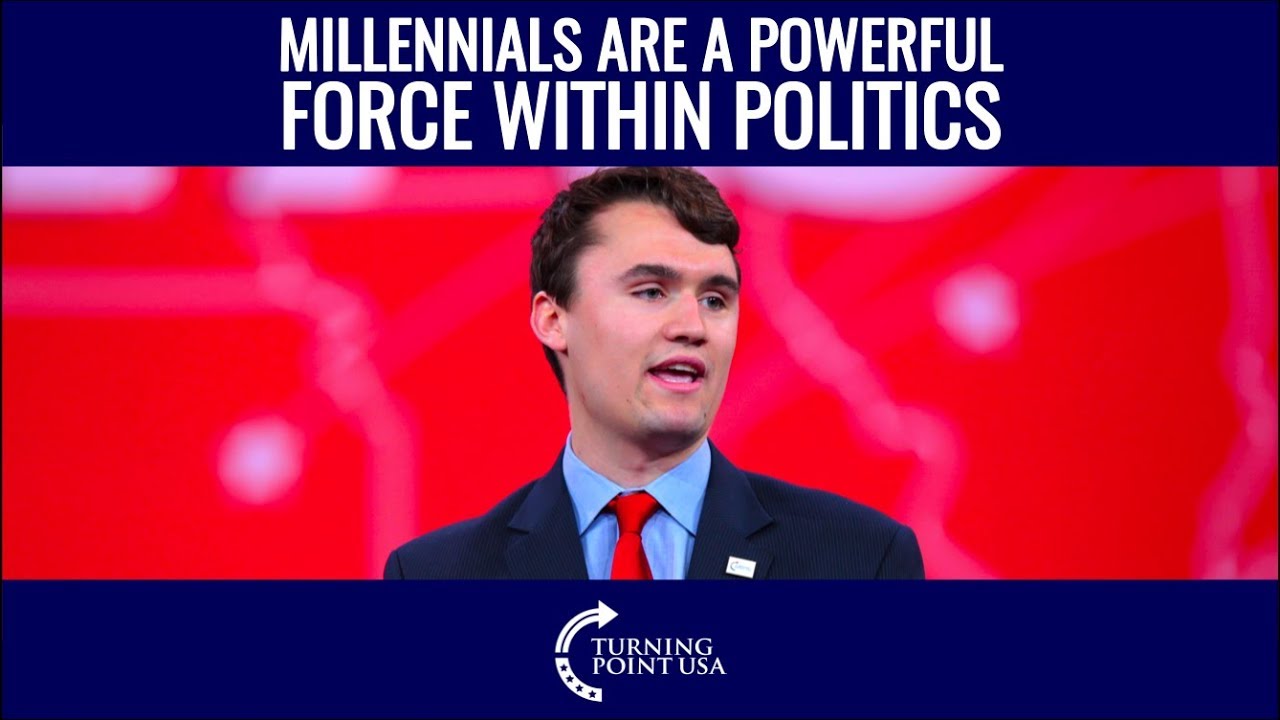
At just 18 years old, Charlie Kirk made a decision that would change his life: delay college to fight America's mounting debt crisis. Armed with nothing but social media memes and a passion for fiscal responsibility, Kirk launched Turning Point USA to reach young voters in a language they actually understand. While his peers prepared for freshman orientation, Kirk was building a movement that would use pop culture references, movie frames, and viral content to educate a generation about generational theft. His approach was simple but powerful: if young people won't read op-eds, meet them where they are with content they'll actually share.
Charlie Kirk was just 18 years old when he made a decision most teenagers wouldn't even consider: delaying his college education to fight America's debt crisis. With the national debt approaching $16 trillion, Kirk saw a problem that his generation would inherit, and he wasn't willing to wait to do something about it. His solution was Turning Point USA, an organization designed to reach young voters through the medium they know best: social media.
Kirk's approach was unconventional. Instead of traditional political messaging, he created memes using popular movie frames from films like Pirates of the Caribbean, pop culture references from Jersey Shore, and humor that resonated with his peers. The strategy worked beyond anyone's expectations, with one meme garnering over 100 million views and spreading across Facebook pages nationwide.
Why Traditional Politics Fails Young People
Kirk identified a fundamental disconnect between political campaigns and young voters. His generation, he explained, wasn't going to sit down and read lengthy articles from the New York Times or op-eds from the Washington Post. They wanted content that was quick, shareable, and entertaining. They didn't want to hear lengthy speeches from political candidates; they wanted to engage with issues in a way that felt natural to them.
This insight became the foundation of Turning Point USA's strategy. By meeting young people where they already were on social media platforms and speaking their language through memes and viral content, Kirk created a new model for political engagement. The organization hosted competitions where students from across the country could submit their own memes, turning passive viewers into active participants in the conversation about fiscal responsibility.
Generational Theft and the Future of Entrepreneurship
Kirk framed the national debt not as a political issue, but as a generational one. He called it "generational theft," arguing that young people were being forced to inherit debt created by previous generations. This framing resonated with students across the political spectrum, including conservatives, liberals, and independents who all recognized they would be paying for decisions they had no part in making.
Planning to major in entrepreneurship at Baylor University, Kirk's concerns about the debt were deeply personal. He worried that even with multiple degrees, starting a business would be impossible in an economy burdened by massive debt. If future entrepreneurs had to spend their resources paying interest on old Medicare and Social Security payments rather than investing in innovation and growth, economic prosperity would be jeopardized.
This perspective gave Kirk's activism a practical edge. He wasn't just concerned about abstract fiscal policy; he was thinking about the real-world implications for small business startups, job creation, and economic opportunity for his generation.
Building a Movement Through Competition and Engagement
The growth of Turning Point USA surprised even Kirk himself. What started as an effort to educate young voters quickly exploded onto the national scene. Students from Kansas, Missouri, Puget Sound, Miami, and communities across the country wanted to participate. They submitted their own memes, shared content, and became ambassadors for the message of fiscal responsibility, living within your means, and limited government.
The viral nature of the content meant that Turning Point was reaching audiences in ways that traditional political campaigns couldn't match. Kids who were completely turned off by conventional politics found themselves engaged in conversations about debt, economic policy, and their generation's future. The organization had discovered something powerful: when you remove the partisan rhetoric and focus on issues that directly affect young people's futures, they pay attention.
A Different Kind of Political Entrepreneur
Kirk described Turning Point USA as a "political entrepreneurial endeavor," applying business principles to political activism. His vision was clear: he wanted a free market, low taxes, and a government not buried under debt that future generations would have to pay off. These weren't abstract ideals but practical necessities for the kind of future he wanted to build.
By choosing to delay his college education, Kirk demonstrated the seriousness of his commitment. While other 18-year-olds were focused on freshman orientation and college parties, he was building an organization that would become a significant force in conservative youth politics. His decision reflected a calculation that making a difference in the national conversation about debt was more important than an extra semester of college.
The Power of Pop Culture in Political Messaging
One of Turning Point USA's most innovative strategies was its use of copyrighted movie frames and pop culture references in its memes. While this raised questions about intellectual property, Kirk's team determined it was legally permissible. More importantly, it was effective. Young people loved creating and sharing content that combined entertainment they already enjoyed with messages about fiscal responsibility.
This approach represented a fundamental shift in how political organizations could communicate with younger audiences. Instead of talking down to young people or trying to make them interested in politics as traditionally presented, Turning Point met them on their own terms. The memes were funny, shareable, and made serious points without feeling preachy or boring.
Beyond Partisan Politics
Perhaps the most significant aspect of Kirk's approach was his insistence that the debt crisis wasn't a political issue but a generational one. By framing it this way, he was able to reach across traditional political divides and engage young people who might otherwise tune out partisan messaging. The response from the community included not just conservatives but liberals and independents who all recognized the fundamental unfairness of inheriting massive debts they didn't create.
This broader appeal gave Turning Point USA a reach that purely partisan organizations couldn't match. Young people who disagreed on other issues could find common ground on the basic principle that their generation shouldn't be saddled with unsustainable debt. This coalition-building approach would become increasingly important as the organization grew and evolved in the years ahead.