
Up Next

Charlie Kirk and Cenk Uygur Find Surprising Common Ground on Money in Politics and Foreign Policy
30:42

Charlie Kirk on the Republican Party After Trump and What It Means to Be Conservative
7:57

Charlie Kirk and Glenn Beck Reflect on Divine Intervention and America's Second Chance at AmericaFest
15:12
Related Books
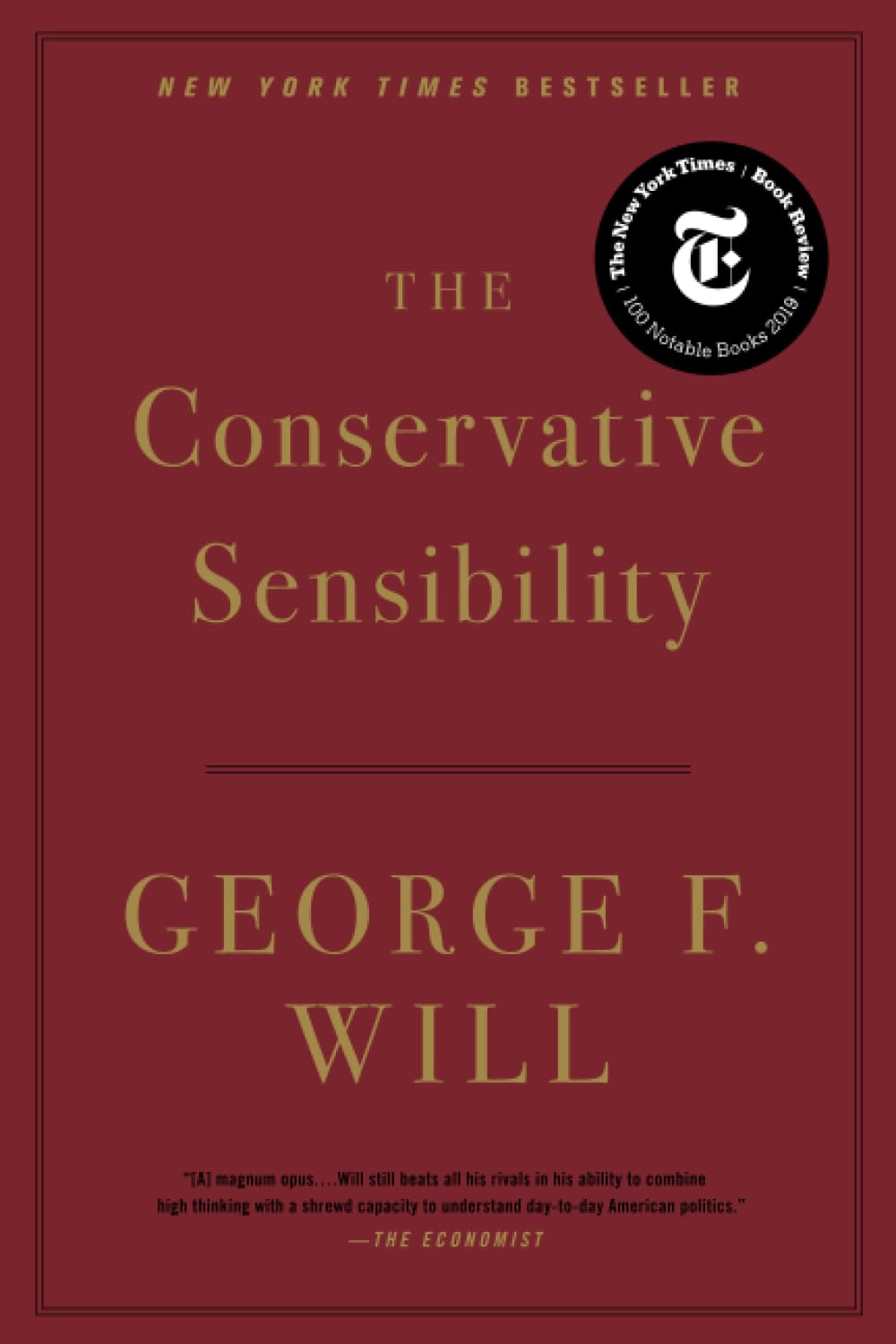
Browse Conservative Books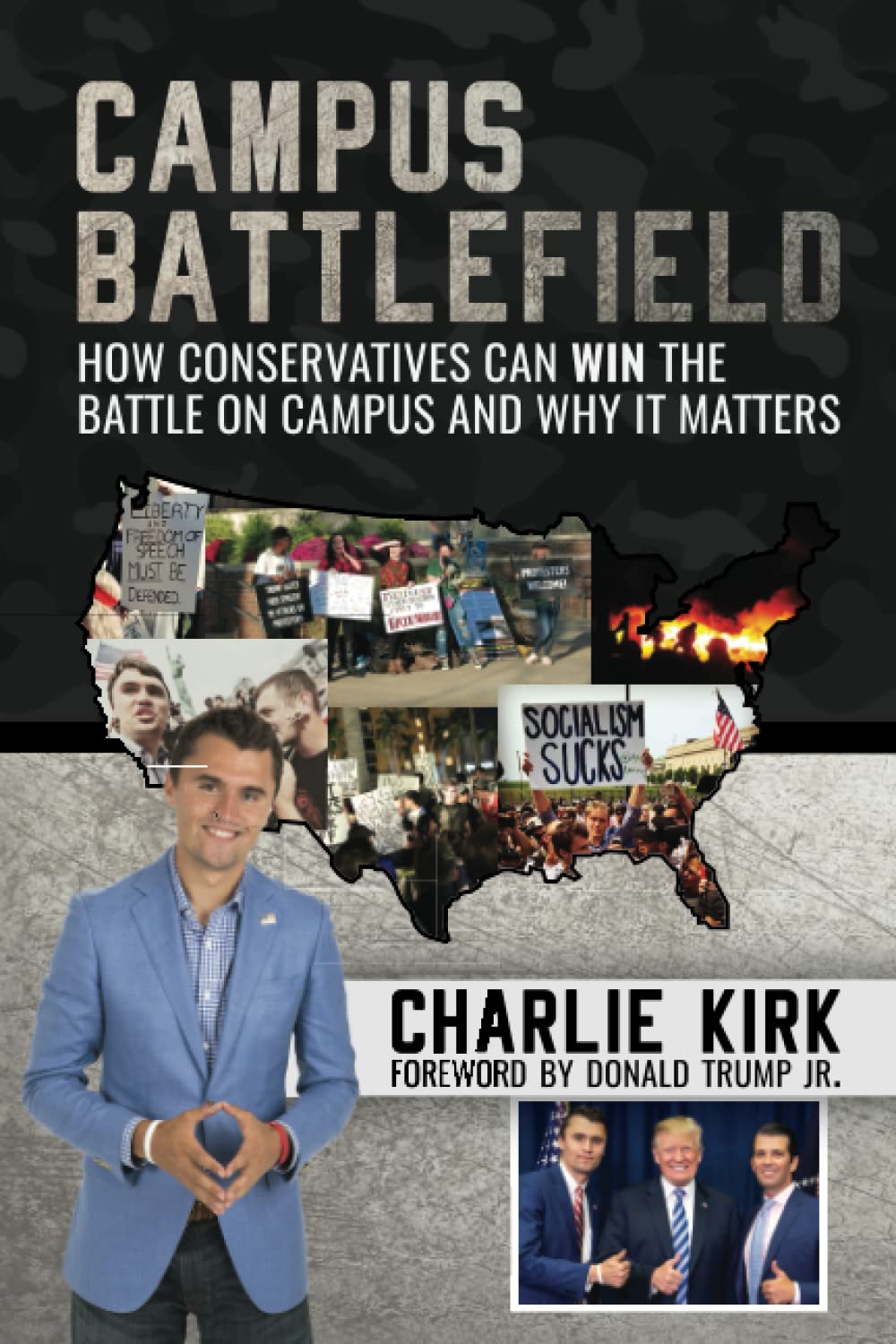




Charlie Kirk Explains What True Statesmanship Means in 2025 and Why JD Vance Embodies It
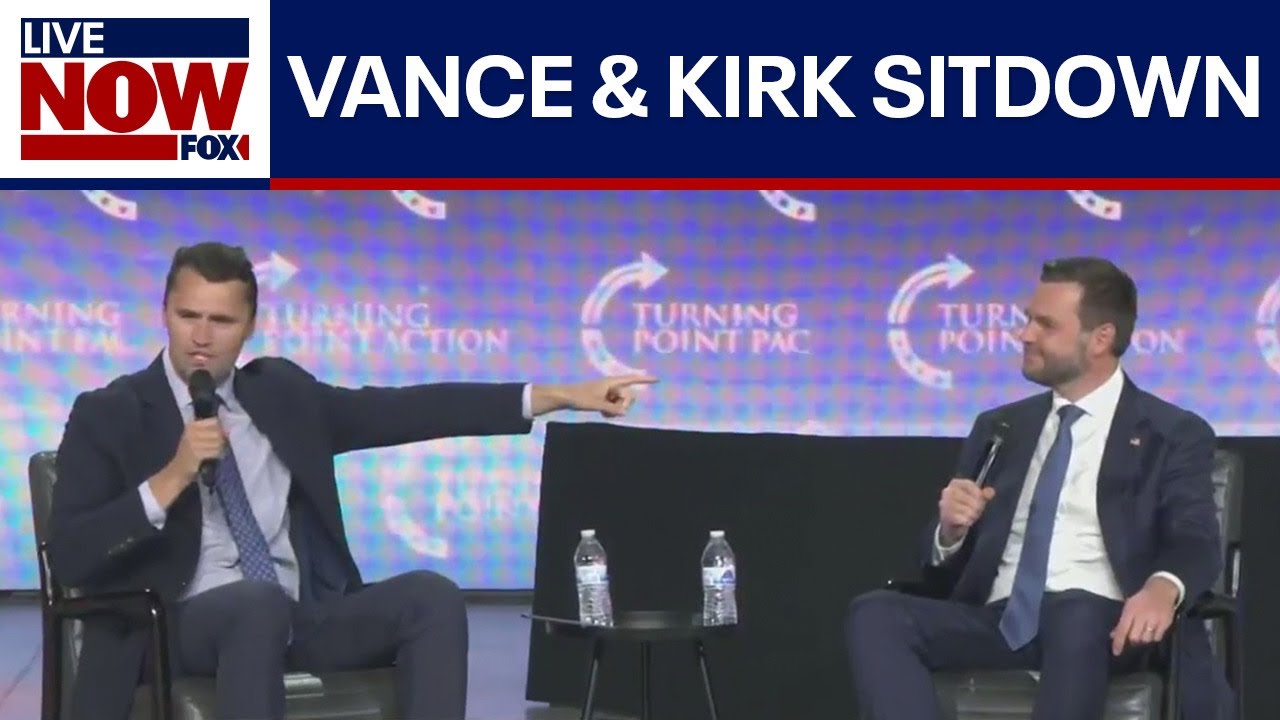
Charlie Kirk breaks down the essential qualities of statesmanship in modern America, using President Trump's approach to Iran and JD Vance's political rise as prime examples. At the 2025 Claremont Statesmanship Award ceremony honoring JD Vance, Kirk explains how true statesmen differ from typical politicians by having clear destinations, moral courage to challenge party dogma, and motivation rooted in national good rather than personal gain. Kirk discusses how Trump moved the Overton window on immigration from border walls being unthinkable to mass deportations becoming mainstream policy, and why he believes a new generation of deep thinkers is choosing statesmanship over wealth. Kirk reveals what voters should look for in leaders and why almost every major problem facing America is simply a failure or success of political will.
The Practical Definition of Statesmanship
Charlie Kirk opens by addressing what statesmanship actually means beyond the fancy rhetoric people often ignore. Kirk points to President Trump's recent handling of Iran as a perfect practical example. Trump faced two options: do nothing or pursue full regime change John Bolton-style. Instead of either extreme, Trump demonstrated true statesmanship by first knowing his destination—what the Greeks called the Telos.
Trump's destination was clear: solve the Iranian nuclear weapons problem that has persisted for 20 years while pursuing American revitalization without creating a Middle East quagmire. Kirk explains that too many people who think they are statesmen or play them on TV have no aim, no destination, no final product in mind. President Trump worked backwards from his goal, determined to wrap up the situation within a week, achieving an Iran without nuclear weapons while honoring his mandate to disentangle America from endless conflicts and resisting calls for regime change.
The Role of Prudence and Practical Judgment
Kirk emphasizes that when politicians are held captive by ideology, what differentiates a statesman is prudence—practical judgment. He points to JD Vance as someone who embodies this quality. When politicians enter elected office, they often become prisoners to party dogma and political expectations of the time.
Kirk reminds us that just 10 years ago, when President Trump entered the political space, no one could talk about a border wall, let alone mass deportations. Trade policy and foreign wars were also off-limits topics. A true statesman identifies problems and then, with proper moral courage and rhetorical precision, addresses these issues and moves the Overton window.
The transformation has been remarkable. Kirk notes that nobody even talks about the wall anymore because it's accepted. The conversation has shifted entirely to deportations. The Overton window moved from the unthinkable to radical to neutral to credible to popular, and now to public policy.
How Trump Moved the Overton Window
Kirk describes this Overton window shift as an unbelievable accomplishment that stands as a legacy item among many others. The movement happened primarily because President Trump is who he is—he fed off opposition almost as an energy life force. Kirk believes America might have become like London in terms of immigration issues if not for Trump's emphasis, focus, dedication, and building of popular consensus.
The process took the full 10 years. Even in the 2020 election, mass deportations weren't yet mainstream discussion, but through consistent argument and repeated public engagement, Trump built this into a mass movement of public consensus. President Trump remained unafraid to enter the public space and contend with people of opposing views. Kirk sees JD Vance as operating in a very similar vein.
To be a statesman in the modern era, especially in the Republican party, requires being unafraid to challenge political dogma when it doesn't benefit the nation or the body politic. The three-legged stool of neoliberalism—endless war, invite the world, and import plastic (invade the world, invite the world, import plastic)—represents core pillars that only a statesman can effectively challenge.
The Motivation Question: What Drives True Statesmen
When evaluating talent in business or organizations, understanding what drives people is essential. Kirk observes that many people's motivation in politics, as Bob Dylan once sang about, is to get rich quick and get out with money and other benefits. Many Congress members have become essentially influencers at this point, which has always been somewhat true throughout history.
But statesmanship requires different motivation. President Trump's motivation is the nation, the country—it's the only reason he ran again. The same applies to JD Vance. Most people in politics who masquerade or pantomime as statesmen have self-notoriety, popularity, power, and prestige as their ultimate cause. They will do whatever is necessary to achieve those personal goals.
When personal advancement becomes the final cause, everything that follows becomes a second or third order effect. Politicians think they must take certain votes because the most important thing isn't the nation but power, prestige, and popularity. Extrapolate that pattern over 30 years, and you understand one of the core reasons America faces the problems it does today.
Harnessing Ambition for the Common Good
Kirk references the book "Fame and the Founding Fathers" by Douglas Adair, which discusses how the founders harnessed their ambition to do great things for the sake of the country and common good rather than personal gain. This requires detachment from the immediate and elevation of the transcendent, which modernity has firmly resisted.
Kirk points to tech companies as an example. They moved away from any emphasis on national projects, and now America's brain power goes toward customizing apps that better self-indulge narcissism. Think about the Manhattan Project and where the brightest minds used to go—toward compelling world-changing projects. Now the best and brightest work on how to order a widget better or customize your face on a filter.
Kirk clarifies this is fine in a free society where people have agency to make such choices, but there's nothing transcendent about it. For work to be more than a social media platform, people must elevate something above humans—either God or a transcendent purpose, the laws of nature and nature's God, as the Declaration of Independence states.
The Brain Drain From Politics to Business
Looking at younger people, particularly Claremont fellows and Publius Fellowship participants, Kirk feels many are much more in tune with statesmanship. They actually want to make the country better and don't care about the old prestige structure. Kirk explains that young people wanting to get involved in politics or statesmanship are likely forsaking higher income and wealth in other fields.
A quiet brain drain has happened domestically over the past 30-40 years. America's best and brightest went away from politics and into business. The virtuous, good, and noble minds abandoned the political arena, leaving what Kirk describes as slop that has infested politics. President Trump stood out so much because he was a legitimately high performer outside of politics.
What Kirk now sees at Turning Point USA, The Blaze, and Claremont is high IQ, highly driven, virtuous people saying they could go make $200 million at Goldman Sachs, but that's not deep or fulfilling. Instead, they would rather become statesmen and work in the State Department. These are people who could make tremendous money elsewhere, meaning monetary gain is not the driving factor or motivator for much of this generation.
This mindset is closer to the World War II generation—the Greatest Generation—which put sacrifice and a transcendent ideal above immediate satisfaction. It's also similar to the founding generation. When people put something above their comfort or satiation, amazing accomplishment follows.
Dedicating Brain Power to National Revival
Kirk asks what happens when the transcendent ideal is the nation itself. If even 5% of America's brain power dedicated itself to national revival instead of creating the next social media app, the results would be transformative. People can create apps if they want in a free society, but imagine if people with capacity and wherewithal dedicated themselves toward national revival.
For voters frustrated with leaders who aren't statesmen—where "statesmanship by the United States Congress" is a laughing point—the question becomes how to select leaders who care about their country. People voted for President Trump because they know he cares. Even skeptics from his first term can't deny this second term proves his dedication to saving the country.
The Shallow Versus Deep Binary
Kirk offers a practical test: Is your elected official shallow or deep? People think President Trump is shallow, but he's actually a very deep person. The question is whether they think about deeper things and are willing to challenge pre-existing dogmas. JD Vance is objectively a deep person who reads the great books and understands philosophy.
Looking at some people who have infected congressional space, "deep" would not be a word anyone would use. America needs people who are deeper, thoughtful, and present for a better worldview and the better view to win—not just focused on who will get conference chair positions.
The Power of Political Will
Kirk shares what he calls both a depressing and optimistic revelation: almost every major problem facing America is a failure or success of the will. America simply didn't want to have a border under Joe Biden. The country put up with violent crime in cities—not because solutions are unknown, but because of conscious decision-making. Americans accepted the idea that walking the streets of Los Angeles at 2 a.m. isn't safe as a symptom and consequence of conscious choices.
Everything comes down to will—will to power, will to pleasure, or will to nation. If Americans have a will to their nation, they will have a country again. President Trump has what Kirk describes as an awe-inspiring, sometimes metaphysical force that doesn't stop because he has the will to act and point toward ultimate purposes.
As long as the will points to the right thing, amazing things happen. Will to do good for your country and fellow citizens produces results. However, people can have will toward catastrophe, as seen with leaders like FDR, Hitler, or Stalin who thought they were doing the right thing but were pointing in destructive directions.
Why JD Vance Deserves the Claremont Statesmanship Award
Speaking about the 2025 Claremont Statesmanship Award being given to JD Vance, Kirk discloses his bias as a great friend of Vance. Kirk was one of the first people to endorse Vance for Senate—day one or day two. Kirk didn't know Vance would one day be vice president, but he recognized this is what America needs more of: a deep thinker who understands issues and is also a wonderful family man and entrepreneur.
Seeing Vance ascend to vice president and potentially one day to president feels like the hand of the Lord to Kirk, who plans to work hard on that possibility. Vance is constantly courting other people's opinions, very similar to President Trump. He understands both the philosophical and the real-world implications. As a true statesman, Vance never forgot where he came from—rural Ohio and Appalachia.
This origin is the connective tissue of his politics, which almost always reverts back to asking whether 8-year-old JD Vance would benefit from a policy. If yes, he works his way through supporting it—whether that means no more unnecessary wars, restrictive immigration, or better trade policies.
A statesman must also be made for the moment. Some people crumble under pressure, but Vance was the vice presidential nominee after barely two years as a senator and has excelled in every way. He's a man of phenomenal moral courage. Kirk notes it takes serious guts to go straight to a NATO meeting in Germany and call out member nations on their failings.
The Intellectual Home of the New Right
When asked about the Claremont Institute, which many people don't know about, Kirk describes it as the intellectual home of the new right. It represents young, inspiring, sometimes provocative, boundary-pushing philosophical momentum in the movement. This is why discussions now include mass deportations as mainstream policy.
The most important thing Claremont has led on for 20 years is dismantling the administrative state—something Claremont has never lost focus on. Kirk calls the Claremont fellowship one of his most favorite weeks of life. It was a remarkable time to learn from the brightest minds and think intensely for about 10 days about why we are here, what good government is, what it means to be a good person, and concepts of the true and beautiful.
Claremont is a powerhouse that punches way above its weight. Kirk's friendship with the interviewer started at that fellowship, and both express gratitude for the network and community Claremont has built.
Video Transcript
[00:00] All right, Charlie, we are at the 2025
[00:02] Claremont Statesmanship Award. Uh
[00:05] they're going to give that to JD Vance.
[00:07] This is an incredible event. Claremont,
[00:09] of course, prides itself on
[00:10] statesmanship at the heart of what it
[00:12] does or what it teaches. Um this is
[00:15] something that you've been involved with
[00:17] now really you could we could say your
[00:18] entire life, right? I mean,
[00:20] statesmanship is tied to making this
[00:22] country great again.
[00:23] Yes.
[00:23] And making this country great. And I
[00:25] feel like this is a word that's, you
[00:26] know, sort of a a fancy word that that
[00:29] people throw around and people hear that
[00:31] word and it just kind of can go in one
[00:33] ear and out the out the other. So what
[00:34] does statesmanship mean to you?
[00:37] Well, practically I think we saw
[00:39] statesmanship on display from the
[00:40] president recently where he was
[00:43] displayed with two options. The one was
[00:45] do absolutely nothing with Iran and just
[00:47] ignore it. The other one was hey go full
[00:48] regime change John Bolton style. And the
[00:51] statesman first has to know what you
[00:52] want. That's the you have to have what
[00:54] the Telos is, right? Which is you have
[00:56] to have a destination. And so President
[00:58] Trump had a destination which is like,
[00:59] well, there's a problem here. We've been
[01:02] talking about Iranian nuclear weapons
[01:03] for 20 years. He has. But I want
[01:06] American revitalization and not a Middle
[01:07] East quagmire. So he he had a very firm
[01:10] destination in mind. And I think so
[01:12] often is that people who think they are
[01:14] statesmen or people who play statesmen
[01:16] on TV, there there is no aim. There is
[01:18] no destination. there is no final form
[01:20] or final u product where President Trump
[01:23] worked backwards. He said okay I want
[01:25] this to be wrapped up within a week.
[01:27] That was his first how do I do this
[01:28] where I can have Iran of no nuclear
[01:30] weapons but I also I ran on a mandate of
[01:33] disentangling ourselves from these
[01:34] endless conflicts from no more quagmires
[01:36] and then of course resisting the calls
[01:38] for regime change and so that's what I
[01:40] think it means practically and we can
[01:42] talk philosophically too. Well, yeah.
[01:43] Let's talk more practically and work
[01:45] ourselves to the
[01:46] philosophy anyone can you.
[01:48] Yeah. Well, as we both know, uh the phil
[01:51] the philosophic definition can start in
[01:52] any abstract fantasy land.
[01:54] Well, you and I were talking off camera.
[01:55] It's like it's below the philosopher,
[01:56] but you know,
[01:57] Yeah. Ultimately, philosophy in the
[01:59] Western tradition is higher because it's
[02:01] just simply knowing the truth about
[02:02] something. But the problem is people who
[02:04] call themselves philosophers are often
[02:06] suspect and talk in abstract, you know,
[02:08] terms. So let's talk about this a little
[02:10] bit more because you know we we've both
[02:13] um been around a lot of politicians and
[02:15] people who care uh supposedly about the
[02:18] country and that's their job whatever
[02:20] the politician in America's job is right
[02:23] what differentiates the person who is
[02:25] the statesman in 2025
[02:28] well first I think when we're constantly
[02:30] trying to be held captive by ideology it
[02:32] would be prudence which would be
[02:34] practical judgment and I think JD Vance
[02:36] embodies that incredibly well you see
[02:38] when you're in elected office, you have
[02:40] to be prisoner to the the party dogma
[02:43] and the political expectations of the
[02:45] time. For example, when President Trump
[02:47] entered into the political space 10
[02:49] years ago, think about it, it's been a
[02:50] decade.
[02:51] You would never be able to talk about a
[02:52] border wall,
[02:53] let alone mass deportations.
[02:55] You would not be able to talk about you
[02:58] trade or foreign wars. And so a true
[03:01] statesman is able to identify the
[03:03] problems and then with the proper amount
[03:05] of moral courage and with precision
[03:08] rhetorically be able to address these
[03:10] things and then move the overton window.
[03:12] You just look at 10 years from now. No
[03:13] one even talks about the wall anymore.
[03:15] Yeah.
[03:15] So I mean like the wall is not like we
[03:17] used to talk about the border wall all
[03:18] the time and now 10 years later we're
[03:20] kind of like okay yeah we got the wall.
[03:21] Where are the deportations? You look at
[03:23] how in the Overton window it goes from
[03:24] that which is unthinkable all the way to
[03:26] public policy right? goes from like
[03:27] unthinkable to radical, I think, to
[03:29] neutral to um to credible to popular.
[03:32] I'm I'm approximating.
[03:33] How do you think that happened? How do
[03:35] how did the overtone window move? How
[03:37] did we get to the point where it was
[03:38] shocking that Trump talked about a
[03:40] border wall, right? And now all of a
[03:42] sudden, we're at the point where mass
[03:43] deportations or bust has to happen or
[03:45] he's failed this movement.
[03:46] First of all, we just have to recognize
[03:48] this is an unbelievable accomplishment.
[03:50] if he's done nothing else but move the
[03:52] Overton window that dramatically, it's
[03:54] just that that that's a legacy item
[03:56] amongst many others. I think it happened
[03:59] first and foremost because President
[04:00] Trump is who he is and he he fed off of
[04:04] the opposition almost as an energy life
[04:06] force. I don't know if we could have
[04:07] moved the Overton window on immigration
[04:10] absent just becoming like London if it
[04:12] wasn't for President Trump and really
[04:14] just his emphasis and his focus, his
[04:16] dedication and then building popular
[04:18] consensus. And understand it took it it
[04:20] took 10 years. I mean even in the 2020
[04:22] election, we were now talking about mass
[04:24] deportations
[04:25] and this has grown itself into a mass
[04:29] movement of public consensus. But
[04:31] President Trump also made the argument
[04:33] repeatedly. He was unafraid to go into
[04:35] the public space and to be able to
[04:37] contend with people of opposing views. I
[04:39] think JD Vance is of a very similar
[04:40] vein. And so what does it mean to be a
[04:42] statesman in the modern era, especially
[04:45] in the quote unquote Republican party?
[04:46] It's you must be unafraid to challenge
[04:48] your the own political dogma if it's
[04:50] actually not benefiting the nation or
[04:52] the body politic. And the three the
[04:54] three kind of three-legged stool of
[04:56] neoliberalism which is endless war,
[04:58] invite the world and import a bunch of
[05:00] plastic, right? Invade the world, invite
[05:02] the world, import plastic. Those are the
[05:04] three main core pillars of
[05:05] neoliberalism. Only a statesman can
[05:08] challenge us effectively. Now talk a
[05:10] little bit about motivation here because
[05:12] one thing I I think about a lot lately
[05:13] is uh you know when you're when you're
[05:15] evaluating talent for instance in a
[05:17] business or an organization uh you want
[05:20] to know what what drives people and what
[05:22] happens when you know we we grow up in
[05:25] life and we look around the cabin is
[05:27] that you notice a lot of people's
[05:29] motivation especially in politics right
[05:32] is is uh you know as Bob Dylan once said
[05:35] uh to get rich quick get you know get
[05:37] get out of it and uh get the money and
[05:39] chicks, you know, I mean it I mean
[05:40] there's a lot of Congress people who are
[05:43] basically influencers at this point.
[05:45] That's right.
[05:45] And that's the world we inhabit. That's
[05:47] fine. You know, it's always sort of been
[05:48] that way.
[05:49] But when it comes to statesmanship, I
[05:51] mean, how do you how do you think about
[05:52] the motivation of the statesman and how
[05:55] do you how do you form that?
[05:56] Well, it's incredibly important. I mean,
[05:58] President Trump's motivation is the
[06:00] nation. It is the country. It's the only
[06:01] reason why he ran again. Same same with
[06:03] JD Vance. But most people in politics
[06:06] that masquerade or pantomime as
[06:09] statesmen their ultimate cause is self
[06:12] notoriety, popularity, power, prestige
[06:15] and so they will do whatever is necess.
[06:16] So then if that is their final cause
[06:19] then everything that is a second or
[06:21] third or tertiary effect from there will
[06:23] be like well I have to take this vote
[06:24] because the most important thing is not
[06:25] the nation but it's power its prestige
[06:28] its popularity and then so you you
[06:29] extrapolate that over 30 30 years you're
[06:32] like well okay that's that's one of the
[06:33] reasons why we're in the problem that
[06:34] we're in.
[06:35] Right. Right. And yeah so this is so
[06:37] important I think um for people to
[06:39] realize and it's not as if it's not like
[06:41] you know it's not not as people say a
[06:42] black pill. It shouldn't be depressing.
[06:43] It's just this is human nature which the
[06:45] founders understood. Of course we're
[06:46] sitting here at this this Claremont
[06:48] event and they they understood this and
[06:50] there was a great book called fame and
[06:51] the founding fathers by Douglas Adair
[06:53] where he talks about how their fame was
[06:55] tied they harnessed their ambition to do
[06:57] great things for the sake of the country
[06:59] for the sake of the common good rather
[07:01] than you know the Graham. Yes. Exactly.
[07:03] And
[07:04] but that but but that requires a
[07:05] detachment from the immediate and a
[07:08] elevation of the transcendent which
[07:10] modernity has been so firm at not
[07:14] allowing the transcendent. I mean you
[07:16] look at the tech companies for example
[07:17] tech companies got away from any sort of
[07:19] emphasis on a national project and
[07:21] basically all of our brain power in this
[07:23] country goes towards how can I customize
[07:26] an app that can better self-indulge your
[07:28] narcissism. And you think about like the
[07:30] Manhattan project. You look at where the
[07:31] brains used to go used to go towards
[07:33] these compelling worldchanging projects.
[07:36] And now the the the best and brightest
[07:38] that we have, they will go through how
[07:40] can I make, you know, a how can you
[07:43] order a gizmo better or a widget or how
[07:46] can you customize your face on a filter?
[07:49] That's all fine. I mean, it's a free
[07:50] society. You have the agency to do that.
[07:52] But there's nothing transcendent about
[07:53] that, right? And so in order for it to
[07:56] be more than than the Graham or Tik Tok,
[07:59] it requires for you to then elevate
[08:01] something that is actually above us as
[08:03] humans. And we believe that to either be
[08:04] God or a transcendent purpose.
[08:06] Yeah. Yeah. The laws of nature and
[08:07] nature's God as it were. We're just
[08:09] celebrating
[08:10] the birthday that we're celebrating
[08:11] right now.
[08:12] Yes. Um Yeah. So when it when it comes
[08:14] to the future, uh you know, I I I don't
[08:17] want to be too optimistic. Um but my
[08:20] careful cuz I cuz I do I know I should
[08:22] be relentlessly optimistic, right? I
[08:24] mean, that's the lesson. But when I look
[08:26] at the people that I hang out with,
[08:27] again, self- selection, but sort of
[08:29] Claremont fellows or just the Publius
[08:30] Fellowship,
[08:32] I feel as if a lot of these younger
[08:35] people are much more in tune with
[08:38] statesmanship in the sense that they
[08:40] actually want to make the country better
[08:41] and they don't care about the old
[08:44] prestige structure and all that. Is that
[08:45] you think that's
[08:46] well you think about it though if you're
[08:47] young and you want to get involved in
[08:49] politics or being a statesman that means
[08:50] that you are likely uh forsaking higher
[08:54] more money and more wealth in another
[08:56] field. You think about it the the the
[08:59] top like I similar to the technology
[09:00] example but where the brain drain that
[09:03] has quietly been happen here
[09:04] domestically is that our best and
[09:06] brightest went away from politics and
[09:07] into business the last 30 40 years and
[09:09] the virtuous and the good and the noble.
[09:11] You know what I'm saying? And so then
[09:13] you have kind of a slop that has
[09:15] infested our politics. That's why
[09:16] President Trump stood out so much is
[09:18] that he was a legitimately high
[09:20] performer outside of politics. So what
[09:22] you're seeing now, at least we see it at
[09:23] Turning Point USA, I know you I know you
[09:24] see it at the Blaze and Claremont is
[09:26] that the high IQ, high driven, virtuous
[09:28] people are now saying, you know what,
[09:30] okay, fine. I could go make $200 million
[09:32] at Goldman Sachs, but that's not deep.
[09:34] That's not fulfilling. Instead, I would
[09:36] rather go be a statesman. I would rather
[09:38] go work in the State Department. And
[09:39] these are people that could go make a
[09:40] ton of money elsewhere,
[09:42] which means that just monetary gain is
[09:44] not the is not the most important.
[09:47] It's not the driving factor or motivator
[09:49] of so many in this generation. That that
[09:51] that by the way is closer to the World
[09:53] War II generation, the greatest
[09:54] generation, which puts sacrifice and a
[09:56] transcendent ideal above immediate, you
[09:59] know, satisfaction and also the founding
[10:00] generation. And and that's where you get
[10:03] amazing accomplishment when when all of
[10:05] a sudden you say I'm it's not gonna
[10:07] always just be about my comfort or my
[10:10] you know my satience or I'm actually
[10:12] going to put something above. What is
[10:14] that transcendent ideal? And if it is a
[10:16] nation if if even 5% of our brain power
[10:19] started to dedicate themselves to our
[10:21] nation not just you know creating the
[10:23] next social media app like what are you
[10:25] doing if you're creating another social
[10:26] media app? that it's fine. Again, you
[10:28] can do that. But imagine if all of a
[10:30] sudden the the people that have the
[10:33] capacity and the wherewithal dedicated
[10:35] itself towards a national revival.
[10:38] So true. Uh so well said. So for a lot
[10:41] of people, you know, in in the audience,
[10:43] a lot of people I talked to uh
[10:44] throughout the country, they wonder they
[10:46] get they get frustrated with the people
[10:48] who aren't statesmen, right? The fact
[10:49] that we you know, so you say
[10:50] statesmanship by the United States
[10:52] Congress and it's sort of a laughing at
[10:53] point. Um, so they're frustrated and
[10:56] they just want people who care about
[10:57] their country and that's why they voted
[10:59] for President Trump because they know
[11:00] that he does. I mean, why is he doing it
[11:01] now, right? I mean, even the last term
[11:03] you could you could come up with like
[11:04] excuses for, well, maybe he wants to do
[11:06] this or that. This he's just dedicated
[11:08] to saving this country. That's clear to
[11:10] them. But but how do they select the
[11:14] leaders who will replicate what Trump is
[11:17] doing? How do they how do you how do you
[11:19] form these people and how do you select
[11:21] them? because there's a lot of people
[11:22] they're voters, they're good citizens,
[11:24] they're concerned about their country.
[11:26] So, what do they look for? And how do we
[11:27] form these people?
[11:28] The the the binary that must be created
[11:30] is is your elected official shallow or
[11:33] deep?
[11:34] And people think President Trump is
[11:35] shallow, but he's actually a very very
[11:37] deep person. Incredibly so. And what do
[11:39] I mean by that? Do they think about the
[11:41] deeper things? Are they willing to
[11:42] challenge pre-existing dogmas? I mean,
[11:44] JD Vance is objectively a deep person.
[11:46] He reads the great books. He understands
[11:48] philosophy. So you break that into kind
[11:50] of two different categories and then you
[11:52] look at some of the people that have
[11:54] infected our congressional space. I
[11:57] would not think deep would be a word
[11:58] that we would use.
[11:59] No. No.
[12:00] And so I think we need people that are
[12:01] deeper that are thoughtful that are
[12:03] there also for the uh for the better
[12:06] worldview and the better view to win.
[12:08] Not just who's going to be able to get
[12:10] conference chair.
[12:11] Yeah. Yeah. Yeah. You can say that a
[12:13] thousand times and it won't be enough. I
[12:15] mean, it's astounding to me how the
[12:18] simple things matter and the simple
[12:20] things are why are you trying to do what
[12:22] you're doing? Political will. This is
[12:24] where Trump, I think, showed us so much.
[12:26] And you've been a part of this the the
[12:27] entire way through where, you know, in
[12:29] the last year, we've just seen him say,
[12:31] "No, we're not going to do that." And
[12:33] then the political will is there and
[12:34] then it happens because he's doing it
[12:35] for the right reasons. Is that too
[12:37] simplistic?
[12:37] No, it's not. And one of my depressing
[12:39] and but also um I would say optimistic
[12:43] revelations both depressing and
[12:45] optimistic is that almost every major
[12:46] problem facing America is a failure or a
[12:49] success of the will.
[12:50] Mhm.
[12:51] We just didn't want to have a border
[12:52] under Joe Biden. We just said
[12:53] we want to we we put up with violent
[12:55] crime in our cities. Not that there's
[12:57] some sort of like we don't know we know
[12:58] how to solve it actually. And and we
[13:00] also we we put up with the idea that you
[13:02] can't walk, you know, the streets of LA
[13:04] at 2 a.m. That's a that's a that is a
[13:06] symptom and a consequence of conscious
[13:09] decision-m. And so it really comes down
[13:11] to the will. And I mean, you guys taught
[13:14] me, you know, we have will to power, you
[13:16] know, will to pleasure. Like, do we have
[13:17] a will to our nation?
[13:19] And if we do, then we're going to have a
[13:20] country again. And that's where
[13:21] President Trump has this sometimes just
[13:24] like on like awe inspiring, some people
[13:26] would say metaphysical force that just
[13:28] doesn't stop. And because he has the
[13:31] will to act and the will to point
[13:32] towards ultimate purposes.
[13:34] Yeah. It's amazing what a will to do
[13:36] good for your country and your fellow
[13:37] citizens can do. Amazing.
[13:39] That's right. As long as you're pointing
[13:40] to the right thing. Yes.
[13:41] Because you can have you can think
[13:42] you're doing the right thing, but you
[13:44] could have will to catastrophe like FDR.
[13:47] Yeah. Our Hitler.
[13:49] Yeah. Exactly. I try not to say everyone
[13:51] mentions or Stalin or you know.
[13:53] Yeah. Yeah.
[13:54] He was a little he was a little on that.
[13:56] Little bit little bit that way. That's
[13:57] right. So, so we're sitting here,
[13:58] speaking of goodwill, we're sitting here
[14:00] at the Claremont Institute's event, uh,
[14:02] which is a great event, giving an award
[14:03] for statesmanship here in the year of
[14:05] our Lord 2025, uh, to JD Vance, who we
[14:09] have to say is a young politician. He's
[14:12] he's young, uh, compared to a lot of the
[14:15] old people who run this country. And
[14:17] he's he's remember they called him
[14:19] weird.
[14:19] Oh, I remember. Yeah.
[14:21] Tim Walsh calling him weird. It's
[14:22] really, you know,
[14:23] so what would your your short pitch be
[14:25] for why it's it's obvious, just right,
[14:28] and fitting that JD Vance obtains this
[14:31] this award this year?
[14:32] Well, first of all, I mean, JD's a great
[14:34] friend, so I'm, you know, incredibly
[14:35] biased. I I I was the one of the first
[14:37] people to endorse him for Senate, like
[14:38] right out of the gate. I was like I was
[14:40] basic I was day one or day two. And it
[14:43] wasn't that I knew that he one day would
[14:44] be president. I knew that this is what
[14:45] we need more of.
[14:46] A deep thinker, understands the issue.
[14:49] He's also a really wonderful family man,
[14:51] an entrepreneur. And so, it's just been
[14:53] the hand of the Lord to see him ascend
[14:55] now to the vice presidents and maybe one
[14:57] day to be president of the United
[14:58] States, uh, if that's, you know, the
[15:00] Lord's will. And I'm going to be working
[15:02] hard on that anyway I possibly can. But
[15:03] there's a lot of work you have to do
[15:05] here. But look, I mean, he he's he
[15:07] again, I'll I'll go back to this. He's a
[15:08] very thoughtful person. And having dealt
[15:11] with him now as the vice president, he
[15:14] is constantly courting other people's
[15:16] opinions. Very similar to President
[15:18] Trump. He understands the philosophical
[15:20] but also the real he doesn't just live
[15:22] in the clouds. He also lives um in in in
[15:25] the weeds and the real life
[15:26] implications. And as a true statesman,
[15:29] he never forgot where he came from. He
[15:30] never forgot that he came from rural
[15:32] Ohio and Appalachia. And that is the
[15:34] connective tissue of his politics which
[15:36] almost always reverts back to okay would
[15:39] 8-year-old JD Vance benefit from this
[15:41] and the answer is yes then okay he'll
[15:43] work his way through that from not
[15:44] another unnecessary war right from
[15:46] restrictive immigration from better
[15:48] trade policies and JD Vance is someone
[15:51] as a statesman you must you must also be
[15:54] able to be made for the moment some
[15:56] people under the moment they
[15:57] crumble under the moment and look at
[15:59] this he was vi vice presidential nominee
[16:01] he was barely a senator for 2 years and
[16:04] he's excelled in every single way. He's
[16:05] also a man of phenomenal moral courage.
[16:07] I mean, I wouldn't want to go straight
[16:09] to Germany with a NATO meeting and call
[16:11] them all. I mean, that that takes some,
[16:13] right? That there's some guts there. Uh
[16:16] but for all those reasons, JD Vance is
[16:18] more than deserving for that award.
[16:19] Oh, yeah. I mean, just what you say like
[16:20] to have someone who's actually
[16:22] thoughtful in politics. I mean, it's
[16:23] very rare.
[16:24] I like to say it's just good to see
[16:25] Twitter mutuals do well for themselves.
[16:29] Exactly. Someone that actually has more
[16:30] to say than just, you know,
[16:32] Yes. vote for me.
[16:33] And and so JD came to to Claremont very
[16:36] um very early on when he was looking for
[16:39] President Trump's endorsement because he
[16:41] was trying to make the argument because
[16:42] he'd said some things like many people
[16:44] did. He didn't quite understand Trump at
[16:45] first and uh he came to uh he came to
[16:48] Claremont and was just very convincing
[16:51] and that's when we all got to know him
[16:52] and and I think everyone was just blown
[16:54] away by how thoughtful he was, by how
[16:56] serious he was and you know here we are
[16:59] now at this award. So, you know, a lot
[17:01] of people don't even know about the
[17:03] Claremont Institute. They don't they
[17:04] don't even they have no idea what the
[17:06] Claremont Institute is. And those who
[17:08] know, they know, right? Um, so that's
[17:10] why I'm here.
[17:11] Yeah. So, what what is what is your
[17:12] thought about what Claremont is and does
[17:14] and the importance? It's it's the
[17:16] intellectual home of the new right and
[17:18] it is of the youth young inspiring
[17:22] sometimes provocative boundary pushing
[17:25] you know philosophical momentum in the
[17:27] movement right now which is why we're
[17:29] talking about mass deportations and the
[17:30] most important thing by the way that
[17:31] Claremont has led on for 20 years is
[17:33] dismantling the administrative state.
[17:35] That is something that that Claremont
[17:37] has never ever lost focus of. But the
[17:40] fellowship was one of my most favorite
[17:42] weeks of my life even though it was in
[17:43] Vegas. But it was really it was really a
[17:45] fun time of
[17:46] it was co time people have a choice.
[17:48] Usually it's here but uh it it was it
[17:50] was really a remarkable time to just
[17:52] learn from the brightest minds and just
[17:53] go all in and just think for an entire I
[17:55] think it was like 10 days about you know
[17:58] why we are here and what is good
[17:59] government? What does it mean to be a
[18:00] good person and the true and the
[18:02] beautiful and so yeah I mean Claremont
[18:05] is a powerhouse but punches way above
[18:06] its weight.
[18:07] Yeah it was a pleasure to have you
[18:09] there. It's a a pleasure to be part of
[18:10] this network myself. It's I'm also
[18:12] grateful. Our friendship started there.
[18:14] Yeah.
[18:15] And that's that's where it all began.
[18:16] And uh may it long continue and thank
[18:19] you so much for being with us today.
[18:21] Thank you.


Comments
Be the first to comment on this video.