2,422 videos 1,389,747,653 views US Joined Aug 30, 2018
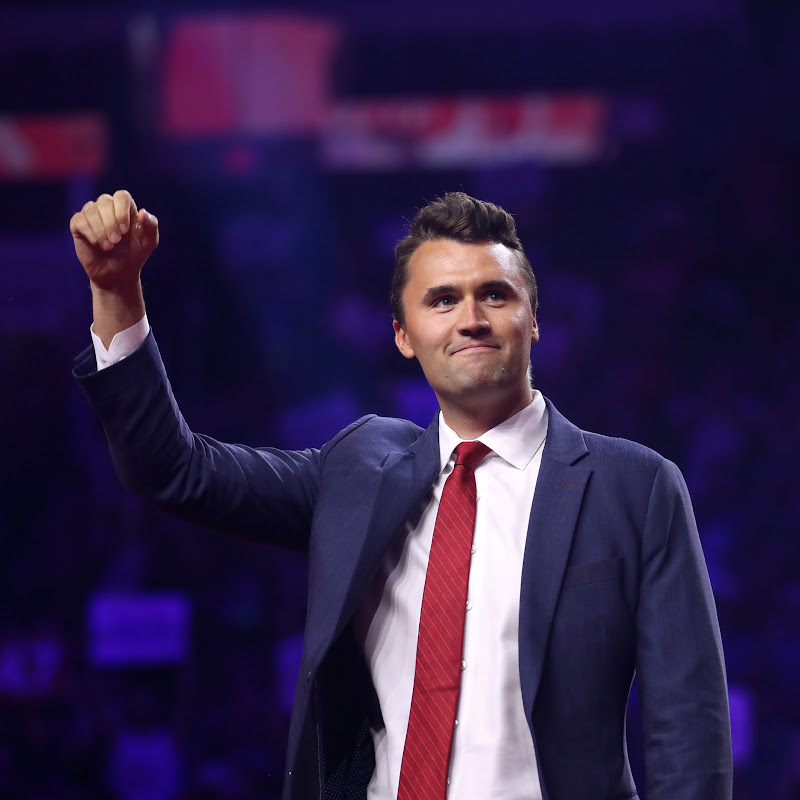
Charlie Kirk is the Founder and President of Turning Point USA, the largest and fastest growing conservative youth activist organization in the country with over 250,000 student members, over 150 full-time staff, and a presence on over 2,000 high school and college campuses nationwide. Charlie is also the Chairman of Students for Trump, which aims to activate one million new college voters on campuses in battleground states in the lead up to the 2020 presidential election. His social media reaches over 100 million people per month and according to Axios, he is one of the "top 10 most engaged" Twitter handles in the world. He is also the host of “The Charlie Kirk Show,” which regularly ranks among the top news shows on Apple podcast charts.
Charlie Kirk Explains Why Full Marijuana Legalization Is a False Promise of Liberty and Harms Communities
Charlie Kirk addresses a question about marijuana legalization, arguing that it represents a false promise of liberty. Drawing on examples from Denver, Las Vegas, Los Angeles, and San Francisco, Kirk contends that legalization makes cities messier, dirtier, and objectively unpleasant to live in. He challenges the libertarian argument that conservatives should support legalization in the name of limited government, asserting instead that laws should reflect what is virtuous and good. Kirk presents evidence that the marijuana lobby's promises in Denver were wrong, citing increased usage rates, more young people in ICUs, and rising crime rates in areas where weed has been legalized.
A self-described conservative originally from California posed a question to Charlie Kirk about the exact issues with full marijuana legalization. Kirk's response was comprehensive, tackling the topic from multiple angles including quality of life, public policy outcomes, and philosophical concerns about virtue and liberty.
The Impact on Quality of Life in Cities
Kirk began by pointing to observable changes in cities that have legalized marijuana. He identified Denver, Las Vegas, Los Angeles, and San Francisco as examples of places that have become messier, dirtier, and objectively unpleasant to live in following legalization. Kirk suggested that when weed is legalized, it fundamentally changes the character of a community in negative ways that affect residents' daily lives.
He inquired about Idaho's status regarding marijuana legalization, noting that Oregon has already legalized it across the state. These geographic examples served to illustrate a pattern Kirk sees emerging across the Mountain West and other regions that have pursued legalization.
Addressing the Libertarian Limited Government Argument
Kirk tackled what he described as a trap that conservatives sometimes fall into regarding marijuana policy. The libertarian argument suggests that if conservatives truly believe in limited government, they should support the legalization of marijuana. Kirk rejected this framework, arguing that it represents a false promise of liberty.
He explained that conservatives should make clear stances about what is virtuous and good, and that laws should ideally reflect these values. Kirk distinguished between the philosophical question of whether marijuana should be legal and the separate conversation about appropriate criminal penalties, noting that he's open to discussing whether 20-year prison sentences for marijuana possession are appropriate.
Broken Promises from the Marijuana Lobby
Kirk presented specific claims made by marijuana advocates in Denver that he says were proven false by actual outcomes. He outlined what he called the top five promises that turned out to be wrong:
The claim that marijuana usage rates would go down after legalization has been contradicted by reality, as usage rates have actually gone up
The promise that young people wouldn't be exposed to marijuana has failed, with more young people going into the ICU for marijuana-related issues than ever before in Colorado and Denver
Crime rates have increased in areas where marijuana has been legalized, contrary to promises from legalization advocates
The challenge of enforcing driving under the influence laws for marijuana has proven more difficult than anticipated
These empirical observations formed the backbone of Kirk's policy-based objections to legalization, suggesting that the real-world outcomes contradict the theoretical benefits promoted by legalization advocates.
The Personal and Cultural Impact of Marijuana Use
Kirk then shifted to a more philosophical and personal assessment of marijuana use. He acknowledged that his views might offend some people and that Joe Rogan would likely disagree with him, but he stated his beliefs clearly regardless.
Kirk's position is that marijuana is fundamentally bad for people. He argued that weed makes people lazier and makes them less whole as human beings. While he acknowledged that marijuana might have legitimate medical applications in certain circumstances and could potentially be better than some pharmaceutical alternatives, he characterized these as small exceptions rather than the rule.
As a lifestyle drug, Kirk firmly rejected marijuana use. He stated that he doesn't believe someone can be a great person while using weed every single day. Instead of being a productive use of time and energy, Kirk argued that marijuana use actually diminishes the soul in a certain sense.
Standing Firm on Principle
Kirk concluded by affirming his commitment to continuing to stand against marijuana legalization and normalization. His position integrates both empirical concerns about policy outcomes and philosophical concerns about virtue, human flourishing, and the proper role of government in promoting the good life.
The response reflected Kirk's broader conservative philosophy that freedom isn't simply the absence of restrictions, but rather the ability to pursue virtue and excellence. From this perspective, marijuana legalization represents not expanded liberty but rather a false promise that ultimately undermines human flourishing and community well-being.