Charlie Kirk Warns of Hidden Socialist Sleeper Cells That Could Destroy America in 2020
Enjoying this? Share it with someone who needs to see it.
Up Next
Cenk Uygur and Charlie Kirk Unite on Populist Issues Despite Deep Political Divides
25:02
Charlie Kirk Warns of Socialist Sleeper Cells That Could Destroy America in 2020 Election
40:55
Ben Shapiro and Charlie Kirk Debate Trump's Conservative Legacy and the Bernie Sanders Threat
58:54
Charlie Kirk Warns of Hidden Socialist Sleeper Cells That Could Destroy America in 2020
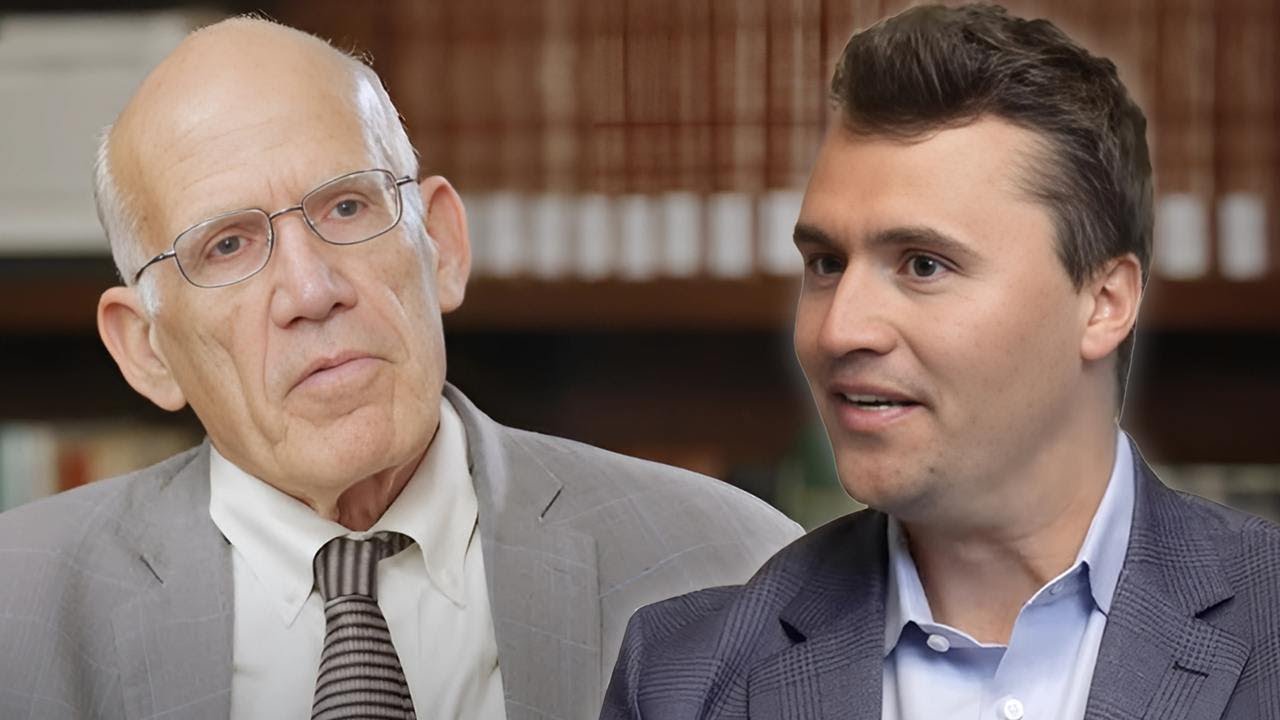
Charlie Kirk sits down to discuss the 2020 election and issues a stark warning that flies in the face of conventional Republican wisdom. While GOP donors and political insiders confidently predict a landslide Trump victory, Kirk sees something far more dangerous brewing beneath the surface: sleeper cells of socialists hidden across college campuses and American society. The founder of Turning Point USA and host of The Charlie Kirk Show explains why taking victory laps fourteen months before an election could lead to catastrophic defeat, what the MAGA Doctrine really means, and why the battle for 2020 will be a referendum on the very idea of America itself. From trade wars with China to the decline of religious institutions, Kirk offers an unfiltered perspective on the threats facing Western civilization and the coalition needed to preserve it.
The Dangerous Complacency of Conservative Overconfidence
Charlie Kirk delivers a sobering assessment of the political landscape heading into the 2020 presidential election. Despite traveling to 37 states and encountering universal optimism about President Trump's reelection prospects, Kirk identifies a troubling pattern: Republican donors, reporters, and activists have convinced themselves that victory is inevitable. The equation they repeat is simple—they like Trump's policies if not his style, they hate the radical Democrats, therefore Trump will win. Kirk finds this logic dangerously flawed.
As a self-described contrarian by nature, Kirk refuses to accept this comfortable narrative. He poses a critical question: what if the data tells a different story? Drawing from his extensive experience speaking on college campuses through Turning Point USA, Kirk observes that the radical left-wing activists who protest conservative speakers aren't likely to support moderate candidates like Joe Biden. Instead, they represent a motivated base that would turn out in massive numbers for candidates like Elizabeth Warren or Bernie Sanders. This surge in youth voter turnout, Kirk argues, could completely throw off traditional voter models—just as lower-than-expected youth turnout helped Trump win in 2016.
The Hidden Socialist Threat Across America
Kirk's Newsweek op-ed warned of socialist sleeper cells throughout American society, a threat he believes is far more serious than most conservatives acknowledge. He draws a parallel to hidden Trump voters in 2016, suggesting there may be hidden socialist voters waiting to mobilize. The evidence, he argues, is all around us. When you combine Green Party voters with Hillary Clinton's deficit in states like Wisconsin, the math shows she would have won the presidency. These far-left voters exist in significant numbers but often go undetected in conventional polling.
The radicalization of American society, Kirk warns, follows Ernest Hemingway's description of bankruptcy: it happens gradually, then suddenly. Five years ago, the notion that a man could be a woman and that most Americans would accept this idea seemed absurd. Today, questioning this orthodoxy can result in losing your job, being kicked out of school, or being deplatformed from social media. This cultural revolution has accelerated at a pace that catches many conservatives off guard. Kirk believes we may be at the inflection point—the "suddenly" moment—where radical ideology becomes mainstream faster than anyone anticipated.
The MAGA Doctrine Explained
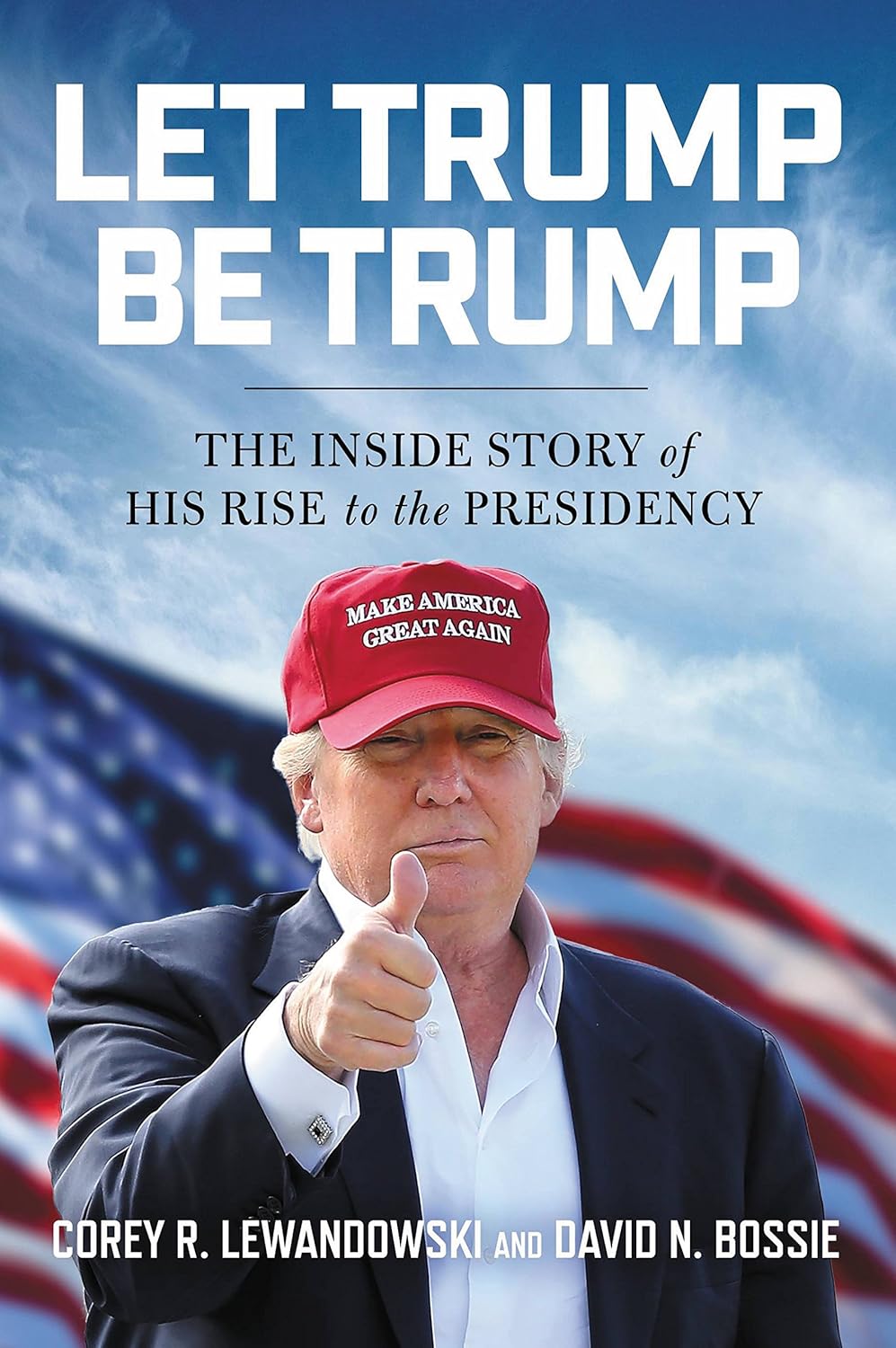
Kirk articulates what he calls the MAGA Doctrine, a comprehensive framework for understanding Trump's approach to revitalizing America. The doctrine begins with two foundational premises: first, America is the greatest country ever to exist in the history of the world. Second, America has been heading in the wrong direction for approximately the last thirty years, post-Reagan era, with both political parties contributing equally to this decline.
If you accept both premises—that America is the greatest nation and that it has been declining—then revitalization becomes necessary. However, Kirk notes that such revitalization is historically improbable. Civilizations typically follow an arc of rise and fall, with at most one period of resurgence. Reagan provided that resurgence in the 1980s, making Trump's effort to achieve a second "great again" moment historically unprecedented. Trump is essentially attempting what Cicero failed to accomplish in preventing Rome's decay.
The MAGA Doctrine consists of several key policy areas that have proven timeless in fighting civilizational decline:
Strong borders and recognition of national sovereignty
A vibrant American working class
Ending endless wars—only engaging in conflicts where victory can be clearly defined
An unapologetic defense of American cultural icons, symbols, values, and traditions
Kirk credits Trump with executing this doctrine brilliantly, particularly in his willingness to speak boldly about American exceptionalism. Trump unapologetically declares that America sits atop a hierarchy of nations—not just as the strongest and mightiest, but also as the most generous, benevolent, creative, and charitable country in history. When disasters strike anywhere in the world, it's Americans, not Belgians, who show up to help.
The Philosophical Battle for America's Soul
The 2020 election, Kirk argues, will fundamentally be a referendum on the idea of America itself. The choice is stark: Are we a nation of victims or victors? Are we grateful or angry that we live in America? Do we love or hate our country? If Trump can successfully frame the debate in these terms, Kirk believes he will win decisively. However, he cautions that America in 2020 is vastly different from America in 1984 when Reagan won 49 states against Walter Mondale, or 1972 when Nixon crushed George McGovern.
The country has changed demographically and culturally. More young people attend what Kirk describes as "indoctrination factories"—universities that promote left-wing ideology. The welfare state has expanded dramatically. Public schools have shifted further left in their curricula and approach. The idea that Republicans will win a 49-state landslide in this environment is wishful thinking disconnected from reality.
Kirk points to Supreme Court confirmations as evidence of this cultural shift. In previous eras, Supreme Court nominees from both parties received near-unanimous support. Since Robert Bork, and especially with Clarence Thomas and Brett Kavanaugh, the left has weaponized the confirmation process to destroy conservative nominees. Clarence Thomas himself described his confirmation hearing as a "high-tech lynching." Meanwhile, Republicans rarely put up comparable resistance to Democratic nominees—Merrick Garland being the notable exception, where Mitch McConnell made the correct strategic decision.
The Religious Crisis and the Socialist Infection of Churches
Beyond the political threat, Kirk identifies a deeper spiritual crisis affecting America's religious institutions. The role of voluntary social institutions, particularly churches, is uniquely American. In Europe, as churches declined, compulsory government institutions filled the void. The same pattern threatens America. Churches at their best distill complex cultural issues and take definitive moral stances, while also serving as the primary vehicle for charity and community support.
Kirk credits the Catholic Church with preserving and transmitting scripture, and names Augustine and Thomas Aquinas among his favorite writers. He specifically praises Aquinas's Just War Theory as a model for foreign policy that America has unfortunately abandoned in favor of offensive wars. However, he expresses serious concern about the current state of religious institutions, including criticism of Pope Francis for embracing socialist-adjacent ideas rather than continuing the anti-socialist tradition of Leo XIII and John Paul II.
Pope Leo XIII called socialism a "wicked confederacy" and a "pest" that was "inhuman" and "must be utterly resisted." John Paul II, alongside Reagan and Thatcher, helped bring down Soviet communism, drawing over a million people in Poland with chants of "We want God." Modern religious leaders who embrace socialist ideas betray this legacy and corrupt theology for political ends.
Kirk shares his personal experience traveling to various Protestant churches across America. Despite his preference for what he calls "mega churches" where he finds more intimacy and connection, he encounters a disturbing trend: young churchgoers who identify as left-wing and even socialist. This represents a corruption of theology for political means. He recounts attending his childhood Presbyterian church (the more liberal PCUSA branch) and feeling like he was watching "Rachel Maddow with organ music" or "MSNBC with scripture readings" where political attacks on the president were wrapped in theological language.
Yet Kirk sees some hope. He observes that traditional Latin masses, which are longer and more rigorous, attract primarily young people with large families, while short, entertainment-focused services draw older congregations. This suggests a hunger among young people for orthodoxy, order, and reality in a culture gone mad with fantasy and delusion.
China, Russia, and the Geopolitical Chessboard
Kirk addresses what he sees as a deliberate misunderstanding of geopolitical threats. Throughout the Cold War, America successfully played China off Russia and Russia off China—when Russia posed the bigger threat, America opened relations with China (remember ping-pong diplomacy). Now that China clearly represents the greater threat, the strategy should involve playing Russia off China. Instead, Democrats who spent a hundred years downplaying Soviet threats (remember Lincoln Steffens saying "I have seen the future, and it works") now suddenly position themselves as Russia hawks.
The facts about Russia don't support this newfound panic. Russia has an aging population, one-third the size of America's. They face massive social problems and produce next to nothing economically. They represent less of a threat than ever before. Meanwhile, China cheats on trade deals, illegally subsidizes industries, locks Muslims in concentration camps, and threatens to crush Hong Kong. The left remains conspicuously silent about actual concentration camps for Muslims in China, Kirk notes, because those camps aren't in Arizona.
Kirk predicts China will heavily interfere in the 2020 election through proxies, possibly including North Korea, in ways that will make alleged Russian interference look minor by comparison. China has every incentive to undermine Trump and make him appear weak or wrong on the international stage.
Building the Winning Coalition for the Future
Kirk outlines what he believes should be the Republican coalition going forward, arguing that conservatives need to break free from coastal elitist universities and think tanks that treat non-college-educated Americans as somehow less worthy of engagement in political conversation. Reagan succeeded by reaching these Americans. Trump succeeds the same way. The Republican establishment often fails because of pervasive elitism that dismisses opinions from anyone who didn't attend the "correct" northeastern university.
Kirk identifies four groups that should form the core Republican coalition:
Libertarians - People who hate government and value personal freedom. Kirk acknowledges some areas of disagreement but sees them as natural allies. He draws the line at pro-choice libertarianism but otherwise advocates for personal freedom, including on issues where he personally wouldn't make the same choices.
Religious Americans - Anyone for whom religion forms a core part of their daily life and identity. This includes various faiths—Protestantism, Catholicism, Judaism, and others—though Kirk excludes what he jokingly calls "Marianne Williamson-ism."
Early Risers - Kirk only half-jokingly suggests that every American who wakes up before 7:00 AM should be Republican. These are people who must muster strength to get to work—carpenters, teachers, pipe fitters. He argues Republicans should be the "hard work nation party" and suggests limiting voting hours to 8:00 AM would result in Republican landslides. He contrasts these hardworking Americans with hedge fund managers and emphasizes that the party should speak to the 50,000 teachers in Missouri rather than chasing elite donors.
Doctrinaire Conservatives - The 8-10 million people who listen to Rush Limbaugh and Ben Shapiro, read conservative books, and formed the Tea Party movement. These engaged, informed conservatives form an essential base.
This coalition of libertarians, religious Americans, hardworking early risers, and engaged conservatives represents approximately 65 million people—enough to win any election. Kirk argues Republicans should let Democrats chase people who sleep until 10:00 AM and contribute little to society. While he cares about them as human beings, he doesn't want to build a political party around them, and they're certainly not reliable for ground-game activities like door-knocking.
Trump's Three Vulnerabilities Heading into 2020
Kirk acknowledges three potential vulnerabilities for Trump's reelection campaign, though he believes none are insurmountable. First, Hillary Clinton was a uniquely detestable candidate. Even Joe Biden, whom Kirk considers a "total doofus," appears more likeable by comparison—"like Elvis Presley compared to Hillary Clinton." A less polarizing Democratic nominee could pose a greater challenge.
Second, the possibility of economic difficulty looms. America has enjoyed an incredibly long bull run, but the trade war with China creates uncertainty. Kirk dismisses much of the recession talk as coming from "economic hypochondriacs" trying to talk the country into a downturn. He references Ludwig von Mises's concept of the economy as trillions of inputs of human action—when millions of people change their behavior based on negative expectations, they can create a self-fulfilling prophecy. Bill Maher explicitly said a recession would be "worth it" to defeat Trump, meaning he's willing to see hardworking Americans in Idaho and Illinois suffer through a horrible Christmas just to be right at cocktail parties. Maher and his wealthy friends would be fine in a recession, but working-class Americans would suffer.
Third, the wall remains an unfulfilled promise. Trump campaigned on building a "big beautiful wall" along the southern border. While a Supreme Court decision allowed for 100 miles of construction, and some may be built before the election, the signature campaign promise remains largely incomplete. This could depress turnout among Trump's base or provide ammunition for critics.
Despite these vulnerabilities, Kirk believes Trump can overcome all of them, even an economic downturn, because the fundamentals remain strong and Trump has demonstrated an almost superhuman ability to withstand adversity. He notes that eight months prior, every political conversation centered on Robert Mueller and the Russia investigation. Mueller's disastrous congressional testimony, where he couldn't even remember his own name, ended that narrative completely. Yet Kirk criticizes conservatives for being too quick to forgive and move on rather than seeking political revenge for two years of false accusations.
The Democratic Primary: Warren Rises, Biden Falls
Kirk predicts Joe Biden will not be the Democratic nominee despite his polling strength. Biden has "no spirit, no charisma, no stamina" and is a "gaffe machine" who poses minimal threat to Trump. Instead, Kirk believes Elizabeth Warren will secure the nomination. She's raising substantial money and making the case that she can beat Donald Trump—the Democrats' number one priority. Warren presents as "thoughtful angry" rather than the confused anger of Marianne Williamson, who Kirk jokes operates on "some sort of extraterrestrial existence" where you need to understand your horoscope.
Warren demonstrates more populist energy and grassroots support than other Democratic candidates. Kirk finds it remarkable that a Harvard Law professor—"the whitest woman to ever live who pretended to be an Indian for 30 years"—genuinely connects with progressive voters. Bernie Sanders will fade and likely anoint Warren as his heir apparent, especially since she's adopted most of his policy platform.
However, Kirk emphasizes that Republicans must take every potential Democratic nominee seriously, whether it's Pete Buttigieg, Robert Francis O'Rourke, or anyone else. Warren will "play for keeps" and "do whatever it takes." The left will do whatever it takes. Any hint of underestimating the opposition could prove fatal.
A Call to Action
Kirk concludes by promoting his various platforms and organizations. The Charlie Kirk Show is available on Apple Podcasts where listeners can subscribe. Turning Point USA's Student Action Summit takes place in December—thousands of students gathering for what Kirk describes as an amazing, high-energy event. Information is available at TPUSA.com/SAS.
Kirk also runs Students for Trump through Turning Point Action, a 501(c)(4) organization separate from Turning Point USA's 501(c)(3) educational mission. This distinction matters for legal and regulatory compliance.
His fundamental message remains urgent: getting Trump reelected represents the most important political objective of our lifetime. This is a moment where America will either be saved or lost. While people often say "this is the most important election of our lifetime" every four years, Kirk argues there's truth to the repetition—each election becomes more critical as the country drifts further from its founding vision. That's why winning in 2020 carries such enormous stakes. Kirk emphasizes that Trump "is saving Western civilization" and deserves more vocal support from conservatives who sometimes remain quiet. Together, conservatives must work everywhere they can to secure victory and preserve the American experiment.
Video Transcript
hey guys so my pal Charlie Kirk was coming through LA and I said you cannot leave LA before you come into my studio and hang out for at least half an hour so we covered everything from 2020 politics to students for Trump to religion and everything in between charlie is the founder of TP USA he's the head of Students for Trump he is the host of the Charlie Kirk show the guy does everything and I think he lives on an airplane if you guys want to keep saying more of this content let me know and I'll invite more of my friends over when they come through town enjoy [Music] I'm going on man hey Michael thanks for having me I see you in any city that I'm in that's where you are that's correct you are you are in four cities a day I think and you were living on an airplane for the rest of that time yes I figured out the the metaphysical impossibility of being in one more than one place at one cigarette you gotta let me know your secret at some point yes uh it's anyway thanks for having me huge fan I love listen your podcasts there's very few things I listen to oh listen to Russia listen to Prager I listen to you I listen to Ben yeah it's daily wire rush Prager I appreciate that I you know I actually not to flatter you but I both want to flatter you and admonish you because usually you give me a lot of hope you're flying all over the country you're spreading this great message of love of country and liberty and freedom I've gone to a number of TP USA events I always have a great time and then you come out with this op-ed in Newsweek that has me very worried because you say that there are these sleeper cells of socialists who could destroy our country and nobody is paying sufficient attention that's correct so I'm a contrarian by Nature that's just who I am I suspected that yeah I got that impression and so I I couldn't be a more firm supporter of the President what he's doing I mean he's saving Western civilization there's no doubt about it I mean his policies has his worldview his he's doing unbelievably well and I got I have the Hat I don't have the Hat unfortunate not so we should have had Matt he deserves to be convincingly re-elected in a 1972 or 1984 landslide yeah yeah however he probably won't win in a landslide like that so everywhere because I think if the election were held today he would win fifty seven states okay yeah but you think there's a more of a threat I've been on 37 states right exactly um look so everywhere I go people are telling me that Trump's gonna win so when I mean everybody from reporters to the to them from the New York Times to GOP donors and especially the donors and the equation works like this is I like Trump what he's doing I don't like his style everyone write that okay if I'm sure they put that in the box but I really hate the Democrats Democrats are so radical therefore Trump will win reelection this is the a plus but you hear this non-stop everywhere you go right and so then I say to myself do I believe that that's that so then I think I'm not just gonna digest that pablum may might be true there's Pavel and that's true sometimes sure and so then I say what it is is this correct and I say to myself first of all um I think I think he should win but he's up against a massive media machine he's up against a social media conglomeration that will do everything they can to manipulate shut him in the election and then finally from base when I see addict totally and what I see in the data I think there are far more people that will embrace radical left-wing ideology than we would ever believe and so let's take the college kids you speak at a lot of college campuses you do it really well you know this is what we do at Turning Point USA every single day do most of the college activists that protest you or protest me you think they're gonna go and support Joe Biden I mean some might but they would be out in droves to support Elizabeth Warren yeah and Bernie Sanders so I think it's fair to say that if Elizabeth Warren or Sanders gets nominated someone of that ilk there'd be boosted turnout amongst younger voters well boost the turnout on campus throws off all the voter models right one of the main reasons why Hillary Clinton won in 2016 is lower than usual voter turnout you use voter turnout right and she had a lot a good dead voter turnout that's what he didn't have a ton of youth vote yes so she spiked she spiked the deceased she did quite well in the deceased community I think Epstein's gonna vote for her though I take the fifth so but so look I that there are people like they were hidden Trump voters I believe there's hidden socialist voters out there yeah I think this country is more way further the left than we ever realized and I and we want to admit just take how many people vote for the Green Party if you add the Green Party plus Hillary Clinton's deficit in Wisconsin she's president you know there's this thing that Hemingway described he was describing Ernest Hemingway or Molly honey did not I wish it were Molly but this is earnest and like what earnest said is he was describing someone going bankrupt and he said it happened gradually then suddenly mm-hmm and I think that's what's happening with such a Hemingway it's a yeah very Pippi has climax it has trow it pros and then boom and then it hits you exactly this I think is what's happening with radicalism you know you you see these same polls more than half of young Americans identify as socialists even though only about thirty percent can define what socialism is five years ago if you had told me that a man can really be a woman and that most Americans would think a man can really be we I'd laugh in your face nobody would believe yes and yet because of the results of a cultural revolution that's going on and on and on these days if you say that a man cannot be a woman you could be kicked off that's correct you could lose your job you could be kicked out of school things happen gradually then suddenly so what does this mean for 2020 or we at the suddenly press so I think it's an inflection point I still think Trump is gonna win and I'm in at everything in Canada I'm gonna do everything I can to make sure he wins yeah but I I don't like all of a sudden taking victory laps fourteen months ahead of an election which I figure is if that's the tone of the movement right now I can't go to one place out someone saying that Trump is gonna win yeah I can't I can't find that gathering and I was like this is not this is first of all that's not that's not there's no way to win first of all yeah I mean just just ask Buster Douglas okay Buster Douglas Mike Tyson 42 to one odds okay you think you're gonna win and all of a sudden you lose in Tokyo you're okay and if and everyone if that's above your head good okay I love sports I think sports are a great metaphor for I know I'm the only one we don't allow on this show is soccer but I guess that's a conversation for another time correct yeah I'd say it's let the Europeans figure out how to tie how could you tie in this point how could and as soon as the NFL brought into tying they also brought in kneeling that I know direct correlation and I think no conspiracy collusion that's right allusion against the the anti meritocracy culture that the left is trying to create so look here's the thing I try to I'm trying to offer some sobriety to our movement first of all I think the left is gonna be more to determine than ever then defeat Donald Trump I think there's more socialists on the fringe they're gonna show up at a pure hatred to destroy this guy yeah and I think the we have to win the Democrats don't have to lose that's a big difference if we're counting on winning because of how bad they are we're going to lose we have to go for the jugular we have to and metaphorically jugular okay auntie for media matters people whatever I know you're there writing the media matters hit a piece on your qualifying it okay right and then of for go for the jugular okay when auntie foot literally goes for the jaw okay that we have to sit we have to say so boldly and definitively who we are as a country what is this country stand for the the whole Trump doctrine the Mogga doctrine if you do what is it what is the magazine and I have the book coming out in February actually I can't wait is that for us yeah that was really good right there right in the strike zone the mega Doctrine is this number one you have to you have to admit one thing America is the greatest country ever to exist in the history of the world that's number one you don't admit that you got some other doctrines missus some Iranian doctrine or something right it's not rather with us or a guy exactly if you believe that you believe in something else but I don't know what what it is but you have the first lay out number two you have to believe America has been heading in the wrong direction generally in the last thirty years hmm it's post Donald Regan so to to both parties both parties have been equally contributing to this those are the two things you believe those two things welcome to the mago doctrine because then you have to believe that if we've been heading in the wrong direction and we are the greatest country then a revitalization is necessary now understanding that a revitalization is historically improbable because we're taught in history class that usually there's the arca civilizations right so there's this general upward trajectory and then you have a little dip and then you have a smaller surgeons and in total decline well then historians would say the eighties was our resurgence right like Reagan was the great again moment but to have two great again moments has that ever happened so Trump is going up against the historical impossibility to try to fight the endless wars the corrupt politicians essentially cicero's Rome is really what you'll decay exactly Malaya and so what what is the Magadh doctrine it is what set of policies can i implement that have proven to be timeless and hit in the history of civilization to fight back the decay of civilizations number one strong borders and recognition of sovereignty number two a vibrant american working class number three ending the endless wars declaring war in a country that looks us us at a silly is the dumbest thing and Trump is doing this spectacularly well over overseas what he's doing and in the Afghanistan war but even he's had trouble getting out of Afghanistan out of Syria because because look the permanent military class wants us to be in these endless wars where there's if you came find victory why are you engaged in the conflict if you can't define a goal you were right and why you asked these five-star generals what is what does success look like well we have to fight them there so don't fight them here well that's the dumbest thing I've ever heard I mean that no wait could you create a foreign policy around fighting every enemy around the world on their own terrain so anyway the final thing is this and this is the most important thing is an unapologetic defense of our cultural icons symbols values and traditions that's how you you revitalize a country so the manga doctrine is a revitalization almost a resuscitation of a country that was so going in the wrong direction cultural decline economic decline and so he's turned around the economy he's defended our core objects and symbols our flag our tradition our symbol salutely I know I'm probably my favorite thing that he's done is he's actually spoken at a fundamental and cultural level about the things that we hold dear is against the things that we hold sacred together the flag our national history totally our founding fathers against a whole leftist culture and that's that tries to tear it down let me tell you another thing that he holds near and dear is that we are the best and we should own it on her sleeve there's a hierarchy of nations and we are the greatest country out there were the strongest we're the mightiest we'd the biggest army but guess what we're also the most generous the most benevolent the most creative most likely to send people when there's a hurricane a tsunami an earthquake or a flood we step up it's not the Belgians iced over the most charitable country in the history of the world there's no doubt and so so that's what the magadh doctrine is and I think we have to talk in terms of you know you and I that really get into the nuts and bolts the philosophy on the economics of all this I think he doesn't get enough credit for what he's actually done philosophically and and and on the policy side and going going in 2020 it's going to be a it's been gonna be a referendum on they'd be of America so referendum on the idea of America in a sense are we a nation of victims or a nation of victors are we are we thankful that we live in America are we angry that we live in America do we love our country do we hate our country but that's basically it right and so if Trump frames the debate like this yeah he will win he will win he will win I think decisively and assertively and I think but recognizing that the country we live today is not the country in 1984 not the Orwellian 1984 but the Reagan versus Mondale 1980 right but so the question is what kind of election are we headed for the conventional wisdom and Republican circles it boy this feels like 1972 we're a much different country than we were in 1972 okay right we have more kids going to indoctrination factories demography we've changed tremendously the welfare state is much bigger the public schools have more of an increase so the idea that we're gonna win a 49 state landslide and we're running into George McGovern who is whatever or Walter Mondale an 84 I know I don't accept the premise of course I mean you can even look at the Supreme Court confirmations right when you have Supreme Court nominees of either party being confirmed by virtually unanimous support right until Robert Bork and then even after Robert Bork you get a certain you know this is something a great point it's such a great point okay so now but they're the left is the only one that demagogues Supreme Court nominees when was the last time I mean Merrick garland was the only time that a Republican stood up but thank goodness Mitch McConnell is I did with Harambee but miss McConnell did the correct thing with Merrick garland that's the only exception but Bork and Cavanaugh I mean boy do they cause trouble and anyone's Thomas my goodness they try to publicly destroy him and Clarence Thomas's own words you know I mean this was a pub who's a modern day lynching high-tech lynching that's correct right and they do it be President Trump just the other day he took aim what we all suspected he was taking aim at was Sean Hannity who's a friend of his but Hannity was covering for Chris Chris Cuomo on CNN because Cuomo was accosted in public and Hannity said oh you know company was called Nero or something it was crazy yeah what was that word I don't know word right afraid I call them near as a joke cuz I mean I would say that if in Italian it'd be worse to be called Nero than fret I mean I would be upset if someone called me Nero and that is literally the Italian n-word that you just made a great point you're right that is the Italian n-word I mean it's actually the Italian say that word Nero that's our word Charlie that's our word what you Catholics are you Italians yes okay yes sure no we own all history we are the Catholic Church okay right yeah I know I love your Martin Luther thing by the way do you like we're gonna have a whole theological debate here I know I love a good rebellion against the corrupt institution do you know I always try to be ecumenical I invite even Martin Luther to my set I'm a living one of them you are at a living embodiment of this I actually I read a communion after or I actually I even it's pains me to do it I want to pay a compliment to at the expense of the Catholic Church to the Protestants okay in this country the only religious group that reliably votes the right way are the evangelicals it's not the Catholics you know why why is that because they read the Bible they do read the Bible more that's true well you know I you know what I actually think I think how kidding might I have my family's Catholic I have great respect for the Catholic Church in the Catholic tradition I really do I don't know a great point because this is my issue with the Catholics in America half the Catholics in America they say they're Catholic and yet they support abortion and now these days it's abortion up until the moment of birth the guy in New York the governor Democratic Governor Andrew Cuomo who allowed for abortion up until the moment of birth nominally is a Catholic now that's because they say we're culturally Catholic whereas you don't see a whole lot of people who are culturally evangelical you gotta kind of I call these people chinos Catholics and name on like it yes Catholics in name only what do you I mean you're worried about the socialist sleeper cells yes worried about even beyond the cultural level at the religious left sure we've got talked at length about this you've got a whole generation of young Americans yeah who are there not even atheists there none there Annihilus ly unaffiliated roll on they've been raised in a nihilistic culture that's correct is there any hope for America if we don't turn around that religious decline it's hard the answer is more complicated than yes or no um it's hard to see it's hard to see without a strong religious backbone how this country will continue to succeed right that what may look this country is so unique we take it so for granted but we are the most diverse country ever to exist in the history of the world and not just racial diversity about religious diversity I mean and this is this is so critically important because when when look the the amount of whether it be Protestantism or Catholicism or Judaism or what Islam or whatever that you could practice in this country we're Marianne Williamson ISM I don't know why whatever after yeah do you have to do of crystals do I got my chakras sitar music or a shaman think she was a shaman in a previous life force if you don't know what a shaman is look it up look the the chert and look I will I will pay a huge amount of compliment to the Catholic tradition because if it wasn't for the Catholics on we obviously wouldn't have the Bible and two of my favorite writers Aquinas and Agustin obviously we're in the Catholic tradition yeah and I think that we could learn a lot of our foreign policy doctrine from Aquinas to Just War Theory right and I think that we've strayed away from that and that we've gotten to an offensive war theory and I think that is a really big devolution but of course you know the binary choice of the City of God in the City of Man which I can if there's a customer Aquinas I can't remember which one City of God is a suggestion it was rig Austin okay yeah I get that going confused there's a but there also weren't to say we're also big fan one was fan of the other because one came 800 years before the other yeah but anyway the point being is that um to answer your question about America the the role of the church and the role of religious institutions is so uniquely American because Europe has has turned their back run on voluntary social construct institutions yeah so instead they go to compulsory social constructs institutions institutions the government bureaucracy and so just from a charitable standpoint as the church decreases in its role and stature in America it contributes to a moral decline and where the church is at its best is being able to distill really hard cultural issues and take definitive stances on yeah and look look no further in the 1980s I mean people like to say the the alliance of Maggie Thatcher and Ronald Reagan but people forget hold on a second there was john paul ii right who was also a huge anti-communist and when he went to poland i mean he was he he helped sow the seeds of the end of the Soviet Venera massed million people in the England we want god that's right that was the chant imagine if you had that because he was a freedom fighting pope and he gets no credit for it and and importantly to he wrote about the evils of socialism he talks about he in his catechism he wrote about it need and and he wrote in a famous encyclical chant as a moose honors he wrote about free markets open markets a leo xiii another great pope called so ilysm a wicked Confederacy called them pests said it was inhuman said that it must be utterly resisted and yet these days from Pope Francis hath liqu leaders and some other other Protestant leaders you see an embrace an idea that Jesus was some kind of hippie social I'm so glad you brought this up and this is something that I'm gonna take on more and more personally in a couple projects you know I've talked about this yeah which is look the I meet more and when i go to and i and i'm and i'm in amman Jellicle so you know our we are we have church service more than an hour so when I go to yeah when I go to the Latin one I'll go on yeah right on an hour right that's you just right there only seven-minute like if it goes if it goes more than seven minutes or not there's not price it depends on the priest some you want it to go for two hours some like about four minutes and it's like too much actually and so maybe they bring it down to three that's great now I I have great respect for the Catholic tradition but anyway you know I'll go to I I travel a lot and I'll go to a lot of different Protestant churches but I love for me I'm actually contrarian in the Semite rich selection go figure I find more intimacy in mega churches so I like really really big churches I just I actually find more of a connection it's kind of that old Gatsby thing the best place to feel you know to either most lonely place in the world the most connected place in the world can be in a big party yeah yeah and so I love I love the lights and I love the praise I love it I just about the music I might such a big fan okay don't song music the Buffum usik all for it isn't that Hillsong guy like an atheist now or something that was one of the praise leaders that's a that will pray for him right answer but look so I'll go and I'll mingle afterwards and I'll tell you Michael the young the young churchgoers there's a lot of left wingers and a lot of socialists that are amongst this yea Evangelical Protestant community and this is really really really concerning because it is the it is the corruption of theology for political means and so I like to say I go to I grew up in the Presbyterian Church and I grew up in the more leftist part the press train George the divide it's the FPC a and FPC USA right I get them confused but one of them super liberal one of them is pretty good I grew up another liberal and so I went five years ago and I felt like I was watching Rachel Maddow with organ music it was it was it was like watching MSNBC you know while in-between scripture readings where they would say all political stuff basically you know we have to pray for our country I'm it's horrible president and all this sort of stuff and then they would use theology and scripture to justify that it was really bizarre no I do have a little bit of hope on this though because I agree I was raised in in the Catholic Church which became very left-wing openly left-wing especially after vatican ii and you had a watering down of the liturgy and you had a lot of kind of feel-good stuff the theologian Reinhold Niebuhr described it as a God without wrath leading a people without sin and you love your German theologian yes sir there you go through the ministrations of a Christ with that across and this kind of soapy religion I think chased a lot of people away sure now when I go to church because you're a lot of Catholic masses are like 45 minutes 15 I'm saying it's the pee it's the drive by but you know you go to those and when I go into those I find it's the blue hairs it's the older people it's there aren't a lot of people in there anyway a lot of people aren't going to the sacraments the priest is telling jokes like a ham actor then I go to the Latin myths Latin mess in a language that nobody reads anymore it's an hour and a half long it's got smells and bells it's actually you have to go to confession you're there there's a real encouragement of the sacraments it's all the young people it's the average age is probably 25 and somehow they've all got ten kids already I don't know how that mathematically I don't even know how that works this seems to me that there is at least at a small level this longing among young people for reality for order for order for orthodoxy for Ruth and I you know you go to these college campuses I go to college yeses we'll just say basic truths I gave a talk at University of missouri-kansas city was called men are not women that's about as basic as it gets people fill the room why did they do it because in a culture that's gone mad with fantasy with delusion yeah saccharine sentiment people longed for the simple states correct of reality you know I think Trump does this very well that's that's exactly right and so to the other point about kind of the this is something that we to encounter head-on is within our own Christian ranks and the Catholic Church has already gone through this and I think it's actually coming back but the evangelical ranks we have not lived through this yet and we're starting to see it through some fights in the Southern Baptist Convention we're seeing my brother's word that it's becoming left it's becoming very leftist yeah and there's open conversations like well Jesus was socialists hold on a second Jesus is not a Marxist okay and what you and I could talk at length about this parable the talents he tested politics he was savior of the world not running for Roman Council my logic of the universe yeah it's just minor theological differences in details but I mean even the the scene when he chastises his followers for criticizing his having expensive perfume put on mm-hmm that's not just that that that scene alone should should dismiss this silly modern Marxist view yes of hippie socialists Jesus well he was also speaking individuals helping individuals and the individual's pathway to the salvation so what what gets misconstrued and I'm not misconstrued I think is actually just bigoted they intentionally misinterpret the theology because you actually go back you read John for example go back to the original Greek there's no way you could possibly interpret it as such where the the left will try to say well Jesus was talking in terms of collective and all this he really wasn't I mean you turned out a lot of his parables he was talking as you as the individual so the Good Samaritan you have to go outside of your comfort zone to help somebody but you might not want to help like that's it's not go call DHS and they're gonna you know come and some bureaucrats gonna go do good for you or I don't I must have missed the parable or I must miss to the the part in the gospel where Jesus said you know go form a government bureaucracy and you know you know I have a committee that meets from 9:00 to 5:00 every day pool your resources why in a widely inefficient way I must have missed that you know it occurs to me you're speaking obviously very in religious terms and this is traditional for conservatives especially in that post-war conservative movement you had the libertarians the traditionalists a religious right you had the communism Hawks they were all against this this common enemy which was the Soviet Union the cold war ends then what what does the conservative movement looked like such a great question so the the Soviet Union kept them all together is what that's why Reagan was able to build this coalition in 1980 and take over the party that he wasn't supposed to ever be at the nominee of right I mean in 76 Reagan tried to overthrow sitting president Gerald Ford in 1976 and he got to the convention floor and sort of half endorsed him didn't really endorse him but Reagan was a rebel and the reason why rate people thought Reagan was gonna lose in a landslide to Jimmy Carter and he won surprisingly sound familiar mmm and then all of a sudden he was the one that crushed the Soviet Union so what is our Soviet Union today well it's the left in our country the Soviet Union's no longer headquartered in Moscow there in Montana Michigan Mississippi and Missouri they're everywhere and only on the University campuses right well it's a center and then I'm in Hollywood and all this other so so look the the coalition that we have to build though yeah that Reagan got correct and Trump gets correct and I feel that our movement gets wrong so often is we have to break and you understand is we have to break our shackles away from these coastal elitist than at universities and these think tanks that think that if you're a carpenter a pipe fitter or you didn't go to four-year college or somehow less than worthy to have be engaged in the American conversation right that's what Reagan was successful that's where Trump is successful and I feel as if there's this elitism that permeates our movement where all of a sudden that if you didn't go to the correct University in the upper Northeast Corridor right any opinion you have is what well it's deplorable it's all this and the left says it our people don't so you know what it is it's also an emperor has no clothes in the situation because having gone to one of those correct universities in the northeast corner and I did go to one of them and you didn't go to one of them I didn't go to any you didn't go to any of them but you do have an honorary degree yes from Liberty and for Liberty everybody should go to the University yes but you know having gone there I can kind of see what's happened to it what the left has done to these universities which is to hollow them out from within so it's not to say that there's nothing to be gained at any of these places but what it is to say is the institution that's hobbling around and it looks like Harvard or Yale and it talks like Harvard or Yale it isn't what it used to be the left has gone on a long through the institutions and so what you are getting in the end is something that's simply not as academically serious scholarly scholar Lilly rigorous you're not getting that same quality of education so you have whole generations who are uneducated uncultured you know they're so damn convinced that they're the smartest people that they're hyper credentialed hyper credentialed so they have all the degrees but they know nothing right and they often have a lot of student debt right so they're they're they're in debt they're vulnerable and they have degrees up the wazoo and they there's no wisdom there's no knowledge there's no history no perspective no humility no definitely not they're constantly wrong but they're never in doubt that's exactly and so so you you mix all this together so look here's what the movement moving forward is number one we have to dominate and the Libertarians I know you and I might not see eye to eye on all this a little I'm a little less liberal but I I do see the point do we I mean this is my question - sure do we need to hold together the exact same cold no we have to rebuild a new one okay and so my coalition is number one I think we have to libertarians I think those are ours to get these guys hate government your personal freedom and there's converse there's robust conversations we can have but all that sort of stuff there's stuff that we should not compromise on so like a pro-choice libertarian sorry not gonna happen right but like if you want to go put some substance in your body that I've never done and I don't even know where to find go ahead like I don't care right so there's long as you have some to share yeah what you don't need I'm saying so that that's one libertarians those are our people okay we shouldn't lose that number two is is any sort of person that goes to has religion as a core part of their their their day or their their life their identity that that's these are our people yeah okay and they should be actually four or five number three the other part of the coalition is people that wake up before 7:00 a.m. I'm not kidding every human being in America that wakes up before 7:00 a.m. should be a Republican well that's good and then we should limit the vote to be over at about 8:00 a.m. and then we win there I'm not kidding and I say that somewhat jokingly but if you're getting up early and you really got a you got to really muster some strength to go to work you're you're one of us I don't care if you're a carpenter a teacher a pipe fitter you're not a left this Stephen a hedge fund manager no okay of course but again there's there 50 of them okay that's fine but I'm talking of the fifty thousand teachers in Missouri that we've never talked to and they're working their tail off right I think I'm this comes to this hyper elitism so if you're waking up early and you got a really fight and you got to do your are people like that's I want our party yummy the world that the hard work nation party that's us the final thing is is the doctrinaire conservatives and and there's about eight or ten million of these people and they're the ones that listen the band they listen to Rush and you know they're the Tea Party folks they buy all the books those are our folks I love those people right and that's our coalition okay if you combine libertarians which are generations coming in recent libertarian religious hard-working conservatives that's sixty five million people you'll win any election you can with that let them go after all the people that will sleep until ten and do whatever the hell they want it like I don't care about those people right I do care about them I don't care about their votes like I don't wanna build a cook let me make myself good I care about them as people I don't like I don't want to build a political party around people that sleep all day and do nothing of course yeah and they're not really reliable when you need to go out and knock on doors but you know what I'm saying it's right that that's a movement I think that can have robust debate and can be and could be one that can win the future and make our country a better place looking at 2020 it looks to me there are three big vulnerabilities one is that Hillary Clinton is a uniquely detestable candidate and so if even someone like Joe Biden who I think is a total doofus even he is like I don't know he's Elvis Presley compared to Hillary Clinton I mean even he is a pretty cool guy you got that you have the prospect of economic difficulty I mean we've had an incredibly long bull run obviously we're engaged in a tough trade war with China right now there is the prospect that the economy falters and three the wall we will promised a big beautiful wall we want the big beautiful wall well we all want the wall and yet there is not yet new border wall though there may be because of that Supreme Court decision that allowed for a hundred miles that might get some of it built before 2020 but more likely not are those vulnerabilities insurmountable no they're not instrumental you don't think any if the economy tanks well I'm not if I don't think it will but if the economy tanks I still think Trump can win okay but I don't think the economy will mean the fundamentals are too good and so look we have we have a community of economic hypochondriacs so I mean this were a good way to put it where these people are trying to convince themselves that there's a recession mm-hmm and so you know what the profit hypochondriacs are eventually you're gonna get sick because you're trying to get sick you're right and at least eventually you're gonna be right what that means right exactly mommy I'm sick no you're not go to school mommy I'm sick Milly not go to school okay finally the 95th time you actually might have the flu yeah but here's the thing is the funny thing about recessions is you can talk yourself into a recession I mean remember if you read von mises human action I mean that's all the economy is it's it's multi trillions inputs of human action put into one thing that we call the economy right there's no such thing you can't touch the economy every little piece is the economy right but all of a sudden you have ten million people that change their behavior then all of a sudden you can create a recession and that's what they're trying to do they're trying to propagandize the American public to create a recession ahead of this Bill Maher said it would be worth or research that's correct to kick Trump ass you know what that means that he wants to see people suffer yeah cuz that's how much he hates Donald Trump yeah he wants to see people that wake up over 7:00 a.m. in Idaho and in Illinois he wants to see them have a horrible Christmas yeah so that he can make sure that he can be right at a cocktail party and guess what we're for Bill Maher out there he would be fine in a recession of people will keep coming to his stupid comedy routine people will still be watching his show he'll be just fine I mean you but guess who won't be fine the people that Donald Trump who has maids live their lives better no of course and so look I I don't think there might be an economic slowdown I think that's possible I look I think that the bigger I think there's of course there I think the left is gonna try to throw some surprises and I think China's gonna heavily try to interview at this election so look I think China through their proxies through North Korea through any sort of way that they can jab at Trump and make him look not in reality would make him look wrong they're gonna do it you think that Russia interfere in our election through a couple troll farms just waits you'll see what China's gonna try it and you know historically speaking this is something the left doesn't understand throughout the Cold War we would play China off Russia and roth's Russia off of China and so when Russia was the big we would have maybe open up China go play some ping-pong with them play them off of Russia now it would seem that China's the bigger threat we might play Russia off of China and yet then we're told these people have been Russian dubs for a hundred years that's right since the run revolutionized for their support of the Soviet imeem but least ever since the Russian Revolution a hundred years ago they've been telling us Russia is no big deal so the Union I've seen the future and it works and and now the one time that Russia is actually a de-emphasized role now Russia I mean if you actually look at the Russian model right now they have an aging population yeah they have one-third our pot our population they have huge social problems I mean just real big social problems they produce next to nothing I mean they don't they just produce those dolls inside the little doll exactly and if there was less of a threat than they ever have been now do I think we should be double shun China no I rush I'm like no but now all the sudden they're the Russia Hawks right now they're worried about Russia like Adam Schiff are you serious meanwhile you have China who is cheating on our trade deals illegally subsidizing they're about to mow down Hong Kong Muslims in concentration camps so quiet the left is when China locks up Muslims in constant actual concentration camps yeah not holding the town because they're not in Arizona so well that's right but those aren't real concentration Springs but but the other thing that's really interesting about so for you kind of go through what I call first they tried to say they try to say well it's the Russian collusion that didn't work and they tried the racism stuff that didn't work another trying the recession thing you know throw all the ours right yeah and it's going to the thing that is so improbable at the Trump presidency is his ability to withstand adversity I mean if you and I were doing this show eight months ago all we'd be talking about is Baba molar and we it's mother time but like we just forget about him alert I mean all we talked about is the bottom two freakin years and no I can't turn on the cable news Rachel Maddow what happened like all she talked about was Bob Muller for two years it doesn't remember his own name at that congressional testimony because now and we are so bad at this as conservatives because we're filled with the holy spirit and we believe in mercy forgiveness atonement and all these great things we just move on we should we should seek revenge for them for what they've done to us are you kidding me this is the book of charlie no but like III feel you man I am and this I'm struggling I'm having I'm having a very serious you know human and divine struggle here because I should forgive the left but I'm at part of the know well you know what it is are you kidding me well I'll give you a little Sicilian advice revenge is a dish best served cold that's why I got a serve in November 2012 speaking of that before I let you go give me a horse head and somebody's gonna be I need to know you're speaking of horses your horse race bets on the 2020 Democrats who gets it who's rising could any of the Biden will not be the nominee you don't think so I think Warren will be the nominee Warren is raising the raising a ton of money on a wampum John Wall so you have to hierarchy of what the left ones number thing they want they want to be Donald Trump that's the only reason why Biden was up in the polls Warren is surging because she's starting to make the argument that she can be Donald Trump yeah um she's angry all the time but she's good she's she's she's like thoughtful angry right she's not she's not um she's not marrying it Mary Ann Williams and angry where she's often some sort of extraterrestrial existence right she's you don't really understand what I'm saying but if you understood it then go to Marianne Williamson dot-com and put in your horoscope harness kind of exactly Chris yes you should have her on the show that would be I would love it so but the other thing is that she she gets she's more populist and more as more grassroots energy than most of the other Democrats and I think that will prove to be very valuable it's amazing that a Harvard Law Professor the whitest woman to ever live who pretends to be an Indian for 30 years she and I agree with you she genuinely does have a more so she's a follower grant she legit and I think Bernie will fade away and I think Bernie will name her as the heir apparent of his brother stole all his plans right exactly well she has a plan for that too but I think um I I don't think it'll be Biden he has no spirit he has no charisma is no stamina he's a total gaffe machine there's more in pose a threat to try I mean yes instinctively I say no but yes yet you have to take everybody seriously yeah if they nominated pute at judge if they nominated robert francis O'Rourke every one of them posing what about Eric's whoa well he's all of us what so he's the biggest threat of all she dropped out yeah he's he's really spectacular but look you have to take all of them seriously what I'm saying and I say this is a as probably one of the most loyal living human beings / - right okay I mean you're wrong for tribe that I named as loyal as it gets I'm also trying to be honest with the followers in the audience there's all of them we have to take seriously yeah Elizabeth Warren will play for keeps she'll do whatever it takes the left will do whatever it takes and if we begin for a micron to underestimate the left yeah yeah oh my goodness forget about it like for instance if we think that Elizabeth Warren gave us something she would take it back I don't remember what the term is for that but she would do it she absolutely would do it now you're out there fighting hard every single day I always love going to TP USA thank you we got a lot off we got a lot of warriors you got a lot of warriors you got it you got a big one coming up into several things that I'll shamelessly plug please that's what you do on shows like this first thought do it should by a leftist tears mug I'll plug your thing yeah number one you can go to Charlie Creek show and Apple podcast please press subscribe if you like what you have to hear if you've heard please do that number two we have our Turning Point USA event in December it's our student action summit what thousands of thousands it's an amazing event I had such a good time last year it's a blast thank you a tipi us a.com slash i say yes and look we're on the frontlines of the culture war and i'm also running students for trump which is an non turning-point USA thing it's a turning point action thing 501 C 4 organizations so I'm gonna be running that look I was a disclaimer for all the lawyers and that's what I'm saying right for all the people all the media matters trolls I try to say that I'm not careful at that stuff that was just for you but look we gotta get this president reelected it's the most important in our lifetime there's gonna be moments where like this is where we either saved or we've lost the country and that's what one of these things are and remember you hear it well this is the most important election or a lifetime do you know why you're able to say that each time because because we get further and further away from our founding vision right and that's why it's so important we win this election and you're playing a huge role in thank you for your thank you for your compliments towards our president because it doesn't go unnoticed and we need more of it and this this president is saved in Western society and just together we're gonna help them everywhere we can't you know I've worn my hat all the way out so I need to go buy a new hat good early thanks you are the man then go check out the charlie Kirk show and I look forward I think I'm gonna be on that soon too yeah so I can't wait we'll do this but I'm sitting at the chair I'll be interviewing but yeah you'll be sitting under you'll be on an airplane somewhere say America Charlie Kirk everybody you