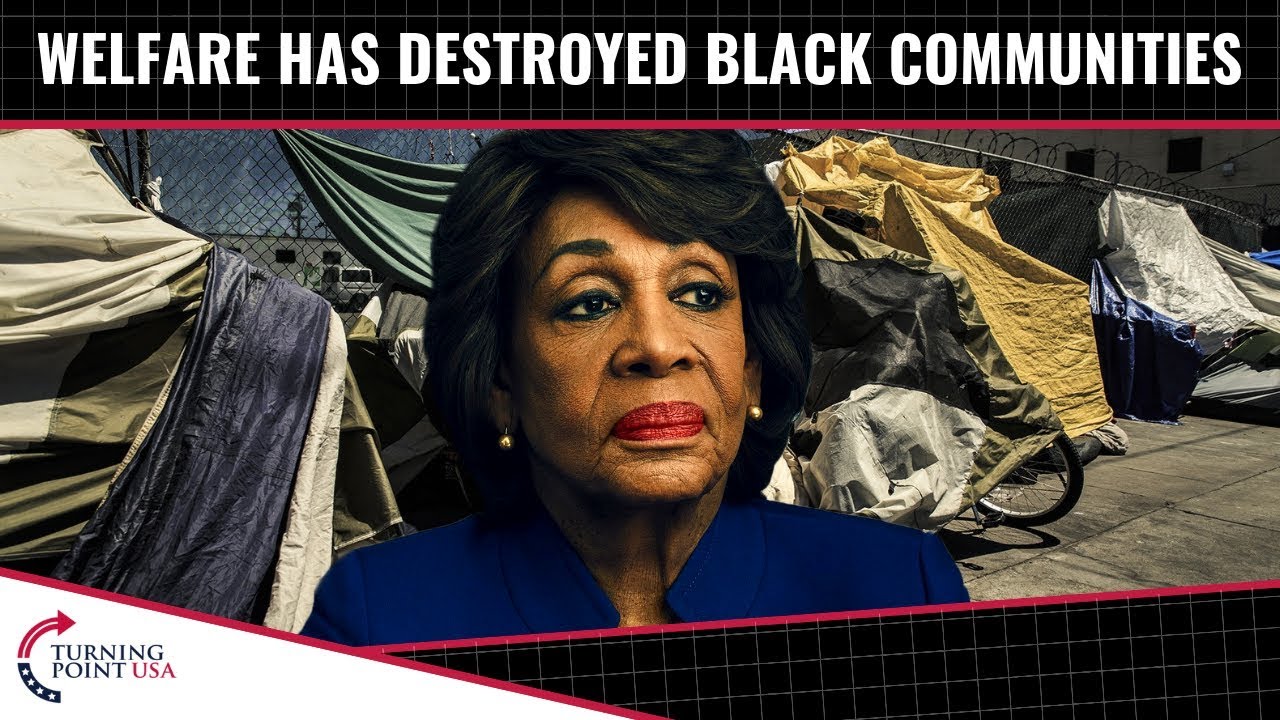
Devin Gibson Honors Charlie Kirk's Memory, Dismantles Student's DEI Excuses in Powerful Breakdown
Enjoying this? Share it with someone who needs to see it.
Up Next
Charlie Kirk Challenges Student on Fatherlessness, Role Models, and the Crisis in Black America
10:06
Charlie Kirk Debates Critical Race Theory and Fatherhood Crisis in Black America at Campus Event
19:01
Charlie Kirk Showed Black People Nothing But Love and Refused to See Them as Second-Class Citizens
21:46
Devin Gibson Honors Charlie Kirk's Memory, Dismantles Student's DEI Excuses in Powerful Breakdown
Devin Gibson opened this tribute to Charlie Kirk on what would have been his 33rd birthday, reflecting on Kirk's fearless commitment to truth and the gospel. Gibson then dissected a campus debate where Kirk challenged a student's excuses for crime, systemic racism claims, and DEI ideology. The student argued poverty and systemic barriers justify criminal behavior, but Kirk dismantled her claims with data on opportunity, welfare programs, and cultural accountability. Gibson praised Kirk's approach while critiquing the student's ignorance, calling out the real issues plaguing communities: fatherlessness, personal responsibility, and the destructive legacy of policies like LBJ's Great Society programs that incentivized dependency over family stability.
Devin Gibson began this video with a heartfelt tribute to Charlie Kirk, marking what would have been his 33rd birthday. Gibson reflected on Kirk's effectiveness in spreading the gospel and speaking truth, suggesting that Kirk's impact made him a target for those opposed to his message. "He was too effective for folks that weren't in the truth," Gibson said, vowing to continue sharing Kirk's message and the gospel. He praised Kirk's unique approach to debate and ministry, describing it as "goodter than chicken" and "all the best adjectives you could possibly describe."
Student Claims Systemic Racism Justifies Crime
The main portion of the video featured a debate between Charlie Kirk and a college student who argued that systemic racism and poverty justify criminal behavior in the black community. The student claimed black men commit crimes because they lack opportunities, citing housing discrimination, loan disparities, and police bias as evidence of systemic barriers. She suggested that many crimes are "crimes of necessity" — people stealing because they have no other way to obtain food or essentials.
Kirk immediately challenged this narrative. He pointed out that the United States offers extensive safety nets including food stamps, subsidized housing, Medicaid, and welfare programs. "You will not go hungry in this country. You will not starve in this country," Kirk stated, noting America faces an obesity problem, not a starvation problem. He also mentioned churches and charities that provide assistance to anyone in need.
Debunking the Crime of Necessity Argument
Kirk pressed the student on why other racial groups in similar poverty don't commit crimes at the same rates. He cited the statistic that black Americans, who comprise 13% of the population, commit over 50% of murders and violent crimes. The student attempted to explain this through systemic racism, but Kirk countered by noting that twice as many white Americans live in poverty, yet they commit far fewer crimes proportionally.
When the student brought up being followed in stores as evidence of racism, Kirk redirected to violent crime: "What about murder? Why is it that black people commit so many more murders? That's not you're being followed in a store and you commit more murders." He challenged her to name a single law that grants white Americans advantages over black Americans, emphasizing that true systemic racism would be codified in law like Jim Crow once was.
The Real Systemic Advantage: DEI and Affirmative Action
Kirk flipped the systemic advantage argument entirely, pointing out that because of DEI (Diversity, Equity, and Inclusion) initiatives and affirmative action policies, there is actually a preference given to black Americans in loans, college admissions, and hiring in certain cities — not the reverse. The student seemed unprepared for this counterpoint, having based her worldview on the assumption that systemic barriers universally disadvantage minorities.
Fatherlessness and Cultural Breakdown
The conversation shifted to fatherlessness in the black community. Kirk noted that while 13% of the population is black, not every black person ends up in jail, yet there is massive child abandonment. He argued this points to a cultural expectation different from other communities: "It's okay to impregnate a woman and abandon her in black America. It's not in white upper middle class culture."
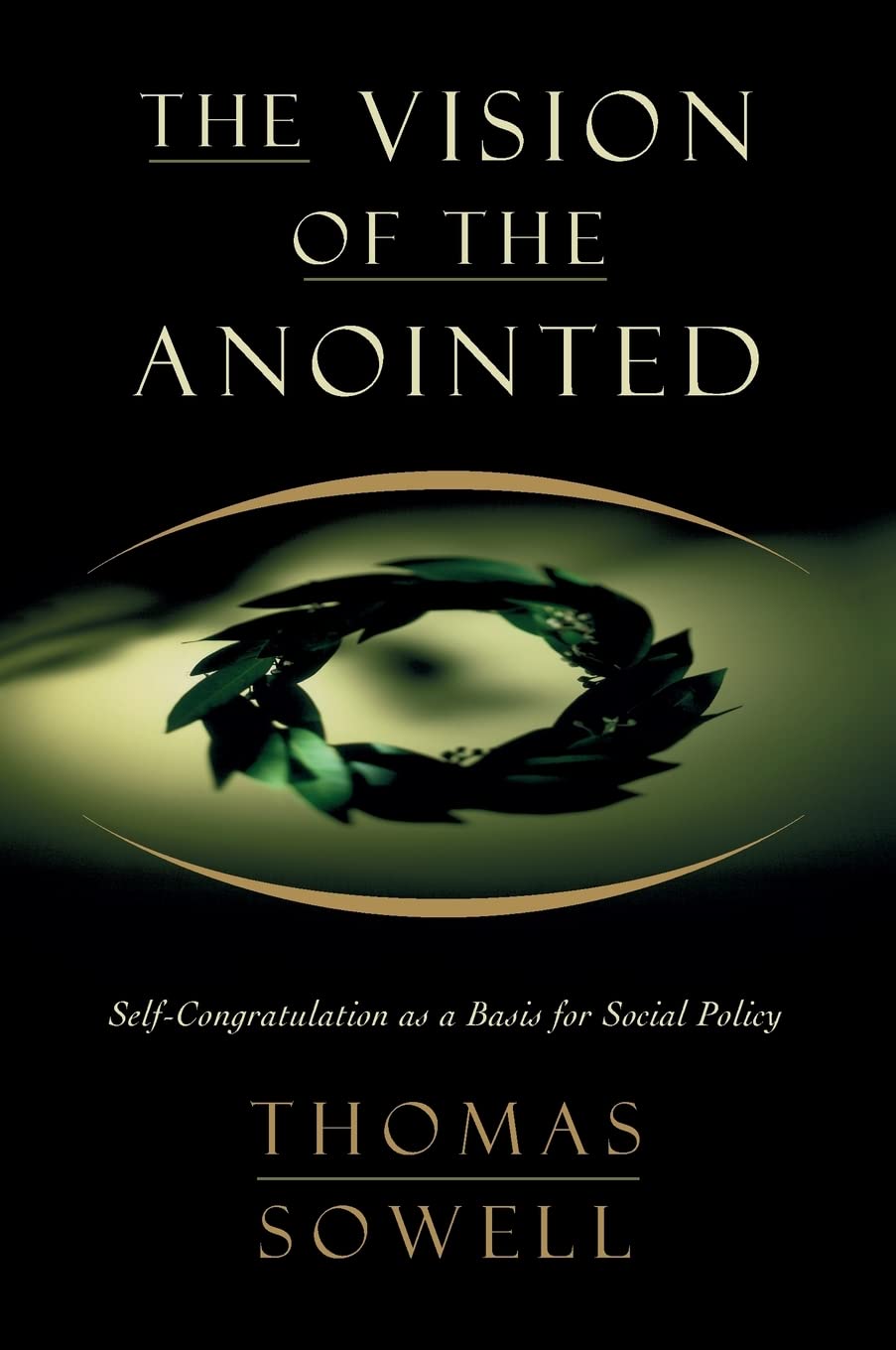
Kirk referenced scholars Thomas Sowell and Shelby Steele, who have analyzed how this cultural norm lacks the social stigma present in other communities. He noted that in upper-middle-class white culture, abandoning a pregnant woman is heavily frowned upon, while in certain segments of black culture, it's normalized and even glorified through rap music and popular culture.
The student mentioned the War on Drugs as a cause of family separation, to which Kirk responded that going to jail requires being caught dealing or possessing drugs — a choice, not an inevitability. When the student mentioned her own father, a white Polish immigrant who went to jail for crimes, Kirk used this as evidence against systemic racism: "I thought there was systemic racism. That doesn't happen very much."
Gibson's Reflection on Personal Responsibility
After the debate clip ended, Devin Gibson offered his own commentary. He criticized the student's "hot garbage" talking points, calling them racist for focusing on race instead of real issues. "It's always about race coming from the side that says it's not about race," Gibson observed.
Gibson emphasized that the Bible teaches in Proverbs that "idle hands are the devil's workshop," stressing that young people need to develop work skills and take responsibility rather than making excuses. He rejected the victim mentality promoted by progressive culture, stating: "We are all part of the one human race that bleeds the same color red... if you're a legal American citizen, then you've got the same opportunity as the next man, the same 24 hours in a day to go earn a good living."
The Great Society and Government Dependency
Gibson traced the breakdown of the black family to President Lyndon B. Johnson's Great Society programs from 1964, which he argued incentivized mothers to rely on government assistance rather than fathers. "Before you have a kid, you're supposed to get married, two flesh become one, and you rely on each other to raise your children to live righteously together and you follow Jesus commands," Gibson said. He blamed Democrat policies for enticing women to believe they didn't need men, leading to devastating impacts on families and communities.
Gibson called for a return to biblical family structure, masculine leadership in homes, and personal accountability. He criticized the race-obsessed culture and "anti-whiteism" promoted by social justice warriors, arguing that DEI initiatives give advantages based on characteristics people had no control over, rather than merit.
A Call to Truth and Action
Gibson concluded by urging viewers to reject false ideologies, vote for conservatives, and work toward restoring strong families with fathers who are "loyal to one woman and lead righteous lives." He praised Charlie Kirk's legacy of truth-telling regardless of whose feelings get hurt, and called for making "common sense common again" alongside making America great again.
Throughout the video, Gibson maintained that everyone will face judgment for their actions, regardless of race or background. He rejected the notion that poor decisions make someone a victim, and condemned the cowardice of men who abandon their children. While he disagreed slightly with Kirk's broad characterization of stigma in the black community — noting many black fathers are responsible — he agreed that far too few men overall are fulfilling their God-given roles as protectors and providers.