2,387 videos 1,376,944,188 views US Joined Aug 30, 2018
Charlie Kirk is the Founder and President of Turning Point USA, the largest and fastest growing conservative youth activist organization in the country with over 250,000 student members, over 150 full-time staff, and a presence on over 2,000 high school and college campuses nationwide. Charlie is also the Chairman of Students for Trump, which aims to activate one million new college voters on campuses in battleground states in the lead up to the 2020 presidential election. His social media reaches over 100 million people per month and according to Axios, he is one of the "top 10 most engaged" Twitter handles in the world. He is also the host of “The Charlie Kirk Show,” which regularly ranks among the top news shows on Apple podcast charts.
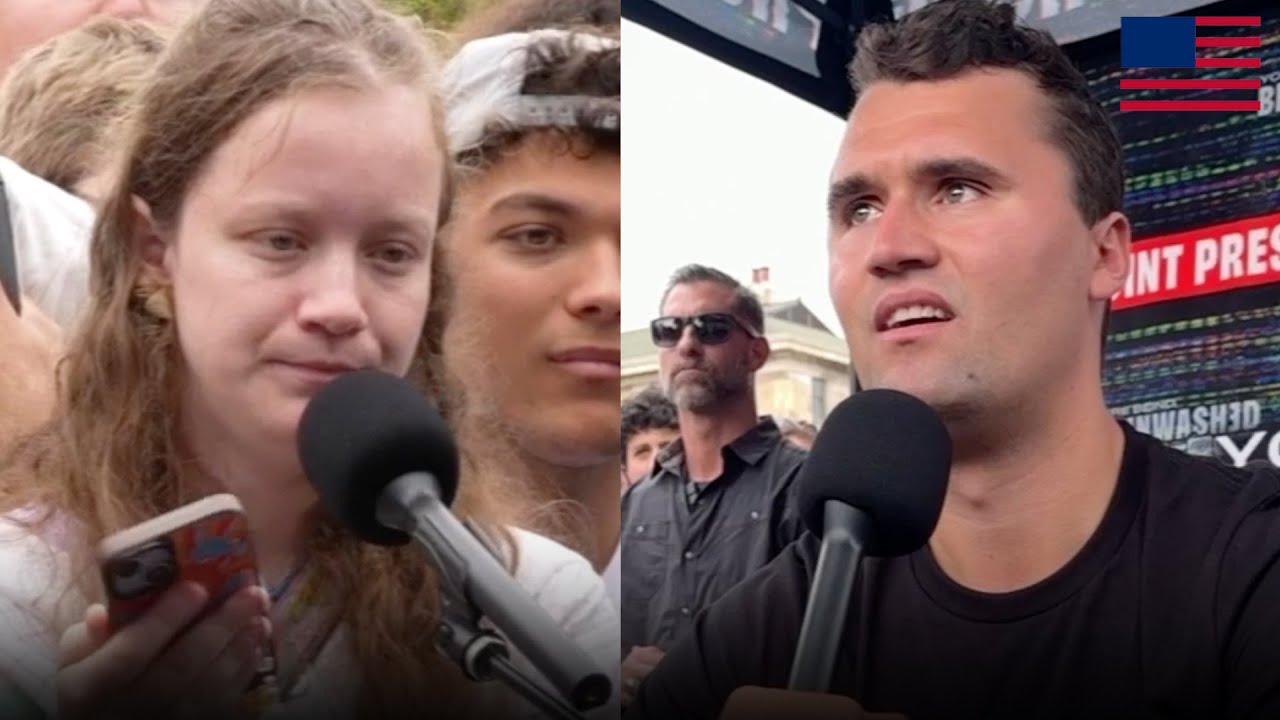
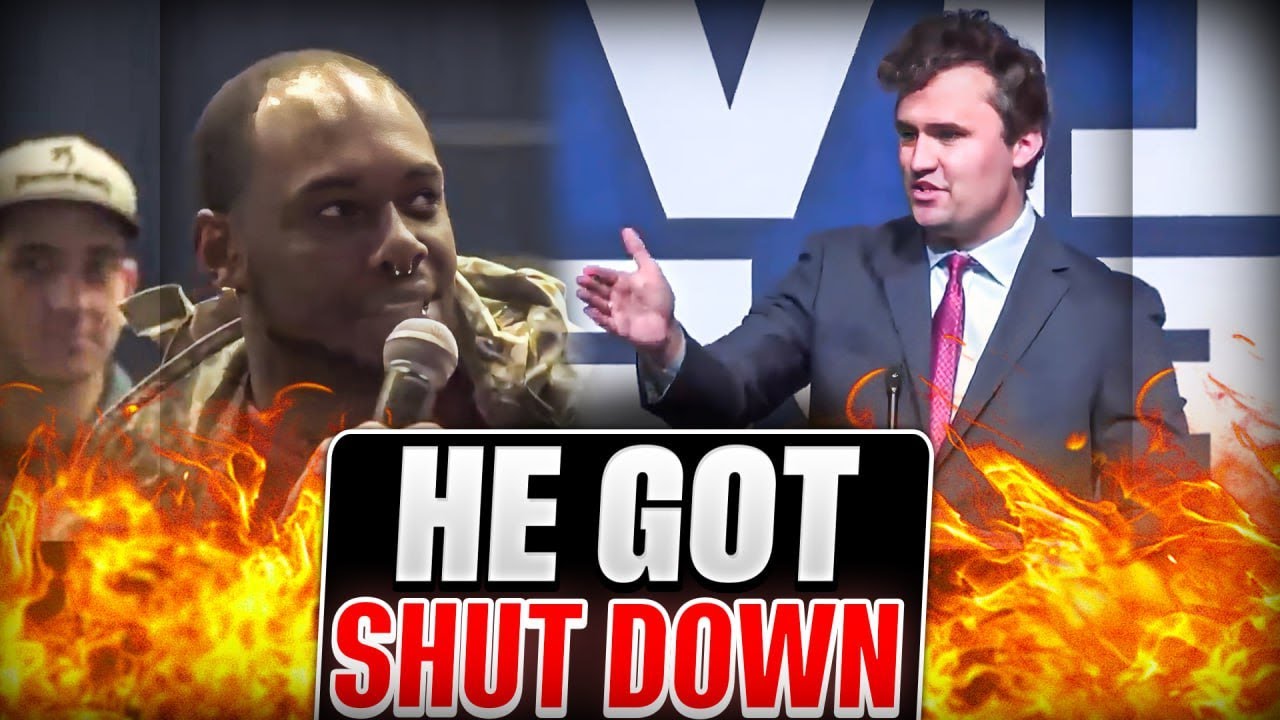
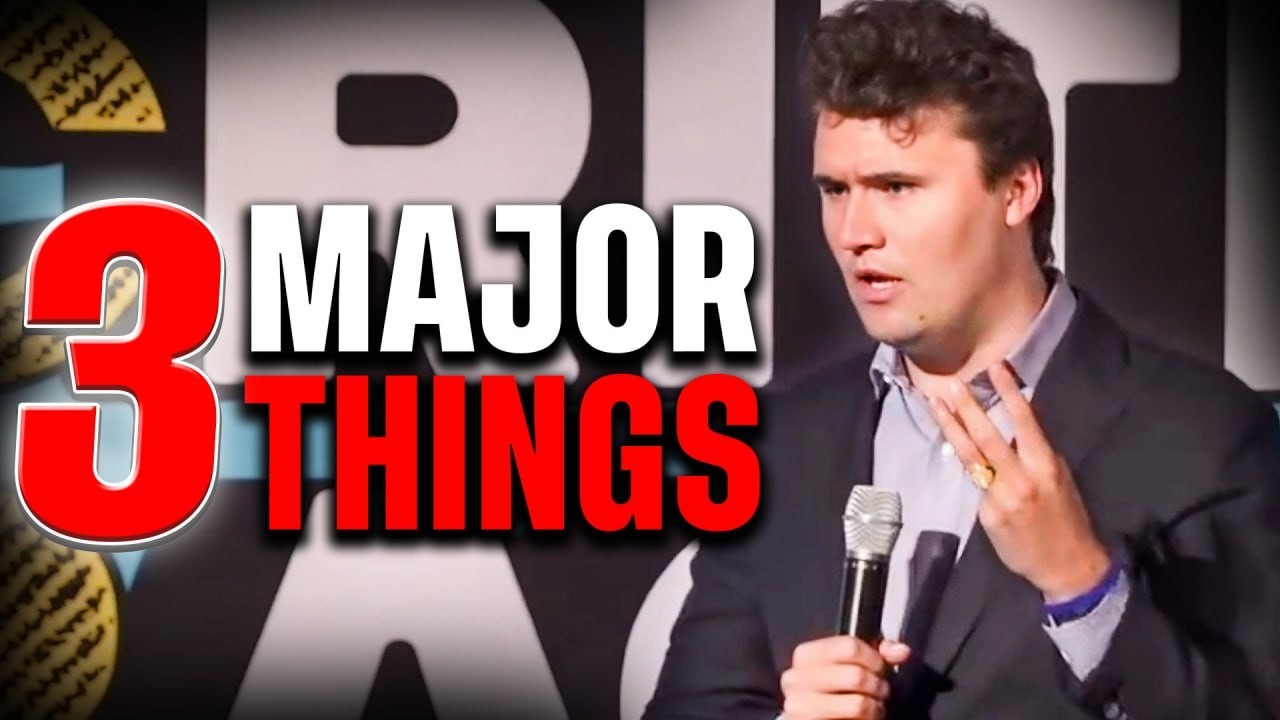
Charlie Kirk Debates Objective Truth, Abortion Morality, and Race Relations with College Students
Charlie Kirk engages in a heated debate with college students over fundamental questions about truth, morality, and abortion. The conversation quickly escalates from philosophical questions about objective versus subjective truth to contentious discussions about abortion, race, affirmative action, and the historical impact of policies on the black community. Kirk challenges his debate opponents on their claims about subjective morality, citing economist Thomas Sowell's research on black America in the 1940s-60s and invoking Malcolm X's warnings about white liberals. The exchange touches on crime statistics, police militarization, and systemic racism claims, revealing deep divisions in how different Americans view truth, justice, and social policy.
The Foundation: Objective Truth vs Subjective Morality
The debate begins with a fundamental question: why should one person's opinion hold more weight than another's? When a student claims that everything is subjective, Kirk immediately challenges this assertion by asking if their current conversation is objectively happening. The student concedes that yes, some things are objective, creating an opening for Kirk to explore the nature of moral truth.
The conversation quickly moves to whether morals are subjective or objective. The student argues that morality exists within cultured society based on standards and norms, but maintains that individual opinions on morality are subjective. This sets up a critical tension in the debate: if everything is subjective, how can anyone claim moral authority on any issue?
Abortion and the Definition of Human Life
Kirk pivots to abortion, asking directly if murder is wrong. When the student agrees, he presses the question of what constitutes a human being. The student responds that a human is "someone with a consciousness who is alive in this world," while Kirk defines it as "the creation of DNA that will never exist again" and argues that a soul enters at that moment.
When asked to define what a soul is, Kirk describes it as "the eternal indistinguish, nonvisible being of your existence." The student rejects this, stating they don't believe anything is eternal. This leads Kirk to make a pointed observation: at some point, somebody's truth has to win because actions and laws must be based on something.
The discussion becomes particularly heated when Kirk brings up crime statistics related to abortion. When a student claims that crime dropped 40% after abortion became legal, Kirk asks who has the most abortions in America. When the answer of "Black people" emerges, he accuses the student of making a racist argument by suggesting that terminating Black lives in the womb lowers crime rates. The student protests, but Kirk stands firm on his accusation.
Race, Privilege, and Historical Oppression
A Black female student joins the conversation, asking Kirk if he believes his privilege skews his view on other people's lives. She argues it's not fair for him to choose what she gets to do with her life as a Black woman in a white society. Kirk responds by asking what being Black has to do with truth.
The exchange quickly turns to affirmative action, with Kirk arguing that Black students get into college easier than white students and receive jobs and internships that white kids don't get. When the students respond with "poor white people," Kirk counters that there are entire movements dedicated to Black people. The students clarify these movements are to secure rights.
Kirk acknowledges that racism exists, adding pointedly that "the Democrat party is still alive and well." When asked if people can be racist against white people, he responds "All the time," citing affirmative action as racism against white people and Asians.
Why Does Skin Color Matter?
Kirk poses a broader philosophical question: why should skin color matter at all? He asks what he can do that the Black students can't do, what laws exist that create different outcomes. The discussion becomes tense as Kirk asks the student to explain without being interrupted.
One student attempts to explain that skin color matters because of the society we live in, referencing critical race theory. They argue that if race had never been a factor in oppression from the beginning of time, it wouldn't play a part in anything we do now. But because people have been oppressed because of their race throughout history, it remains relevant today.
Thomas Sowell and the Black Renaissance
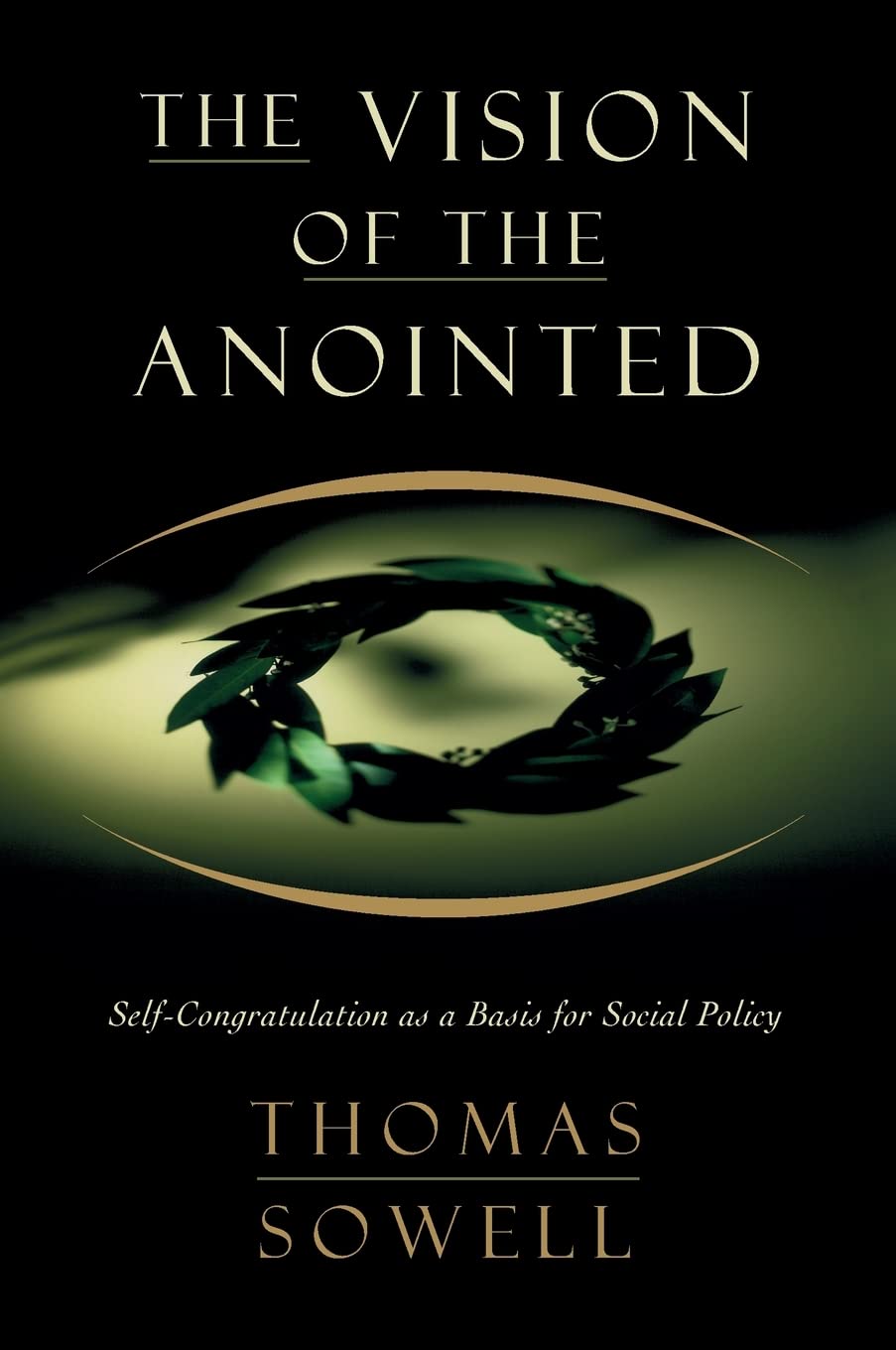
Kirk introduces economist Thomas Sowell into the conversation, describing him as one of the best Black economists of the 20th century who grew up in Harlem. He explains that Sowell's research shows Black America was experiencing a renaissance in the 1950s and 1960s despite discrimination.
While acknowledging that this might have been specific to certain communities like Harlem rather than the Black community as a whole, Kirk makes what he considers his strongest argument about systemic racism: the destruction of the Black nuclear family. He argues that when Democrat Lyndon Baines Johnson came in through the Great Society program, he destroyed the Black nuclear family with intent, and this remains an injustice that must be undone.
Kirk presents a striking statistic: single motherhood in the Black community was about 28% in 1945, but now it's around 65 to 70%. He asks pointedly: are we more racist now than we were in 1945? When the answer is no, he challenges the students to explain what happened.
The War on Drugs and Malcolm X's Warning
A student brings up the war on drugs as a contributing factor. Kirk says he believes we should be harsh on drugs, but he gives some merit to the argument that government agencies peddled cocaine in inner cities, noting there is evidence to show that. However, he doesn't believe this fully explains the dramatic changes in Black family structure.
The conversation turns to Malcolm X, with Kirk noting the student is wearing a Malcolm X shirt. He points out that Malcolm X was super pro-life and argues that Malcolm X could teach the current Black movement more than Martin Luther King because Malcolm X warned against white liberals owning Black America for their own gain.
Kirk emphasizes that people often misdescribe Malcolm X as being violent, when that was actually a very small part of his literature. Instead, Malcolm X was very focused on getting Black America to succeed despite the white liberal. He encourages the students to look up Malcolm X's quotes about white liberals.
Truth, Experience, and Finding Common Ground
Returning to the fundamental question of truth, Kirk acknowledges that specific experiences can be different, but insists there is always an ultimate truth. He uses the example of a car crash: five people might have five different opinions about what happened, but eventually a truth will be revealed about what really occurred.
When asked if he believes his truth is the ultimate truth, Kirk responds that he would hope so, and importantly, that he's willing to learn. This moment of openness stands out in an otherwise heated exchange.
Police Militarization and Crime
The final topic addressed is the militarization of police in the 1960s and 1970s. Kirk states he's generally very pro-police, but admits he doesn't know what came first: the rise in crime or the increased militarization of police forces. A student suggests that if he knew what he was talking about, he would know the answer.
Kirk responds that it's not so clear, referencing a massive crime wave in early 1970s New York where New Yorkers demanded more police with heavier weaponry and better ability to enforce the law. When a student argues that crime went up after police militarization, Kirk counters that violent crime went down big time in the 1980s.
The debate concludes with a discussion about the prison system and why people go to prison, with Kirk making the straightforward point that people go to prison because they commit crimes.