How Charlie Kirk's Death Spawned a Meme Empire and Exposed the Fractures Within Far-Right Politics
Enjoying this? Share it with someone who needs to see it.
Up Next
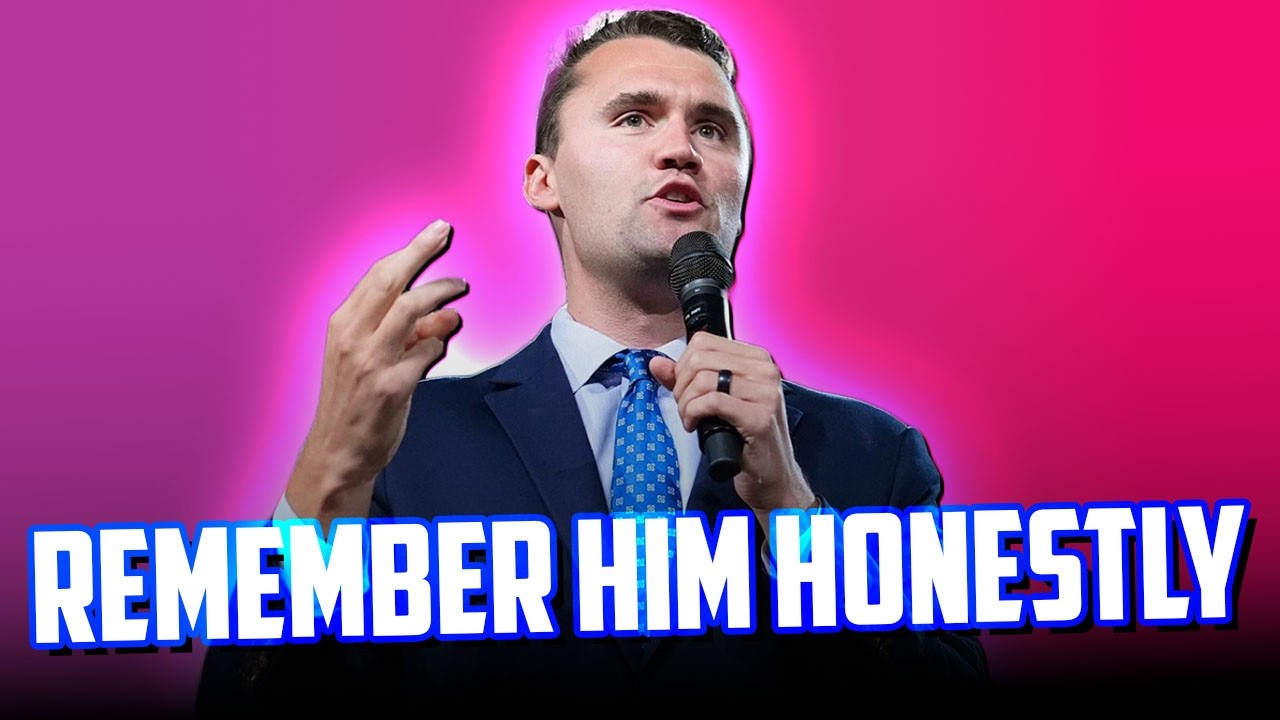
Mona Charen and Jonathan Chait Discuss the Charlie Kirk Assassination and Authoritarian Threats to American Democracy
43:56
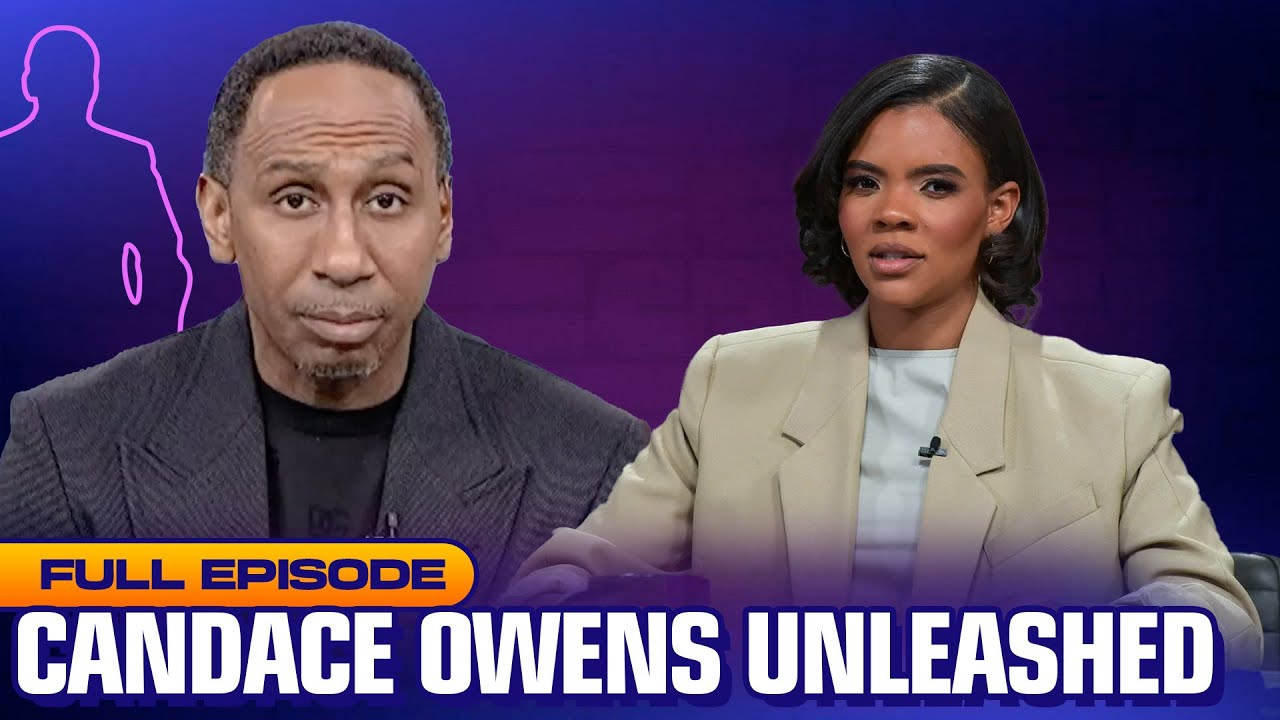
Stephen A. Smith Sits Down With Candace Owens On Israel, Iran, Trump's Betrayal Of MAGA Movement
58:37
Trans Creator Refuses to Mourn Charlie Kirk, Condemns the Violence, and Explains Why Centrism Enables Fascism
18:40
How Charlie Kirk's Death Spawned a Meme Empire and Exposed the Fractures Within Far-Right Politics
Ryan Broderick joins Power User to dissect the chaotic aftermath of Charlie Kirk's assassination and the bizarre meme culture that emerged in its wake. From AI-generated Terminator edits to esoteric Nazi symbolism, the "Kirkification" phenomenon reveals deep fractures between MAGA boomers and younger far-right extremists called "Gropers." What started as memorialization quickly devolved into mockery, exposing how the Trump administration's attempt to create a martyr backfired spectacularly. Broderick argues this may mark the actual death of the MAGA movement, as Charlie Kirk becomes less a political icon and more the next Harambe—an eternal internet punchline that cycles through feeds every anniversary.
On September 10th, 2025, Charlie Kirk was shot to death in front of a crowd of students in Utah. Just over a week later, a massive memorial rally was held at State Farm Stadium in Glendale, Arizona, attended by over 90,000 people. Donald Trump, JD Vance, Marco Rubio, and numerous high-profile political and media figures praised Kirk and framed his death as the beginning of a holy war, claiming his killing would result in "millions of Charlie Kirks."
Almost immediately, something unexpected happened. Rather than inspiring a generation of conservative activists, Charlie Kirk became a meme. Ryan Broderick, an online culture journalist who has been covering what he calls "the great Kirkification," joins Power User to explain how the far-right's attempt to create a martyr backfired spectacularly.
Cancel Culture in Overdrive
In the immediate aftermath of Kirk's death, the far-right cracked down on online speech with unprecedented force. At least 600 Americans lost their jobs for saying things about Charlie Kirk online, including 50 academic administrators. By contrast, just 22 academics were fired in 2020 for Black Lives Matter commentary and 160 total for pro-Palestine views, making the crackdown over Charlie Kirk the most extreme form of cancel culture ever witnessed.
Content creators like Asmongold claimed "this will radicalize a generation," and conservatives pushed the idea that Charlie's death would be avenged. But things quickly went off the rails.
The Memes Begin
According to Broderick, the memeification of Charlie Kirk began almost immediately—within a week of his death. The early memes weren't exactly making fun of him. They were being passed around particularly by people in the cryptocurrency world who were making AI-generated videos about what if Charlie Kirk was brought back as the Terminator. Many of these were extremely racist, and the idea was to venerate him while also playing with the concept and having fun with it.
There was confusion about whether this content was serious or ironic. What emerged was a massive chunk of conservative "normies" who are now extremely far-right, alongside MAGA boomers consuming AI-generated slop, while younger, more sophisticated people on the far-right found this deeply embarrassing. From the outside, it became nearly impossible to tell what was being ironically or genuinely shared by these different right-wing factions.
The Groper Wars
A crucial faction in this story is the "Gropers"—younger Gen Z extremists whose name comes from an obese Pepe the Frog meme. Their de facto leader is Holocaust-denying live streamer Nicholas Fuentes. They're extremely xenophobic, isolationist, believe in eugenics and no voting rights for women, and they hated Charlie Kirk to the point where they would show up and heckle him in real life. The shooter was initially believed by some journalists to have been a Groper.
These extremists have a sense of humor that is very irony-based, similar to hardcore leftists, and they're aware of this. They insert extremely niche neo-Nazi imagery or references into their content, hoping it will be ironically shared by leftists and spread by people who don't know what they're talking about.
The Evolution of Kirk Memes
The Charlie Kirk Terminator series was the first major meme wave—an AI-generated web series about what if Charlie Kirk was brought back as a cyborg and then him and Hitler and Alex Jones traveled around the world. It's been promoted by cryptocurrency people and has been circulating since September.
Then leftists began pushing exactly how offensive they could be about Charlie Kirk, which dovetailed with the Trump administration going all-in on revering Charlie Kirk as a martyr. As Trump became more hysterical about honoring Charlie Kirk's death, it became a taboo that people could manipulate or play with. This is where "Kirkin on it" emerged as a euphemism for oral sex because he's the "throat goat," and where "dicks out for Harambe" style absurdist dark humor about Charlie Kirk's death began circulating.
AI Slop and Face Swaps
In the background, AI-generated accounts targeting conservative boomers were making insane slop about Charlie Kirk, including content showing up in megachurches where Charlie Kirk was AI-generated into videos talking to Jesus. As these accounts became more popular, people discovered increasingly surreal, weird AI-generated Kirk content that was being genuinely shared.
All of this collided in recent months with AI face swaps and deepfakes where Charlie Kirk's face was put onto rappers and famous memes. Broderick tracked down the person who started this trend—an account on X going by "Money Spread"—who created tons of these edits but ghosted him when asked about their political views.
The Agartha Connection
Perhaps the strangest development has been what GQ called "Agarthan Charlie Kirk memes." This imagery connects to a broader far-right movement that predates Kirk's death, emerging around 2021-2022 as a kind of "far-right vibe shift." Different far-right extremists experimented with finding other forms of fascist iconography and imagery, stumbling across Nazi occultism because it fit well with the new surreal brain rot becoming popular with Gen Z.
This includes the Nazi Black Sun Sonnenrad symbol, Schizo Wave edits, creepy pasta about the Holocaust, and content about the lost city of Agartha—supposedly a city at the center of the hollow earth that only white people can access. The whole idea, Broderick explains, is to create memes around the far-right that can never be properly explained by journalists or commentators.
This imagery went into overdrive after Kirk was shot. Charlie Kirk gets an "Agarthan makeover" in these edits, becoming blonde and blue-eyed. It's being used as the tip of the spear on algorithmic platforms—if they can make stuff that looks like it's making fun of Charlie Kirk, then users will suddenly get hit with hardcore neo-Nazi content.
The Death of MAGA?
Broderick offers a bold theory: the MAGA movement actually died with Charlie Kirk. We'll look back at it as the moment the whole thing fell apart, with the timing of the Epstein Files adding to this collapse. In terms of Kirk's meme status, Broderick sees him becoming the next Harambe—every anniversary there will be a wave of offensive Charlie Kirk memes, and every time the administration tries to use his memory, there will be a wave of people making fun of it.
Charlie Kirk was, Broderick argues, grown in a laboratory to be an influencer president replacement to the TV show president. JD Vance can never be Trump. Elon Musk can't do what Trump does. Without Kirk, they have nothing, because that takes a long time to cultivate. They'll have to run traditional Republicans who might not be totally on board with taking over America, or they'll have to run alt-right weirdos who don't know how to talk like normal people.
The Algorithmic Problem
When asked if it's problematic for leftists to share Charlie Kirk memes, Broderick is clear: there is no way to safely engage with any right-wing content on the internet right now without triggering an algorithmic effect. If you do it on X, you are absolutely probably going to trigger some kind of algorithmic cascade of neo-Nazi content for another user. The same applies to TikTok and Instagram Reels.
As Broderick discussed with June from the podcast Kill the Computer: irony cannot defeat irony. It's easy and feels good to ironically share MAGA boomer slop and talk like Trump, but you are helping them. That's just a fact. Unfortunately, being genuine and earnest seems like the best course of action, even though that feels uncomfortable.
What Comes Next
According to conservatives in DC, including prominent conservative Rod Dreher, every aid in Washington is now a genuine neo-Nazi who loves Nick Fuentes. The young part of the Republican party are these people. They will have to do the hard work of seeing if being a hardcore neo-Nazi is good for getting voters—if esoteric occultism is a winning electoral strategy.
Broderick admits he might be naive or optimistic about America, but he doesn't see it working. As long as we are in a fair and open democracy, these people are not going to do well if they publicly say what they believe. At the same time, he acknowledges that American culture is the most right-wing it's been since the Bush administration, very much in a post-9/11 media environment where everything is conservative and reactionary.
Charlie Kirk's legacy will ultimately be as a meme and a punchline. And according to Broderick, we likely won't see another Charlie Kirk in our lifetime—he was the only thing the right had that could bridge the gap between traditional Republicans and alt-right weirdos, and now he's gone.










Comments
Be the first to comment on this video.