Inside Tyler Robinson's Maximum Security Isolation Following Alleged Charlie Kirk Assassination Plot
Enjoying this? Share it with someone who needs to see it.
Up Next
Defense Questions DNA Evidence in Tyler Robinson Murder Case at Utah Valley University
2:26
Jennifer Faumuina Testifies on Evidence Collection in Tyler Robinson Case at Utah Valley University
10:55
Charlie Kirk Assassination Sparks National Crisis: NewsNation Reports From Utah Valley University Crime Scene
38:28
Inside Tyler Robinson's Maximum Security Isolation Following Alleged Charlie Kirk Assassination Plot
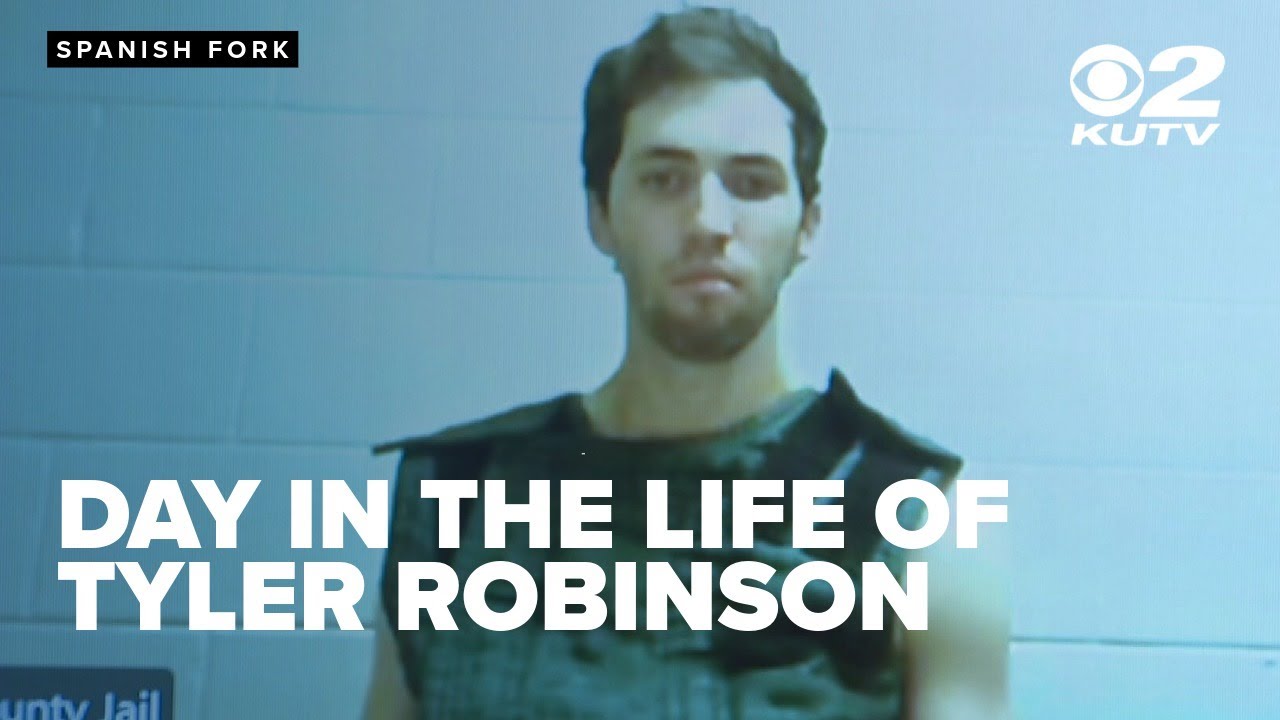
Tyler Robinson, the 22-year-old accused of plotting to assassinate Charlie Kirk, remains in the most restrictive custody level available at Utah County Jail. Three weeks after his arrest, Robinson is housed in the special housing unit under constant suicide watch, confined to an isolation cell with virtually no privacy or privileges. Former corrections officials describe the unit as a "seamless operation" where every movement, meal, and word is monitored around the clock. As Robinson's case moves forward, his new defense attorneys have requested he appear virtually rather than in person for court proceedings.
Tyler Robinson, the 22-year-old man accused of plotting to assassinate Charlie Kirk, has been held in the Utah County Jail for three weeks in the most restrictive custody level available. Officials confirmed that Robinson remains on suicide watch in an isolation cell within the special housing unit, commonly known as "the shoe."
Utah County Sheriff's Sergeant Ray Orman explained that the special housing unit is "a perfect place to contain and isolate someone while they're standing trial for serious charges like this." At his initial court appearance, Robinson was seen wearing a suicide smock, which investigators confirmed is standard attire for inmates in the special housing unit.
Life Inside the Special Housing Unit
Carl Torres, a consultant and retired deputy warden for the Arizona Department of Corrections who oversaw similar facilities, described the restrictive environment Robinson faces. "The accused is in a very restrictive environment, meaning that there's hardly any movement unless the movement is called for by the administration," Torres explained. "Basically, he's under the microscope. He's being monitored for everything he says and does."
According to Torres and jail officials, Robinson's isolation cell measures approximately six by ten or eight by ten feet. The self-contained cell includes a stainless steel toilet bolted to the wall and a sink. The sleeping arrangement consists of either a mattress on the flat floor or on a cement shelf. For security and suicide prevention reasons, Robinson is not allowed to have bedding or regular clothing in the cell.
Most special management units and special housing units lack windows for security reasons and to ensure the cells are suicide-proof. Food is passed through a slot in the door, eliminating the need to open it and maintaining constant security.
Constant Surveillance and Monitoring
"It is very likely he is under constant supervision with someone suicidal. The jail may have a camera, but they do physical eyes on checks at least every 15 minutes," Torres noted. "They're going to know when he sleeps. They're going to know what his moods are going to be. They're going to when he mumbled something, they're going to be there. They're going to capture his mental state."
The monitoring represents what Torres described as "a triage between medical, mental health and security." Every aspect of Robinson's daily life is documented and observed, from his eating habits to his sleeping patterns to any verbal expressions.
Limited Privileges and Daily Routine
Robinson's privileges are severely restricted. He would be under direct supervision even for basic activities like showering, and using a razor for shaving may be prohibited entirely. "Very limited property, mostly reading material. And so there's an invasion of privacy in this particular process. But it's for his own good. And it's for the to protect the liability of the county," Torres explained.
As for entertainment, Robinson most likely does not have access to a television. However, depending on his mental condition, he may have access to limited reading material, which could include educational reference materials, religious texts, and leisure reading material.
Regarding meals, Robinson eats the same food as other inmates—meals prepared inside the Utah County Jail that are served on sectioned cardboard trays with plastic utensils. According to a source, inmates often comment that the Utah County Jail serves the best food of any jail they've been in.
The Psychological Impact
"It's the highest restrictive level that you can offer in [penology]. It has very few privileges, limited visits, mostly legal. There's no gaps in there. It's a seamless operation," Torres said. "He's going to get frustrated because his privacy has been invaded, first of all. And second of all, he's facing things he's never faced for before in his life."
Visits are limited primarily to legal consultations, further isolating Robinson from outside contact as he awaits trial on the serious charges he faces.
Court Proceedings Move Forward
As Robinson's case progresses, his new defense attorneys have requested that the court change his appearance from in-person to virtual from the Utah County Jail where he is being held. Robinson has yet to be seen in person during court proceedings since his arrest.
Chief investigative reporter Wendy Halloran continues to follow the case and provide updates on Robinson's housing conditions and the legal proceedings as they unfold.