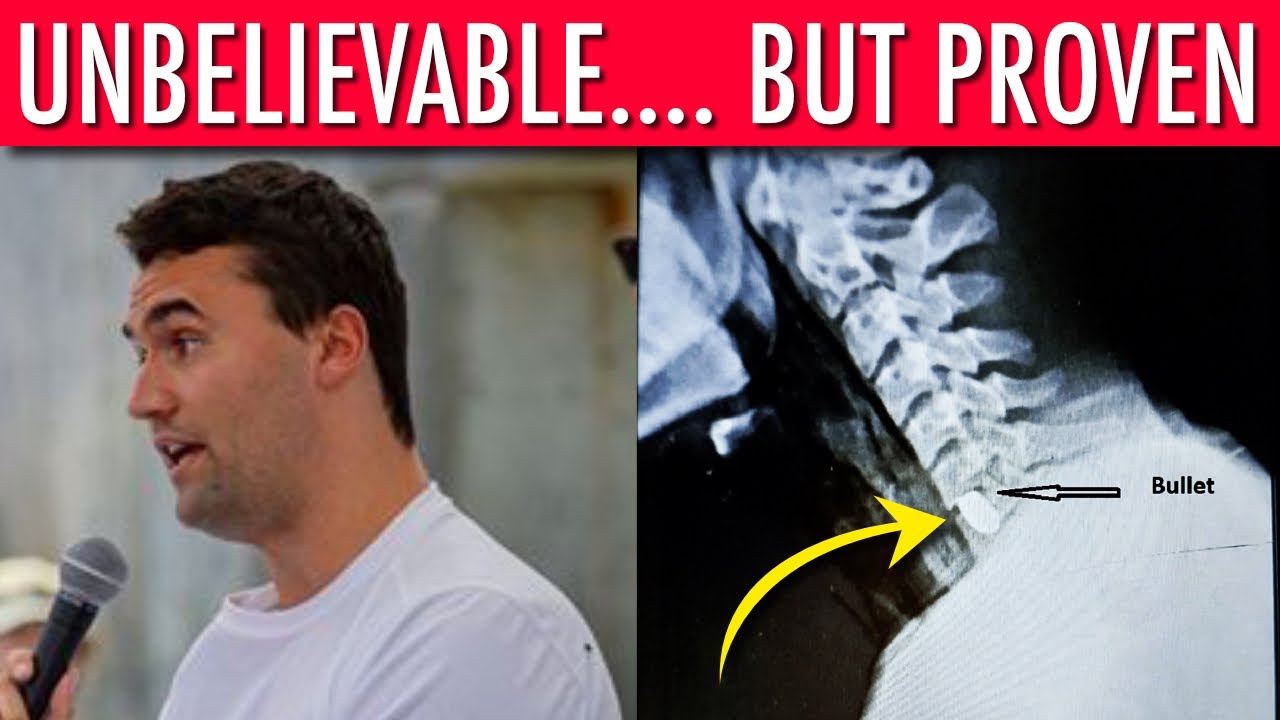
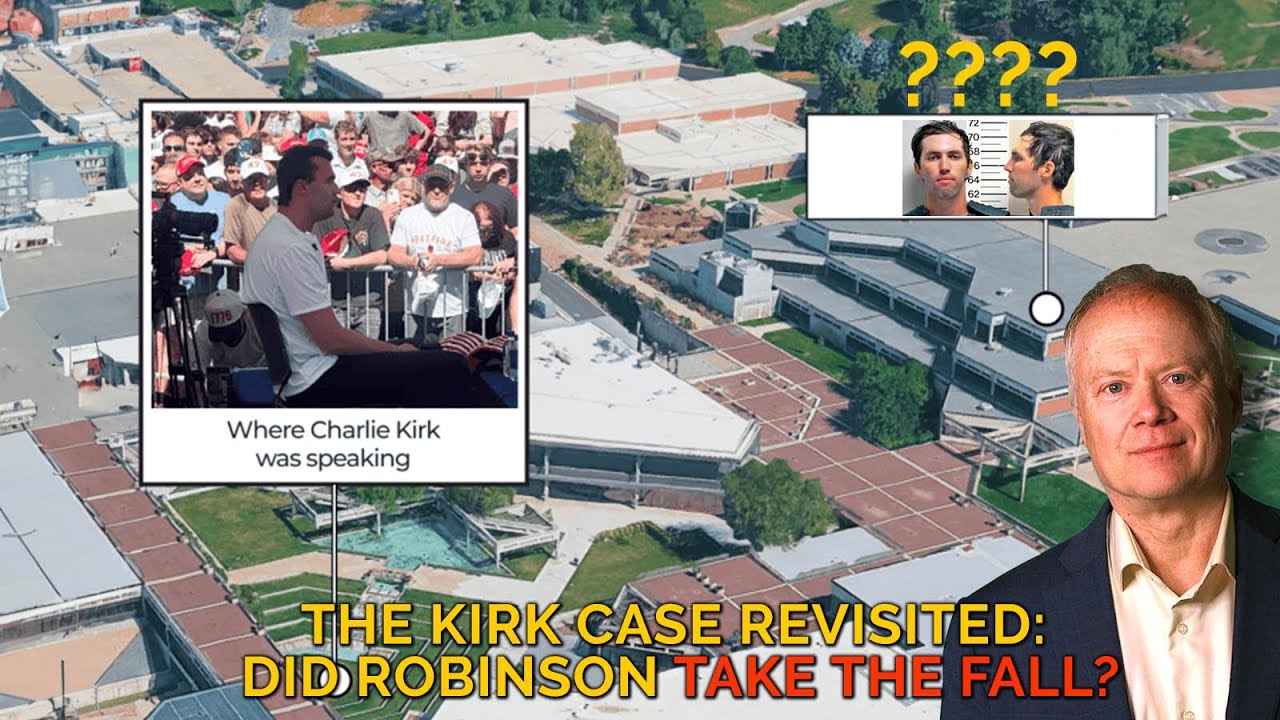
Because I'll say a professional would not shoot from a roof where people >> I was gonna ask you that. What would you do? >> Yeah. No, it would be like from a window. It' be like way deep inside a window with multiple other windows open, you know, so people don't just see one window open and they go, "Okay, that's where he was." Uh, and possibly from um, you know, the best one is to have a building in front of you and then you shooting. >> Today I've got someone very special on the channel, guys. I'm super excited. But I think you guys are going to love this one. Jim Foreman, one of my best friends. In fact, as humble as he is, one of the baddest dudes out there, and he's got a lot of knowledge that he's going to share with us. He retired in 2018 after 27 years in the US Navy Seals, where he rose through the ranks to become a command master chief. During his tenure as a command master chief, Jim also served as a squadron master chief and as an operations master chief for a command with 2,000 Navy Seals. and then he finally as a training master chief where he was responsible for overseeing the leadership development and training operations of all East Coastbased US Navy Seal teams. Jim has 18 combat deployments in 12 countries and a distinguished record of honor, professionalism, and success. While deployed, he planned and executed our nation's highest priority combat missions and furthered the national security objectives of senior leadership within the Pentagon, the legislative branch, and the office of the president. For his outstanding leadership and distinguished service, Jim was awarded a silver star medal, eight bronze medals, a purple heart, and five presidential unit citations. He is absolutely a beast. And today we're going to talk about the Charlie Kirk assassination and see what Jim actually thinks about it. So, let's get started. >> Hi, Jimmy. How you doing? >> Good, >> man. I'm glad to have you here. So, today we're going to talk about the um you know what's going on with the current world events, right? We got the >> God so many things going on. We got Charlie Kirks thing that just happened two weeks ago. >> What do you think about that? >> Yeah, horrible. Horrible. >> Yeah. So, there is a lot of uh conspiracy theories, let's just say, or there's a lot of theories out there because we really don't have all the answers. I've done multiple videos on this channel about it. All right. So, Charlie, you did what you did. All right. 27 years in the Navy Seal. You've seen your fair share. not only real world events also you've got your experience and you also train a lot of people out there to this day. So when it comes to a firearms especially terminal effects on human body that involves firearms >> right >> you would say you got plenty of experience. Right. >> Right. >> Okay. Well you've seen the video Charlie getting shot. >> Right. >> What do you what do you think about that? That's like very interesting. There's still some questions that I have and a lot of people have questions. What's your like on the personal opinion on this one? >> Uh the first when I saw the full video um you know because there was before I saw the full video you know I was in a place where I didn't have good signal. So I was hearing a lot of stuff. >> Yeah. >> A lot of conspiracies like it was you know maybe a bullet came from the crowd um things like that you know from the side or even from the back. When I saw the video, the first thing I saw, what I thought was like it was definitely a front shot just because of the um the impact and then when the uh the result of the impact uh the blood coming out >> uh took, you know, a little bit of time. If it was something from the back, it would have been coming out like in a splatter >> like like a exit wound. It was a entrance wound from what I was looking at. >> All right. So you're saying it is an the front is an entry wound, >> right? >> And the reason for that's actually very interesting. I actually did not think about that even though I would consider myself somebody who's very knowledgeable when it comes to terminal effects on human bodies with my forensic background, all that stuff. Yeah, you're right. if the bullet was traveling from the rear, which is one of the conspiracies out there that uh that it would just be pushing blood out on its way out or maybe tissue too, >> right? Even if it was a small exit wound, which usually it may not be. And but I think the reason why that theory existed was because the hole looks so huge. >> Yeah. >> You know, going in. >> You're right. That's one of my questions. So, I've again u on the on the channel, I've done multiple videos on this one. Initially, I thought it was a back shot, right? >> Right. >> And then I just watched that video over and over, like multiple different angles starts coming out. I was like, you know what? I think it may be front, just the way that he's moving. But what you just said makes perfect sense to me. All right. So, if the round is exiting no matter what, like with the back, the front, it would be bringing blood out instantly with it. >> Correct. Near instantly. Yeah. Quicker than it did on the video. >> Okay. In the video, what we see is hole and then maybe half a second or something. >> The trauma and then the blood coming out. >> Got you. All right. Why do you think that entry wound is so big? Because just speak speak on the entry wound based on your experience. What do they look like? >> Uh usually um the size of the bullet the the hole, you know, and maybe and I think I'm not so sure why it was so big. All I could say is that the neck is super thin. The skin on the neck is thin and it could have ripped uh the skin there. But um uh exit wound, it would have been more traumatic coming out. >> Okay. Yeah, you're right. I agree with you and I've got multiple theories still. >> And also if it was an exit wound, they could slow down the camera to even see it possibly coming out. >> Yeah. Yeah, you're right. >> You know what I mean? Like you if they could freeze it um at the moment of exiting, you'd probably see >> something >> something exiting >> exiting, right? >> So, a lot of talks over there on the internet that projectile wouldn't be visible on like some iPhone cameras and stuff. You really have to have like special cameras to be able to >> see the projectile, which I agree. Right. But um still I feel like the trauma is so big on his neck like we would see an outward pressure of some sort while we're slowing down the uh footage, >> right? >> We don't see that. >> Okay. So Jimmy, I'm going to say this like there's multiple theories. I'm going to go over each one of them. >> We are since we're on the topic backshot. Have you seen the way his head moves? Like people talk about that his head, the people who support the backshot theory, they say that his head moves kind of like forward as in like he got hit in the side of the head, >> right? >> Have you seen that part? Like what do you think about that? Like besides I know that your exit wound theory is I think very very logical. >> So the video I thought maybe we're looking at different angles, but the video I saw he was just sitting there and then it was like >> front view. >> Front view. >> Okay. or off front view and it was like the impact happened and then it was like like this. >> Yeah. >> You know, his head moved back but also down. >> Did you see the side view uh video? >> No. >> Let me show it to you on my personal channel. All right, Jimmy, just press play. I know I'm doing a commentary on it, but I just want you to see the uh body of his body moving. >> There you go. I want you guys to see this. Look very careful. His body moves to the back as fast. >> Yep. >> All right. So, >> not only that, but his shoulders, like he goes back and his shoulders are kind of like, >> "Yeah, I'll pause the video." Um, >> so, and I I I don't want my commentary to obviously in any way affect yours, but I want you to see because you've only seen the front shot. Now, you've seen the side view. >> Yeah. >> Does that change your opinion at all? >> No. It looks very similar to like getting hit from the front. So, he he comes back and his shoulders go forward like this. Yes. Like the impact. >> Yeah. Some folks talked about his head kind of going forward, which it does, right? And they're just saying that that's because the bullet hit him in the side of the head. >> My personal opinion was like, "Hey, man, you know, >> I think it's because he's getting shot from the front, so the energy is kind of trying to go back, >> right? It's like folding like like this. He's getting shot this way and it's doing that." >> Exactly. That's very good. Yeah. And uh so all right, that's one of the theories. Some people are still kind of standing there. I mean, again, that was initially that's what I thought, right? But then I I just analyze it further and further and I just >> Yeah. >> You got to I mean like there's also so many I mean you see somebody's hand moving from the crowd at the exact time. Did you see that? >> Yeah. >> And people were saying, "Oh, that was a a special gun going off." >> I actually want to talk to you about that. >> Yeah. So, uh there's you have to analyze it. You can't just take it for what it's worth. You have to do a little deep dive. >> Yes. And I agree with that and that's why I like that folks are just bringing even if it's ridiculous. I just want to look into them. >> Another theory was the exploding microphone. >> Did you hear about that or No. >> Okay. Well, let me explain that to you real quick. You've already seen the footage numerous times. Uh Charlie Kirk had an microphone just like one of those lapel mics that we were using yesterday. >> It was under his shirt. Initially, people thought that was a body armor because it was just kind of bulging out like that, but we figured out it wasn't. It's just a microphone, and he always had one to >> have an extra audio. >> People said that Mossad or somebody else put an explosive like a shape charge in there, directional, and that's what exploded. That's what killed him. Somebody detonated it from a distance. >> I'm not going to say anything. I'm just going to ask you. >> Yeah, I don't see I don't see that. >> Why not? I think you would see Frag even if it was a shape charge going in. I think his body I'm just thinking off the top of my head. I think his body uh reaction would be different than it was. >> Yeah. Mind you, his shirt never got affected. >> Right. That's right. And also even with a shape charge, there's going to be something coming off the backside. >> Okay. So, >> Newton's uh third law of physics, right? Every action has an equal and opposite reaction. a >> shape charge. I said this on my channel. Some people really killed me on this one, but hey, I I I have to tell people what I'm honestly thinking. >> Uh that's why I wanted to ask you, you're an expert. You've dealt with shape charges. You've dealt with a bunch of different explosives in your career, right? >> Yep. >> So, first of all, is it possible for someone to put a little explosive device in a tiny little microphone? Like we all saw that in Lebanon Hezbollah with the pages with the Israel, right? microphone is a lot smaller. Is it number one possible? Number two question is would it be powerful enough where it would dump the energy that we've all witnessed on Charlie's body and projectile going right through him if it's an exit because that's what they're saying. It just exploded and that projectile exited through his neck. That's what we're being told. And yet while doing all of that stuff, still that explosive device retaining inside his shirt without destroying his shirt or anything like that. >> So, can they put a device in a small mic? Yes, absolutely. And it's been done. >> Um, can it not affect the shirt? Highly unlikely. >> Okay. >> Right. I mean, something like that. And then also the angle. If the mic is down here, but he got hit over here. Yes, it could go up, but that >> that's what they said. Going up inside. >> Inside. >> They said it exploded like here. A projectile went right through him internally. >> Yeah, I don't see that. I didn't see that. >> Gotcha. Would there be any smoke? >> It doesn't not necessarily. No >> flash. >> There could be. I think there would be some not necessarily a flash either >> if it's contained, you know. >> But would it be possible? >> A small charge. You wouldn't need much of um you wouldn't need much power to push it through. >> Would it be possible to explode and a projectile traveling so fast where it dumps a lot of energy into Charlie's body and just go right through his body as fast as it did? uh from a project from a ship >> if that had I think you would see more um of a result of the device if it had that much energy behind it that much powder and force that it wouldn't just be sitting there and just shoot something >> like that it would have to have some uh kinetic energy expelling >> and that's what people are saying that's why his shirt just blew up like that as high as it did because his shirt just lifted up and then came down like well the bullet part neck Would it be would it actually destroy his shirt? >> I think you would have something um affecting the shirt frag or something >> because if it's contained in plastic that pla plastic is going to break apart >> or even metal if it's metal. Let's just say >> metal for sure. But like if he had pla plastic encased mic Yeah. >> and inside the mic that that plastic is going to get destroyed. >> Okay. So exploding mic theory you don't think is >> I don't I see it highly unlikely. >> Okay. So, you don't think it's a back shot? So, that's unlikely. It's second shooter. >> No. >> Okay. >> I'm not saying that there wasn't other people involved. >> Um, but I think from what I saw is that the uh rifle shot explains the most cleanest. >> Okay. You heard the sound. Did you hear the sound, too? Like a lot of people. Do do you think that sounds like a an explosive device sound or do you think that's a actual firearm? >> That sound like a firearm. Yeah. >> Did it sound like a pistol caliber? It sound like a rifle. >> Rifle for sure. I mean just the that when you look at the shot it's a rifle. >> Gotcha. >> Clearly not a pistol. >> That's what I said too. All right. >> Because uh pistol energy is less I mean people have been shot in the neck with a pistol and doesn't have the same result as a rifle. >> Yeah. >> You know like 9 mil or something like that. Even 45. 45 would have more of a kinetic energy like a rifle, but um >> rifle is different, man. So fast. >> Going so fast. Yeah. >> Yeah. It's like we're talking about like 1,000 feet per second to,200, 1300 feet per second to 2700 3,000 ft per second. All right. So, before I move on to my other uh theory, well, there's multiple theories, but other way of killing Charlie, what do you think about the caliber? What caliber do you think hit Charlie based on everything you've seen on his body, the videos? >> Well, I obviously I think I heard that was 30 odd six, but without knowing that, it would have to be a caliber like that. Uh 5.56 something, you know, 22 5.56 >> two. Go ahead. >> 22. >> I'm saying well 5.56 223 is pretty much a 22. >> It is 22. Yeah. But I'm talking about like for the viewers a 22 caliber. >> Yeah. >> Everybody knows a little 22. >> Yep. >> Right. >> Do do you mean that's possible? Do you think that's possible? A 22 caliber? >> Not for No, I'm saying that because of the the impact Yeah. the kinetic energy and the size of the hole and the result afterwards uh definitely outrules 5.56 or anything that small. >> I see. Okay. I apologize. So you were saying that 22 5.56 those are just ruled out just I see. >> Okay, that clears out for me. Initially I thought it was 5.56 and then I watched over and over actually. Shout out to my friend Taran Butler over at Taran Tactical. >> He even he called me. We were on the phone. He's like, "Dude, I think that's bigger than 5.56." I'm like, man, I think you're right. It's like, look at that energy on his body. >> It's like a hunting rifle. Yeah. >> So, okay. All right. 30 on six. 30 odd six is what we're being told. We don't know if that's true or not, but there's no exit wound. >> Yeah. >> Jim, you've shot a lot of people. >> You tell me. >> Yeah. Bowlers do crazy things. Uh, I have no idea. I would assume that with that soft tissue, you do have your spine in the way, but uh I would assume that that would burn right through it, especially at that distance. >> That's that's what I thought too, right? As a Okay, >> I uh have attended to a lot of autopsies of people shot, lots of them. As a crime scene investigator detective, I had to attend, get the evidence, remove the projectiles obviously, and tag them with evidence, right? It's the whole process. So, I have firsthand pulled bullets off of bodies besides my experience on the road, people getting shot, whatever, all that. >> And I have seen bullets do weird things, but I just a 30 odd six. This is one of the questions I have. The exit wound, a hole, why is it so big? Is that an entry wound? >> Another thing is like I've seen bullets do weird things. I could see even a 30 odd six on a 0.1% scale, let's just say, maybe hitting at a certain angle, maybe different kind of fragmented round something, right? And bouncing, shredding his internals, but 99.9% of the time, I think that should have just gone right through, man. >> Yeah, I would agree. I think uh full metal jacket definitely. So maybe he was shooting some type of other round. I have no idea. I haven't heard anything. I don't know if you have no >> like a more like a soft tip expanding uh type bullet, but even that um you would think something would exit even just partially. >> Gotcha. Yeah. I I I feel the same way. But I don't believe like some people say that it's 100% of the time it's going to go through no matter what cal what round you use. I just really folks, I've seen bullets do weird things. Have you I I mean you probably I don't want to put you on the spot, but I'm sure you've seen bullets do weird things like person getting hit right there. >> Yep. Uh on people and animal hunting, same thing. You know, you put um you know, I have a 6.5 Creedmore. >> Yeah. >> And shooting a um like a black buck >> Yeah. >> Uh right in the heart and there's no exit wound. And you would think like at 220 yards it would go burn right through and it did not. >> But did you do you ever dissect your bullet just to see where it's at? >> Uh we found parts of the bullet. Yeah. >> Parts of I wasn't really too concerned. I was mostly looked for the exit wound. I was surprised there was no exit wound. Got >> because it didn't hit any bone. >> And the reason I say that you hit him in the heart, did you just recover parts of the bullet >> during cleaning? Yeah. >> Like you said, where was the pieces of it? It's still in the same area. >> Same area. Yeah. within like a inches. >> So it disintegrated. >> Uh yeah, it just broke up. >> Yeah. All right, cool. So you um you're thinking that 30 odd six >> Well, I'll say that most of it stayed together. It just did not exit. >> It didn't like totally break apart like a frangible round or anything like that. I was always surprised there's no exit wound that um you know obviously um a buck like that is is not huge deer but and it has a little bit way more mass than a neck but I was still surprised without hitting any bone that it did not exit that it probably like hit and tumbled a little bit and then it stopped. >> Yeah, that's very interesting. So yeah, bullets do weird things like look that didn't break apart. It stayed together but yet it just kind of stopped. 65 Creedmore travel screaming faster than the 308. All right. So, there's um All right. So, let's kind of uh put our thin foil hat on. Do you think a 30 odd six did it? >> I think a similar round to that. I mean, if they're saying it's 30 odd six, it looks something very similar to that. >> Like a 308, maybe. >> 30 308. I think it was like a hunting rifle he used because that's the most accessible to him. Uh I heard that he was a hunter. His dad was a hunter or his grandfather or something like that. >> Yeah. >> And so that's the easiest rifle to sight in or have already sided in. >> Well, I'm going to throw a little curveball at you. >> Yeah. >> Do you think Tyler Robinson did this? >> I would I assume he would. It's like hard for me to imagine >> that he would >> just be the uh decoy. Yeah. >> On purpose. You know what I mean? >> Yeah. >> So, can >> like if you're going to be a decoy, I would I don't know. It's just hard for me to swallow that somebody would just take the heat for something when you you're either doing it or you're not. There's a lot of conspiracy theories and sometimes the most u the easiest thing to believe is the simplest and sometimes the simplest thing is what happened. >> That's right. I I agree. Like even Butler, Pennsylvania, right? >> Yeah. People like, "Oh my god, something else." I'm like, "Guys, I I gave interview to national news." And I was like, "Man, this sounds like a just one person, not all that experience, like doing their thing, right?" >> Yeah. >> Maybe not all that experience, 100 something yards, and practically hit Trump and Trump just moved his head. >> Yeah. >> And just kept firing. Kept fire. Killed people. Just It was just I feel like here's what I think. Maybe I just put too much faith in professionals. But I feel like a professional like in Trump's case, right, would have 100% get the job done. There would be no there would be no like chances. >> Yeah. It would be less chance. >> Less chances. >> Well, that's the one thing is like when they say, "Oh, it was a sniper or even if the uh the shooter on the ice facility was a sniper." >> Yeah. >> Those aren't snipers. You know, that that guy in the ice facility was just indiscriminately shooting. Yeah. and end up hitting some um uh immigrants trying you know whatever. >> So that's not a sniper you know sniper is surgical precise you know and a a distance like 120 150 yards it should be pretty much within a inch and a half maybe 2 inch uh ratio that he his grouping should be within for sure two inches. Yeah. >> Under 200 yards. >> And you were a Navy Seal team six sniper, >> correct? >> So you would know this. >> So hunters know this, too. You know, like they like to take their shots um probably less than 200 yards just to make a clean kill. You know, they don't want to injure an animal. Um and the most safest shot is under 200 yards. And most shots are like 180 yards. 100 to 80 yards. Yeah. >> And they side in for 100 yards. >> 100 yards. Yeah. >> Right. So that's the most common thing that people sign in for is 100 yards. >> Okay. >> And then it and then it goes down to trigger pull, breathing, body position, all those things uh that make your bullet more accurate. >> Yeah. No, that's very true. If Tyler Robinson did it, let's just say he did it right. That's what we're being told. We'll find out soon, hopefully. Was he aiming at the head or a chest or neck? First thing I thought was that he was aiming for the head and didn't didn't account for bullet drop or crunch the trigger, something like that. Because who aims for the neck, you know? >> Did you ever train for it? Did you ever do that? >> No. No, that's not a conf I mean that's it's a smaller target >> by at least 2 in, you know, widthwise. Um, and you could hit the neck and burn right through, especially like with a 5.56 round or something smaller, full metal jacket. Um, so you know, you're looking for a kill shot, which I'm sure he was as well. >> 100%. Yeah. Okay. >> But what was the distance? It was over 100, right? >> We I thought it was 200, but they're talking about like 140, 150 yards. >> Yeah. I mean, this going drop a little bit at that point, but like um I think it was more likely like a trigger. >> Yeah. >> Pull thing, you know, like squeezing and crunching a tiny bit. >> Yeah. Do you have to be a really experienced shooter for that one or do you think >> even No, that's like like I said, the most common, you know, for hunters. That's the 100 yards is their what people sight in for. >> Okay. >> Another conspiracy theory is palm gun. I don't know if you saw some of the footage from Charlie Kirk's security detail. There's a guy in the crowd right to Charlie's left. >> Mhm. >> And he's kind of like pulling his shirt and uh if you haven't seen that footage, I'll show it to you too. >> Yeah. And where where are they saying he did? >> Yeah. They're saying that he had a palm gun. >> Oh. >> You know those things shoot like a 38 or something >> and he just like does this and fires it. >> Yeah. >> What do you think about that? >> I think that what was he on the his right side? He was on Charlie's left side. >> Okay. Yeah. I haven't seen that footage. I don't think so because I think you would see if he's on his left, you would see a different um kinetic energy movement of his body. >> Okay. A little bit to his left, like 45. >> Yeah. >> But let's talk about some of the mechanics of a palm gun. So, would a palm gun fire a really high-speed rifle caliber? No, >> there is no. Okay. So, if that's not the case, it fires a pistol caliber 38, let's say 9 millimeter, right? Generally 38 or 380, something like that. Would you have that kind of an energy dump? >> No. >> What other points do you think a palm gun uh theory is not plausible? >> Oh, by the way, in that case, I know you haven't seen the footage, so I got to be fair to you. There's not really anybody jumping off like the guys in the crowd. >> Yeah. >> And I don't see any recoil. I don't see any gunpowder flash. >> I think Well, they can make them with, you know, >> uh power powderless and all that stuff like, you know, like the assassin guns and stuff like that, >> but I think uh the biggest thing is like for that type of weapon, you need to be pretty precise even at a a short distance. You know, you got to be pretty much within a couple feet. I don't know what the distance was. It was definitely like 25 25 ft minimum. >> Yeah. To me, that's too far. >> Yeah. >> Way too far for a palm gun. Unless you're like holding and aiming like a pistol. >> Yeah. >> You know, if you're just doing something like that, you're kind of just generalizing. Um and it, you know, maybe you're shooting for his chest and hit his neck. That would be >> Yeah. >> I wouldn't think that he was aiming for his neck and hit his neck with doing something like this. >> Yeah. >> Think about this logically. Would if you were an assassin, would you be in the crowd among a bunch of people secretly try to shoot a palm gun into your victim and not aiming at all? Chancing it like that? >> No, no. I I mean that takes some skill to because if the chances of missing is pretty high. >> Yeah, that's what I'm thinking. So if if you're an assassin or if you're doing something and you're trying to be deliberate, you want to be a little bit more precise than that. I mean, shooting from a crowd is a perfect place to do it because you're like you could escape pretty not escape, but you could be you're amongst >> the crowd >> other people. So it's going to be you could blend in a lot easier and possibly escape. Um, but I would think that I want some type of diversion or something to bring my eyes to somewhere else, like the shooter on the the roof where people were filming, >> but I don't think uh that from that distance and you'd have to be aiming. >> Yeah. So, here's another thing. Like, there's so many holes here, right? If you're firing a palm gun, all right, fine, man. You're using a smokeless uh projectile. Well, still, don't you think if I'm firing something out of my hand, first of all, >> you can't even see anything. So, it' have to be between his fingers. You're burning yourself. You're affecting your hands. But fine, you'd have some recoil, especially for the energy that's being dumped. There's none. That's we see. Some people say, "Oh, I see a recoil." >> If we all have to look at it and somebody's like, "I think I see it." There's no recoil. Yeah, that's not recall >> because you would be everybody would be very seeing a very apparent recall. >> But wouldn't wouldn't everybody look at that person >> if you're in the crowd where there's no gunshots going on. So if there's gunshots going on everywhere like fireworks, then yes, you wouldn't look at me, >> right? >> There's nothing like that going on >> and you have here you have like this loud bang that's clearly coming from you. Wouldn't everybody look at you? >> Yeah. Like I don't want to put any words in your mouth or anything like that, but just these are some of my points. And and the reason I'm telling you this because you didn't see the footage uh because I'm pretty sure if you saw the footage, you'd say the same thing. Nobody looks at it except this one girl kind of like looks that way. But that's there's Okay. What happens when a gunshot goes off? There's buildings around multiple buildings around. What happens? Yeah. Sound. >> Yeah. Right. >> Because you don't know where it's Oh my god. It's Am I getting shot over there? Am I getting >> right? >> Yeah. So, all right. Uh, what do you think happened to Charlie, Kirk, based on everything you're thinking? Like, what's more likely thus far that the information that we have? >> I think the most likely uh scenario is that he was shot from the front from a hunting rifle. Uh, something like that with >> high caliber. high caliber, you know, 30 yard 6, 308, 270, something like that. Um, and it came from a rifle with uh a lot of kinetic energy. >> Okay. >> From one shooter. >> From one shooter. >> Yeah. Not to say that there may be other people involved, but I think it was the guy on the the roof. >> Do you think a 22-year-old uh with very little experience >> Yeah. can pull all this thing off. >> Yeah, >> that's that's I want to ask you this because a lot of people think that, oh my god, it's impossible. It's got to be professional, all that stuff. Hit me with it. >> No, I mean, like I said, 140 yards is an easy shot. >> What about planning all that? >> It doesn't seem like there was much. He just got on the roof, you know, just like the the shooter in uh PA against Trump. They got on the high ground away from the crowd. Um even even on PA, people saw him beforehand. You know, there was not much planning for that other than hiding his weapon up there. >> Yeah. >> Pre which was pretty uh savvy, but and then that raises questions. Why wasn't that area checked out and looked at? So all that stuff for the PA stuff was kind of insane that they missed a lot of things. Um, and for for this one, you know, he allegedly had a plan to go take him out and got on the roof and took it, you know, took him out for sure. >> All right. Um, no, I I agree with you. I really do like everything I've seen so far. And I'm not like trying to be on the side of the official narrative or >> Right. Because I'll say a professional would not shoot from a roof where people >> I was just going to ask you that. What would you do? >> Yeah. No, it would be like from a window. It'd be like way deep inside a window with multiple other windows open, you know, so people don't just see one window open and they go, "Okay, that's where he was." Uh, and possibly from um, you know, the best one is to have a building in front of you and then you shooting building further back in between two buildings or something like that. So they think it's the two closest buildings, but you're really, >> you know, 50 yards further back. So they're running to these buildings because it's super close. >> Yeah. >> But you're like 50 yards back in another building making your escape. So the whole point is not to get caught afterwards, not just to stand up on a roof and then run off where everybody could see you, you know. So a professional would be way more plan. You don't have to even do that much planning for that because if you're a professional, you kind of know what to do. The plan is to get the shot off um cleanly and make an escape by just walking off. without running because once you're running you become a spotlight it and to have like I said I would shoot a little bit further back because the first place they're going to look is the closest buildings. >> Gotcha. Very well. Well, I wanted to address these uh uh theories with you because I've done multiple videos on the channel. So, if you guys haven't seen it, definitely check out my other uh videos. But I wanted to get Jim Foreman's opinion on the all of the conspiracy theories that we have so far. There's another one that's just like so crazy. I don't want to bo bore you with it. It's just like the US Army spy plane went down low enough, dropped drones, and shot him. Oh my god, >> that's crazy. Yeah. >> Yeah, I heard that. I I'm not even going to do a video on that one. But that's it. So, uh, Jim, your, uh, company actions on, you do some training on that one, so folks know who you are on this one. >> Yeah. >> And we've done a couple of videos on the channel, too. But, yeah, you tell about your tell us about your company. >> Yeah. Actions on consulting. Um, I train for shooting, uh, you know, for long range shooting, uh, pistol, rifle, secc, uh, things like that, which is fun for me to do and it's like great. I do it to civilians and also, uh, police. And then I also my favorite thing to do is like leadership. So leadership discussions, talks and if especially if a company even a corporate company like a New York something like that they have some issues that they want to talk about they pull me in there to talk about certain issues and how to deal with them. >> Very good. Very good. >> Yeah. I I love that. And uh you've obviously led some really badass dudes in your career. So that's makes perfect sense. And uh you're also with Active Crisis Consulting. >> Yep. >> What do you guys do there? >> So we do a bunch of stuff there. So that's uh I'm part owner with you know a bunch of other guys that you also know. Great guys. >> Um so we do everything from training uh security stuff u uh red teaming checking out security >> um and uh bunch heavily involved in the personal protection and security. >> Yeah. Yeah. Is our biggest uh existence reason for existence. >> Yeah. We've done some training with you guys. So hopefully we'll do that. >> That's how we met. >> That's how we met. Exactly. So guys, want to thank uh Jim Foreman for uh his time. Man, this was really good. I really uh shed some different lights. I'm sure folks are going to appreciate. So thanks for your time, man. >> Yeah. Thank you.