Officer Tatum Defends Stephen A. Smith's Refusal to Apologize for Supporting Charlie Kirk After His Death
Enjoying this? Share it with someone who needs to see it.
Up Next
A Former Liberal Natalie Beisner Reflects on Political Violence, Free Speech, and Why America Changed Forever
16:48
Stephen A. Smith Speaks Out on Charlie Kirk Tragedy: Humanity Over Politics in America
5:47
Brandon Tatum Honors Charlie Kirk's Birthday, Confronts False Accusations and Barack Obama's Divisive Legacy
1:26:29
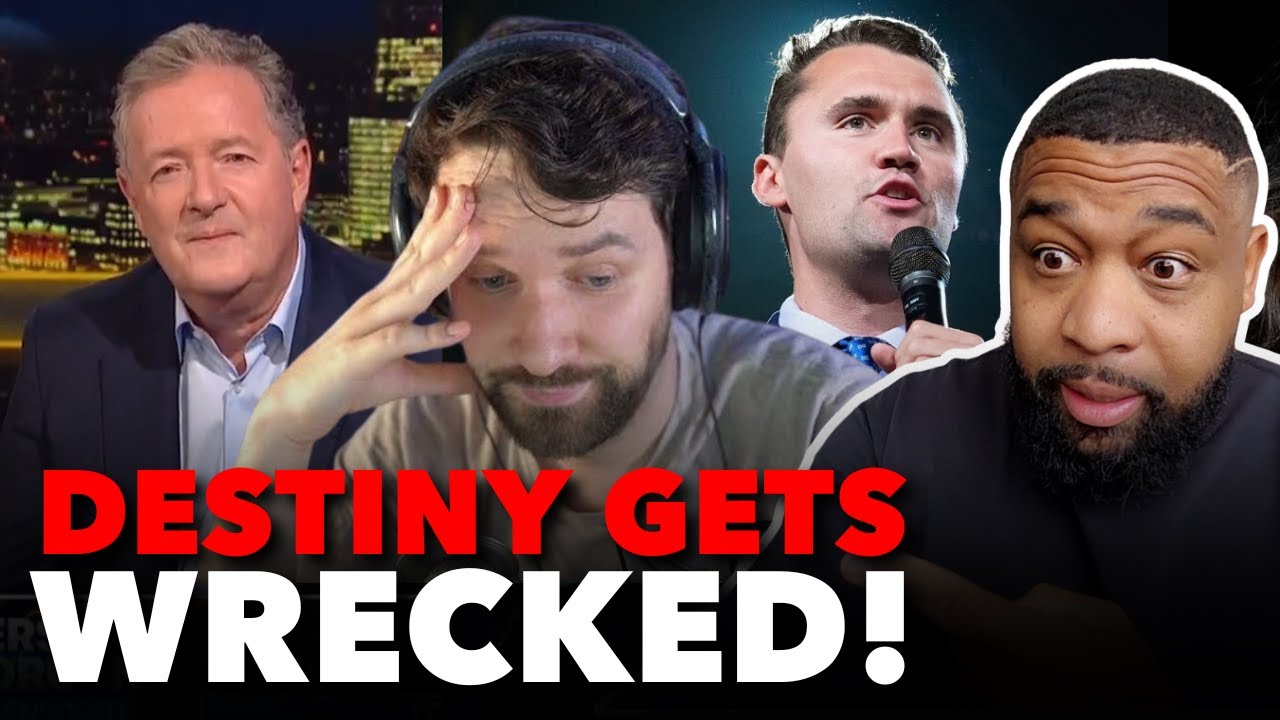
Officer Tatum Defends Stephen A. Smith's Refusal to Apologize for Supporting Charlie Kirk After His Death
Officer Tatum praises Stephen A. Smith for refusing to apologize for defending Charlie Kirk following his murder. Smith faced pressure to retract his statements calling for human decency and respect during the mourning period, but stood firm on his principles. Tatum explores Smith's consistency in exposing media hypocrisy, comparing reactions to Charlie Kirk's situation with the treatment of Tucker Carlson's firing and government pressure on social media platforms. The discussion highlights the double standards in how the media and public figures respond to controversial moments depending on political alignment.
Officer Tatum expresses his growing admiration for Stephen A. Smith, highlighting how the sports commentator has consistently taken principled stands even when facing significant backlash. Smith recently came under fire for his comments defending Charlie Kirk following Kirk's murder, with critics demanding he apologize or retract his statements.
In a powerful statement, Smith declared: "Folks want me to apologize, want me to correct myself. You can go to hell. I'm not doing that. I'm not going to sit up there, neither celebrate somebody's murder or gloss over what happened to them in the moment."
Tatum emphasizes the difficulty of Smith's position, noting that as a successful black man with a reported $100-150 million contract, Smith has much to lose from his traditional constituency when he speaks truth that contradicts popular narratives. Despite this pressure, Smith continues to prioritize consistency and human decency over political convenience.
Supporting the Kirk Family Through Merchandise
Tatum makes an important announcement about merchandise bearing Charlie Kirk's name and image. He urges supporters to only purchase items through official Turning Point USA channels or sources that directly benefit Kirk's family. Tatum explains that his organization is ensuring 100% of profits from their Charlie Kirk merchandise goes directly to Kirk's wife, and he plans to personally deliver a check to her, allowing her to direct where the funds should go.
The merchandise is currently in pre-order status and being printed, with Tatum warning that they will need to implement cutoff dates due to demand. He stresses the importance of not purchasing from unauthorized sellers who might be profiting from Kirk's death without supporting his family.
The Case for Mourning Before Criticism
Smith articulated a position that resonated deeply with Tatum regarding the appropriate timing for criticism of public figures who have died. Smith stated: "Now that a memorial service has taken place, now that people have had an opportunity to mourn, now that we have an opportunity to sit back and go through all of that, maybe we can go back and revisit some of the things he said, make sure we do our best to contextualize it properly and whatever level of criticism, cynicism, or anything beyond that he may deserve at that particular moment in time, it seems more appropriate today. It wasn't appropriate last week."
Tatum agrees with this principle, stating that even if something happened to political figures he disagrees with like Kamala Harris or Gavin Newsom, he wouldn't bash them immediately after their death. He explains: "I'm going to let them put him to rest. I'll ease off of him for at least the time until they put him in the ground. I won't bash his family because at the end of the day, even though he's a dummy, his family don't deserve to get whacked over the head because their husband is stupid."
This position, according to both Smith and Tatum, comes down to basic human decency and allowing families the space to grieve before resuming political debate.
Addressing False Claims of Racism
Tatum forcefully rejects claims that Charlie Kirk was racist, calling those who make such allegations "stupid." He addresses specific criticisms about Kirk's statements regarding the Civil Rights Act, providing context that he believes was deliberately misrepresented.
According to Tatum, Kirk's position wasn't opposition to civil rights for black Americans, but rather concern about how the Civil Rights Act was expanded and "hijacked" to include groups that didn't face the same historical oppression as black Americans. Tatum argues: "The civil rights should have been about black people and black people alone. That's what it should have been. But they opened it up. So now the LGBTQ didn't took over. Now trans people didn't took over for what black people fought for unique issues that black people were facing."
He points out the unique nature of anti-black discrimination in American history: "There ain't never been a gay water fountain and a white water fountain. There ain't been an organization that was organized against a certain people outside of Jewish and black people. They hang you from a tree just for you being gay. Really, nobody knew you were gay. Unless you came out and be like, 'I'm gay. Look at me. I'm gay.' When you black, you come out like this, they know you're black."
Tatum contends that by expanding civil rights protections to numerous other groups, the specific struggles and needs of black Americans have been overshadowed, with recent legislation benefiting other communities while black Americans see little targeted support.
Exposing Media Hypocrisy on Free Speech
Stephen A. Smith also called out what he sees as blatant hypocrisy from the left regarding free speech and platform access. He asked pointed questions: "Did we say that when Tucker Carlson was pulled off the air by Fox News? Did we say that? Were we as outspoken then as we were over the last few days? Because you see on this show, we're talking consistency."
Smith explained his approach: "This is why I call myself an independent. This is why I call myself a centrist. Because what I want to do is I want to be able to look at you based on the facts and say you're right or you're wrong and that's it. But when you're able to point to the other side doing the same damn thing preceding you by the way and what you're doing then it becomes a bit more alarming because the word hypocrisy comes into play."
The segment included multiple clips of media figures and politicians celebrating or dismissing concerns when conservative voices like Tucker Carlson and Donald Trump were deplatformed or banned from social media. Jimmy Kimmel was shown laughing about Tucker Carlson's firing from Fox News, while various commentators downplayed concerns about government pressure on social media companies to censor content.
These clips contrasted sharply with the outrage expressed when there were consequences for those critical of Charlie Kirk, highlighting what Smith and Tatum see as selective application of free speech principles based on political alignment.
Tatum's Evolving View of Tucker Carlson
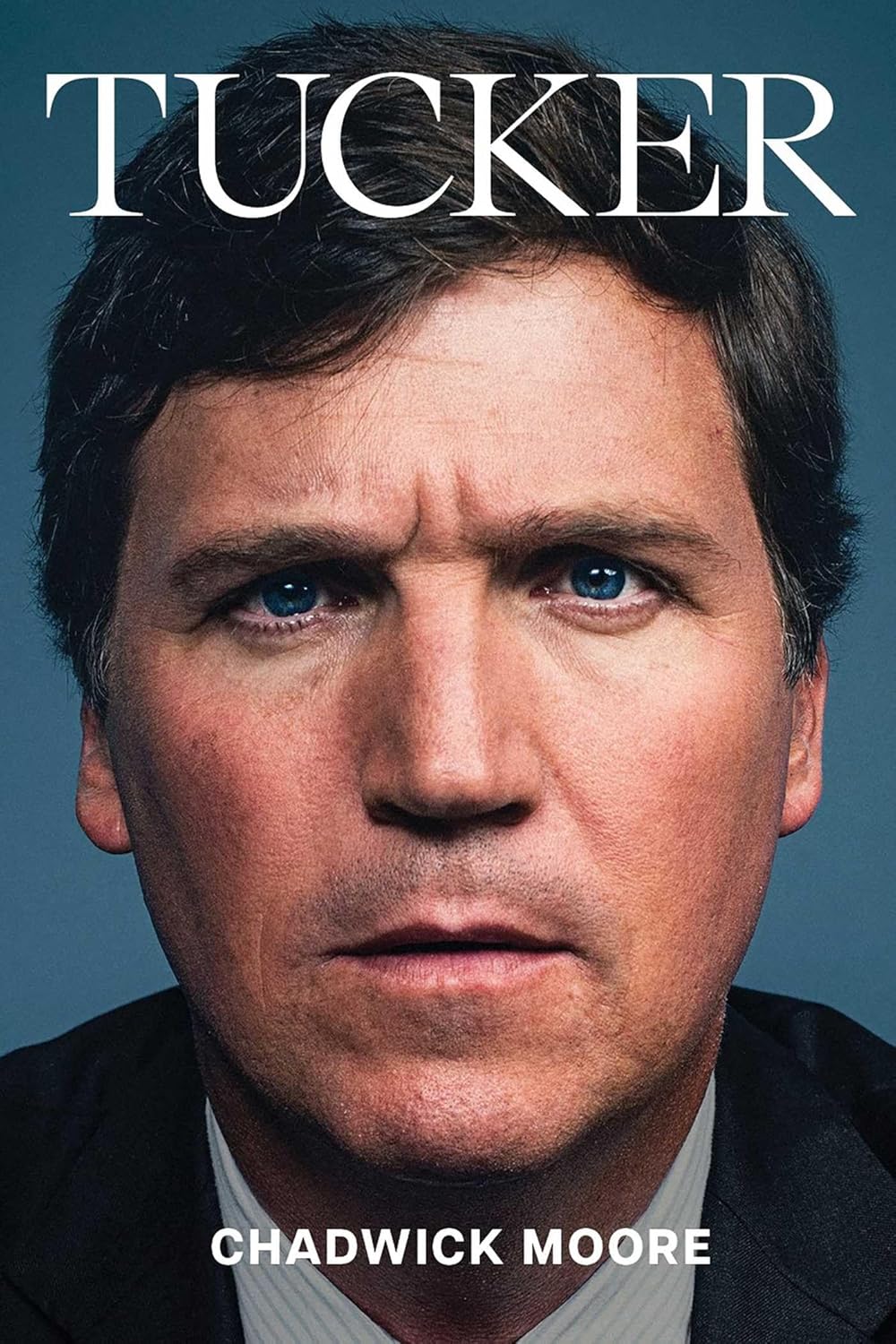
In an interesting aside, Tatum shared his current perspective on Tucker Carlson, acknowledging that while he initially saw Carlson as "a net positive to the movement," he now views him as "a net negative." Tatum explained that Carlson's firing from Fox News was justified due to his role in the Dominion voting systems controversy, which resulted in Fox News paying a billion-dollar settlement.
Tatum speculates that part of the settlement agreement likely included Carlson's departure: "I guarantee you the settlement and they settled with them for a billion. They Dominion was suing him for billions and I bet you Dominion said, 'We'll settle. You pay us a billion and you got to get rid of the guy that was pushing that stuff online.'"
He clarified his position on Carlson: "You know, of course, I don't like him at all no more. I never really liked Tucker. I just didn't have a problem with Tucker. I thought he was a net positive to the movement. Now he's a net negative." Tatum expressed hope that Carlson might "come around, man, and start saying some reasonable stuff," but remains critical of his current trajectory.
The Importance of Consistency in Political Commentary
The overarching theme of Tatum's discussion centers on the value of consistency in political commentary and analysis. He praises Stephen A. Smith precisely because Smith applies the same standards regardless of who is involved or which political side benefits.
This consistency, according to Tatum, is what separates principled commentary from partisan hackery. Smith's willingness to defend Charlie Kirk's right to be mourned without immediate political attacks, while also acknowledging that criticisms of Kirk's positions can be addressed after the mourning period, demonstrates the kind of balanced approach Tatum believes should be standard.
Similarly, Smith's calling out of hypocrisy regarding deplatforming and free speech issues shows a commitment to principles over political convenience. When the same people who celebrated conservative voices being silenced express outrage at consequences for liberal voices, Smith refuses to let that double standard pass without comment.
Tatum sees this approach as increasingly rare in modern political discourse, which is why he's become "a big Stephen A. Smith fan" and looks forward to connecting with him personally over "a cigar or some whiskey together" to celebrate what he calls "like minds" connecting across traditional boundaries.











Comments
Be the first to comment on this video.