Pastors Richard Jesse and Rob Explain Why Churches Must Speak on Politics and Cultural Issues
Enjoying this? Share it with someone who needs to see it.
Up Next
Charlie Kirk Challenges Churches to Rise Up as America's Last Institution Standing Against Totalitarian Left
2:04:58
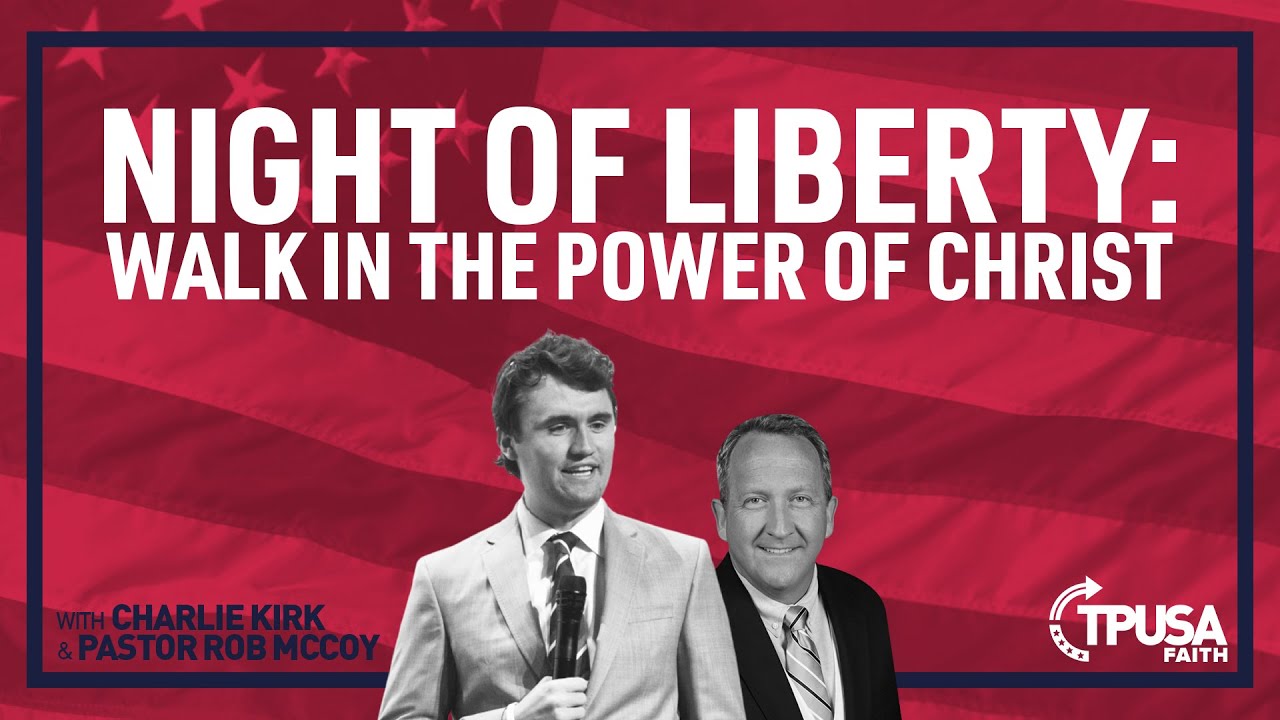
Charlie Kirk and Pastor Rob McCoy on Biblical Foundations of Politics, Trans Ideology, and America's Role in Global Conflicts
1:36:42
Charlie Kirk and Pastor Rob McCoy Reveal Why Churches Must Resist Coming Lockdowns and Medical Tyranny
1:23:00
Pastors Richard Jesse and Rob Explain Why Churches Must Speak on Politics and Cultural Issues
Three pastors in Southern California discuss the challenges and necessity of addressing political and moral issues from the pulpit. Richard, an African-American pastor in liberal Los Angeles, shares how speaking boldly in 2016 caused some to leave his church but drew others seeking biblical answers. Jesse of Foothills Church was the only pastor in the San Fernando Valley to keep his church open during lockdowns, while also counseling young people confused about gender identity. Rob, both a former city councilman and pastor, argues that the church abdicated its responsibility in the public square 50 years ago and must return to shaping community morality through political engagement.
Addressing Government and Politics from a Biblical Perspective
When congregants complain about hearing politics from the pulpit, Richard responds with a biblical foundation. He explains that government appears throughout scripture, from the book of Exodus to Romans, because God created government, policies, and laws. Kings in biblical times can be viewed as equivalent to presidents today, and political officials are woven throughout both the Old and New Testament narratives.
Richard acknowledges receiving pushback from some who say it's too much, but he believes the current state of the world demands an offensive approach. Churches must address what's in the room rather than avoiding uncomfortable topics.
The Cost of Speaking Truth in Liberal Los Angeles
Speaking out on these issues in Los Angeles is far from easy, according to Richard. The area where he pastors is particularly liberal, creating multiple challenges. As an African-American pastor, he faces a specific cultural expectation to go along with established norms. When he breaks from those expectations, the culture treats him worse than an infidel.
In 2016, Richard spoke very boldly about the issues surrounding the election. The result was a departure from the church as some members left. However, the story didn't end there. His courage in speaking biblical truth drew more people who were actively looking for answers from the pulpit. This experience taught him that while cowardice is contagious, courage is equally infectious.
Moral Issues, Not Just Political Ones
Richard emphasizes that these aren't really political issues at all—they're moral issues. As Christians possess the truth and serve as the moral compass, they have a responsibility to speak on these matters. If pastors remain silent, both their congregations and the country suffer the consequences.
Jesse teaches his congregation everything Jesus taught, which includes morality, God's commands, the value of life, and the importance of equality rather than equity. His church emphasizes loving everyone the same regardless of race and refuses to allow racial politics to divide the congregation.
Standing Against Lockdown Orders
Jesse of Foothills Church in Southern California demonstrated exceptional courage during the pandemic. He was the only pastor in the San Fernando Valley to remain open during the lockdown orders, defying the governor. This decision brought quite a bit of pushback, with critics telling him he shouldn't be talking about politics and should stick to preaching the gospel.
Jesse's response was clear: the church does preach the gospel, but Jesus commanded believers to teach everything He taught. Part of that teaching involves morality, God's commands, the value of life, and biblical equality that transcends racial divisions.
Counseling Youth Struggling with Gender Identity
When asked about handling situations where a congregant's daughter thinks she's a man, Jesse shared that Foothills Church has experienced this scenario many times. The church employs counselors who, while not licensed, provide biblical guidance to young people struggling with these issues.
In one particular situation, a young man came in for counseling and, by God's grace, came to believe the truth. Jesse describes gender confusion as a lie implanted in kids who are searching for truth but don't know where to find it. They turn to social media where people encourage them in false directions, and they lean into those lies because genuine truth isn't being presented.
Jesse connects this issue to Ephesians, noting that fathers are commanded not to provoke their children to anger. When parents fail to train their kids in truth, those children grow up finding life hollow and unsatisfying. They fail and become provoked to anger. The church's job is to intervene before they reach that point.
He predicts that many young people will open their eyes in five years and wish someone had told them the truth instead of lying to them. Affirmation, he argues, is not the loving response—it's actually the opposite.
The Church's Abdication from the Public Square
Rob, who serves as both a pastor and former city councilman, has always desired to see the church step back into the ekklesia—the public square. Most people think this word simply means church, but deeper study reveals it refers to public civic engagement.
According to Rob, the church abdicated its responsibility in the public square approximately 50 years ago. Many church leaders believe politics is dirty and hate even the word politics. However, both Rob and Charlie understand that politics is actually the highest form of community morality and sociability.
When Rob first met Charlie, he was serving as both a city councilman and a pastor. This combination connected them because the idea that you can be a Christian and be in politics was something Charlie had never encountered before. Rob emphasizes that good government happens with good people, and the reason we have bad government is because good people aren't participating.
Writing the Script for Cultural Change
Rob invokes the classic truth that all that's necessary for evil to prosper is for good men and women to do nothing. Christians must step into the middle of political and cultural battles rather than retreating to safety.
He shares a powerful line: politicians are actors performing a script written by the audience. If the church isn't writing the script, they have no role in the performance. And if they have no role in it, they have no say in how it unfolds. This metaphor captures why Christian withdrawal from politics has led to the cultural decline many believers now lament.