Podcast Hosts Argue Charlie Kirk's Death Exposes How Selectively America Mourns Black and Palestinian Lives
Enjoying this? Share it with someone who needs to see it.
Up Next
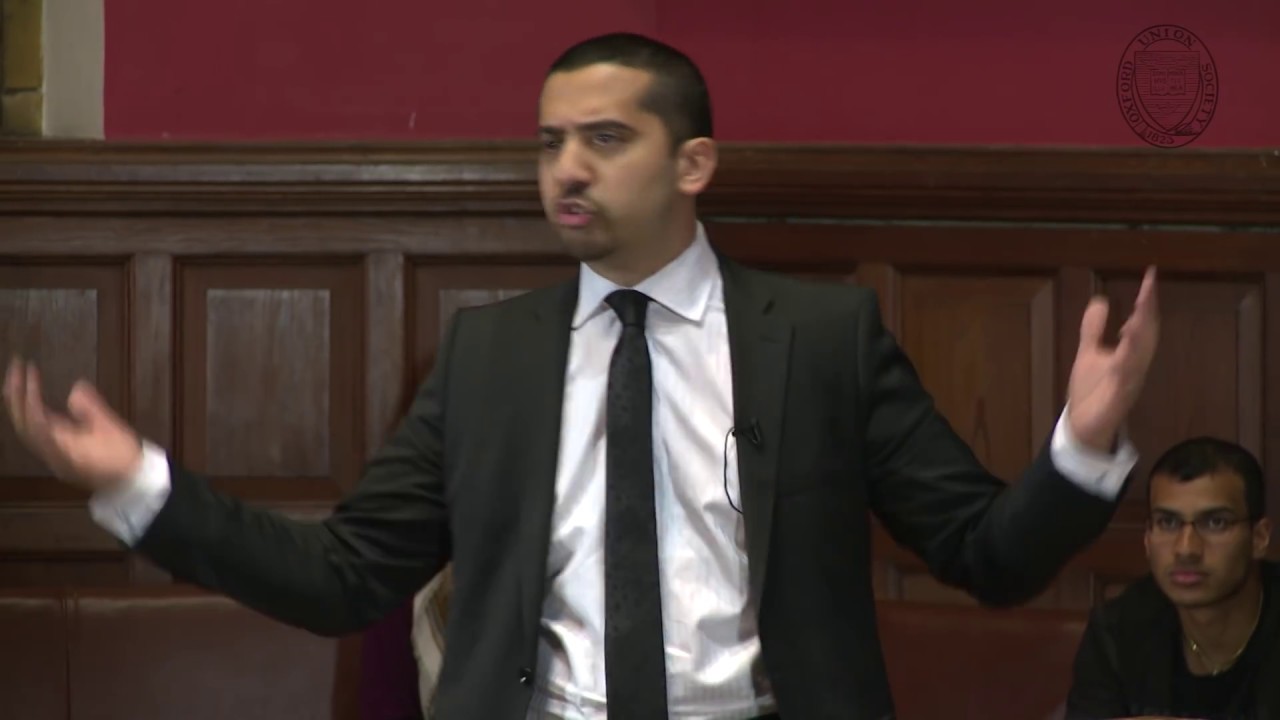
Mehdi Hasan Defends Islam as a Religion of Peace at Oxford Union Debate
13:49
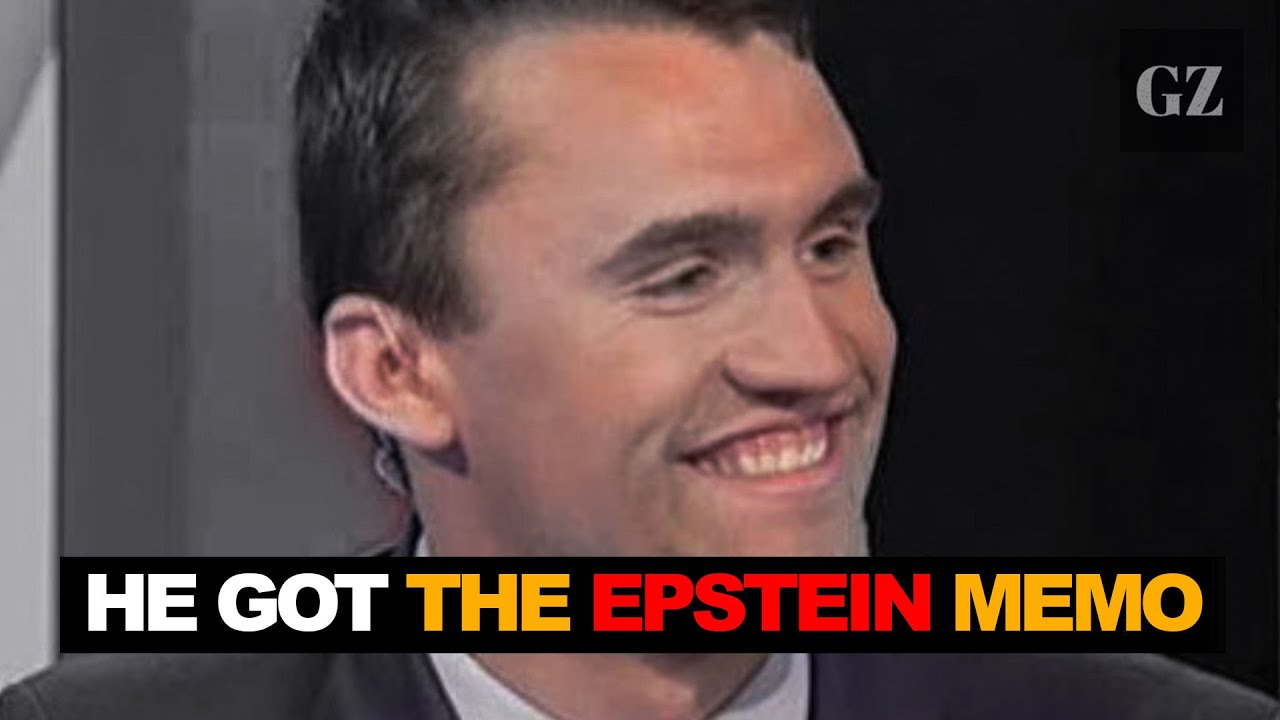
Charlie Kirk Shifts Position on Israel After Grassroots Conservative Youth Movement Challenges TPUSA's America First Credentials
11:45
Tim Black Responds to Charlie Kirk's Controversial Statements on Race, DEI, and Civil Rights Act
14:48
Podcast Hosts Argue Charlie Kirk's Death Exposes How Selectively America Mourns Black and Palestinian Lives
Two podcast hosts, Briahna Joy-Gray and Katie Halper unpack why so many Black commentators reacted differently than white liberals to the outpouring of grief following Charlie Kirk's death. They point to writers like Ezra Klein and Elie Mystal publicly saying they saw themselves in Kirk, and argue that same empathy has never been extended to Palestinians or to George Floyd. The hosts play a clip of Kirk joking about gay people and Gaza at an event in Arizona, walk through the panic over the shooter's Bella Ciao reference, and use a personal story from law school to explain why so many people can't recognize Kirk's rhetoric as racist unless the word Black is swapped out for Jewish. They also draw a line between maintaining personal relationships across political disagreement, using Marianne Williamson and Glenn Greenwald as examples, and excusing an ideology outright.
Why Black Commentators See Something Different in the Reaction
One host opens by observing that regardless of how progressive someone is politically, there's a pattern she's noticed among Black commentators specifically in the wake of Charlie Kirk's death: a shared recognition of what his public life actually represented. She contrasts that with the reaction from a number of liberal writers, including Elie Mystal and Ta-Nehisi Coates, who she says expressed outrage and confusion that anyone would criticize how Kirk lived his life rather than mourning only his death.
I See Myself in Charlie Kirk
The host says she was genuinely disturbed by how many people on the liberal left, including podcasters, content creators, and writer Ezra Klein, who closed a piece with the line I see myself in Charlie Kirk, expressed that they personally identified with him. She says she understands the instinct not to want to see anyone killed, but argues there's a simpler way to express that: state plainly that killing people is wrong, without feeling the need to praise the person's debating skills or personality in the process.
Whose Grief Counts?
The hosts argue that Kirk's death has been treated as uniquely tragic in a way that ignores a much larger death toll they say has gone comparatively unmourned by the same commentators, referencing over 680,000 lives lost in Palestine. One host says she has never heard Ezra Klein or similar commentators say I see myself in you about Palestinians, or about George Floyd, and argues that the intensity of public grief over Kirk's death reveals how uniquely hallowed white lives are treated in American discourse compared to Black or Palestinian ones.
A Clip From Arizona
To illustrate the substance of Kirk's public rhetoric, the hosts play a clip of him speaking at an event in Arizona, joking that gay people visiting Gaza would be thrown off buildings, adding that there aren't any tall buildings left, and following it with a joke about Muslims and Jews. One host says watching the clip left her physically disturbed, comparing her visceral reaction to seeing footage of children who had lost limbs in Gaza, and says she'd be more concerned about her own moral compass if she hadn't felt that same reaction to both.
Why Anti-Black and Anti-Palestinian Rhetoric Gets a Pass Antisemitism Doesn't
The hosts argue there's a double standard in what kind of bigotry society treats as unacceptable. They say plenty of people privately hold anti-Jewish views while publicly identifying as Zionists, because open antisemitism carries real social consequences, in a way that open anti-Black or anti-Palestinian rhetoric often doesn't. One host says flatly that had Ezra Klein written the same tribute about someone who said similar things about Jewish people instead of Black people or Palestinians, the piece would never have been published.
The Bella Ciao Confusion
The hosts discuss the rush by some commentators to frame Kirk's killer as a leftist, saying they were relieved when early claims tied to the Italian anti-fascist song Bella Ciao turned out to be a misunderstanding, joking that references initially assumed to be political were reportedly tied to gaming culture instead.
Personal Relationships Versus Political Excuses
One host draws a distinction between how she navigates disagreement with people she has real relationships with, citing her friendship with Marianne Williamson, and excusing an ideology she doesn't substantively agree with. She says she owes friends the respect of confronting disagreements directly rather than talking about them behind their backs, but that this personal courtesy is different from softening a political critique. She compares this to legal scholar Cass Sunstein reportedly citing his personal relationship with Henry Kissinger as a reason to overlook Kissinger's record in Cambodia, and argues that knowing someone personally shouldn't change a person's substantive position. The hosts agree that commentator Glenn Greenwald would likely have responded to Kirk the same way regardless of what Kirk had said, distinguishing that kind of consistency from selective outrage.
A Law School Story About Selective Outrage
One host shares a story from law school, when a private email written by a classmate who used explicitly racist language about Black people and genetics became public and briefly national news. She recalls classmates asking her to explain exactly why the email was racist, and says when she suggested substituting any other race for Black, people immediately understood the problem. She argues the reason people didn't see it clearly when the subject was Black people is that, on some level, they agreed with the sentiment.
Charlie Kirk's Project of Normalizing Racism
The hosts conclude that a significant part of Kirk's public project was making it socially comfortable to say openly what many people already privately believed about Black people being inferior. They argue that in the days after his death, when critics circulated clips of Kirk's past comments, a common response was confusion about why those comments were considered racist at all, which the hosts say only proves how effectively Kirk normalized that rhetoric while he was alive.





Comments
Be the first to comment on this video.