Briahna Joy-Gray Challenges Charlie Kirk's Comments on Black Pilots and Affirmative Action Myths
Enjoying this? Share it with someone who needs to see it.
Up Next
Heated Debate Over Charlie Kirk DEI Comments and Valorizing Public Figures After Death
11:12
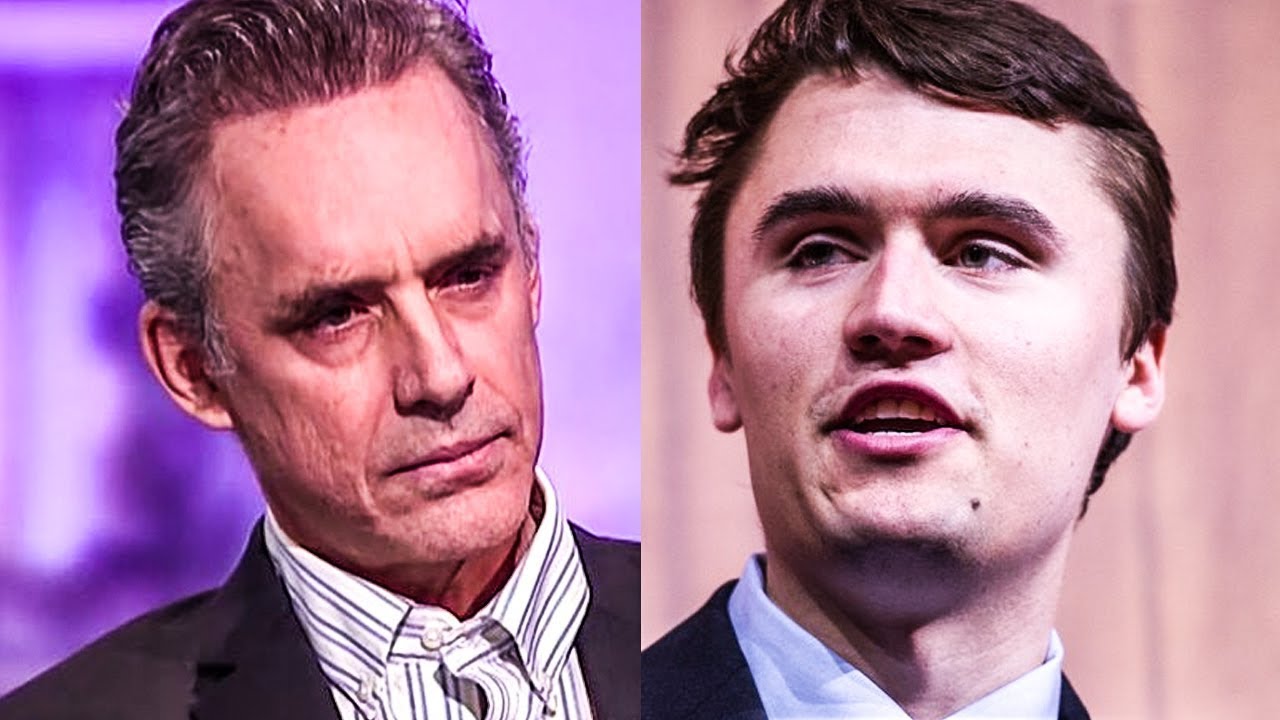
Sam Seder Critiques Jordan Peterson and Charlie Kirk Discussion on Fatherlessness in Black Communities
9:29
Tim Black Responds to Charlie Kirk's Controversial Statements on Race, DEI, and Civil Rights Act
14:48
Briahna Joy-Gray Challenges Charlie Kirk's Comments on Black Pilots and Affirmative Action Myths
Briahna Joy-Gray dissects the controversy surrounding Charlie Kirk's statements about black pilots and affirmative action, dismantling common misconceptions about qualification standards and systemic racism. Gray challenges the narrative that affirmative action lowers standards, pointing to the historical reality of discrimination favoring unqualified white candidates and the statistical fact that no commercial plane crash in America has been piloted by a black pilot. She critiques how conservatives have eroded academic institutions that provided foundational education on systemic racism, while calling out white leftists for failing to demonstrate genuine allyship when confronted with obvious racism. Gray argues that true kindness requires more than surface-level pleasantries, demanding concrete actions that actually cost something.
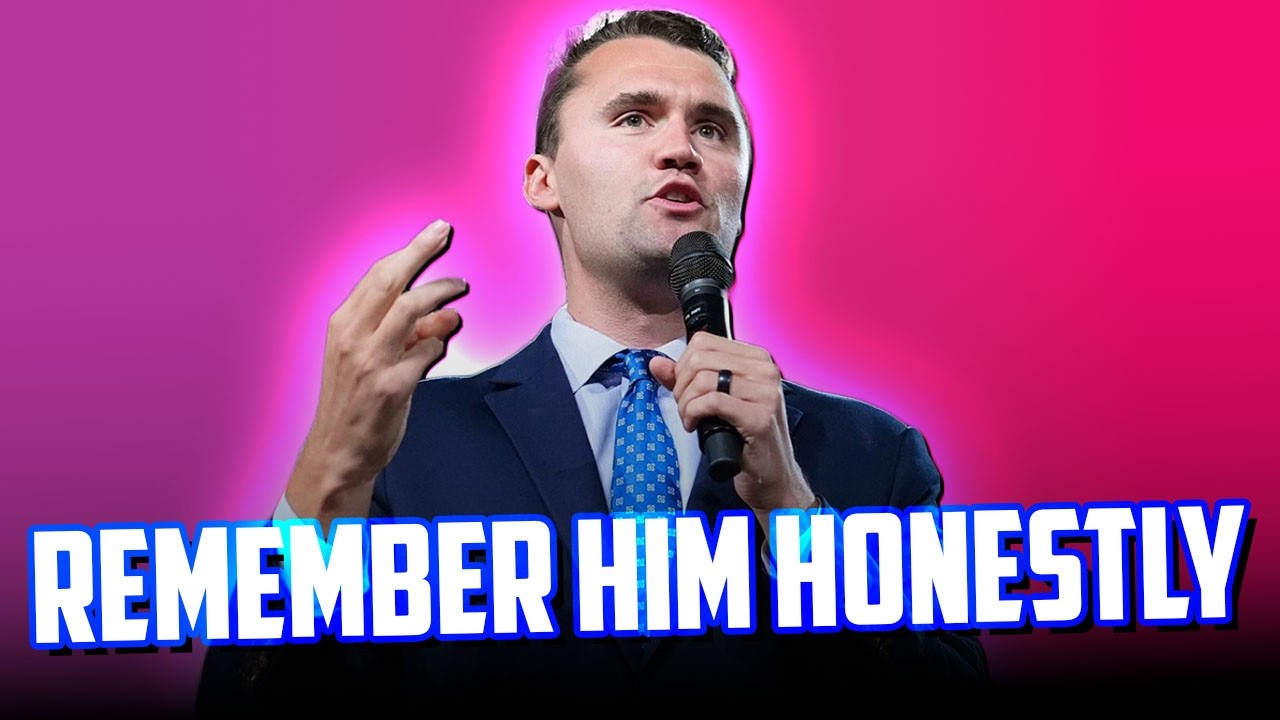
A discussion emerged around statements made by Charlie Kirk regarding black pilots and their qualifications, sparking intense debate about racism and affirmative action. Kirk's comments suggested that seeing a black pilot should raise questions about flight safety, claiming they likely achieved their positions through affirmative action rather than merit. He also made specific statements about three individuals, including Ketanji Brown Jackson, suggesting their brains lacked "processing power" and that they obtained their positions due to affirmative action rather than qualifications.
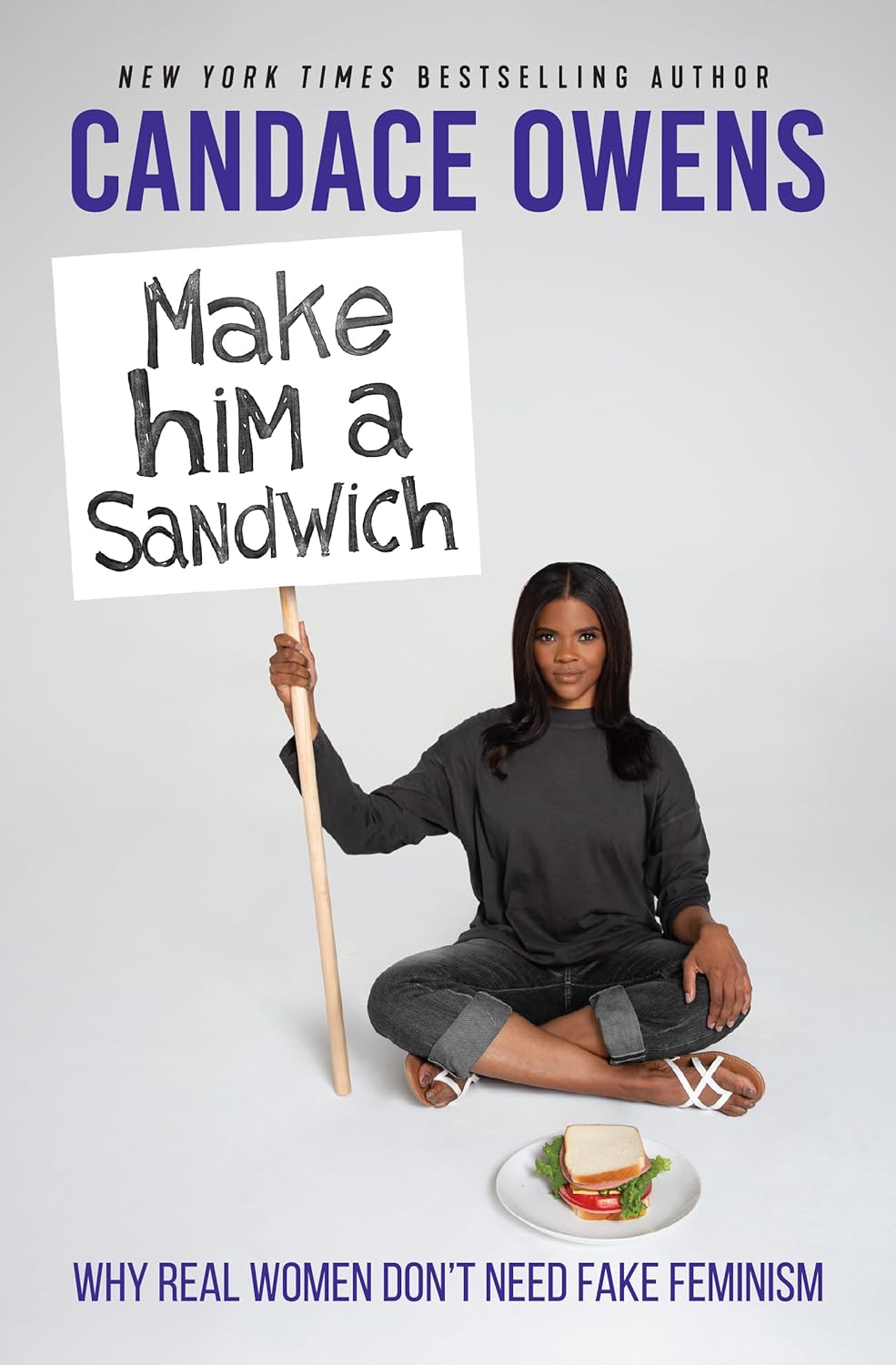
A journalist who retweeted these statements was subsequently fired from her position, highlighting the professional consequences of amplifying such rhetoric. The incident prompted responses from various commentators, including Candace Owens, though the focus remained on the fundamental question of whether Kirk's statements constituted racism.
Addressing Misconceptions About Affirmative Action
Briahna Joy-Gray directly challenged defenders of Kirk's statements, including a commenter named Buster who claimed there are "lower standards for blacks." Gray systematically dismantled this misconception, explaining the actual purpose and function of affirmative action policies.
The reality, Gray explained, is that affirmative action exists to counteract active discrimination against black people and in favor of unqualified white people who obtain positions based on their race. She cited statistical evidence showing that white convicts have a higher likelihood of employment than black college graduates, demonstrating the systemic barriers affirmative action aims to address.
Gray emphasized that affirmative action operates above a standard of qualification, not below it. Once candidates meet qualification standards, race can be considered as one factor among many. This directly contradicts the narrative that affirmative action lowers standards or places unqualified individuals in positions of responsibility.
The Case of Ketanji Brown Jackson
Addressing Kirk's specific comments about Supreme Court Justice Ketanji Brown Jackson, Gray highlighted the absurdity of questioning her qualifications. She described Jackson as "one of the most decorated, academically high achieving people on the planet right now," someone whose intellectual capacity far exceeds her critics and who could easily demonstrate their foolishness with minimal effort.
The targeting of someone with such impeccable credentials reveals the bad faith nature of arguments claiming affirmative action places unqualified people in positions. If even someone of Jackson's caliber can be dismissed as an affirmative action hire, it exposes how such arguments function as thinly veiled racism rather than legitimate concerns about qualifications.
The Aviation Safety Reality
Gray presented a striking statistic that demolishes Kirk's fearmongering about black pilots: there has never been a commercial plane crash in America piloted by a black pilot. This fact stands in stark contrast to the numerous incidents involving white pilots, yet Kirk suggested passengers should question their safety when they see a black pilot.
She contrasted this with actual aviation safety issues, such as the problems at Boeing where white executives and institutionalists made decisions that compromised safety, leading to incidents like doors flying off planes. These failures by predominantly white leadership in the aviation industry rarely prompt discussions about white people's qualifications or suitability for their positions.
The disparity in how safety concerns are attributed reveals the racial bias at play. Real safety failures by white decision-makers go unremarked in racial terms, while black pilots with perfect safety records are subjected to racial suspicion.
The Erosion of Academic Institutions
Gray traced the confidence of commenters like Buster to a broader cultural shift in how Americans understand systemic racism and social equality programs. She recalled learning about these issues in the 1990s and early 2000s, when there was baseline education about how the world works and why social equality programs were necessary.
She criticized Democrats for abandoning the defense of these policies and the underlying narrative about systemic racism. Conservatives have successfully attacked sociology programs and academic institutions that provided intellectual foundations for understanding why equality doesn't exist in practice.
Making matters worse, Gray noted, half the left has joined in criticizing critical race theory and "wokeness," conceding ground on the edges while allowing the core educational infrastructure to be dismantled. This has created an environment where people with only a "Twitter education" feel confident making ignorant statements about race and qualifications.
White Leftist Allyship Under Question
Gray expressed frustration with how some white leftists responded to Kirk's death, emphasizing that he was "nice to them" rather than confronting his obvious racism. She reflected on spending much of her professional life avoiding discussions of racism to avoid being characterized as a bad faith actor or as someone weaponizing the "race card."
This careful approach, she explained, was partly out of sensitivity to white leftists frustrated by how identity was weaponized during the Bernie Sanders campaign cycles. She showed grace and avoided identity-focused critiques even when they might have been warranted.
However, when some white leftists responded to Kirk's death by emphasizing his personal kindness to them rather than acknowledging his racism, Gray felt that grace was not reciprocated. She stated bluntly: "You're not beating the allegations, white left. Like, you're not like I tried with you guys. I tried. I defended you the best I could. But you're not beating the allegations that you're not good allies when that's your first move."
Redefining Kindness and Niceness
Gray challenged the notion that superficial pleasantries constitute meaningful character assessment. She argued that Kirk's politeness in putting his arm around her for a photo after a debate where he treated her poorly doesn't qualify as genuine kindness.
Drawing on a New York cultural perspective, she contrasted southern-style surface niceness with the kind of concrete help that actually demonstrates care—like helping someone with a stroller up stairs without being asked. Real kindness, she argued, costs something more than a pat on the back and a smile.
She questioned why anyone should be impressed by someone not calling them a "dumb bitch" in the hallway, pointing out that this is the bare minimum of decent behavior. Meaningful kindness would involve actions like bailing someone out financially in a pinch or offering housing when they have nowhere to stay—actions that actually reflect on character.
The Performative Nature of Bad Faith Debates
Addressing the idea that Kirk should receive credit for debating people, Gray dismissed this as meaningless. She pointed out that his debates weren't good faith exchanges aimed at discovering truth, but rather performances intended to win and humiliate opponents.
This performative aspect undermines any claim that participating in debates demonstrates intellectual openness or kindness. When the goal is humiliation rather than understanding, the debate format becomes just another venue for the same bad faith engagement that characterized Kirk's other work.
The Burden of Compulsory Empathy
Gray expressed resentment at feeling compelled to clarify that she wasn't happy about Kirk's death, comparing it to how discussions of Palestine rarely require Zionists to express sadness about Palestinian deaths before defending Israeli actions.
She found it particularly galling given Kirk's emphatic rejection of empathy as a concept, which he considered a left-wing weakness. The fact that her own humanity compelled her to acknowledge his life's intrinsic value, even as he rejected empathy as a principle, irritated her.
This asymmetry—where one side must constantly perform empathy while the other actively rejects it as a value—exemplifies the unfair emotional labor demanded of those critiquing racism and other systems of oppression.











Comments
Be the first to comment on this video.