Brandon Tatum Defends Charlie Kirk Against Pastor Critics Calling Him Racist and White Supremacist
Enjoying this? Share it with someone who needs to see it.
Up Next
Victor Davis Hanson on Cancel Culture, Charlie Kirk's Death, and the Double Standards in Public Discourse
9:07
Debunking Viral Lies About Charlie Kirk and DEI: Setting the Record Straight on Misquoted Claims
11:14
Brandon Tatum Reacts to Tom MacDonald's Charlie Kirk Tribute Song and Shares Memories of His Friend
9:31
Brandon Tatum Defends Charlie Kirk Against Pastor Critics Calling Him Racist and White Supremacist
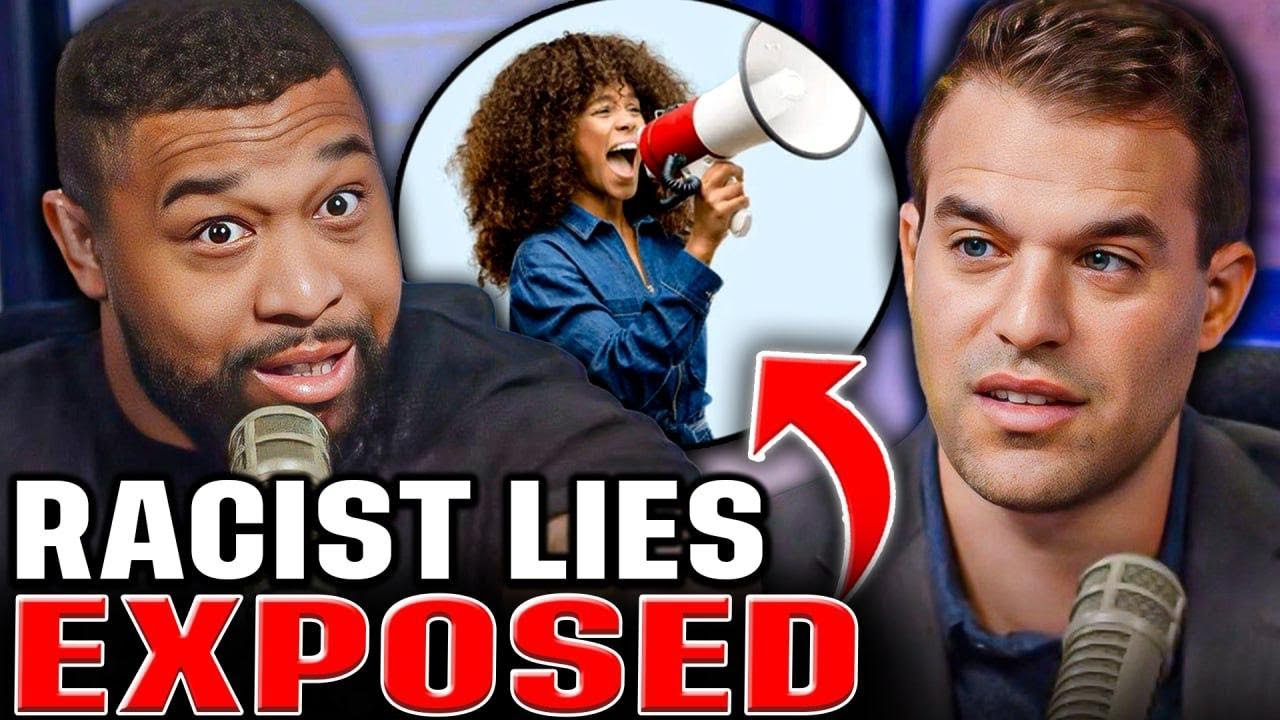
Brandon Tatum responds to two pastors who criticized Charlie Kirk following his death, defending Kirk's character and faith. Tatum challenges claims that Kirk was racist, pointing to their collaboration since 2017, including organizing the first Black Leadership Summit at the White House. He confronts Jamal Bryant and another pastor who refused to honor Kirk, questioning their spiritual discernment and arguing that Kirk lived according to biblical principles. Tatum addresses controversial topics including the criticism of Ketanji Brown Jackson's Supreme Court nomination, comparisons to George Floyd and Martin Luther King Jr., and broader issues facing the black community.
Brandon Tatum addresses video clips of pastors speaking negatively about Charlie Kirk following his death. The first pastor expresses reluctance to celebrate Kirk's life, stating he was "overwhelmed" seeing American flags at half-staff for someone he characterized as "an unapologetic racist" who spent his life "sowing seeds of division and hate." The pastor compares the public mourning for Kirk to the lack of attention for other deaths, questioning why he should have compassion for someone "who had no respect for my own life."
The pastor continues, declaring there is "nowhere in the Bible where we are taught to honor evil" and that "how you die does not redeem how you lived." He refuses to celebrate Kirk as a hero in death when he considers him to have been "a weapon of the enemy" in life.
Tatum Defends Kirk's Faith and Character
Tatum responds forcefully, questioning the pastor's spiritual discernment and suggesting he should have listened to Kirk's actual content before making judgments. He challenges viewers to understand why millions mourned Kirk's death, why flags flew at half-staff, and why his social media following increased dramatically after his passing, with 87 million views of his material in one week.
According to Tatum, the answer is simple: Kirk was a man of God, and people feel the loss when someone with that much power and authority who "put God first in everything he did" passes away. Tatum argues that if the pastor had true spiritual discernment, he would recognize that "Charlie Kirk lived his life according to the scripture."
Personal Experience Working With Kirk
Tatum shares his personal relationship with Kirk, having worked together since 2017. He describes organizing the first Black Leadership Summit at the White House, which he characterizes as Kirk's idea to bring together black conservatives for an event that had never happened in the country's history. Tatum explains they paid for every attendee's airfare and hotel accommodations, with only one black donor contributing $20,000 while white supporters helped raise the majority of the funds.
"That man ain't never been racist to me. Charlie ain't got a racist bone in his body," Tatum states, defending Kirk against accusations of racism. He argues that people don't want to hear the truth from a black man and that criticisms of Kirk are rooted in his race rather than his message.
Addressing Controversial Comparisons
Tatum confronts the comparison between honoring Kirk and the public response to George Floyd's death. He argues that churches held moments of silence for Floyd, someone he characterizes negatively, while refusing to honor Kirk, who "honored Christ in everything he did." He suggests the double standard reveals racial bias against Kirk simply because he is white.
Regarding statements about black progress in earlier decades, Tatum asserts that "anybody that is a scholar knows that the growth and success of black people per capita in comparison to the growth and success of every other race was disproportionately better in the 30s, 40s, and 50s than it is today." He defends Kirk's right to make such observations, suggesting criticism stems from the messenger's race rather than the accuracy of the message.
The Ketanji Brown Jackson Controversy
Tatum addresses Kirk's comments about Supreme Court Justice Ketanji Brown Jackson, arguing that President Joe Biden created the controversy by announcing he would specifically select a black woman for the position. Tatum contends this approach made her "an affirmative action hire" because Biden prioritized race over stating she was the most qualified candidate. He argues Kirk simply pointed out what Biden did, and people are misdirecting their anger toward Kirk rather than Biden.
Criticism of Pastor Jamal Bryant
Tatum specifically calls out pastor Jamal Bryant, who also spoke against honoring Kirk. Bryant had stated concerns about "how America and the media is trying to remix a life of racism and white supremacy," citing Kirk's comments about Ketanji Brown Jackson, the Civil Rights Act, George Floyd, and Martin Luther King Jr.
Tatum responds by questioning Bryant's own moral authority, referencing allegations about Bryant's personal conduct, including infidelity and children born outside of marriage. He contrasts this with Kirk's faithful marriage to one woman and argues Bryant lacks the standing to criticize Kirk's character. "You the pastor screwing a woman at the church," Tatum states, questioning how someone with such alleged personal failings can judge Kirk.
Faith and Community Challenges
Tatum connects what he sees as spiritual decline to broader community challenges. He lists statistics about murder rates, education levels, income, abortion rates, marriage rates, children born outside of wedlock, and incarceration rates in the black community, asking why these problems persist. His answer focuses on spiritual disconnection: "Y'all ain't right with God."
He contrasts current conditions with an earlier era when, according to him, black families were more intact, with only 25% lacking fathers in the home, and when economic progress was stronger. Tatum argues the decline came from moving away from faith and allowing what he considers compromised leadership to guide communities. He criticizes prominent figures like Al Sharpton and Jesse Jackson as having "sold their people down the creek," arguing black communities declined rather than improved after the civil rights movement.
Tatum concludes by predicting that Bryant and pastors like him will not be remembered the way Kirk is being honored because they are not true men of God. He expresses frustration with what he sees as performative religion without genuine spiritual transformation, where congregants continue in sin without accountability and pastors prioritize material wealth over faithful ministry.