2,422 videos 1,389,747,653 views US Joined Aug 30, 2018
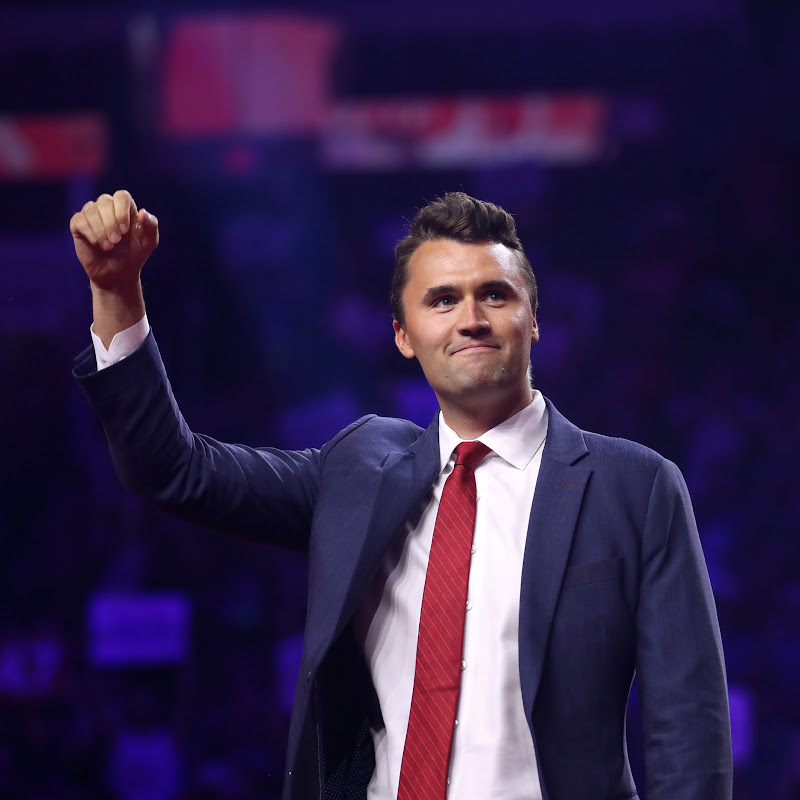
Charlie Kirk is the Founder and President of Turning Point USA, the largest and fastest growing conservative youth activist organization in the country with over 250,000 student members, over 150 full-time staff, and a presence on over 2,000 high school and college campuses nationwide. Charlie is also the Chairman of Students for Trump, which aims to activate one million new college voters on campuses in battleground states in the lead up to the 2020 presidential election. His social media reaches over 100 million people per month and according to Axios, he is one of the "top 10 most engaged" Twitter handles in the world. He is also the host of “The Charlie Kirk Show,” which regularly ranks among the top news shows on Apple podcast charts.
Robert Barnes Analyzes Kouri Richins Pre-Trial Hearing and Judicial Transparency in High-Profile Murder Case
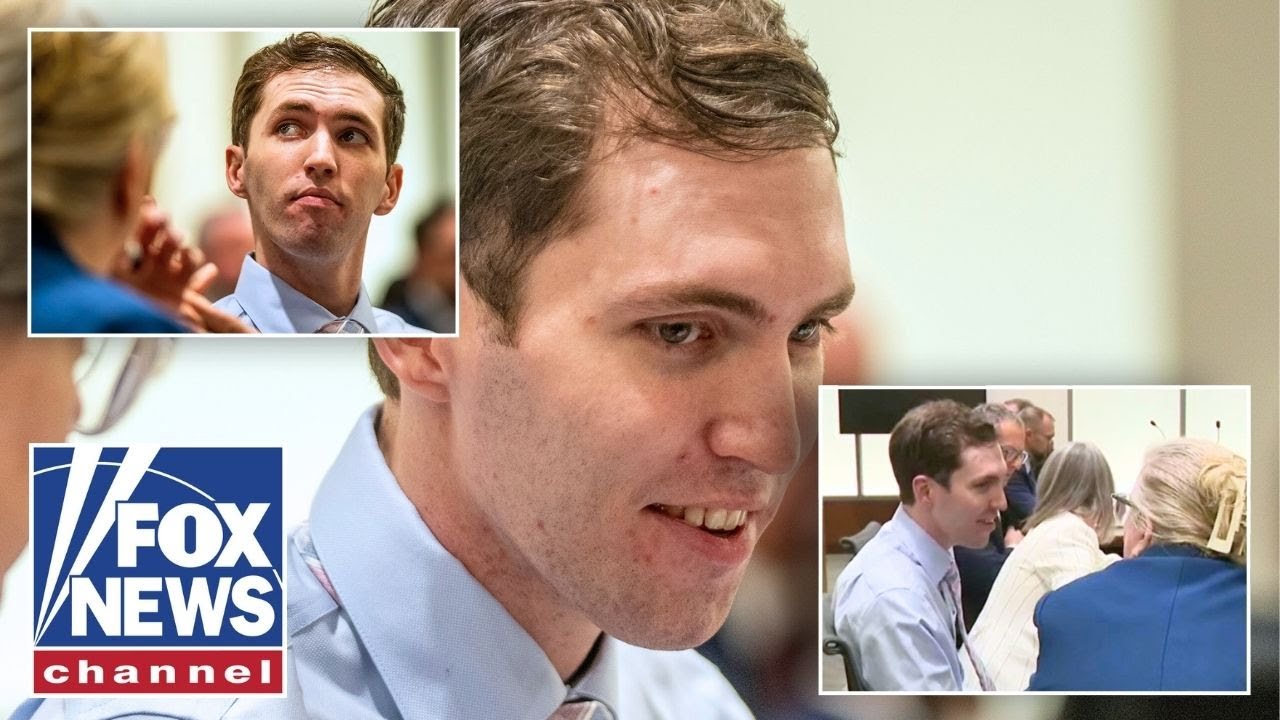
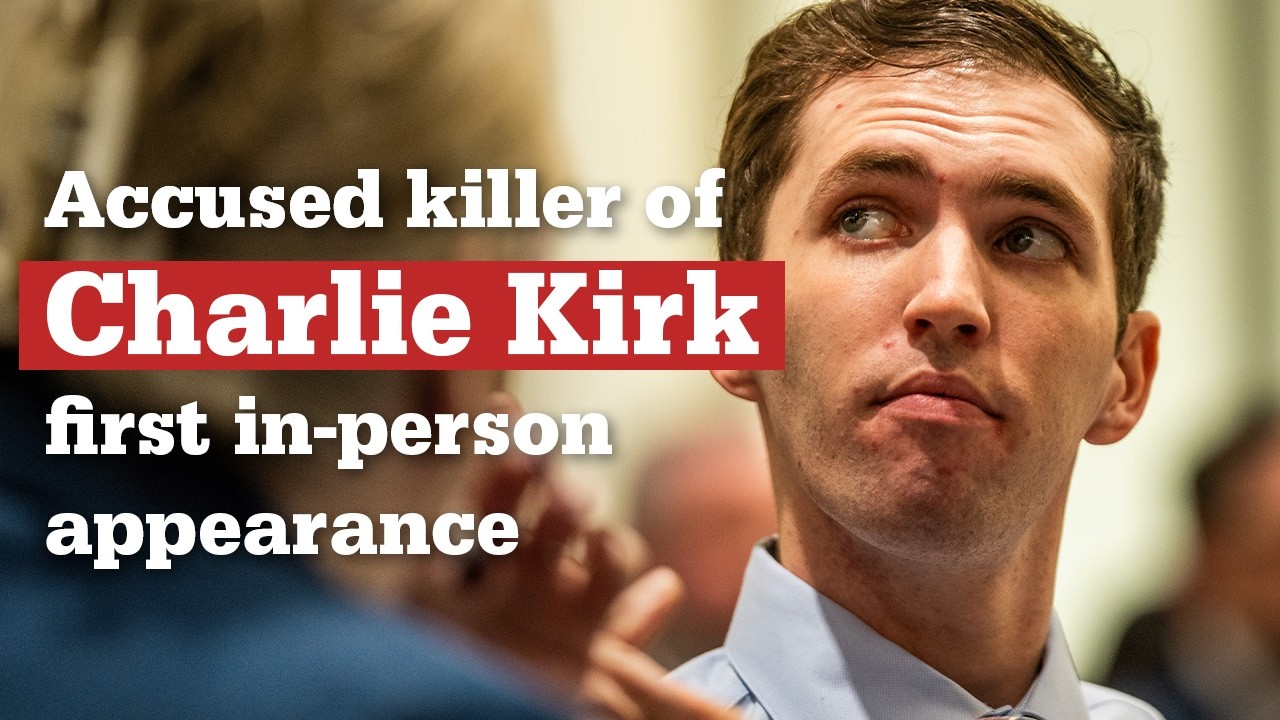
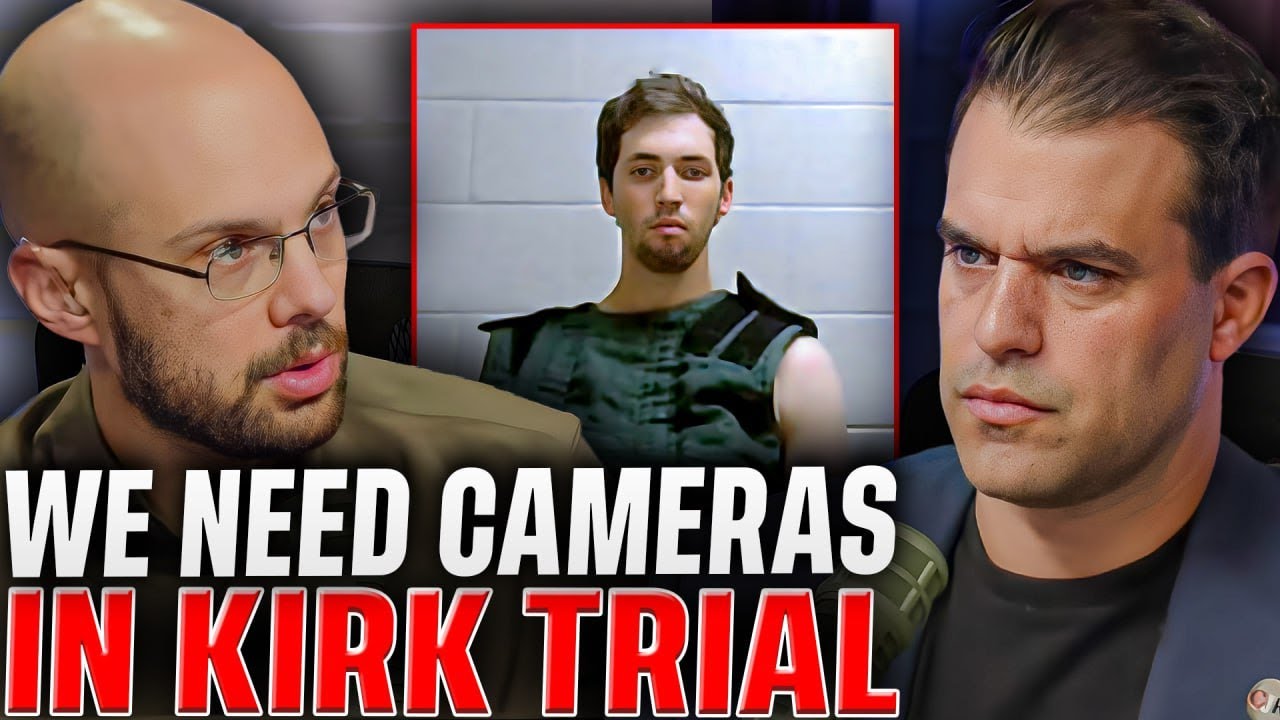
Robert Barnes, attorney and co-host of Viva and Barnes, breaks down the judicial proceedings in the Kouri Richins murder case, explaining how the judge is balancing defendant rights against public transparency. Barnes examines why the defense is fighting to exclude Lance Twiggs video recordings, what makes this preliminary hearing extraordinary compared to typical criminal proceedings, and how the court is affording the defendant far more due process than most criminal cases receive. He clarifies common misconceptions about pre-trial hearings versus actual trials and discusses the constitutional principles at stake when high-profile cases play out in both the courtroom and court of public opinion.
Constitutional Balance Between Defendant Rights and Public Transparency
Robert Barnes joined the discussion to provide legal analysis of the ongoing preliminary hearing in a high-profile murder case. Barnes explained that the judge faces a delicate balancing act between protecting the defendant's right to an impartial jury—which can be compromised by pre-trial publicity—and upholding the victim's rights to participate in meaningful hearings under Utah constitutional and state law. Additionally, the judge must consider U.S. and state constitutional rights of the media to access public court proceedings, as well as the public's right to open access to courts under the First Amendment's right to petition the government for redress of grievances.
Barnes noted that courts typically err on the side of secrecy, favoring sealed proceedings over public transparency because judges worry more about pre-trial publicity prejudicing the defendant than the harm caused by restricting public access to high-profile cases. He praised the judge for doing a better job than most at maintaining transparency, particularly given his relative youth and inexperience. Barnes emphasized that for the public to have confidence in whatever outcome emerges from the judicial process, full and complete open access to proceedings is essential, especially in cases that attract significant public attention.
Judge Rules to Admit More Lance Twiggs Video Recording Evidence
During the hearing, the judge reversed an earlier decision and ruled to admit more of the Lance Twiggs video recording into evidence. Barnes confirmed this significant development, explaining that the judge's decision reflects his attempt to balance competing constitutional interests. The defense had been fighting to exclude this video evidence, arguing that it could prejudice potential jurors through pre-trial publicity.
Barnes clarified an important distinction regarding pre-trial publicity concerns: these concerns primarily apply to evidence that will not be introduced at trial. When evidence is likely to be admitted during the actual trial—as the Twiggs video appears to be—there is far less reason to worry about it prejudicing the jury through pre-trial exposure. The jury will see this evidence anyway, so concerns about pre-trial publicity become less relevant. Furthermore, Barnes pointed out that jury selection questioning can effectively identify and exclude potential jurors who have been unduly influenced by pre-trial publicity, providing another safeguard against prejudice.
Defense Strategy and What It Reveals
When asked whether the defense's persistent objections and fights for secrecy suggest they believe the evidence is damning, Barnes agreed that this is likely the subtext. While acknowledging that the defense may genuinely believe some evidence could be excluded from the trial under stricter evidentiary standards, Barnes suggested their primary motivation appears to be limiting public exposure to damaging material.
Barnes noted that the defense has a standing objection, which means they don't need to repeatedly voice their objections during the hearing. The fact that they continue to do so indicates they're performing for the cameras, defending their client in the court of public opinion as well as the court of law. In high-profile cases, this dual defense strategy is part of a defense attorney's job.
Barnes was careful to defend the defense attorneys' role, responding to criticism from commentators like Rick Grenell and others. He emphasized that robust defense advocacy is constitutionally essential and that we should want defense attorneys to pursue every possible avenue to protect their clients' rights. This vigorous defense ultimately gives the public confidence in the judicial process and in whatever outcome the case produces—which Barnes predicts will be a conviction.
Extraordinary Due Process in This Case
Barnes stressed that Tyler Robinson is receiving far more due process than 99.9% of criminal defendants across the country and around the world. Most criminal defendants in the federal system never receive a preliminary hearing at all. Even those who do receive preliminary hearings at the state level typically get far less discovery, hear from fewer witnesses, don't see underlying exhibits, and don't get access to audio and video evidence in the comprehensive manner being provided in this case.
Criminal defendants rarely get to test witness credibility in front of the public and the entire world, nor do they typically receive a preview of how witnesses will perform at trial. Barnes described this level of transparency and process as extraordinary, noting that the court has gone out of its way to afford the defendant more due process, discovery, and evidentiary capability than almost any other criminal defendant in the country receives.
Why This Case Has Taken So Long
When asked about the key drivers behind the extended timeline and extensive process in this case, Barnes identified several factors. While the fact that this is potentially a capital case plays a role, the primary driver of delays and attempts to withhold information from the public has been the defense counsel. This strategy serves the defense's interests when the evidence is particularly damaging to their client.
Barnes clarified a common misconception: this preliminary hearing is not the trial itself, nor is it a full evidentiary hearing in the traditional sense. The hearing's purpose is to establish probable cause, a standard the prosecution has already met with ease. Many people commenting on social media have confused the nature of these proceedings, mistakenly treating the preliminary hearing as if it were the actual trial. The evidentiary and procedural standards are different, and the preliminary hearing serves a more limited purpose than a full trial would.