Tucker Carlson and Dave Smith Question FBI Investigation Into Charlie Kirk's Death and Neocon Response
Enjoying this? Share it with someone who needs to see it.
Up Next
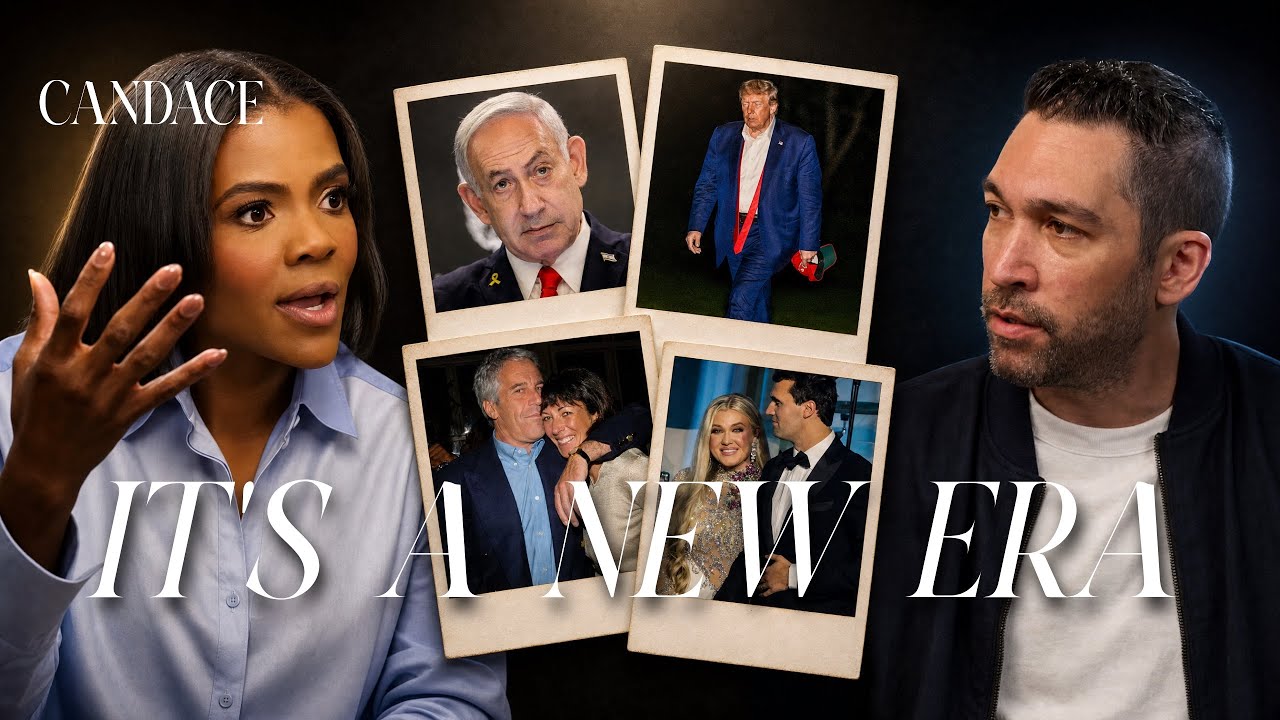
Dave Smith and Candace Owens Discuss the Charlie Kirk Assassination Investigation and the Israel Lobby's Influence
1:10:40
Examining Ian Carroll's Theory on Charlie Kirk's Assassination and Israel Connection: A Critical Analysis
37:33
Candace Owens and Ana Kasparian Unite Against Elite Control, War Propaganda, and Zionist Intimidation Tactics
1:25:29
Tucker Carlson and Dave Smith Question FBI Investigation Into Charlie Kirk's Death and Neocon Response
Tucker Carlson and Dave Smith examine the troubling response to questions surrounding Charlie Kirk's death, particularly from neoconservative figures whom Kirk openly opposed. Smith shares private text messages revealing Kirk's evolving views on foreign policy and Israel, pushing back against attempts to misrepresent his legacy. The conversation explores why the FBI shut down international investigations within days, Kirk's tension with Christian Zionist leaders and neocons, and his genuine transformation on foreign policy issues. Carlson and Smith argue that every American has an interest in seeing murders fully investigated, questioning why certain government agencies and political figures seem intent on shutting down legitimate lines of inquiry into what happened to one of the conservative movement's most prominent voices.
Dave Smith addresses a troubling pattern he's observed since Charlie Kirk's death: the very neoconservative figures whom Kirk openly opposed are now the loudest voices demanding that people stop asking questions about his death. Smith points out the irony that Kirk had been an open enemy of the neocons, even inviting Smith himself to Turning Point USA events—not because the kids at TPUSA grew up loving Dave Smith, but because Kirk wanted the audience to hear views he substantially agreed with.
Smith emphasizes that he knows this because he talked to Kirk about these issues extensively over the years. The fact that neocons—whom Kirk at best didn't trust and mostly really didn't like—are now leading the charge on shutting down inquiry strikes both Smith and Tucker Carlson as deeply suspicious.
Sharing Private Text Messages to Counter Legacy Hijacking
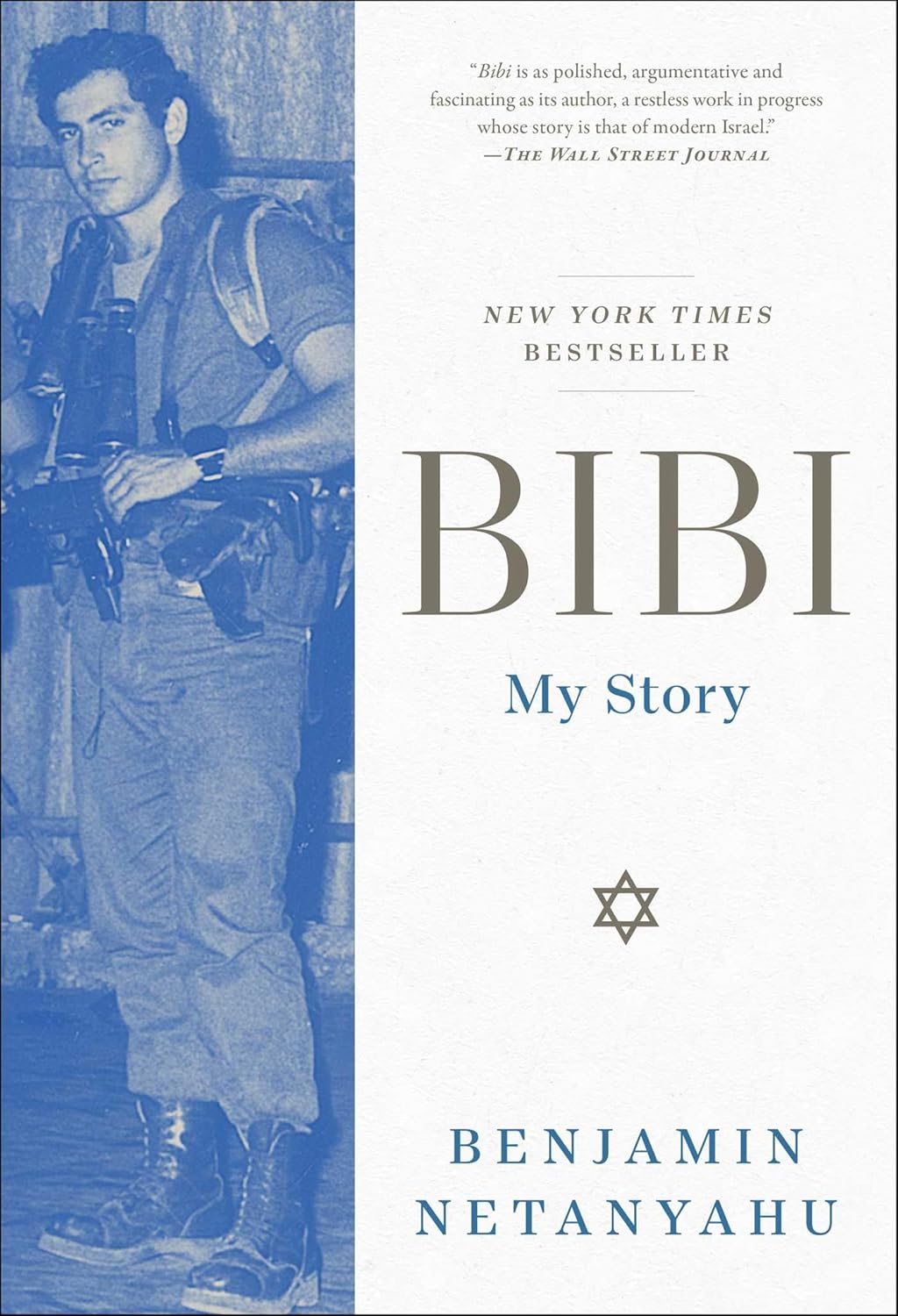
Smith reveals that he made the unusual decision to share private text messages from Kirk, acknowledging it's a weird thing to do and that he received some pushback for it. He explains that part of his motivation was Candace Owens asking him to, as she had lost someone she was very close to. But another major factor was watching figures like Benjamin Netanyahu and Josh Hammer immediately trying to hijack Kirk's legacy.
Smith expresses particular disgust at Josh Hammer's conduct, noting that Hammer did three interviews immediately after Kirk's death. The only reason anyone was interviewing Hammer was because he was in Kirk's circle, and every single time Hammer mentioned how much Kirk loved his book. Smith finds this behavior appalling, saying it's the most disgusting thing he's ever seen—essentially using Kirk's death to sell books.
Kirk's Evolution on Foreign Policy
Smith shares that right before Kirk died, Kirk called him and said something remarkable: "Man, I just wish everyone would listen to your podcast." Smith released this information because people were trying to claim there was no daylight between Kirk's positions and those of hardline pro-Israel neoconservatives like Ben Shapiro.
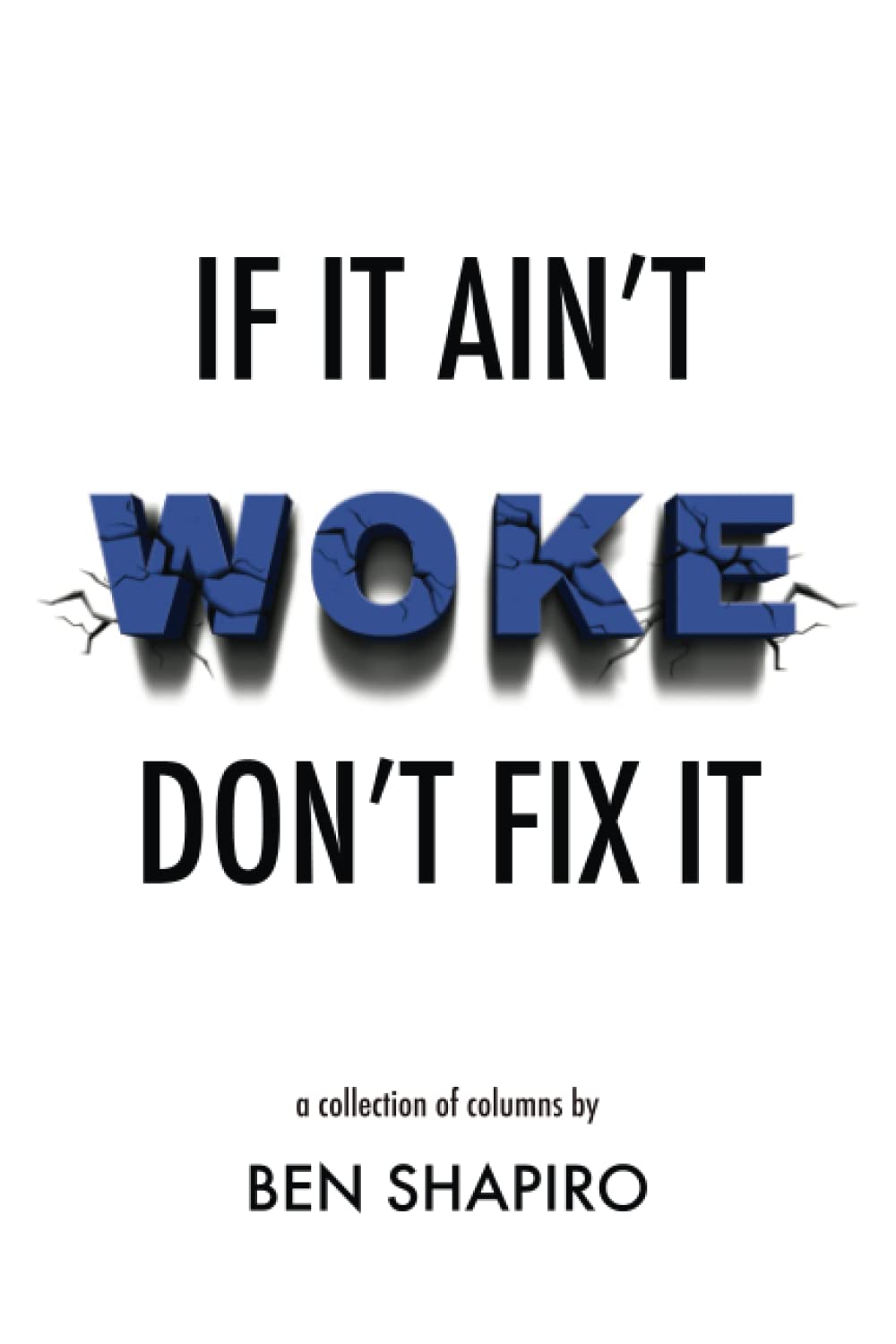
Smith reveals that Kirk texted him after his debate with Douglas Murray, saying he thought Smith did a great job and stating something along the lines of "believe it or not, I really didn't disagree with almost anything you said." Smith pointedly notes that Ben Shapiro wasn't sending him that kind of text message, making clear there was significant daylight between Kirk's evolving views and the neoconservative establishment.
Tucker Carlson confirms there was genuine hostility between Kirk and these figures—not just disagreement, but real tension. While Carlson clarifies he's not saying Kirk hated them as people, he emphasizes that Kirk did not agree with their positions at all.
Rejection of War With Iran and America First Principles
Carlson states definitively that Kirk certainly didn't agree with war with Iran. He also notes Kirk's complicated relationship with some Christian Zionist leaders. While Kirk loved Israel as a country, Carlson says Kirk had a complicated theology that Carlson didn't fully understand and still doesn't. However, Kirk flat-out rejected the idea that you would put another country before your own.
Carlson describes some of the Christian Zionist leaders as very aggressive, sharklike, very money-oriented and pushy, and says Kirk started talking about this openly. Kirk talked about it with Carlson privately a lot, and also discussed it publicly on Megyn Kelly's show. Kirk received strong reactions from a mixture of both Jewish Zionists like the figures Smith mentioned, as well as from evangelical leaders he grew up with.
Carlson confirms Kirk was upset with specific people and that they discussed it at length. Carlson says he could name names of who Kirk was upset with but won't because Kirk is gone. He expresses discomfort even talking about this but says he's offended by where the narrative around Kirk's legacy is going.
Every Murder Deserves Full Investigation
Carlson pivots to what he sees as the core issue: every American has an interest in every murder getting solved—not just getting solved, but fully solved. If you have a government agency shutting down a legitimate line of inquiry, at the very least you have to answer the question of why they're doing that.
Carlson references Joe Kent, who has said in public multiple times, including to Carlson, that the FBI shut down any effort to look into international connections within days of the killing. Carlson argues someone should ask the FBI why they did that, but no one seems willing to ask.
The FBI's Credibility Problem
Smith addresses his exchanges with Dan Bongino on social media, noting that people were trying to get Bongino to debate him. Smith explains that Bongino can't debate him and can't ever do a difficult interview again for the rest of his life because he's ended by one question.
Smith lays out the question: Bongino looked the American people in the eyes and swore that he had seen proof that Jeffrey Epstein killed himself. It's now been declassified by an act of Congress. Smith challenges Bongino to tell everyone what proof he saw, noting it's all declassified now except for a few exceptions related to national security or harm to victims. Smith asks how it could possibly be any of those exceptions for Bongino to simply tell people what he saw that made him comfortable enough to swear he had seen proof Epstein killed himself.
Smith specifically calls out Kash Patel and Dan Bongino on this issue, suggesting their credibility on questions of government investigation is severely compromised.
Certainty About Epstein's Murder
Carlson interjects with an important caveat about epistemology: while we say we know things, he always adds the caveat "to the extent you can know things." He acknowledges he's thought he's known many things and turned out to be wrong, so he could be wrong about this too.
However, Carlson states he believes he can say with certainty that Jeffrey Epstein was murdered. He emphasizes this is sincere—if you could x-ray his heart, you would find that he believes with total certainty Epstein was murdered and that people in the US government knew he was murdered.
Carlson makes clear he doesn't want that to be true, but he believes it is true. He says it's going to take a lot of evidence to show him that's false—he's always open to countervailing evidence because he's mindful of his capacity for being wrong, but his current belief is firm.
Pattern of Shutting Down Legitimate Questions
The conversation reveals a troubling pattern: government agencies and political figures shutting down legitimate lines of inquiry into high-profile deaths and suspicious circumstances. Whether it's the FBI closing international investigations into Kirk's death within days, or former government officials claiming to have seen proof of Epstein's suicide that they refuse to share even after declassification, the pattern suggests a systematic effort to prevent Americans from getting answers to legitimate questions.
Both Carlson and Smith express that everyone should be afraid of institutions that operate this way, and that fear is precisely why so few people are willing to ask the hard questions. The implication is clear: if you're afraid to ask questions about how someone died, especially someone as prominent as Charlie Kirk, then you're living under a system where truth matters less than power.