2,429 videos 1,392,106,835 views US Joined Aug 30, 2018
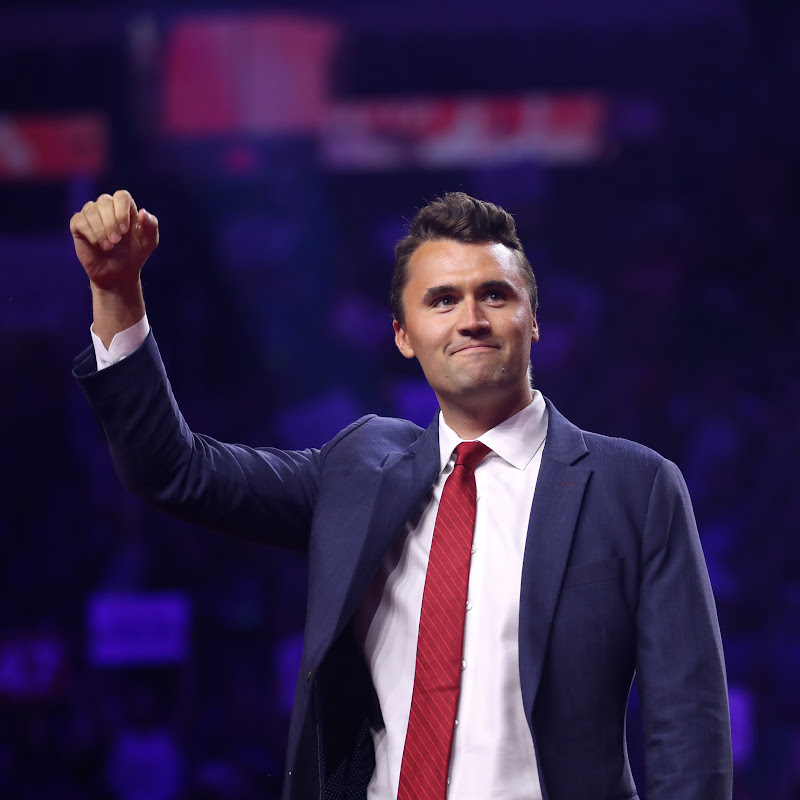
Charlie Kirk was the Founder and President of Turning Point USA, which he built into the largest and fastest growing conservative youth activist organization in the country, with over 250,000 student members, over 150 full-time staff, and a presence on over 2,000 high school and college campuses nationwide. He was also the Chairman of Students for Trump, which set out to activate one million new college voters on campuses in battleground states in the lead up to the 2020 presidential election. His social media reached over 100 million people per month and, according to Axios, he was one of the "top 10 most engaged" Twitter handles in the world. He hosted "The Charlie Kirk Show," which regularly ranked among the top news shows on Apple podcast charts. He was assassinated at Utah Valley University on 10 September 2025.
Tyler Robinson's Defense Admits He Killed Charlie Kirk, Argues Only Against Death Penalty Aggravators
Andrew Kolvet and Blake Neff break down the defense team's newly filed response in the Tyler Robinson murder case, and what's missing speaks volumes. Rather than contesting that Robinson assassinated Charlie Kirk on September 10, 2025, the 41-page brief focuses almost entirely on challenging aggravating factors needed for a death penalty charge in Utah. The defense concedes Robinson was at the scene, confessed to his roommate, and committed premeditated murder, but argues he was a careful shooter who endangered no one else and had no political motive. Kolvet and Neff walk through the filing's stunning omissions: no challenge to the DNA evidence, the confession, the surveillance footage, or the engraved bullets. Instead, the document spends pages arguing Robinson fired from a prone position, used only one round, and gave his roommate "altruistic" advice to lawyer up. The only conspiracy theories flooding social media, fisheye-distorted surveillance, mistaken identity, are nowhere in the defense's actual legal argument. What emerges is a strategic admission: Robinson killed Kirk, but the state shouldn't be allowed to seek execution.
Defense Filing Shocks Observers With What It Doesn't Contest
Andrew Kolvet opened the show by announcing a breaking development in the Tyler Robinson murder case: the defense had just filed a 41-page response to the state's motion regarding probable cause ahead of the September 1st preliminary hearing. What Kolvet and Blake Neff found in that filing left them stunned — not for what it argued, but for what it conspicuously failed to argue.
"The apparent defense strategy here isn't to prove that Tyler Robinson didn't kill Charlie Kirk," a Fox News legal analyst explained in a clip Kolvet played, "but that he didn't intend to kill anyone else and that therefore this should not be a death penalty case." The defense brief argued the state had failed to establish probable cause that Robinson "knowingly created a great risk of death to another than Charlie Kirk and himself."
"That is a bombshell," Kolvet said. "It is to me that's a bombshell."
The Dog That Didn't Bark: No Challenge to Core Murder Charge
Neff, who had spent the morning reading the entire brief, explained what made the filing so extraordinary: "It's what they don't say. This is a 41-page document where they're laying out their case on a whole bunch of things. And here's what is almost entirely missing from it: any effort to contest the core charge that Tyler Robinson committed murder on September 10th of last year."
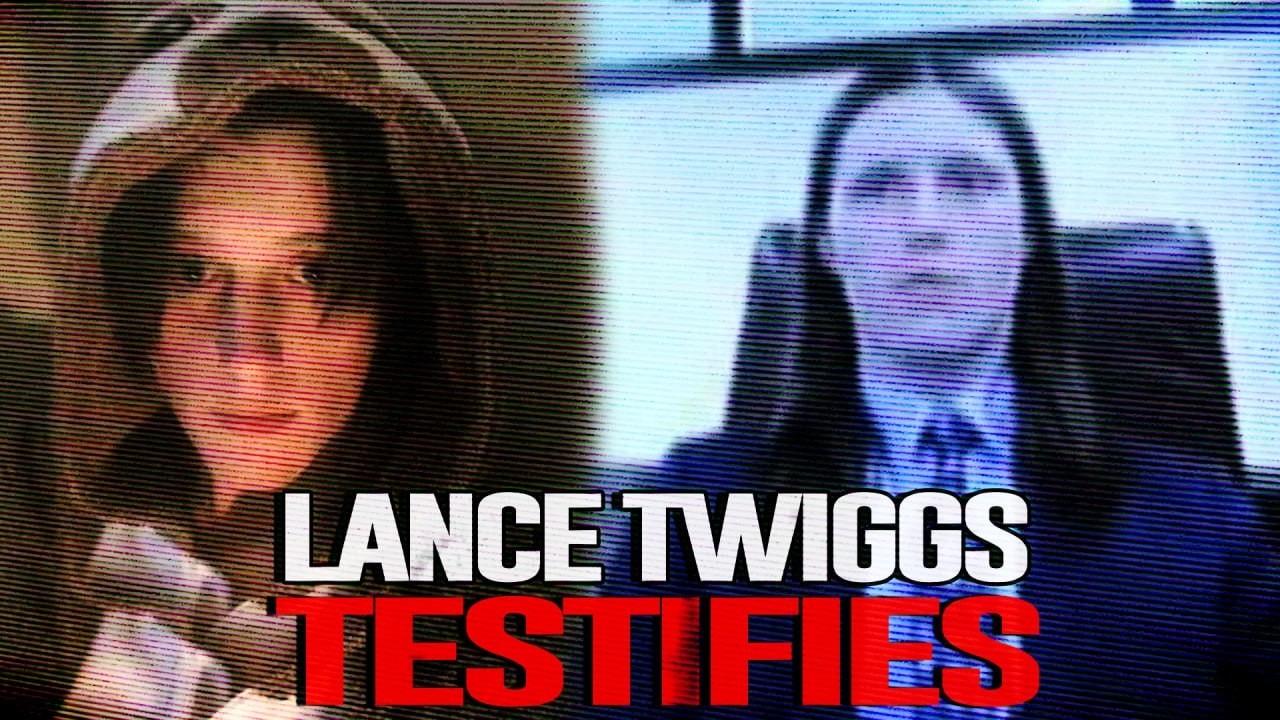
According to Neff, only one page out of 41 addressed the murder charge itself. That single page complained that testimony from Lance Twiggs — Robinson's roommate, to whom he confessed — should be excluded as hearsay because Twiggs didn't testify in person at the preliminary hearing. "The judge already ruled on this," Neff noted. "He said since it's a preliminary hearing, he doesn't need to be cross-examined in person. They can do that at an actual trial."
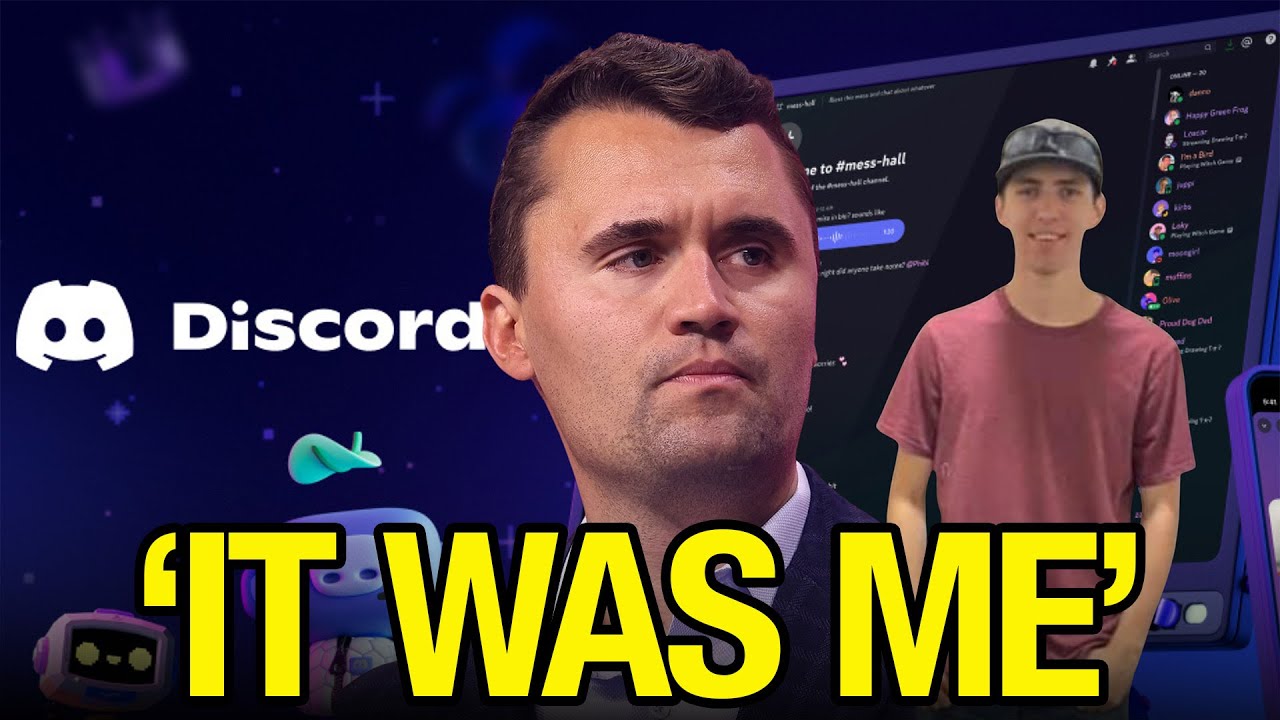
Beyond that one procedural objection, the defense made no attempt to challenge the mountain of evidence presented during the week-long preliminary hearing: Robinson's confession to Twiggs, his posts on Discord, surveillance footage placing him on the Utah Valley University campus (hours from his home), DNA evidence linking him to the rifle, screwdriver, and towel found at the scene, and the fact that he turned himself in after his parents confronted him with footage identifying him.
"They don't address those things," Neff said, "because it seems that the defense attorneys don't have a defense to offer there."
The Strategy: Concede Murder, Fight the Death Penalty
Instead of contesting guilt, the defense devoted nearly the entire brief to challenging the aggravating factors Utah law requires to impose a death penalty. Under a Supreme Court ruling from decades ago, states cannot automatically seek execution for any murder — they must prove specific aggravating circumstances. In this case, Utah prosecutors argued two: that Robinson endangered other people at the scene (including minors in the crowd), and that he targeted Kirk because of his political expression.
"They are not arguing against premeditated murder," Kolvet emphasized. "And most people would assume that premeditated murder would warrant the death penalty. Well, in the state of Utah, as Blake mentioned, you need aggravating factors."
The defense attacked both. On endangerment, they argued at length that Robinson fired from a prone position — evidence, they claimed, that he was taking careful aim and not recklessly endangering bystanders. They stressed that only one round was fired, and cited other cases where endangerment charges required either multiple shots or actual injuries to others. "They literally argue the alleged shooter was a good shot," Neff said, "and so this aggravating factor should be thrown out."
On political motivation, the defense tried to frame the killing as targeting a celebrity rather than a political figure, downplaying Robinson's own statements and the engravings he made on his bullets. "They very much want to make it seem like he just wanted to kill Charlie because he was a celebrity, a famous person," Neff said. "They need something like that because if there's any political aspect to this, the state of Utah is able to make the case this is aggravated murder eligible for the death penalty."
Admissions Buried in the Brief
In making their arguments, the defense inadvertently conceded key facts. On page 22, for example, they wrote: "The video evidence shows Mr. Robinson walking up and downstairs at UVU with a gait impaired by something long in his pant leg. The reasonable inference from the evidence provided is that it was a fully assembled rifle."
"They're not even arguing that he wasn't there," Kolvet pointed out. "They're admitting that he was there and that the video evidence proves that he was there."
The brief also quoted extensively from Robinson's text messages to Twiggs in the hours before he surrendered — messages in which Robinson said he was turning himself in, expected to go to prison, and advised Twiggs not to speak to media or police without a lawyer. The defense used these texts to contest a witness-tampering charge (arguing Robinson was altruistically advising Twiggs to exercise his Fifth Amendment rights), but in doing so, they confirmed Robinson's authorship of incriminating communications.
"By making this argument," Neff noted, "they are admitting Tyler Robinson was talking to Lance Twiggs."
Conspiracy Theories Nowhere in Defense's Actual Case
Kolvet highlighted another revealing absence: none of the conspiracy theories circulating on social media appeared in the defense filing. "So many of the conspiracy theories that have been rife on social media," he said, are simply not there. He cited claims — popular in some online circles — that the person in surveillance footage wasn't actually Robinson, that "fisheye effect" distortion proved it was someone else.
"It turns out with a fisheye effect, the center of the image is usually pretty accurate," Kolvet explained. "It's the sides that get distorted. So if you stretch the image, you're actually distorting the center." But regardless, the defense didn't bother with any such argument — they flatly admitted the video showed Robinson.
"There's other motions that have been filed that call that stuff hairbrained internet conspiracy theories," Kolvet added. "It's the dog that didn't bark — what's not in there is extraordinary."
Legal Analyst Weighs In
Kolvet shared commentary from legal analyst Andrea Burkhart, who said the defense brief was "pretty much exactly what I predicted they'd argue." She believed the witness-tampering charge would likely be dropped, but that the aggravating factors for the death penalty would stand.
Neff explained the witness-tampering charge: Robinson had texted Twiggs advising him to get a lawyer, stay silent, and not talk to police or media. Prosecutors charged this as witness tampering. The defense countered that Robinson was simply telling Twiggs to exercise his constitutional rights, not to cover up a crime. "They basically say this is an altruistic argument," Neff said. "You can't charge someone with witness tampering for telling them to exercise their constitutional rights."
Neff quoted the messages: "I'm going to turn myself in willingly. One of my neighbors here is a deputy for the sheriff. We hope to keep things sort of quiet here. I only hope they let you visit. I'm going to miss you... You are all I worry about, my love. Don't talk to any media, please. Don't take any interviews or make comments. I will always love you too. If any police ask you questions, ask for a lawyer and stay silent."
"I actually happen to agree with Andrea here," Kolvet said, "based on the evidence presented, that witness tampering doesn't feel like that's what he was doing. He was sort of resigned to the fact that he was going to be going to prison."
A Broken System That Requires Proving the Obvious
Both Kolvet and Neff expressed frustration with a legal framework that forces prosecutors to prove aggravating factors in a case this egregious. "It's insane to me," Neff said, "that anyone could go to a big public event with a rifle, assassinate the speaker, and have it not be aggravated murder."
He argued that every red state should pass a law making public terrorism an aggravating factor in itself. "Utah would have a lot easier time with this if they had a law," he said, pointing out that the current system — imposed by Supreme Court precedent — often leaves obvious cases in legal limbo.
Kolvet echoed the disbelief: "My jaw is a bit on the floor. Like, that they even have to prove aggravating factors here — because he only premeditated one person and he was a good shot and shot over the heads of people not intentionally endangering... this is crazy, actually, when you step back for just a second."
What Comes Next
The September 1st hearing will determine whether the case proceeds to trial and whether the death penalty remains on the table. The judge must rule on whether the state established probable cause for all charges and aggravators. Given the defense's strategic concessions — effectively admitting Robinson committed premeditated murder — the focus will shift to whether the state proved he endangered others and acted from political animus.
Kolvet and Neff made clear that, from their perspective, the answer should be obvious. The evidence of political motive includes Robinson's own statements about Kirk's "hate," the engravings on his bullets, and the very nature of the act — traveling hours to a public campus event to shoot a political commentator. The endangerment is inherent in firing a rifle into a crowd, regardless of how "carefully" the shooter aimed.
But the defense's filing reveals their plan: admit what they can't contest, and force the state to litigate every detail of what should be self-evident. Whether that strategy succeeds will be decided in a matter of weeks.