Zach from WolvesAndFinance Questions Tyler Robinson Trial: Evidence Doesn't Match FBI Narrative
Enjoying this? Share it with someone who needs to see it.
Up Next
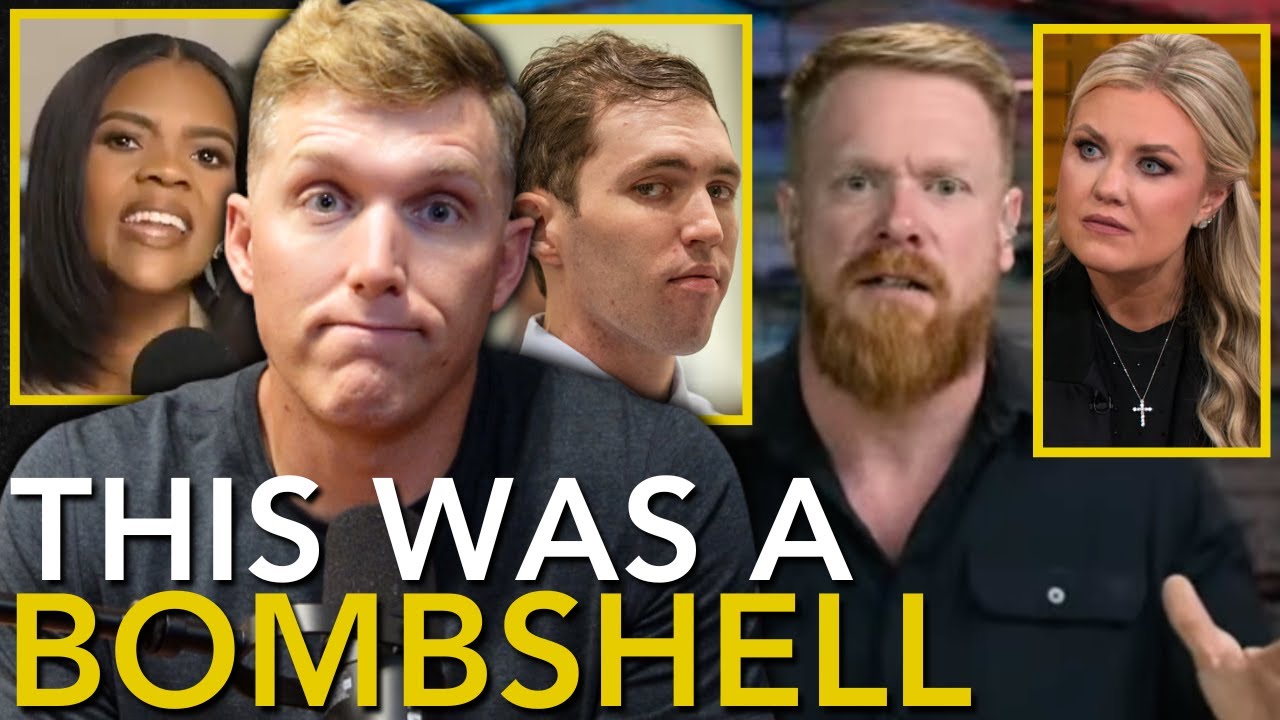
Candace Owens Exposes Terryl Farnsworth Inserting SD Card Into Laptop Minutes After Charlie Kirk's Death
53:18
Zach Costello Defends Open Investigation Into Charlie Kirk Assassination After Heated Paramount Tactical Debate
1:13:41
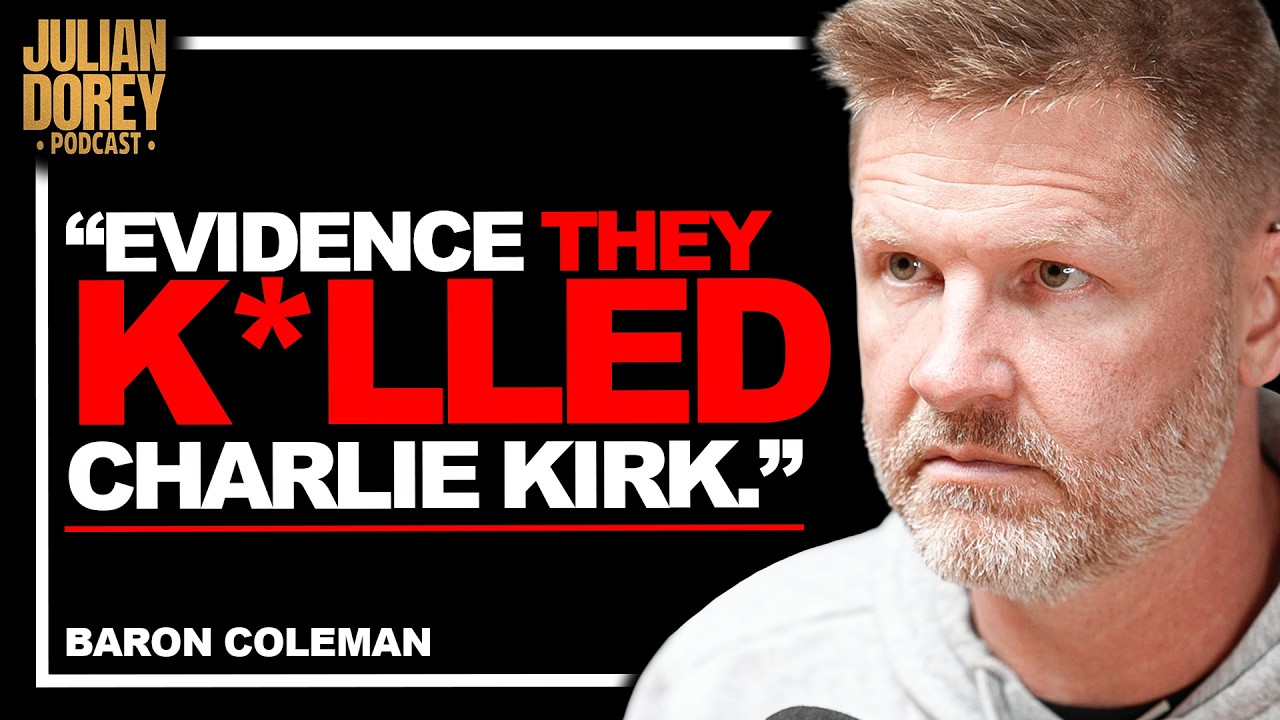
Baron Coleman Uncovers Shocking Inconsistencies in Charlie Kirk Case: A Deep Dive into the Evidence
3:28:26
Zach from WolvesAndFinance Questions Tyler Robinson Trial: Evidence Doesn't Match FBI Narrative
Zach from WolvesAndFinance raises serious questions about the Tyler Robinson trial and the evidence surrounding Charlie Kirk's murder. Drawing parallels to the Oklahoma City bombing prosecution, he examines inconsistencies in the FBI's case, including DNA evidence that doesn't match the weapon, missing surveillance footage, and a defense team that appears uninterested in gathering critical evidence. With Utah's governor invoking the death penalty and the widow pushing for a speedy trial, Zach argues that the rush to judgment mirrors the "Merrick Garland strategy" of selective evidence gathering. He believes an innocent 22-year-old may be executed for a crime he didn't commit while the real perpetrator remains free.
Tyler Robinson faces the death penalty in Utah for allegedly murdering Charlie Kirk. The governor made the stakes clear: "We will find you. We will try you and we will hold you accountable to the furthest extent of the law. And I just want to remind people that we still have the death penalty here in the state of Utah." Utah allows execution by lethal injection or firing squad.
The central question is whether Robinson fired the shot that killed Kirk with a .306 rifle. According to Zach from WolvesAndFinance, the evidence suggests he did not.
The FBI's Problematic Evidence
The FBI claims Robinson is the lone gunman, citing DNA evidence from two key items: a screwdriver found on the rooftop and a towel wrapped around the discarded firearm. However, comedian Jimmy Dore identified a critical flaw in this narrative: "If the screwdriver was used to put the gun together and break it down again, and then the screwdriver was left on the roof, how could Tyler Robinson have put the gun back together for the FBI to find without the screwdriver?"
This logical impossibility raises questions about whether the evidence was planted.
Missing Video Evidence
Available video footage shows a suspect running across the roof, but the beginning is mysteriously cut off. If Robinson had been assembling his weapon with the screwdriver as the FBI claims, this should be visible in the missing footage. The absence of this critical evidence is suspicious.
A Defense Team That Isn't Defending
Robinson's defense raises additional concerns. His attorney, Michael Burt, is allegedly the cousin of Terryl Farnsworth, who controlled the cameras at the crime scene. This connection creates a potential conflict of interest that undermines the fairness of the trial.
Even more troubling, the defense team has not gathered basic evidence such as cell phone tower data that could prove Robinson's whereabouts on the day of the murder. They also haven't contacted Candace Owens, who has compiled extensive evidence about the case. Neither the FBI, prosecution, nor defense has reached out to her.
This pattern suggests Robinson is being set up as a patsy rather than receiving a genuine defense.
The Merrick Garland Strategy
The handling of this case mirrors the prosecution strategy used by Attorney General Merrick Garland during the Oklahoma City bombing trial. In that 1995 case, which killed 168 people, Garland prosecuted Timothy McVeigh, who was executed just 3 years and 10 months after sentencing—far faster than the typical 18+ years most death row inmates wait.
Garland's approach involved selective evidence gathering. He refused to accept voluntarily provided evidence, only bringing in material he personally subpoenaed. He called no eyewitnesses during the trial itself, only victims during sentencing. This allowed him to control the narrative and exclude inconvenient facts.
The Case of John Doe Number Two
Multiple witnesses saw a second man, dubbed "John Doe Number Two," leaving the Oklahoma City bombing scene with McVeigh just 2 minutes before the explosion. The FBI never identified this person and eventually dropped that part of the investigation entirely.
When questioned about the second bomber, Garland stated: "The only person on trial at this hearing is Mr. McVeigh. It doesn't matter whether there were two or a hundred people in that truck as long as there was somebody representing Mr. McVeigh there."
This represents a deliberate choice to ignore evidence that didn't fit the predetermined narrative.
Suppressed Surveillance Footage
Despite the Oklahoma City bombing occurring in a major downtown area, only about 30 surveillance tapes were released, and none captured the moment of explosion. However, government documents confirm additional tapes existed.
A Secret Service document stated that "security videotapes from the area show the truck detonation 3 minutes and 6 seconds after the suspects exited the truck." An FBI memo revealed that an agent attempted to sell footage to NBC showing two men exiting the truck and walking away before the explosion.
Garland chose not to include these tapes in his prosecution.
The Cody Snodgres Allegation
In 2017, a black ops contractor named Cody Snodgres claimed he was approached by the government six months before the Oklahoma City bombing and offered $1 million to blow up the Alfred P. Murrah Federal Building. He described refusing the job, saying: "You guys have went too far this time. These are our own people. This is our own country and there's no way I'm going to do this."
While unverified, this testimony adds to questions about what really happened.
ATF Report Shows Bullet Doesn't Match
In the Robinson case, a recently unsealed motion includes a four-page ATF report comparing a bullet jacket fragment recovered from Kirk's autopsy with the rifle recovered by law enforcement. The result was inconclusive—the bullet could not be matched to the .306 rifle.
The prosecution is trying to prevent this report from being released, claiming it would "lead to bias and tainting of the jury pool." This is exactly the Merrick Garland strategy: excluding evidence that contradicts the official narrative.
Erika Kirk's Push for a Speedy Trial
Kirk's widow, Erika Kirk, has filed an "invocation of speedy trial rights," requesting the court declare a verdict as quickly as possible. Rather than demanding answers about the inconsistencies in the investigation, she wants to solidify the narrative that no one else was involved.
Once a verdict is reached and Robinson is executed, the government can point to the court decision as proof and shut down further investigation. This is exactly what happened with Timothy McVeigh.
Upcoming Court Dates
A hearing on April 17th will determine whether media will be allowed in the courtroom or if the trial will be held in secret. The preliminary hearing is scheduled for May 18th, though it may be delayed. At the preliminary hearing, a judge will determine if there is probable cause to proceed to trial. If the evidence is weak or Robinson's rights are being violated, the charges could be dismissed.
John Adams on Trial by Jury
As John Adams once said: "Representative government and trial by jury are the heart and lungs of liberty. Without them, we have no other fortification against being ridden like horses, fleeced like sheep, worked like cattle, and fed and clothed like swine and hounds."
The purpose of a trial is to discover truth, not to rush to judgment. Citizens have the right and responsibility to demand thorough investigations and fair trials.
A Call to Question the Narrative
If Tyler Robinson is convicted and executed based on this evidence, history will record him as the lone killer of Charlie Kirk. All questions will be shut down. But if the bullet doesn't match the weapon, if the screwdriver story is impossible, if surveillance footage is missing, and if the defense isn't defending, then someone else committed this murder.
That means we are watching a second murder in slow motion—the execution of an innocent 22-year-old who is taking the blame for someone else's crime.
YouTube Censorship Concerns
In the past month, Zach has experienced increased censorship on YouTube. Two of his videos were demonetized in a strange pattern: first demonetized, then removed, then given a child restriction, then that restriction removed, then demonetized again. It appears there is internal conflict at YouTube over whether to suppress his content.
This censorship mirrors what happened under Joe Biden during COVID and election-related content. Any video that contradicts the White House narrative is being suppressed, whether it concerns Charlie Kirk's murder or Middle East conflicts.
Other creators like Baron Coleman have also had livestreams banned. As a small YouTuber who relies on this income, Zach is asking viewers who find his videos helpful to consider monthly memberships at wolvesandfinance.com to help him continue making content despite demonetization.