
Up Next

Turning Point USA's Accepts Candace Owens Public Challenge to Answer Questions About Charlie Kirk's Assassination
1:05:43

Frank Turek Shares Behind-the-Scenes Story of Charlie Kirk Memorial Service Attended by Over 100 Million
1:03:46

Frank Turek Recalls Charlie Kirk's Final Moments and Confronts Three Months of Conspiracy Theories
15:00
Alisa Childers Exposes Dangerous Conspiracy Tactics Targeting Charlie Kirk's Death and Real People's Lives
Alisa Childers addresses the cultural phenomenon surrounding Candace Owens and her claims about Charlie Kirk's assassination. With deep concern for truth and discernment, Childers examines the conspiracy theories that have implicated real people like Mikey McCoy, Rob McCoy, and Seth Dillon, all of whom are now receiving death threats. Drawing on Scripture and expertise from homicide detective Jay Warner Wallace, Childers demonstrates how to distinguish between evidence and speculation, plausible cases and proof, critical thinking and emotional manipulation. She warns Christian women especially about being swept into gossip disguised as investigation, calling believers back to loving truth above titillating narratives.
The Burden to Address Candace Owens' Claims
Alisa Childers opens by explaining her deep personal burden regarding the cultural phenomenon surrounding Candace Owens and her claims about Charlie Kirk's assassination. She has been praying, thinking, and beginning to address this on social media, but wants to provide a comprehensive resource to help people discern the times. As she heads into the Thanksgiving and Christmas season after completing her final event of the year, she feels compelled to address this issue that has been reaching far and wide, even among the thousand high school students she just spoke to.
Childers announces upcoming plans, including a Christmas livestream with Natasha Crane on the Unshaken Faith podcast, and an exciting trip to Israel in June 2026 with Dr. Mel Winstead that listeners can join. But her main focus is on helping Christians practice discernment in an age of deception.
The Foundation: What Is Truth?
Childers emphasizes that the trajectory of our lives is determined by how we define one word: truth. In our culture, truth is seen as relative—different for different people based on environment, socioeconomic status, culture, biological sex, or ethnicity. This is relativism, which essentially claims all points of view are equally valid. But this isn't how truth actually works.
Truth means what you say corresponds with reality. Truth is true for all people in all times and places—it's not different for one person than another. While we have subjective opinions about things like favorite foods or colors, we can test objective claims against reality. Childers uses the example of diabetes treatment: if someone truly believes eating donuts cures Type 1 diabetes, that belief can be tested against reality, and the diabetic following that protocol would likely die. Truth is independent of how passionately we believe something.
Our culture has been persuaded that religion belongs in the category of subjective opinion—that one religion can be true for one person but not another. This is why Christians making truth claims about Jesus' death, resurrection, and return to judge are seen as odd. But we must recapture the understanding that these are testable historical claims, not mere preferences.
Why Discernment Matters Now
Childers explains that almost every book of the New Testament contains strong warnings to guard our lives and doctrine, to ensure what we believe is actually true and reflects reality. The Bereans were praised for receiving Paul's teaching eagerly while also testing it against Scripture. They were called more noble because they brought everything under the authority of God's Word—something all Christians must learn to do.
We're living in a time where people are more vulnerable to conspiracy theories than perhaps ten or twenty years ago. During the pandemic, many narratives pushed by big evangelical leaders turned out to be untrue. People called conspiracy theorists were often proven right about masking, vaccine safety, and virus origins. This has created an environment of deep mistrust toward those who are supposed to provide reliable information. People don't trust news media anymore, and rightly so in many cases.
While skepticism toward official narratives is valid and understandable, there is still a reasonable way to assess claims. Christians should be the most truth-seeking people, modeling truth for others because Jesus said, "I am the way, the truth, and the life." When Jesus stood before Pilate, He said, "The reason I was born and came into the world is to testify to the truth. Everyone on the side of truth listens to me."
Truth and Spiritual Warfare
Discernment—the ability to separate truth from lies, to divide truth from error—is a huge part of spiritual warfare. Ephesians 6:12 reminds us we don't wrestle against flesh and blood, but against rulers, authorities, cosmic powers over this present darkness, and spiritual forces of evil in the heavenly places. Christians are not at war with people, not at war with Candace Owens or anyone else personally. We should be praying for people held captive to lies, wrestling and fighting for them, fighting against the lies and the liar—the enemy who is a liar from the beginning, a murderer.
Our battle is in the realm of truth. Second Corinthians 10:4-5 says, "For the weapons of our warfare are not of the flesh, but have divine power to destroy strongholds. We destroy arguments and every lofty opinion raised against the knowledge of God and take every thought captive to obey Christ." Notice the language: we fight by destroying strongholds (deeply embedded lies), destroying arguments and lofty opinions, taking every thought captive. We're fighting in the realm of ideas by speaking truth to lies.
The Last Days and Deception
Second Timothy 3 warns that in the last days—which encompasses all time since Jesus' resurrection until His return—there will come times of difficulty. People will be lovers of self, lovers of money, proud, arrogant, abusive, disobedient, ungrateful, unholy, heartless, unappeasable, slanderous, without self-control, brutal, not loving good, treacherous, reckless, swollen with conceit, lovers of pleasure rather than lovers of God, having the appearance of godliness but denying its power.
The passage warns to avoid such people, noting that among them are those who creep into households and capture weak women burdened with sins and led astray by various passions, always learning and never able to arrive at a knowledge of the truth. As GK Chesterton suggested, these are people with minds so open they never close on anything solid or truthful.
Childers has seen post after post of Christian women almost delighting in the conspiracy being put forth by Candace Owens—without evidence—involving real people's lives. She appeals especially to Christian women to seek truth, seek Jesus, tend their families, work on their home environments, and avoid foolish controversies. This doesn't mean not asking questions or believing every narrative, but it means asking: Where's the evidence? Where's the hard proof? If you're making claims about real people, you should have evidence to back them up.
Understanding Evidence vs. Plausible Cases
Childers watched every episode of Candace Owens' series on Brigitte Macron and how Owens believes Macron is actually a biological man. Each episode promised a big reveal in the next, but nothing concrete ever materialized—just insinuation and speculation, no hard proof. The same pattern appeared in Owens' series on Justin Baldoni and Blake Lively, and now in her claims about TPUSA, Charlie Kirk's murder, and alleged cover-ups.
At the end of the Macron series, Childers wasn't persuaded that Macron is a biological man. It's possible, and Owens made a plausible case for how it could happen, but making a plausible case is not evidence. Using insinuation, speculation, and associations (like mentioning Macron knew a plastic surgeon specializing in feminizing facial surgery) is not evidence.
Childers illustrates this with a hypothetical: Imagine a crime was committed in a restaurant parking lot while she was there. She got up to go to the bathroom at the right time. Someone could weave a plausible path: Alisa came to Dallas early, said she was doing a show with Allie Beth Stuckey but that didn't happen (that's a lie!), she was at the restaurant at the right time, she has certain associations. You could make a plausible path and say "if Alisa did commit this crime, maybe this is how it happened." But that's not evidence she committed the crime, even though some details are true. Facts can be arranged to create suspicion without constituting proof.
How Investigations Actually Work
Childers shares insight from homicide detective Jay Warner Wallace, who solved difficult cold cases and was featured in specials about his investigative work. In a podcast with Frank Turek, Wallace explains that podcasters don't have all the evidence available even to the public, much less to official investigators. People like Kash Patel and Dan Bongino, who were friends of Charlie Kirk, along with his family and close friends, all want to know what happened and want truth to come out.
But a podcaster doesn't have access to all information. They're not conducting official investigations where they can question the right subjects. They have what the public knows, and in Candace's case, she claims secret sources—but that's still not evidence, just her saying she has secret sources. As Allie Beth Stuckey pointed out, you can't compete with secret sources we don't have access to. We either choose to believe what a podcaster says or we wait.
Wallace explains in the video clip that conspiracy theories always emerge early, long before trials begin, because investigators are holding onto evidence they haven't shared publicly. They hold onto things like autopsy reports for good reason—to ensure they've investigated every potential theory and to avoid releasing information that might jeopardize the investigation. When interviewing someone who mentions a detail that hasn't been publicized, investigators know that person either has firsthand knowledge (implicating them) or heard it somewhere. They don't want details contaminated by public knowledge.
Wallace emphasizes that agencies don't lie—their credibility will be questioned on the stand during trial. But they don't tell the public everything. There's a big difference. They must be careful what they release to avoid hindering investigations or corroding evidence. In the case of Charlie Kirk's assassination, there will be a trial where evidence will come out. That's why it's crucial that when someone makes claims about particular people, like Mikey McCoy, those claims should be backed by evidence.
The Case of Mikey McCoy
Candace Owens has said Mikey McCoy acted weird. Childers has watched the video several times, blown up as closely as possible. Frank Turek and others have since shared that Charlie Kirk knew somebody might want to kill him and had Mikey trained on exactly what to do in that moment. Charlie knew everyone's place—security had a purpose, they all knew what they were supposed to do, and Mikey knew he was supposed to call Erika Kirk, which Erika confirmed he did.
Childers reflects on her own personality: some people struggle when things are normal but become extremely focused and calm in crisis. Others react differently. There's no "normal" in traumatic events. She can see realistic scenarios where someone gets very calm and focused on their assigned task in a shocking situation. There are many possible explanations for behavior, and nobody knows how any particular person would respond in such trauma.
A close family member of Childers actually attended church with the McCoys and was in their home several times, describing them as a lovely family with no reason to suspect anything nefarious. These are real people. The level of wickedness required for what's being claimed—that people around Charlie wanted him killed and covered for it for their own power and prominence—would be extraordinary. And it would make Charlie incredibly foolish to surround himself with such people.
Regarding the claim about blood on Mikey's shirt, Rob McCoy said Mikey had blood all over his shirt. Childers can think of alternate explanations: just because you don't see splatter in a blurry, far-away video doesn't mean there wasn't some blood. Even if there wasn't any at that moment, trauma causes wires to cross, timelines to blur. Rob McCoy wasn't there—maybe he mixed up the timeline in a phone call. Other people were covered in blood—maybe Mikey hugged someone later and got blood on his shirt. Just because you don't see something immediately doesn't make it a lie. Facts can get confused in chaos and trauma. The most charitable interpretation for people with a track record of being good citizens and Christians is giving them the benefit of the doubt that wires got crossed or there's evidence not yet made public.
Now Mikey McCoy and others are receiving death threats. This is wrong. If you're going to bring claims against people, you need evidence.
Candace Owens' Response to Allie Beth Stuckey
About a week before this podcast, Allie Beth Stuckey's followers reached out asking what to think about Candace Owens. It's everywhere—everyone wants to know how to discern what's happening. Even at a conference Childers just attended with about a thousand young people, the TPUSA chapter president and adult sponsor said the number one question students had was what to make of Candace Owens' claims.
Allie Beth, out of love and care for her audience's souls, decided to say a few words to help them understand. She later explained in a podcast that people don't want to speak out against Candace Owens because she's very powerful, and getting in her crosshairs means she can turn accusations against you. People are scared. Childers admits this is why she didn't say anything for a long time—not wanting to touch it, wishing it would go away. But Allie Beth went on social media encouraging people to think critically and ask better questions.
In a video response, Candace showed Allie Beth's clip and responded. Childers analyzes Candace's response as a microcosm of her broader approach. Candace begins with an ad hominem attack—a logical fallacy attacking the person rather than their argument. She says sarcastically, "I didn't even know she was going through it like this. I think she should take a break." The implication is that Allie Beth is having a breakdown, going crazy, not handling things well—essentially gaslighting to portray her as losing it, so people shouldn't listen to her.
Then Candace commits the straw man fallacy—constructing a false view of an opponent's position because it's easier to knock down. She mischaracterizes Allie Beth's position with continued ad hominem attacks, saying things like "you're not interested in finding out what happened" (attacking motives), "you're hiding," insinuating that Allie Beth, who was a good friend of Charlie's, doesn't care about the truth.
Candace leaves out most of Allie Beth's video where she actually advises followers to use critical thinking, ask good questions like whether there are alternative explanations, what evidence exists for claims being made, and ironically, how to spot logical fallacies. Candace brings no evidence to back up claims about Allie Beth or her motivations. She ends by telling everyone to listen to their intuition, their gut. No evidence—just character assassination, insinuation, and speculation.
Childers encourages people to watch both Candace and Allie Beth and compare: Who is articulating the gospel? Who is leading you to Scripture? Who is providing evidence for claims? Who has the heart of Christ toward everyone? Who is attacking arguments versus attacking people? After Allie Beth's response, Candace apparently posted on Instagram calling it a "counterfeit version of Christianity," "fake Christianity." Childers asks: Who is displaying the character of Christ? Who is truly seeking truth?
Cult Tactics and Manipulation
Childers shares insights from Carrie Smith (Carrie Deprogrammed on X), who watched about ten of Candace's episodes post-assassination and identified fascinating cult indoctrination tactics. She encourages listeners to watch with these points in mind and ask if Candace is doing these things:
Repetition: Candace repeats herself constantly—words and phrases she wants to stick. She repeats them instead of letting them hang where you might wonder about evidence. Evidence never comes, but she makes statements again and again with more conviction as if she showed you proof. Childers saw this during the Macron series. Candace finds talking points she wants repeated in comment sections, and her followers do exactly that, often with no actual evidence. When asked for evidence, it's hazy, insinuation, not real proof.
Sarcasm and Mockery: Candace uses sarcasm, mockery, and contempt probably 90% of the time. Innuendo and implication delivered sarcastically, no evidence, but the tone tells you you're stupid if you can't see it. This differs from satire (like Babylon Bee or Melissa Dougherty's videos that uncover truth). It's one thing to use sarcasm to make a point, but when that's all you do while accusing people of horrendous evils without evidence, that's different. The point is to get you to the end thinking "obviously we all see this, we're not dumb." Childers sees this in her comments—Candace's followers acting like you're stupid for not seeing what she's saying.
Forced Teaming: Candace uses inclusive language so the cult feels like home. "Us." "We." "We will solve this." "They can't stop us." "They're trying to stop us." Childers sees this constantly in comments: "We're just asking questions." "She's representing us." There's nothing wrong with asking questions, but some questions are asked with intention to lead to a specific end result. Sometimes "just asking questions" crosses into making accusations disguised as questions.
Self-Elevation: After several "we" and "us" statements, Candace likens herself to David fighting Goliath, elevating herself to cult leader status. Childers sees this everywhere in comments when she talks about Candace—people talking about "us," how Candace represents them and asks their questions.
Reading Praise: Candace ends every show reading effusive praise about herself: "You're the hero." "You're our David." "We must protect you at all costs."
Mystical Knowledge: Candace uses mystical knowledge you must just trust her about. She uses the phrase "I don't know, but I know" over and over, even putting it on merchandise, advertising that none of this is backed with evidence, but she "knows." She says Charlie came to her in a dream. She uses this "ghost Charlie" to put words in his mouth from beyond the grave, referring to it periodically, adding to it and embellishing when she wants extra authority for attacks on people. She'll attack someone's character (for example, simply because their husband was in the military) and back it up with "this was one of the people Charlie warned me about in the dream." She appeals to mystical knowledge and secret sources—"I have these secret sources in this place and that place, you have to trust me"—referring back to Charlie post-death coming to her in a dream.
Pretending Life is in Danger: Candace pretends her life is in danger, making reference to this in various ways in every episode, triggering the attack-dog sensibilities of her most rabid cultists. She needs to be defended, you see. This mobilizes people. Childers saw this to a lesser degree in a church situation where a pastor used cult-like tactics—you become trained to defend them. They're constantly saying "I'm under attack." When you have a public platform, you're always under attack. Childers gets nasty, mean, personal comments wishing ill upon her, but she almost never says "so many people are attacking me" because that comes with a big platform. Yet when someone operates with these tactics, they present themselves to promote an environment where followers will defend them in others' comment sections. Childers has seen this over and over.
Putting Others in Danger: Candace actually puts other people's lives in danger by targeting them and implying something nefarious without offering evidence. She's done this to dozens of people, including non-public figures like "that poor hoodie guy." Candace posted about a guy in a green hoodie, implying something suspicious was happening. It turned out he was just an athlete from the school, and what Candace thought was weird behavior or dress wasn't that weird. This person's life could have been utterly ruined by such a powerful person targeting them, blowing up their pictures, putting them on the internet. She was proven wrong but never went back to say "I got that wrong, so sorry."
She's done this to Charlie's closest friends, his pastors. Her biggest targets seem to be Seth Dillon and Josh Hammer, whom she name-drops multiple times in almost every video, focusing the wrath of her increasingly unstable cult on these men and on Charlie's friends, family, employees, and pastors. It's like Orwell's Two Minutes Hate, but over and over. Her cult essentially practices communal and focused hate of her perceived enemies with her.
The Wickedness Required
For what Candace claims to be real, all these people would have to be so wicked, conspiring together, and Charlie would have to have been stupid enough to surround himself with people using him who wanted him killed so they could take over and push their agenda. It just doesn't make sense.
A Sobering Warning
Childers shares a sobering reflection. She's been pondering why God would usher in revival on the heels of Charlie's martyrdom—which she truly believes He has (she's seen reports of increased church attendance, people asking questions, repenting from LGBTQ sins, showing real repentance)—only to allow such breathtaking deception to gain tremendous stronghold among those who should know better.
Second Thessalonians 2:1 says that in the last days, God will send a strong delusion so that they may believe what is false. Why? Verse 10 tells us: because those who are perishing refuse to love the truth and be saved. This chills Childers to the bone. God doesn't send delusion because people are seeking truth but can't find it, trying hard but can't figure out what's right or wrong, true or false. He sends delusion because they don't love truth. They don't want it. So He sends them the perfect deception where everything fits, checks all their boxes, and basically says, "Here, have your way. If your heart is so hard you don't love truth, you can have your lie."
That's a sobering word for all of us. Do we love truth? Or are our hearts and minds salivating in anticipation of the next titillating morsel of gossip, insinuation, and slander? Childers is open to evidence—if evidence really comes out for any of Candace's claims, she's open to it. Maybe Candace has gotten some things right, maybe not. But there's no evidence for it now.
What it is, is a huge distraction for Christians. It's gossip on the most magnificent level because it's about actual people. This isn't just "something doesn't feel right, let's watch the trial carefully." This is gossip on a massive scale, and so many Christians, particularly Christian women, are being sucked into it. Women are making Facebook groups about this so they can be titillated by all the gossip.
A Call to Repentance
Childers calls Christian women to repentance. She's not saying you can't ask questions or shouldn't look for evidence. But it's so easy to get sucked into these things because you're promised something big. It's not delivered, but then there's the next promise and the next, keeping you hooked like a fish, distracting from your family, Bible study, prayer time with the Lord, your marriage.
It's okay to avoid such people. We should keep sharp minds, soft hearts, and thick skin as we pursue Christ. Let's seek truth because Jesus is the truth. He said, "You shall know the truth and the truth will set you free." Childers closes with the reminder that Jesus said, "I am the way, the truth, and the life." When asked by Pilate, Jesus stated He came into the world to testify to the truth, and everyone on the side of truth listens to Him. Religion is not subjective opinion—Paul said if Christ has not been raised, our faith is in vain and we're still in our sins. If Jesus' resurrection is an objective fact of history, then Christianity is true for everyone, with eternal implications for all. That's why we should seek truth, preach the gospel, and use discernment more than anyone else in the world.
Video Transcript
Hey everyone, I'm Alisa Childers. This is the Alisa Childers podcast and today we're going to be talking about a cultural phenomenon that I have been actually very deeply burdened by personally. I've been praying about it a lot, thinking about it a lot. I have begun to say some things on social media, but I really want to help you guys to discern the times as it relates to Candace Owens and the claims that she's making surrounding the death of Charlie Kirk. So, we're going to get to that in just a moment, but I want to let you know that as we head into the Thanksgiving season, the Christmas season, I am so excited that I have completed my final event of the year. So, now I am home until about mid January. uh at which time the first event that I'm doing, my entire family is coming with me. So, I feel like I am just heading into this time of rest. I'm very excited about it. I'm taking a sbatical as I normally do at this time of year. So, there are only going to be two more podcasts this year after this one. And so, what I want to tell you though is we still have some things going on. So, make sure that you're subscribed to the Unshaken Faith podcast, which is the podcast that I have with my friend Natasha Crane. Every year for the last at least couple of years, we've done a fun Christmas live stream and want to make sure that you are subscribed to the audio podcast, but really this will be happening on our YouTube channel. So find us on YouTube, Unshaken Faith, and then we'll be announcing soon when we will be doing that Christmas live stream. I also have a really exciting announcement. I have wanted to go to Israel my entire life. I have never gotten to go. I have friends who have gone. Many have gone multiple times. My husband has gone multiple times and I finally have the opportunity to go and I want to let you know that the trip that I'm going on is open for others to come along as well. So I would love for any of you who would like to go to Israel with me and Dr. Mel Winstead. So Mel has been on the show before. He's New Testament professor at Southern Evangelical Seminary. He is organizing this trip, but he let me know that there are some spots available. Spots are filling up fast. So, if you think this is something you might be interested in, you're going to want to jump on it. But the dates are going to be June of 2026, uh June 1st through June 10th. And that's again 2026. And there's some uh discounts and things you can get if you register before August. So, I am going to put a link to that in the show notes. So, if you've been thinking about going to Israel and you've never gotten to go, or maybe you've gone and you want to go again with like-minded believers who love the Lord, who love apologetics, why don't you think and pray about coming with me and with Dr. Mel Winstead and a group of us that are going to be going to the Holy Land. And I'm just so looking forward to it. I absolutely cannot wait. So, again, the link is too hard to say uh on on the air, but I'll put it into the show notes so that you can check that out if you'd like to go. Again, that's June 1-10, 2026. All right. Today, what I'd really like to do is just focus mostly on what it means to discern as Christians. What does it mean to show discernment? Because one of the things that I think is really really apparent in this time and in this age is that there is a reason that just about every book of the New Testament comes with [clears throat] very strong warnings to guard your life, to guard your doctrine, to make sure that what you believe are things that are actually true, things that reflect reality. I just spoke to a group of maybe a thousand high school students this past weekend and one of the things I told them is I said and I believe this that the trajectory of your life will be determined by how you define one word and that word is truth because we're living in a culture that believes that truth is relative to each person's environment maybe even their socioeconomic status the culture that they grew up in their biological sex maybe their ethnic ethnicity and all these things make truth different for different people. And that is a definition of truth that's called relativism, which really ends up with the idea that all points of view are equally valid. But that's not how truth works. Truth means that you say something that lines up with what is real. That means what you say corresponds with reality. That's when you've told the truth. And truth is true for all people in all times, in all places. It's not different for one person than it is for another. Yes, we can have subjective opinions, things like our favorite food or color, how we like to wear our hair, what style of clothes we like. But the reason we call those subjective opinions and preferences is because those are not things we can test in objective reality. But something we can test is something like a medical diagnosis. So many of you have type 1 diabetes and you are reliant on insulin. And so the best medication to control diabetes, type 1 at least, is insulin. Now, if I were to say, "But I truly believe that the best way to treat type 1 diabetes is to eat a box of crispy creams every day and just make sure you get a good night's sleep." Well, that is actually something we can test in reality. For the type 1 diabetic, if they follow my protocol, they're probably going to die. And that is because insulin is something you can test in reality. It's independent of how you feel about it. It's independent of how passionately you believe the opposite. And that's how truth works. Truth is true for all people. Now, what I told these students is that in our culture, we have been persuaded to believe that religion is in the category of subjective opinion. In other words, one religion can be true for one person and and not true for another. And that's why in this kind of relativistic culture, when Christians come around saying things like, "No, Jesus died on the cross." uh you are inherently sinful, Jesus is coming back to judge the living and the dead. Those are seen as um like why would somebody be saying that if that's not something that even people can know about and that's just relative to each person. And so we have to recapture truth and and that is why what I'm going to talk about today is so important because there are ways that we can go about figuring out what is true. Now, we can't always know, but there are some really good tools that we can utilize to invoke our critical thinking, which means we're not just thinking emotionally. We're not just going with our gut. We're not just going with dreams or visions. We're actually saying, "No, let's test the things that we're saying against objective reality." And so, when someone comes along making really grandiose claims, they better have evidence for those things. And so, let me just set this up by saying that uh Candace Owens has the number one, at least last time I checked, the number one podcast in the world. She has all, you know, been really popular for a long time, but really risen to this level of fame through her commentary in uh the wake of the the assassination of Charlie Kirk. And she believes that they don't have the right killer, that there there is more nefarious forces involved, possibly Israel. She went so far as to say that TPUSA is doing a cover up. She's implicating actual people, real people like people like Mikey McCoy, Rob McCoy, other pastors that she's bringing into this and other TPUSA uh people and even outside of that, people like Seth Dylan who she has called a literal demon. I mean, these are this isn't just saying, "Hey, I kind of have a hunch that X Y or Z is happening." This is actually implicating real people's lives. And this is why I care about this because even my friend Frank Turk, who she hasn't, as far as I know, implicated directly because he's been discussed within the context of the broader conspiracy that she thinks perhaps is happening. He's receiving death threats. Seth Dylan is receiving death threats. Mikey McCoy is receiving death threats. And this is very dangerous when you are making very specific claims against real people without evidence. And that's why I care about this. So my hope in today's episode is to help you with some scriptures to think through these things and to think critically to put our emotions aside and say what is the evidence and how do we even go about assessing evidence. So I want to start with some scriptures here and then I'm going to dig down into some of the things that have been happening even involving Ali Bestucky and some others. So discernment, when we think about discernment as Christians, it's something that the Bible, like I said, in almost every book of the New Testament, it tells us to test the ideas. The Bereans were praised for receiving the word eagerly, but also testing it to make sure that what Paul was saying was true. They were actually praised for doing this. They were saying, "Okay, Paul, yes, we want truth. We're not being hyper skeptical. We're not saying that everything you're saying is wrong, but we want to make sure that what you're saying lines up with our scriptures." And so they were praised for doing this. They were said, it was said that they were more noble than others because they were testing things against the word of God. That is something that we as Christians must learn to do. We must learn to take every idea and bring it under the authority of God's word. That's our call as Christians. And we're living in a time where there's a lot of conspiracy theories. And I look, I get it. I understand why people are more vulnerable to conspiracy theories today than even they might have been 10 or 20 years ago. You you look all through co there were all these narratives that were pushed forth by the big evangelical leaders many of which turned out to be not true. So what ended up I think happening is people who were called conspiracy theorists well it turns out that particular quote unquote conspiracy turned out to be true. things involving masking and the safety of the vaccine and uh the origin of the virus. All of these, you know, people who were asking questions and saying, "Hey, where's the evidence for saying that we need to stand six feet apart?" Things like that. They were actually proven right in the end, which I think has created an environment of a deep mistrust of the people who are supposed to be giving us the information that we're supposed to rely on. people don't trust the news media outlets anymore and rightly so I think so there's a lot of skepticism against the narratives that are put forth and look I understand that I'm skeptical of a lot of the narratives that are put forth and so I think that although that's a valid thing to think like hey I'm not going to necessarily just trust what the news tells me or what this politician tells me or what even the FBI or anybody else tells me I totally understand that there is a reasonable way though to go about assessing certain claims. And we as Christians should be the most truth-seeking people out there. We should be modeling truth for people more than anybody else because Jesus said, "I am the way, the truth, and the life." Jesus is truth itself. When Jesus was brought before Pilate at his after his arrest and his trial, he said this. He said, "My kingdom is not of this world. If it were, my servants would fight to prevent my arrest by the Jewish leaders. But but now my kingdom is from another place. And then Pilate's kind of seems like he's being a little snarky like, "Oh, you're a king then?" And Jesus answered this. Now listen to what Jesus says. He says, "You say that I am a king. In fact, the reason I was born and came into the world is to testify to the truth. Everyone on the side of truth listens to me." And then of course Pilate retors, "And what is truth?" kind of in that famous maybe a bit sarcastic uh comeback with Jesus. But Jesus is literally telling us that those who are on the side of truth listen to him because in another place he says I am the way, the truth and the life. So Jesus is truth. So truth matters for the Christian. And religion by the way is not in that ice cream category because the apostle Paul said if Christ has not been raised your faith is in vain and you're still in your sins. So in other words, if Christ's body really didn't raise from the dead, then Christianity is false. But if it is, if if if it is true, an objective fact of history, that Jesus was raised from the dead, then we know that Christianity is true, which means it's true for everyone, which means this has eternal implications for everyone. And that's why we should be seeking truth and preaching the gospel and using discernment more than anybody else in the world. So, we want to use discernment, which means parsing, separating truth from lies, dividing truth from error. And I would also argue that this is a huge part of spiritual warfare. Ephesians 6:2 says that we do not wrestle against flesh and blood, but against uh the rulers, against the authorities, against the cosmic powers over this present darkness, against the spiritual forces of evil in the heavenly places. So, we know right off the bat that we are not at war with people as Christians. We're not at war with Candace Owens. We're not at war with anybody in, you know, in their personal life. In fact, we should be praying for people who are held captive to lies who have been ins snared by the enemy's lies. And we should be wrestling and fighting for them. And we should be fighting against the lies and the liar, which is the enemy, the enemy of our souls, who's a liar from the beginning. He's a murderer. The Bible talks about doctrines of demons. We need to be setting our sights on these lies and the spiritual forces that are behind them by telling truth by by speaking truth into the lies. We're not at war with people. People are captives to lies and we need to be praying for them for their salvation, for their deliverance from these lies. But our battle is in the realm of truth. So 2 Corinthians 10:4 says, "For the weapons of our warfare are not of the flesh, but have divine power to destroy strongholds. We destroy arguments and every lofty opinion raised against the knowledge of God and take thought every captive, excuse me, and take every thought captive to obey Christ. Now, notice the language that's in here. It's talking about warfare, spiritual warfare. Our weapons aren't of the flesh. We don't fight with hatred. We don't fight by trying to end someone's life or trying to ruin their life. We fight by destroying strongholds, which if you do a study on what that's actually about, it's a deeply embedded lie. And some of these conspiracies, I believe, are deeply embedded lies. And we need to destroy those arguments and every lofty opinion raised against the knowledge of God. Take every thought captive to obey Christ. So what we're doing, we're fighting in the realm of ideas. And we do this by speaking truth to lies. One more passage of scripture that I think is really apt for this moment, especially as we now move into kind of some of the narratives put forth by Candace Owens. It says this in I believe it's 2 Timothy uh chapter 3 if I'm right. I didn't write the reference here, but starting in verse one, it says, "But understand this that in the last days there will come times of difficulty." Now, let me just pause there and say that the last days, when the Bible talks about last days, it's really talking about all the days since Jesus resurrection. Ever since Jesus was resurrected and ascended into heaven, we are in the last days. We are now awaiting his return. So, we're in the last days. We have been for a long time. And we might be for another long time. But here's what we are supposed to be thinking about in these last times. But understand this, that in the last days, there will come times of difficulty. For people will be lovers of self, lovers of money, proud, arrogant, abusive, disobedient to their parents, ungrateful, unholy, heartless, unappeasable, slanderous, without self-control. brutal, not loving good, treacherous, reckless, swollen with conceit, lovers of pleasure rather than lovers of God, having the appearance of godliness but denying its power. Avoid such people. For among them are those who creep into households and capture weak women burdened with sins and led astray by various passions, always learning and never able to arrive at a knowledge of the truth. In other words, being open-minded endlessly without ever closing your mind again on something truthful, on something solid. As GK Chesterton said, I think this is what we see going on. I've seen post after post of Christian women almost delighting in this this conspiracy that's being put forth by Candace Owens, again, without evidence, by the way. And I'm going to show you some of those tactics in a moment. But these are real people's lives. And so I I would just appeal to you, Christian, appeal to you, Christian woman. We as Christian women should be seeking truth. We should be seeking Jesus. We should be tending our families. We should be um working on the environment of our home and avoiding foolish controversies. Now again, that doesn't mean we shouldn't be asking questions. That doesn't mean we should believe every narrative, but we should be asking questions that are like, "Where's the evidence for this? Where's the hard proof of this?" If you're going to make a grandiose claim about a person, a very real person who has a life, then you should have evidence to back up those accusations. All right, we're going to get more into it in a second, but I want to go to our first sponsor, which is Foundation Worldview, which this sponsor is just perfect for the topic that we're talking about today. Because in our culture, the youngest of our kids are presented with thousands of competing truth claims every week. We have sh I think we've shown through social media that we adults can't even process all the different competing truth claims with clarity. We're we're just somehow unable to use our critical thinking and that's because we haven't learned it. We have to teach this to our kids. So foundation worldview is a great solution to this problem. And frankly parents maybe as your child learns we can all learn as well. Biblical worldview curriculum really solves this problem. In fact I learned a lot when I did this curriculum with my son a few years ago. So, biblical worldview curriculum from foundation worldview uh solves this problem because it's going to lay the foundation for seeking truth in all aspects of life. It's going to teach you and your kids to an answer and ask questions like what is truth? Who is God? How did life begin? What does it mean to be human? How can I actually tell right from wrong? And it's easily implemented in your home church or Christian school. So, it's it's specifically designed for intentional parents, church leaders, and Christian educators who aren't just looking for the fancy the fancy curriculum that's going to shorten the kids attention span and give them what they, you know, their little dopamine levels want to see, but it's it's really going to teach them what they need to know to go into this world where critical thinking has never been more important. So, go to foundationworldview.com today. Use my code Alisa for 10% off of any family, church, or Christian school license. Again, that's foundationworldview.com. use my code Alisa. Okay, so uh I want to get into this Candace Owen Owens um phenomenon really. It's just a phenomenon that's happening in culture. Now I want to go back a little bit because I as many of you may or may not know Candace had a whole series on uh Breijg Mcronone and how it is her opinion that Breijit Mcronone is actually a man. and she did a whole series, very many episodes about this. And back when that was coming out, I just kind of wanted to know what is this whole Candace Owens phenomenon about? And so I watched every episode of that series. And I remember getting to the end of that, every so every episode she would promise this big reveal in the next episode. And then she would do the next episode and there was like a little bit of maybe insinuation, but not really anything hardcore proof. then she would promise more and it never seemed to come. It the the big promise just never seemed to get delivered on. And I got to the end of it thinking, well, I haven't seen any hard evidence that Mcronone is a biological male. What I think I've just observed is someone make a plausible case. Now, I want to explain the difference of of that. And I watched also a good bit of her series on Justin Baldoni and Blake Lively and all that. And I I I had the same conclusion there as well. And from what I'm seeing from her claims about the TPUSA and Charlie Kirk and the the murder, it's it's very much the same playbook. And when I got to the end of the Mcronone series, I remember thinking, well, I'm not persuaded that Mcronone is a biological man. It's possible. And if if this is a biological man, this is a maybe the way it could happen, but that's not evidence. Making a plausible case is not evidence. Using things like insinuation, lots of speculation, um looking at different associations and saying, well, you know, she knew this plastic surgeon that specializes in feminizing facial surgery and was at the office at one point. Again, that's not evidence. That is insinuation. That is showing a plausible path. And so, I explained this to a friend of mine in a restaurant once, and I think this made a lot of sense because this friend was talking about Candace Owens and how it's kind of hard to parse through some of the claims and to know what is actual evidence versus what's just insinuation. And so, this was in Dallas. I was just recently in Dallas and that was for our unshaken event. and I had gone to dinner with a friend when I was in Dallas. Now, I had come to Dallas a couple of days early because I was scheduled to record with Ali Bestucky for her show. I got to Dallas and it turns out Ali Beth got sick that day. So, I didn't end up recording the episode with Ally. The next day, I went to dinner with my friend and I said, "Okay, here's here's an analogy. Think about it this way. Let's say that in the parking lot of this restaurant that we're sitting in right now, there was a crime committed. Maybe it also happens to coincide at the same time that I get up to go to the bathroom. Okay. Now, let's look at a plausible case that somebody could make that I committed the crime. They could have maybe camera footage from inside the restaurant of me getting up to go to the bathroom at the right time. The crime happens and then the person starts to weave together this plausible path like, "Well, hey, Alisa came to Dallas a couple days early. She said she was going to be on Alib show, but that never panned out. that didn't happen. So, that was a lie. Now, notice how I've jumped from saying, "Oh, you were supposed to do this. You didn't. So, you lied." Cuz cuz you can just say and then keep repeating that there was a lie. She said she was doing that. She lied and then she was at this restaurant at the same time. Now, my friend, her eyes were kind of opening like, "Yeah, I can see how someone could become convinced you did this because of all of these things." And then you could even start saying like, "Oh, I have these associations. Maybe I met somebody or there's a photo of me with somebody once and all of this stuff points to me being the the person who committed this crime. You could make a plausible path and if I did commit the crime, maybe this is how it could have happened. But that's not evidence that I committed the crime. There is no evidence that I committed the crime. Even though some of these things that are being laid out are true. I came early. I ended up not doing anything that day. Well, what is about that? That's suspicious. I went to the bathroom at the right time. But again, none of that is evidence. So that is one of the tactics that I'm seeing happen throughout this process that again is implicating very real people who have very real lives. Now I want to show a video. This is just a short clip of my friend Jay Warner Wallace who is a homicide detective. He's retired now, but for many years he s he solved a couple of really um difficult to solve cold cases that landed him on um dine and there were specials on him about this. He's a really good investigator. This is a wonderful man of God. I've known him for almost 10 years. I've also known Frank Turk for almost 10 years and this is a podcast that they did together about how investigations actually work. This is the other thing I want us to think about. Um podcasters don't have all the evidence that's available to the public. they are not the ones that are doing official investigations. And when you think about the people who are, you're you're talking about Cash Patel, um Dan Bonino, as Frank pointed out in a podcast with Ellie Basti, these were friends of Charlie's. These are the guys that are close were close with him. Charlie's family, his close friends. Everybody wants to know what happened and everybody wants the truth to come out. But a podcaster isn't the one who has access to all of the information. They're not the ones doing an official investigation where they can question the right subjects. They're they have what the public knows about. And then in the case of Candace Owens where she's claiming she has all these secret sources, well, that's still not evidence. That's just her saying that she has secret sources. And as Ellie Beth pointed out in a podcast she did, you can't compete with secret sources. We don't have that information. So, we either have to choose to just believe what a podcaster like her is saying or wait. And the way I look at it is this. I have no reason to believe that Ty I don't even want to say his name, the person that was arrested for the uh the murder of Charlie Kirk. All evidence points to that being plausible. This was somebody who was radicalized by leftist ideology, had a transgender lover. There was all sorts of even his own family turned him in believing that he had committed this crime and he's still alive and will await and will have a trial. So all the evidence that the law enforcement is holding on to will eventually come out in the trial. And I'm going to play this clip for you because this is Jay Warner Wallace explaining how investigations actually happen and what law enforcement will give to the public when and why and what they will withhold when and why. And there are really good reasons for this and I really want to encourage you. I'll put the link to this whole podcast in the show notes so that you can listen to it because this was a really good conversation where they go through different conspiracy theories. Um, some of the ones they were talking about here were before Candace was saying some of hers, but kind of same principles you can apply. But I want I want to just play this for you. So, let's watch this video. Look, in the end, all of these theories always emerge early, long before the trial begins. Why? Because it turns out the investigators are holding on to a ton of evidence that they have not shared publicly. And while they're holding on to this, something as simple as the autopsy report, they're holding on to this for a reason, right? They want to make sure they've investigated every potential accusation, every potential theory that's out there, and they don't want to release uh information to the public that later on might jeopardize the investigation. Here's what I mean. Um, often we'll be interviewing somebody and they'll tell us something that either they have to know from firsthand knowledge which would implicate them in some way or they might have heard it online. Well, we don't want them to hear it online. So, when they do mention this little weird detail to us, we'll go, "Whoa, that's not been publicized anywhere." This is why often it's not as though um agencies lie. And that's one, by the way, that's one of the biggest first assumptions on all these channels. You can't trust anything the law enforcement uh uh agency is telling you. Well, I can tell you this. We don't lie. And here's why we don't lie. Because it turns out our credibility is going to come into question on the stand during the trial. Here's what we do, though. We don't tell you everything. >> That's a big difference. >> So, I think that's a really important point. We don't tell you everything. That doesn't mean we're lying. But they have to be careful what they release to the public because it could hinder the investigation. it could actually uh cause there to be uh the tampering of or you know maybe that it can um corrode the evidence in some way and in the case of what's happening with the assassination of Charlie Kirk that will there will be a trial there will be evidence that will come out and so that's why it's so important that when somebody makes claims about a particular person maybe acting weird like Mikey McCoy um I've watched the video several times blown it up as closely as I can. And one of the things Candace is saying about Mikey is that he acted weird. Well, one of the things that Frank has since shared and others have shared is that Charlie knew that somebody would want to kill him and had Mikey trained on exactly what he wanted him to do in that exact moment. And I'll just say this too, I'll add my perspective to it as well. I don't know Mikey. I've never met him. A very close family member of mine actually went to church with the McCoys for a period of time and actually was in their home several times and says they were just a lovely family. Has no reason to think that there would could be anything nefarious going on with these people. Now again that's just an anecdotal um character, you know, just speaking to their character. But these are real people. In other words, like my close family member was in their home, got to know them a little bit and said they were lovely people. So the level of wickedness that these people would have to be capable of for what is being claimed about them to be true. I mean just think about that for a moment. These people, all the people around Charlie, that all the TPUSA people who are being implicated would have to be so wicked that they would actually want Charlie killed, cover for that, for their own power, for their own rise to prominence. I mean, do you realize how evil they would all have to be? And then as others have pointed out, how stupid Charlie would be to surround himself with all these people. But Mikey was trained. Mikey was trained by Charlie. Here's exactly what I want you to do. And everybody knew their place. Security had a purpose. They all know what they're supposed to do. And Mikey knew he was supposed to call Erica. And Erica confirmed that's what he did. So I know from my own personal personality there, like like others have pointed out, there's no normal in a traumatic event like this. There is no such thing as normal. But I can personally think of lots of different explanations for the way people behaved the way they did after the assassination. And that's the other thing you have to ask when people bring these claims is is there an alternate explanation? What is what else could be going on other than what this person is saying is going on? And what I saw was potentially it could have been somebody in shock. It could have been. I'm the kind of person that when things are normal, I struggle more. I I struggle more when they're normal, but when there's a crisis, I become extremely focused. I I I literally like become my best self. I don't know if anybody else out there is like that, but anytime there's been a crisis, I just get really singularly focused and calm. I get very calm in crisis. Others react differently. Everybody is different. So I don't know you know I could see in a in a realistic scenario getting really calm and and focused on what you are supposed to do in that moment. I don't know but there are a lot of different explanations and nobody I don't think knows how any one particular person would respond in a very traumatic and shocking situation like this. So, it's very concerning to me because now Mikey McCoy and others are getting death threats and this is just wrong. This is wrong. If you're going to bring claims against people, you better have evidence. And I'm not saying you shouldn't ask questions and you shouldn't bring evidence, but bring the evidence if you're going to make the claims. All right, with that, let's go to our next sponsor. Quick pause here to tell you about Adele Cosmetics. You guys, Adele has come out with the most beautiful Christmas set. Men, all the men, this is what your wife wants for Christmas. This is what your girlfriend wants for Christmas. If she's a girly girl at all, if she likes products, she wants their Christmas set. I received the set and it was like I mean, my daughter almost instantly stole it. It has a beautiful body oil that smells so good. A lotion bar. It has a lip tint that's that's an exclusive color just for Christmas called Slayigh. I'm wearing it today. I even put it on my cheeks cuz it's so pretty. It's like this kind of light reddish pink that you can build into the perfect Christmas red. I'm telling you, it's just beautiful. So, you definitely want to go to Adele Natural Cosmetics.com because this is a familyrun, holistic, handcrafted, toxin-free skincare and cosmetics company. I'm wearing their eyehadows today. I'm always wearing Adele. I absolutely love their transparent clean beauty for every skin type. They've got different sets you can pick out or you can just choose from some of their beautiful moisturizers cleansing oil which I use all the time and just beautiful non-toxic not going to mess with your hormones. Beautiful products. So go to adele cosmetics.com get that Christmas kit if you can. It is so beautiful and it comes in the most beautiful little packaging. Nobrainer. adelnaturalcosmetics.com. Use my code alisa for 25% off firsttime orders. again, adelnatural cosmetics.com. Use my code Alisa. All right, let's get back into this. Now, I want to bring in what has been going on with Alibthucky. So, about a week ago or so, Ali Beth, apparently a lot of her followers were reaching out to her on social media, private message, saying, "What do we think about Candace?" And I understand the this because it's everywhere. Like, everybody wants to know, "How do we discern what's going on with Candace Owens?" In fact, I was just, as I mentioned, with about a thousand young people and they were doing a conference on the campus of a of a university and so I got to actually meet the TPUSA uh chapter president of the university and they had done a breakout for this particular conference and with the sponsor as well, the adult sponsor. And both of them were telling me that the number one question the kids had was, "What do we make of the things Candace Owens is saying?" So, this is reaching far and wide, which is why Ali Beth, out of love for her audience, out of care for their souls, decided to say a few words about it to try to help them understand. And she even said later in a podcast that I really want to recommend that you watch um where she answered more of the claims that Candace was saying. You know, people don't want to speak out against Candace Owens because she's very powerful. And when you get in her crosshairs, uh she can kind of turn all of her uh accusations against you. And people are scared of that. They don't really want to be in her crosshairs. It's honestly, if I'm truthful, why I didn't say anything for the longest time. Not that little old me would get in the crosshairs, but still, you just kind of don't want to touch it because you're like, gosh, I just wish this would go away. I don't really want to address it. And so, I think Ally was feeling that way. So, she went on social media and she said, "You know, I really want you guys to be thinking critically. We have to ask better questions." And so, I'm going to play a clip here from Candace's show where she showed this clip of Ally and then responded in a particular way. And then, I want to unpack Candace's response just as a little microcosm of the broader thing and the broader way she approaches the claims that she makes. So, let's watch this video. to go through to make all of these claims first is incredible. But then to go through and debunk all of these claims. I don't have that time. I don't have that energy. I don't have that capacity. I don't Look, Ally, I I just think she should take a break. I genuinely didn't even know she was going through it like this. Like I didn't I don't think we asked her for any assistance at all. Actually, I did all the work. Um and people sent me stuff and then we put together a timeline. And here's what I want to say cuz you're saying it's real life. It was Charlie's real life, Ally. That was Charlie's real life when you saw him sitting there and he got shot. That was his real life. So, I feel like that that's the part you're missing cuz you're so worried about the surrounding cast of characters who have been literally caught lying. They lied. That's why we're here. Okay, we didn't just randomly pluck people up from obscurity. Okay, these are people who said he had blood on him. He's amazing. He was so amazing, but he walked away from Charlie as he was booting out. His real life. That was his real life. Okay, so that's what's on the line right here is he's not here anymore. Maybe you're not worried about him. Um, but I am. I'm actually worried and I want to know what happened to Charlie Kirk, okay? And why I feel like you and so many Christian Zionists just kind of wanted to turn him into a ghost. Like, you know, Charlie the friendly ghost and are not interested at all. And if you're looking for real life Agatha Christie stuff, uh, in real life, people's necks don't stop 306 bullets. In real life, that's all I'm saying. In real life, when you spend millions of dollars on security on your security detail, they don't have you sitting like a sitting duck and forget to have an ambulance behind you. In real life, I worked for Turning Point USA and I know what does not make sense in terms of the timeline of how this event came together. And in real life, if somebody suspects you in a murder for any reason whatsoever and you can put something out publicly that will clarify a fact that isn't correct, if you say it's not correct, you would do that. You wouldn't hide in 4 seconds. I would say, "Oh, this is oh, the reason why I was on the phone with so nothing to do with anything." So, people are following their instincts because they should. But I just want to remind you because it bothers me that that was Charlie's real life. Okay, so I posted on X about this just to kind of unpack what we just watched. And I'm going to read what I wrote and maybe make some commentary as I go along. I wrote this there. There's a reason why people don't want to speak out about Candace Owens. She has a massive following and wields quite a bit of power over narratives. Her apologists can be brutally unfair and unkind. And by the way, ever since I started posting about this, that is what I have found. people coming into my comments, they're mean, they're incredibly accusatory, they uh are cutting, they don't demonstrate the character of Christ at all. And it's just it's a headache that a lot of people don't want. I get it. I get why you don't want to speak out about her. She has an army of people that will mobilize against you, and nobody really wants that. And so, I'll continue. Uh, I said, "I'm thankful for voices like Ally Bestucky who took considerable risk in posting the video that is being criticized here, but I think it's worth defending." Now, why do I say that it's considerable risk? Because Ally is also got a pretty big platform. And so, the bigger your platform, the bigger the risk, the bigger the chance that you'll get in the crosshairs. And Ally knew that. and she knew that this would be responded to, but she did it anyway because she cares about the people that that listen to her that that follow her podcast. Okay, I'm going to continue with my commentary. I said, so here's my encouragement. Just apply critical thinking skills. Let's take a look at what's going on here. So now I'm going to apply critical thinking to the words that Candace said about Ally. I said here, Candace begins her criticism of Ally with an ad homonym attack. Now, what that is is it's a logical fallacy in which somebody will either call you a name or even um try to try to act like you're an unreliable person because of who you are. So, in this case, uh Candace is saying like, "Oh gosh, like I didn't realize that Alli's going through it like this. She should take a break." Well, the implication is that Alli's having some kind of a breakdown that she's going crazy or that she is sort of like, you know, just not handling things well. And so Candace, I believe sarcastically, is sort of trying to imply that like, oh, you shouldn't listen to her. She's just kind of losing it. So, you know, there we go. That's an that's called an ad homonym attack. And that's also a little bit of gaslighting to portray her like she's kind of going crazy or whatever. Well, then she does what's called the straw man fallacy. Now, the the straw man fallacy is when you construct a false view of your opponent's position or opinion. So, because that one's easier to knock down. Uh, it would be like if somebody said, "Oh, well, Alisa hates progressive Christians." Well, we shouldn't hate people, so Alisa is wrong. Well, I don't hate progressive Christians. Yes, I I talk about progressive Christianity quite a lot. I bring receipts and resources. I quote from them. I try to demonstrate why I believe progressive Christianity is biblically wrong. But that doesn't mean I hate them. But the straw man is Alisa hates them. Well, that's easy to kick down because we shouldn't hate people. Do you understand? That's that's how a straw man works. So, she commits the straw man fallacy in which she mischaracterizes Alli's position while continuing to do ad homonym attacks. And that's when she comes in and says, you know, you're not interested in finding out what happened. That goes to the motive. That's a particular kind of ad homonym. You know, you're hiding. Why are you hiding? You know, I this is Charlie's life. Ally, almost insinuating again that Ally, who was a good friend of Charlie's, doesn't care about the truth when it comes to what happened to Charlie. Well, then she leaves out a good bit of the video where Ally is actually advising her followers to use critical thinking and to ask good questions like um you know, are there alternative explanations? What is the evidence for the claims that are being made? Um and ironically, how to spot logical fallacies. So, here's what I said to to people. Just maybe watch it again and listen very carefully to what Candace says. She's not bringing any evidence to back up the claims that she's claiming about Ally or her motivations. And she ends by just telling everyone to listen to their intuition, listen to their gut. So, there's no evidence. It's just character assassination. It's insinuation and it's speculation. And there's no evidence brought for any of it. And even the thing about the blood on the shirt, that is in reference to Mikey McCoy where Rob McCoy had said uh Mikey McCoy had blood all over his shirt. Again, I can think of alternate explanations for that. Just because you don't see splatter from a very blurry, far away video on a white shirt doesn't mean there wasn't at least some. But even if there wasn't any at that moment, when something traumatic like this happens, there's all sorts of wires that can get crossed. Timelines that aren't really solidified yet. You know, Rob McCoy might have gotten a call a call from Mikey. Rob McCoy wasn't there. Maybe he mixed up the timeline and thought that, you know, he had called him first. I don't know. There's all sorts of reasons that could have been said. I know that other people were covered in blood. Maybe Mikey hugged somebody and ended up with blood on his shirt later. I don't know. But the point is is that just to say because you don't see something right then and there that it's a lie. That's the jump. That's the leap in logic. Why would they lie? That's not a lie. Even if it's factually incorrect and the timeline maybe is mixed up, that doesn't mean that it was a lie. It just facts can get confused in chaos and in trauma. And I just think the best case scenario, the best most charitable interpretation for people who have shown a track record of being generally good citizens in the world and good Christian people is to give them the benefit of the doubt that maybe some wires got crossed or maybe there's something you don't see that you don't know and maybe some evidence that you haven't been made privy to yet. So there's there's no evidence. It's just insinuation, speculation. And I wrote I'm not persuaded. And um Ellie Beth went on to record a podcast about this. And like I mentioned before, I want you to watch it because it was the most godly, God glorifying, edifying, scripturefilled, evidencebacked response that I've seen yet. And what you can do even is compare the character, compare the approach. Watch, you know, if you want to watch Candace, ask yourself, is she articulating the gospel? Is she leading you to scripture? Is she providing evidence for claims? Does she have the heart of Christ toward everyone? Is she attacking arguments or is she attacking people? And then watch Ally and ask the same questions. And the reason I say that is because after Alli's response to Candace, Candace put on Instagram, if it's accurate, if the screenshot is true, she said, you know, this is a counterfeit version of Christianity. This is fake Christianity that Ali Beth is putting forth. And and I'll just put that to you. Watch both and ask yourself, what is fake Christianity? Who is displaying the character of Christ? Who is truly seeking truth? And I think we're all capable of asking those questions and investigating those things for ourselves. With that said, I'll go to our final sponsor of the day. This is 7 weeks coffee. Um, so if you've listened for a while now, you know that 7 weeks coffee isn't just a sponsor of our our podcast, but it's really a part of our daily routine. I I drink 7 weeks coffee. I get my espresso beans from them every single month. And I love knowing that whenever that bag of espresso beans arrives that I have done even just a little bit to help pregnancy centers all across the country. That's because 7 weeks coffee gives 10% of every sale to pro-life resources all across the country. They've raised over a million dollars at this point. Thanks to so many of you guys who have subscribed to the Heartbeat Club. But it's not just about the taste. It's because it stands for something that we deeply believe in. They are America's pro-life coffee company on a mission to fund the pro-life movement. one cup of coffee at a time. And so you can go right now. Is this a perfect gift as we come up to Christmas to bring to someone's house if you're invited for a Christmas party or just to put in someone's stocking? You can go to 7weekscop.com and save 15% forever when you subscribe. And this holiday season, you get to claim up to four free gifts with your order. Plus, exclusively for my listeners, use the code Alisa for an extra 10% off your first order. So that's 25% total savings on your first order, plus up to four free gifts. So go to 7weeksc coffee.com today. Use my code alisa. Again, 7weeks coffee.com. Use my code Alisa. All right, I want to close out with one more thought and this is a tweet that I want to read to you from atreal Carrie Smith and I believe uh she calls herself Carrie deprogrammed on X. I have found her to be a really good voice on the tactics that are being used. And so what I'd love to do is just read through this and maybe make some commentary and then a few final thoughts as we close out. She wrote this. I've watched about 10 of Candace's cult episodes postass assassination. It's a fascinating window into cult indoctrination. Watching the full videos is even more disturbing than the clips. Some of the cult tactics she uses. Number one, she repeats herself. And I just want to encourage you if you've been following Candace, if you're watching these videos, just take these points and ask yourself, is this what she's doing? Right? I'm not saying you should not listen or not, you know, I mean, I think there's maybe a better use of your time, but I would never say don't watch it, right? But just apply critical thinking. But maybe ask these points. Is is this true? Is she doing these things? So number one, she repeats herself constantly, repeats words and phrases she wants to stick. She repeats them instead of letting them hang there where you might wonder what's the evidence of this. The evidence never comes, but she makes the statement again and again with more conviction as if she showed you the evidence. I see this. I saw it during the Mcronone thing. She will find the talking points that she wants you to repeat in other people's comment section. And that is what they repeat in the comment sections. It's very interesting when I post how they'll be saying the same talking points that have been repeated many, many times. again, still with no evidence. And when you ask for evidence, it's very hazy. It's insinuation. It's like, "Well, I think I saw something." It's not really evidence, though. So, be watching for that. Number two, she uses sarcasm, mockery, and contempt probably 90% of the time. Now, innuendo, and implication delivered in sarcastic form, no evidence, but the tone tells you you're stupid if you can't see this. Now, I want to make a quick distinction between something like satire and what she's talking about here. Like Babylon B uses a lot of satire. Our friend Melissa Doherty does satire videos that really help uncover. They use things like sarcasm to uncover the truth about something. But notice what Carrie is saying here. She uses sarcasm, mockery, and contempt 90% of the time. Right? It's one thing to make a video or to make a point using a bit of sarcasm or satire, but when that is all you do and you're the one who's actually accusing people of horrendous evils without evidence, that's the difference. So, it's innuendo, it's implication, and the the point is to get you to the end of the episode where you're basically saying like obviously we all say this, we're not dumb. And that again I I'm I'm saying these are things I see in my comment section when I talk about Candace is her apologists, her acolytes will come into the comments and just act like you're so stupid that you can't see what she's been saying. So I I have found this to be really true. Number three is what's called forced teeming. So she uses a lot of inclusive language so that the cult feels like a home. Us us. We we we will solve this. They can't stop us. They're trying to stop us. There's this going on. And that is another thing I've seen in my comments. Uh, continuing with Carrie, she elevates herself to cult leader status constantly. Usually after several we and us statements, she likens herself to David fighting Goliath. Again, I see this all over the comment section when I talk about Candace. People talking about us. We're just asking questions. She's representing us. We had these questions and she's asking these questions. And guys, there's nothing wrong with asking questions. But some questions are asked with a very much of an intention to lead you to a very specific end result. And there is a time when just asking questions goes into territory of making accusations with questions. Questions masqueraded. You know, actually truth claims masqueraded as questions. Number four, she ends every show reading ausive praise about herself. You're the hero. You're our David. We must protect you at all costs. Number five, she uses mystical knowledge that you must have to just trust her bro about. She uses the phrase, "I don't know, but I know know over and over. Even puts it on merchandise now, advertising that none of this is actually backed with evidence, but she knows." You know, she says Charlie came to her in a dream. Trust her, bro. She uses this ghost Charlie to put words in Charlie Kirk's mouth from beyond the grave and refers to it from time to time, adding to it and embellishing when she wants to add extra authority to one of her attacks on people. She'll attack their character simply because their husband was in the military, for example, that happened. Uh, and then back it up with, oh yeah, this was one of the people Charlie warned me about in the dream. So she's applying to mystical knowledge and even even the sources I would add to that that she says I have these secret sources in this place and in this place and then it's kind of like you got to trust me because I have all this secret knowledge and then even so much as saying that Charlie post death came to her in a dream and told her this information and so again embellishing that and and then keep referring back to that. Number six, she pretends her life is in danger and makes reference to this in various ways in every episode, which triggers the attack dog sensibilities of her most raid cultists. She needs to be defended, you see. And so this does this mobilizes people. And I actually saw this to a much less extreme degree when I was in a church situation where the pastor was using some cult-like tactics like this. You become trained to defend them. They're constantly saying like, "I'm under attack." Um, you know, it's it's really interesting because when you have a public platform, you are always under attack. Oh my goodness, I have to just sometimes not read the comments because people are nasty. They're so mean. They get personal. They'll comment on your appearance. They'll wish ill upon you. They will um I had somebody tell me, "I hope all your hair falls out in a clump at your feet." I mean, people say the most vile, horrible things in comments, but if you go back through most of my content, you will almost never hear me say like, "Oh my gosh, so many people are attacking me." And I just don't do that because that comes with having a big platform, right? I don't need you to defend me against people that are just being rude. And yet when somebody is kind of operating with these tactics, they will present themselves in such a way to pro to kind of promote an environment in which they're asking and implying so that people that are watching them will go into the comments of other people and defend them. And I have seen that over and over and over again. Number seven, she actually puts other people's lives in danger by targeting them and implying something nefarious that she never offers evidence for. She's done this to dozens of people, include including non-public figures like that poor hoodie guy. So, what she's talking about with the the hoodie guy is there was one post that that Candace Owens had put out that was sort of having a better look at this guy in a and I believe it was a green hoodie. And the implication was turn your attention here. Something's going on here with this person. Well, it turns out this was just an athlete from the school and whatever Candace thought was his weird behavior or dress was not that weird in the scenario. And so this is a guy whose life could have been utterly ruined by such a powerful person targeting them, blowing up pictures of them, putting them out on the internet. And um and she was proven wrong about that, but she's not ever gone back and said, "Oh, I got that wrong. So sorry." Um, and then Carrie continues, "She's done this to Charlie's closest friends and even to his pastors. Her biggest targets seem to be Seth Dylan and Josh Hammer, though. She name drops them multiple times in almost every video, brings them up constantly, focuses the wrath of her increasingly unstable cult on these men and on Charlie's friends, family, employees, and pastors. It's like Orwell's two minutes of hate, but it's over and over and over. Her cult essentially practices this kind of communal and focused hate of her perceived enemies with her. Uh that's there's a lot more that's alarming, but that's a good start. And she ends it there. And so uh she's yeah, she's she's sort of insinuating all of these people were involved, but again, friends, think this through for this to be real. All of these people would have to be so wicked and they would have to have been conspiring together. And Charlie would have have to have been stupid enough to surround himself with people that ultimately just were using him and wanted to get him killed so that they could take over and put in their agenda. It just doesn't make sense. It doesn't make sense. And so I'll close with this. Um I tweeted this because I want to bring this back to scripture. It's been very disheartening for me to see this. I'll be honest with you, it's just been because all deception is disheartening to me. It's it's hard to watch people get swept up in deceit. It's hard to watch and and we and then it also makes should make us look at ourselves like gosh, what where am I being manipulated? What what are the lies that I'm believing? What am I uncritically just accepting and not thinking about? And so it can be very un you destabilizing. It can be very confusing. But I tweeted this and I want to read this to you. I've been pondering why God would, let me move this over so I can read it. I've been pondering why God would usher in revival on the heels of Charlie's martyrdom, which I truly believe that he has. Now, I don't know how big a revival it is. There's a lot of conflicting data out there. I just know the reports of people in real life where church attendance is up. People are asking questions. They're open. They're really actually wanting to know. They're repenting from sins of LGBTQ. Like that's the one thing that was the test for me is do we see people actually repenting of uh the sins of of the homosexual lifestyle and transgenderism? Are we seeing real repentance? And and I've seen it all over the place. And so I'm hopeful that maybe that is what God's doing. But I've been pondering why God would do that on the heels of Charlie's martyrum only to allow such breathtaking deception to gain a tremendous stronghold among those who should know better. 2 Thessalonians 2:1 says that in the last days, God will send a strong delusion so that they may believe what is false. Why does he do this? Well, verse 10 tells us that it's because those who are perishing refuse to love the truth and be saved. Now, this chills me to the bone. It doesn't, you know, God doesn't send the delusion because they're seeking truth but just can't find it. and they're trying really hard, but they just can't figure out what's right, what's wrong, what's true, what's false. He sends the delusion because they don't love truth. They don't want it. They don't want what's true. So, he sends them the perfect deception that will everything can fit into, checks all their boxes, and basically says, "Here, have have your way. You know, if your heart is so hard that you don't love truth, then you can have your lie. And that is a sobering word for all of us. Do we love truth? Do you love truth? Through I love truth. Or are our hearts and minds, and I want us all to ask ourselves this. Are our hearts and minds salivating in anticipation of the next titilating morsel of gossip, insinuation, and slander? Lord, help us. Lord, help us. Because what I see this as being. Now, look, I'm open to evidence. If there really is some evidence that is going to come out, I'm open to it with any of the claims that Candace has made. If you want to show evidence, then I'm open to that. And maybe she's gotten some things right, maybe she hasn't. I don't know. But there's not any evidence for it. So, what it is is a huge distraction, I think, for Christians. It's gossip on the most magnificent level because it's about actual people. Like this isn't just like, "Hey guys, something feels doesn't feel right about this. Let's, you know, let's be watching the trial with a careful eye to see what the evidence is." Is no. That's not what's happening. This is gossip on a massive scale. And so many Christians and in particular Christian women are being sucked into it. Like I mentioned at the beginning, there are women, Christian wives, making Facebook groups about this so that they can at the end of the day, they're just titillated by all the gossip and all of the things. And I just want to call Christian women to repentance for that. I am not saying you can't ask questions. I'm not saying you shouldn't look for evidence. But it is so easy to get sucked into these things because you're promised this big thing. It's not delivered, but then there's the next promise and the next promise and it keeps you on like a fish on a hook and it's distracting from your family. It's distracting from your Bible study, from your prayer time with the Lord. It's distracting from your marriage. So understand this, 2 Timothy 3, that in the last days there will come times of difficulty. People will be lovers of self, lovers of money, proud, arrogant, abusive, disobedient to their parents, ungrateful, unholy, heartless, unappeasable, slanderous, without self-control, brutal, not loving good, treacherous, reckless, swollen with conceit, lovers of pleasure rather than lovers of God, having the appearance of godliness, but denying its power. Avoid such people. It's okay to avoid such people. For among them are those who creep into households and capture weak women burdened with sins and led astray by various passions, [music] always learning, never able to arrive at a knowledge of the truth. Let's seek truth because Jesus is the truth. And he said, "You [music] shall know the truth and the truth will set you free." Let's keep that in mind as we pursue Christ. And let's also keep a sharp mind, a soft heart, and a thick skin. So pray for me and I will pray for you. No turning right or left will make it through. The road that's narrow and the gate that [music and singing] small. Don't give up. It's going to be worth [singing] it all.
Related Books
Browse Conservative Books


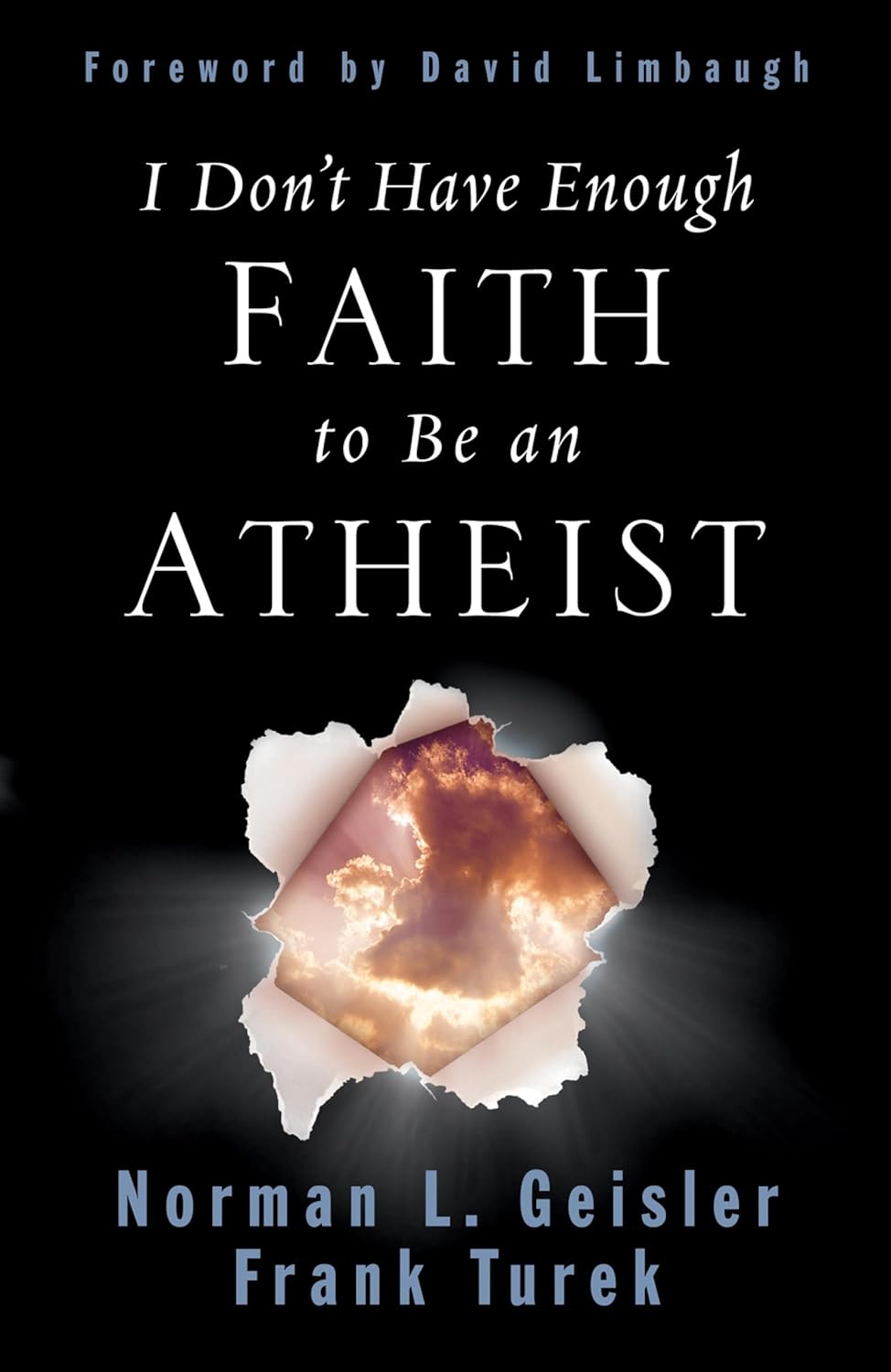








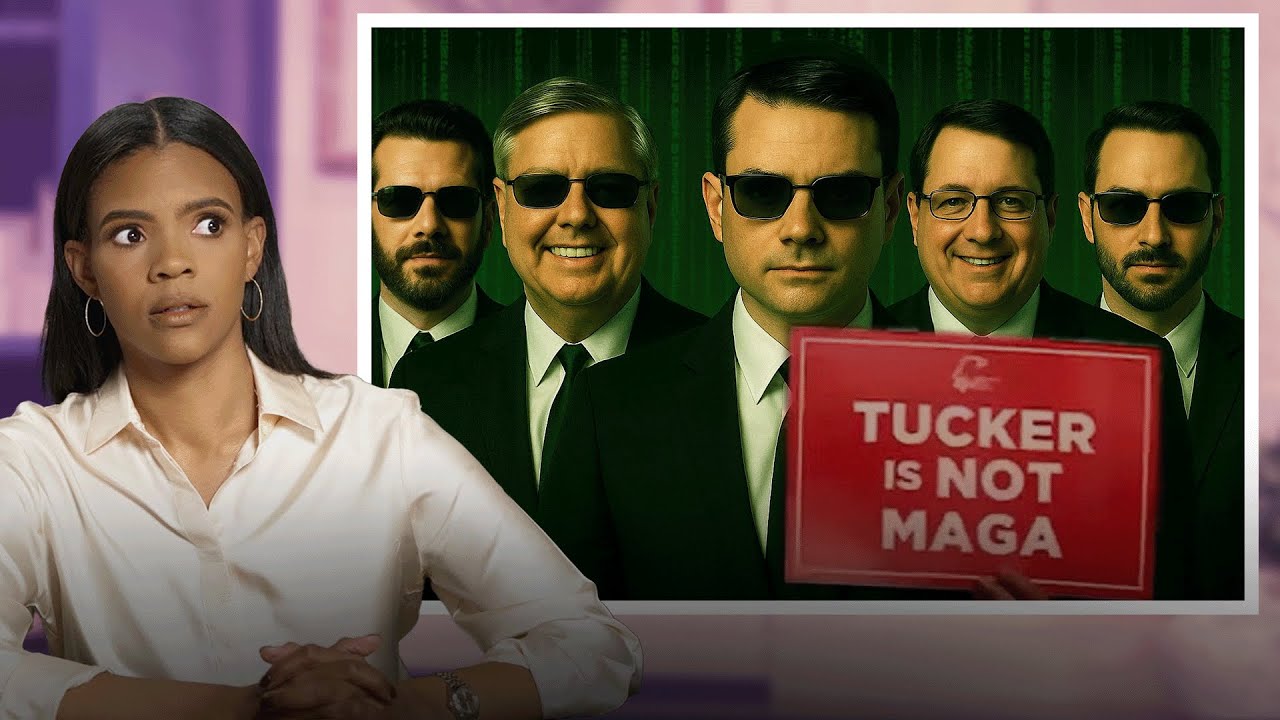
Comments
Be the first to comment on this video.