Up Next

The Assassination of Charlie Kirk: How a 22-Year-Old Gunman Cut Short the American Comeback Tour in Utah
9:04
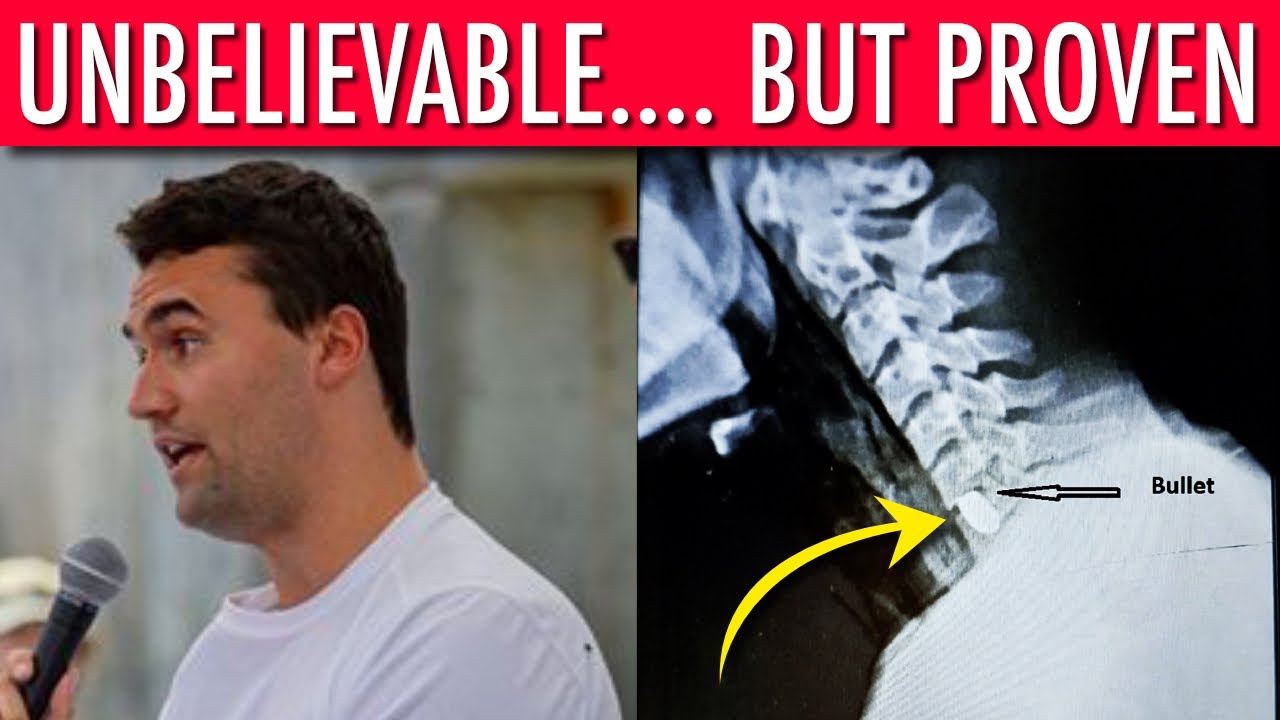
Deep Dive Into Ballistics Evidence: Can a 30-06 Bullet Remain Inside a Human Body Without Exit Wound
14:40

The Charlie Kirk Assassination: Why Millions Still Question the Official Narrative Seven Months Later
28:48
Andrew Feraci Breaks Silence on Charlie Kirk Assassination: Turning Point USA Photographer Addresses Conspiracy Theories and Death Threats
Andrew Feraci served as the sole still photographer for Turning Point USA at Utah Valley University when Charlie Kirk was assassinated. Positioned just feet away from Kirk during the attack, Ferasi captured the final moments on camera before handing all raw evidence to detectives. Since that day, he has faced accusations, death threats, and conspiracy theories suggesting he was the shooter. In this detailed interview, Ferasi shares what he saw, heard, and felt during those electric moments, why he refuses to release his photos out of respect, and his unwavering belief in what actually happened. He also addresses the Jimmy Dore accusations, the drone controversy, security failures, and the aftermath that has left Turning Point USA staff devastated and under siege.
The Photographer Behind the Lens
Andrew Feraci is a professional photographer and videographer from Boise, Idaho, with eight years of experience capturing events. When Turning Point USA reached out through a friend on their events team, he offered his services for their fall campus tour. The Utah Valley University event would be his first assignment with the organization. He was hired as the sole still photographer, tasked with capturing crowd energy, speaker interactions, and the electric atmosphere that Charlie Kirk events were known for generating.
Ferasi arrived equipped with his Canon R5 camera and multiple lenses, including a Sigma 18-35mm for wide shots and a Canon 70-200mm for detailed event photography. His instructions were straightforward: document the environment, capture Charlie interacting with students, and deliver edited photos by end of day for immediate social media use. He had no contract prohibiting him from speaking about the event or sharing photos. What he chooses to withhold, he does out of personal respect.
The Atmosphere Before the Attack
Ferasi and the production team arrived at Utah Valley University around 8 a.m., hours before Charlie Kirk was scheduled to appear around noon. Students and supporters were already gathering, creating what Ferasi described as a tailgate atmosphere similar to a college football game. The energy was excited and friendly, even among protesters who were initially cautious when approached by someone with a camera.
The crowd was predominantly college-aged, though Ferasi noted a significant presence of people in their 30s and 40s, along with some families with children. This reflected Charlie Kirk's expanding appeal beyond just college campuses. As someone experiencing his first Turning Point USA event, Ferasi had no baseline for comparison, but nothing struck him as suspicious or out of the ordinary. The production team, most of whom had worked together on previous events, welcomed him warmly and operated with practiced efficiency.
One detail Ferasi noted in hindsight was the physical layout. The crowd was elevated while he and the production team worked from a lower position, creating what he called a "fish in a fishbowl" scenario that made him uncomfortable from a security perspective. He also mentioned wanting to use his drone for aerial photography, but was told by someone on the security staff that the university and police had not granted permission for drone use that day.
Positioned Feet From Charlie Kirk
As the event progressed, Ferasi moved freely around the space, capturing different angles and perspectives. Professional event photography requires variety—shots of the crowd, environmental details, speaker interactions, and portraits. He photographed everything from excited students to a pride flag hanging off a bike, documenting the complete atmosphere.
When the shooting occurred, Ferasi was positioned approximately 10 to 15 feet to Charlie Kirk's right, slightly behind him, underneath a concrete barrier structure. His 70-200mm lens was pointed at Hunter Kozak, the second speaker who was asking questions at that moment. He was focused through his viewfinder, doing what he was hired to do, when he heard the gunshot.
The Moment Everything Changed
Ferasi heard one shot. Just one. His immediate reaction was confusion—his brain briefly registered "firework" because he wasn't anticipating violence. But reality set in within a split second. The sound was loud, not a pistol but something with more girth. Based on his experience shooting various firearms growing up in Idaho and doing photography for a firearm store owner, he believed it was a rifle, though he couldn't identify the caliber.
The sound ricocheted off the concrete wall to his right, hitting his right ear first, which caused him to initially glance right, away from Charlie. When he turned back, Charlie's security team was already moving, surrounding him and rushing him toward the SUV. Ferasi never saw the moment of impact. He never saw Charlie fall. By the time his attention shifted, the aftermath was already in motion.
What he did see was blood. Everywhere. Despite later speculation that there wasn't enough blood visible in early photos, Ferasi maintains that from his vantage point, the amount of blood was horrific and unmistakable. He also witnessed the chaos that followed—screaming, panic, people running in all directions.
Shock, Security, and the Surreal Aftermath
While others fled, Ferasi's body went into a strange calm. He describes an internal voice telling him to remain steady while everyone around him panicked. He moved backward slowly, processing what had just happened, and took cover behind a vehicle where approximately ten other people had already gathered. His immediate thoughts went to: How many shooters are there? Is this a rampage? What happens next?
The first responders arrived with stunning speed—Ferasi estimates within 10 to 15 minutes, an overwhelming show of police vehicles and SWAT teams descended on Utah Valley University. When police arrested George Zinn, an elderly man who falsely claimed responsibility, Ferasi's body finally calmed enough for him to raise his camera again. He took one photo of the arrest, thinking it might be useful as evidence. That was the only photo he captured after the shooting.
Police and detectives directed everyone who claimed to be a witness into a faculty office area within the university. The room was silent except for crying. People were in shock, constantly checking their phones for updates on Charlie's condition. The grief was palpable. Ferasi spent approximately 45 minutes to an hour in that room, messaging his family, friends, and pastor, assuring them he was safe while his phone blew up with concern.
During this time, first responders worked to secure the entire campus. Ferasi had nothing but praise for how quickly and thoroughly they responded to an unimaginably difficult situation.
Handing Over Evidence to Detectives
Before leaving Utah that day, Ferasi made certain that detectives had everything he could offer. He went to the police station and sat with investigators as they uploaded every single raw photo from his SD card. They photographed his camera, documented the serial number, took pictures of each lens he used, and created a detailed record of his equipment. They asked for his consent to examine everything, which he gave eagerly.
Ferasi had already gone through his photos at least ten times, hoping to spot something suspicious, someone out of place, anything that might help identify a second shooter or accomplice. He was angry, heartbroken, and determined to help however he could. But he found nothing unusual. The detectives took everything—his SD card, all raw files, complete documentation of his equipment. He provided full cooperation without hesitation, as did everyone else on the production team.
Ferasi estimates he remained at the university and police station for approximately two and a half hours total after the shooting. He was never given a gag order. He was never told what he could or couldn't say. The cooperation was voluntary, driven by a shared desperation to find answers.
The Jimmy Dore Accusation and Conspiracy Theories
About a week after the assassination, conspiracy theories began circulating. Then Andrew Feraci's life took another dark turn when Jimmy Dore featured footage suggesting that Ferasi himself was the shooter. The theory claimed that Ferasi gave a hand signal, emerged from behind the barrier, fired a shot from a weapon disguised as a camera, and then immediately retreated.
When a friend sent Ferasi the link to the Jimmy Dore segment, his reaction was disbelief and anger. He had been the cameraman. Now he was being accused of murder. He began receiving death threats. People doxed him online. Some even started naming members of his family, which is when he began blocking accounts for safety reasons.
Ferasi categorically denies the accusation. He showed his actual camera and lenses during the interview—a Canon R5 with a Sigma 18-35mm and a Canon 70-200mm lens. There is no hidden barrel, no modified weapon. He traveled with this equipment through airport security. Detectives photographed every piece of his gear. The conspiracy theory relies on logical fallacies that anyone familiar with firearms and photography would immediately recognize as impossible.
Still, the accusations persist. Ferasi has been offered money for his photos. He has been accused of being a federal agent, having military background, being part of a coordinated assassination. None of it is true. He is a photographer from Boise, Idaho, who loves fly fishing and wears Ariat hats. His nickname growing up was "Ferrari" because of his last name and his position as tailback and outside linebacker in football.
Why He Won't Release the Photos
One question persists: If releasing the photos would clear his name and help the investigation, why won't Andrew Feraci share them? His answer is consistent and rooted in personal ethics. Even though he has no contractual obligation to Turning Point USA, even though there is no gag order, even though sharing the photos might get people off his back, he refuses out of respect.
Those photos captured Charlie Kirk's final moments on Earth. If Ferasi were the spouse of someone who died, he wouldn't want every detail of those last moments shared publicly. Some things, he believes, should remain private. The detectives have every photo. Turning Point USA has every photo. The evidence is where it needs to be. Ferasi won't be a sellout, won't cash in on tragedy, won't violate what he sees as a photographer's ethical responsibility.
One photo he did take—the one Erika Kirk posted on her Instagram and used at the memorial—he acknowledges as his work. But the rest remain sealed, not by legal force, but by personal conviction.
Ferasi also points out that in an age where AI can add or remove anything from a photo with an iPhone, releasing images months after the fact would only fuel more speculation about doctoring and manipulation. At the end of the day, he says, God knows the truth. God is his defender and judge. That has to be enough.
What He Believes About the Shooting
Andrew Feraci does not believe Charlie Kirk is alive. When he first saw video footage from the event—footage he hadn't seen while it was happening because he was living through it—he knew immediately that Charlie was dead. His best friend, who saw the footage before even talking to Ferasi, said the same thing. The way Charlie's body reacted told the story. There was no surviving that shot.
Ferasi also does not believe this was a professional hit. He asked detectives and experienced shooters the same question: was this a professional? Their answer was no. A professional sniper with a clear line of sight can hit a specific nostril if asked. They don't miss. A 200-yard shot with a 30-06 rifle and a decent scope is not a difficult shot for someone with basic shooting skills, but it's also not the precision work of a trained assassin.
In Ferasi's opinion, Tyler Hatcher did pull the trigger. He believes Hatcher was aiming for Charlie's head. When Charlie bent down to say something and then came back up, that's when Hatcher fired. The shot that was meant for Charlie's head caught him in the neck instead. If this had been a professional hit, Ferasi believes, the scene would have looked very different.
The Drone Controversy
Another point of controversy involves drones. Ferasi wanted to use his drone for aerial photography, believing it would provide compelling shots of the crowd and environment. Early in the day, someone on the security staff—a younger guy with sunglasses whose name Ferasi didn't know—told him that the university, police, and air patrol had not granted permission for drone use. Ferasi double-checked with the production team, who confirmed they couldn't use drones that day.
So when reports later emerged that Turning Point USA had flown a drone during the event, Ferasi didn't believe it. He still struggles with that detail. He wishes he had ignored the instruction and flown his drone anyway. The footage might have captured something crucial. That regret eats at him. He constantly replays the "should have, could have, would have" scenarios, beating himself up for following the rules.
The discrepancy remains unresolved. Either Ferasi was misinformed, or the reports of a TPUSA drone are incorrect, or there's information he wasn't privy to as a contractor on his first event with the organization.
The Devastated Team at Turning Point USA
Ferasi has stayed in limited contact with one friend on the Turning Point USA events team. He checks in on her occasionally because she was there for a long time and loved Charlie deeply. She remains heartbroken. Everyone at TPUSA, according to her, is still reeling. They are trying to continue Charlie's mission, to do what he would have wanted, but the Candace Owens controversy and the flood of conspiracy theories have made everything harder.
Ferasi emphasizes that there were real people on that production team who genuinely loved Charlie Kirk. They eagerly handed over all evidence to detectives. They cooperated fully. They were victims of this tragedy too. Now their lives have been dragged through the mud by accusations and speculation. People higher up in the organization face worse than the death threats and doxxing Ferasi experiences. Innocent people are being destroyed by insinuations that they were complicit in murder.
Ferasi understands that people want the truth. He wants the truth too. But he also sees the human cost of the conspiracy theories spiraling out of control. The eagerness to find villains has created new victims.
Faith in the Midst of Tragedy
About a week or two after the assassination, Ferasi made a video sharing his perspective through the lens of his Christian faith, which he describes as the most important thing in his life. He noted that just five minutes before being killed, Charlie Kirk shared the gospel in front of thousands of people in person and hundreds of thousands online. The ripple effect was extraordinary. People started returning to church. People began exploring God again. Those who had abandoned their faith felt a sudden hunger to reconnect.
In Ferasi's comment section, people shared their struggles, addictions, and battles. Other viewers bought Bibles for strangers in the comments. Ferasi saw this as evidence of what he has always believed: what the enemy uses for evil, God uses for His glory. Something horrific and evil happened at Utah Valley University, but God remained on His throne and brought good from ashes.
This perspective sustains Ferasi when the death threats arrive, when conspiracy theorists call him a murderer, when his family gets named online. At the end of the day, God knows the truth. That conviction, more than any public statement or released photo, is what allows him to sleep at night.
Unanswered Questions and Lingering Doubts
Despite Ferasi's clear account, questions remain in the minds of investigators and concerned citizens. Some point to the behavior of people on their phones and Apple watches in the moments before the shooting, suggesting coordination. Ferasi, focused on his photography, didn't notice anything unusual, though he acknowledges that security details are always in constant communication via earpieces at major events.
Others question why Turning Point USA, an organization bringing in 80 to 100 million dollars annually, didn't have staff photographers and videographers instead of contractors. Ferasi suggests it's simply more flexible and cost-effective to contract out, allowing TPUSA to use multiple professionals without the overhead of full-time employees.
There are questions about why Charlie didn't travel with a personal physician given his prominence and the hostile environments he often entered. Why was the crowd elevated while Charlie and his team were positioned lower, creating a tactical disadvantage? Why were the rooftops apparently left unsecured despite being a known concern?
Ferasi can't answer most of these questions. He was a photographer on his first Turning Point USA event. He did his job, captured what he saw, and handed over everything to authorities. The rest is beyond his knowledge or control.
Moving Forward Under Scrutiny
Andrew Feraci hasn't worked with Turning Point USA since that day. He was contracted for additional events later in the year, but after Charlie's assassination, plans changed and he moved on. He continues his photography and videography work in Idaho, carrying the weight of what he witnessed and the burden of being accused of involvement in a murder he had nothing to do with.
He doesn't lose sleep over most of the death threats. He blocks accounts when his family gets mentioned. He refuses to profit from tragedy or sell out his principles for public approval. He won't release photos that he believes should remain private, even if it would clear his name in the eyes of some skeptics.
Ferasi loves conspiracy theories and has been interested in them for a long time. But living through this experience has shown him the dark side of conspiracy culture—how quickly speculation becomes accusation, how easily innocent people become villains in narratives constructed from grainy footage and misunderstood context.
He stands by his account. One shot. Not a professional hit. Tyler Hatcher pulled the trigger. Charlie Kirk is dead. The blood was everywhere. The grief was real. The production team cooperated fully. And at the end of the day, God knows the truth.
Video Transcript
[music] [music] Heat. Hey, Heat. [music] Hey everybody, welcome. Our guest is here. Kelly is here. We'll get them out here in just a moment. And if you have any questions, put them in the chat and we'll start prioritizing them for our guest. And when you see who our guest is, you may have some more questions. Hey, how's it going, Trigger? Hey, Rapunzel, Mr. Turpin, how you guys doing? What' you think about that uh that Candace tonight? How was that? Hey, Rebecca, we're 80% water. I thought we were 70% water. That's interesting. Yep. Kelly is streaming, too. We're multistreaming. Hey, Ivan, how's it going? Thanks for being a channel member. Can I mention how fake it has all become with Charlie Kirk? It's been interesting. Hey, Yarmmouth. Yeah, the meeting. We We may talk about that a little bit later. Um, but that was definitely a very interesting meeting and very interesting Candace. We'll just say that. All right, we got a few hundred in here now. We'll go ahead and bring Kelly on. Hey, Kelly. How's it going? >> Hello. Hello. Hello. Happy Tuesday. I had to look at the calendar to see what day it was. It's been a blur. So much news lately. >> Um, yeah. Is it good quality news though? Is it? Well, you know, it's it's keeping us busy and I think it's it's bringing in a lot of new folks, a lot of new voices to the conversation, which I believe is always a good thing. >> Well, the more angles you have, assuming it's not a scop or someone lying, eventually helps you get to the truth, and that's what everyone's looking for. >> Hey, Tanya. I give it just a few minutes here. We got a few hundred. So, is there anything I I guess what's your initial impressions on the Candace? >> She was she was talking fast and furious tonight. Uh there was a lot to keep up with. In fact, I I'm going to go back and relisten to it because there were so many topics covered in just a flurry of information. >> Yeah, we have people talking about the uh electrocution. So, she basically she shouted out Baron. She said he was doing some good work with the planes, but she had her doubts about the pictures looking like they were burnt. And then she said her source who was at the wake or funeral, whatever the viewing was, um said that she verified that the hands were not burnt. Now, some people are saying maybe it was makeup, right? Maybe there's makeup covering the burns or something like that, you know, but she basically discounted it and said that there's nothing there. >> Yeah, I'm not sure. I I did not catch that part. I had a phone call that I had to take during that part of the show, but she uh if in fact she she well I mean obviously you're saying that if she if she truly was told that uh I'm curious when this person saw what they saw. So I I'd like to hear more about that. Definitely. >> All right, we're approaching a good starting point. Did you want to go ahead and get us started there, Kayla? >> Absolutely. Let's get into it. Okay, our guest tonight, we've kept a mystery, but it is now time to reveal. Our guest was not a bystander, you guys. He was hired by Turning Point USA as the sole still photographer for the event at Utah Valley University. He was positioned just feet away from Charlie Kirk when the attack occurred directly in the line of fire. One week after the assassination, he gave a really raw interview, describing the moment as electric. Since then, new theories, new accusations, new questions have surfaced. Some of those aimed directly at him. [snorts] So, tonight, we're going to slow the story down a bit. We're going to revisit what happened before, during, and after that moment. What he saw, what he heard, what didn't make sense then, what doesn't make sense now. and we'll also address the speculation, the accusations, the broader controversy surrounding TPUSA and the aftermath of this case. Andrew Ferasi was there. He hasn't changed his story, but time has given him new perspective. So, Andrew, come on in and thank you so much for being here with us. >> Hey, thanks for having me. So, for those that don't know, um he has been on Jimmy Door unwillingly and there's some accusations and things and we will address those, but we want to make sure he also gets to tell the story because he was there. He was on the ground and he was just a few feet away when this happened. So, we want to make sure we're getting the full story and we will, like I said, we will cover the piece that some of you are questioning. Hey, Esoterica, Tanya's Maggie. A lot of familiar faces coming in. >> It's great to see everyone. Thank you. >> Yeah, for sure. >> All right, so let's go ahead and get this all set up here. All right, so Andrew, let's start off first with um the people who don't know you. Can you briefly describe your background and kind of what you were doing for that event? >> Yeah, so uh my name is Andrew. How's it going everybody? Um but I was born and raised in Boisee, Idaho. Um I've been doing professional photography and videography for the last eight years or so. Um, and I the how I got into TurningPoint was I have a a friend who is part of the events team and um I we just got connected and I offered I'm like, "Hey, if you ever guys if you guys ever need another camera for any events, just let me know and I'd be happy to do it." And uh you know, a few months after we had that conversation, we connected again. She was like, "Actually, we're going to have this huge, you know, fall um campus tour and we'd love for you to be a part of a few of them." And so I was like, "Yeah, absolutely." And the the Utah one was my first event with them. So that's kind of how I got um plugged in with them. >> And when you were doing the photography, you said you were only doing photography, right? Not video. >> Yep. Yep. Specifically photography for for Turning Point. >> Okay. Did they set expectations of kind of where you were going to be and what they expected or were they kind of just letting you freelance since you had experience? >> Yeah. So, I mean, we did an interview process of like what my background and my experiences with events and my process with with events. And so what they were looking for was obviously, you know, pictures of the crowd, people interacting, people cheering, um, getting kind of like the environment first and then after that it was, you know, when Charlie shows up, you know, make sure obviously get all the portrait photos of him, um, getting him throwing hats, interacting with the crowd, and then, yeah, it was just they they really did trust me with the whole process. Um, but their big thing was making sure like the turnaround time was important because they wanted to post those photos like immediately, right? So, um, so I was really big about that. >> What was the expectation for your turnaround time? >> Um, I told them my turnaround time is like if I have Wi-Fi. So, typically how I do events is like I'll do photos of the speaker, right? Um, talking. Then if there's Wi-Fi, I go back on my laptop, upload like 10 to 15 photos right away so that they can use it for social media and then um, rinse and repeat. But for this it was just like hey can you you know get these edited by the end of the day and then upload them. So um that that was their expectation. >> So when you arrived at campus some people I believe even Frank Turk said that the atmosphere felt a little bit off that day. What was the general atmosphere like to you? >> For me since it was my first one I didn't know what to expect. So for me I've always said like the atmosphere kind of felt like a tailgate game at a football like college football game. like people were um really excited, energetic, people were showing up like so we got there at like 8 a.m. I think um and people were already starting to show up, you know, like I don't think Charlie was supposed to be there until oh gosh, I can't remember the exact 12. Um but yeah, people were already starting to show up and people were super nice. Even like the protesters there too. like uh I went to you know talk to them and they were very like timid at first obviously when you see a guy walking up with a camera like you don't want to be like oh is this another gotcha video but I just asked how they were doing if they needed anything and they were super friendly and so the whole atmosphere to me was was really great and I I was really excited. Everyone was having a good time um especially the closer that it got to Charlie showing up um everyone was just really really excited. So that that was my experience and my perspective. So >> Andrew, did you feel like most of the people in the crowd that you saw uh were actual college students or were college student age? I think that's something that's, you know, come up quite a bit and I see that question. >> That's a great question. Yeah, that's a that's a great question. So mo majority of them, yes. But there was definitely a lot of um people, you know, in their 30s, 40s um because Charlie started to grow, not just a college crowd, people all of all ages wanted to hear him speak, right? And so um yeah, there was a good mix of um people out of college as well and even people unfortunately there's there's kids there too um that were watching. So uh it was predominantly a college age group though. Did you see anyone >> I was just ask did you did you see anyone suspicious like did you see the maroon shirt guys that Candace is talking about? >> No, I mean um nothing nothing seemed out of the ordinary to me. Um it it like I said it just felt like a a tailgating game where you know people would stop by, say hi, get to talk to them and then you move on. Um like for me the like the the energy that I felt was just kind of like what was said earlier was just electric. It sure looked, you know, in those few uh photos that we were able to see and and some of the videos from up close that there were just a lot of older folks. Um, I I actually did a little bit of a dive into what exactly defines, you know, millennials versus boomers versus, you know, all all of the different generations, but it just looked like there were a lot of folks that were significantly older than college age in those key front few rows. [clears throat] >> Uh, from the photos that I took, um, yeah, all of them from what I could see were were college-aged. Uh, but yeah, you are right. There were definitely significant amount of people that were older for sure. >> All right, so I have a question here for you. If they only announced it on 96, how were there three times as many people there? Do you know the official date that you knew about it? >> Um, jeez, I think I knew about three weeks prior. Um, three to four weeks prior just because that's, you know, for employees and people helping out. I'm sure that they needed that time in advance. I mean, they had the whole schedule out, but I think also too with social media, man, things spread like wildfire. Um, I think the campus knew about it for a while. Uh, don't quote me on that though because like I don't know for sure, but I mean, yeah, it people it was insane the amount of people that were there. >> Well, people will talk about it, right? Even if they're not supposed to, if they have like a >> Right. >> Yeah. >> And then someone's asking because you're a photographer, what do you shoot with? So, my go-to camera is a Canon R5. Um, been using it for the last three years and I love it. Um, I could I have it with me because I know that's going to be important topic later on in the show. But, um, I use three different lenses. One is a Sigma 18 to35 for wide shots. And then for events, I primarily use a 70 to 200 mil. Um, >> that's 2.8. >> Yeah. 2.8. And the Sigma is a 1.8. And then I have a nifty50 which is just good for uh >> portraits >> like head shots and and stuff like that. So and that one is also I believe a 1.8. >> All right. And then the other question people are going to ask let's see them. So >> the camera or the photos? >> The photos. >> Ah yeah. So just out of respect for for Turning Point um I've told them that I I didn't want to share any photos. Um, but I did give all of the raw photos to the detectives the same day because and that that's something that a lot of people don't realize is the eagerness that myself and everyone else on the production team had um to help out detectives. Like we were like we knew that what we had on camera was potentially evidence. And we I was hopeful because I went through all of my photos at least 10 different times thoroughly to see if I could find anybody suspicious because that's I was pissed to be honest with you guys. I was I was frustrated. I was brokenhearted like everyone should be. Um and so I was hoping that I could also find something for the detectives as well. But they have all of my photos. Turning Point has all the photos and so just out of respect for them um because I I like I've had people offer me money for my photos and I just don't want to do it. That's just not who I am. And so uh for me it's a respect thing. I know like with journalists they have a ethics code that they have to follow. And for me, even though there's not really an ethics code for photographers, that's still really important to me. Um I don't want to be a sellout. And I I understand people will be like, "Oh, you know, if you just showed your photos, you know, then that would get you off the hook, but like the photo that Erica posted on her Instagram, that's one that I did take." Um that was one that they was that was used on the memorial. Um >> that's the one here you can see on the screen. >> Yeah. And so I did take that one. Uh but yeah, just out of respect for Turning Point, I I don't want to show anybody. And and you did not have any sort of contract with them that prohibited you from >> disclosing any or sharing any photos or talking about anything. None of that. >> Like I have free free will to do whatever literally. And I'm just choosing not to because for me it is a respect thing. Um those were Charlie's last moments here on Earth. And if I was a spouse of someone who passed, I wouldn't want everything about that data to be shared with the public. Some of those things might be something that I would want to hold on to privately. So, >> so we have a question here. >> Yeah, >> we have a question here. A lot of the uh photographers and SD cards and stuff were supposedly handed over to the FBI or the police. Did you do that as well? >> Yep. Yep. I went so literally so my the plan was I arrived um Tuesday which was also my birthday. So that the day before September 10th um and then September 10th was arrive photos, edit photos, upload and then head back home. And so obviously with the horrific event that happened there, um my flight still was I was still planning on heading home that day, um but the detectives did a really good job of making sure that before I left that they could get my SD card and that they can get all of the raw photos. And so I made sure to do that. And um I was with them in the office and they were incredibly nice and incredibly heartbroken. um of what happened and they they were they were shocked like they were they could not believe what had occurred. And so um but we talked about it and they yeah like I said I was there when they uploaded all the photos from my camera. They even took photos of my camera itself, the serial number, they took a photo of the lenses that I used, everything like that just so that they could be really detailed and not miss anything, right? So, and I was all for it. Like I, you know, you have to write a consent to say, "Hey, like I'm giving permission for them to look over everything." And I was more than willing to. And that was the same attitude that everyone else had as well. >> All right. So, so I want to talk about So, the event itself, if if you guys haven't seen already, he did another podcast about a week after the event happened, and he really talks in depth about kind of like, you know, what happened. and they walk them through like you know what you hear and those kind of things. But in your opinion as someone who has shot and you've worked with other people and you do photography for people that shoot. In your opinion, you said it was a loud gunshot. >> Yeah. Could you recognize the type of gun? >> No, it was I knew right away though it was not a a pistol. Um that that has that one was a louder and like I don't want to say girthier sound, but it was. Um and so I in my mind I thought it was a rifle. I didn't know what the caliber was though. Um I just knew it was not not a pistol for sure. >> Okay. All right, Kelly, you're up. >> And and you're and you're uh basing that off of Do you have >> just my experience with with firearms? Um I've shot a lot of guns myself. I, you know, grew up in Idaho, so there's like more firearms, I think, here than there are people. Um, and I, you know, did photography for a friend of mine who owns a firearm store in in Idaho. And so just being around and going out in the desert and just shooting guns, like you get really familiarized with the type of sounds each each firearm makes. And so, um, to be honest with you, when I first because, you know, I'm pretty focused in when I'm doing when I'm working. And when I was taking a photo of the second speaker, um, and the gunfire went off, my first immediate reaction was, "Oh, firework." But then reality kicks in real quick. Real quick. And I was like, "Oh no." Because like I guess my brain was like, "I don't want to think about the worst possible scenario." Because I wasn't even thinking about that happening that day. Um but then yeah, reality quickly set in. I was like, "No, that was a gunshot." And then quickly after that, you heard the screams and then the all the calamity that took place after. So I um and Matt, [clears throat] you'll be better to describe this because you have spent a ton of time with um your guest Algeist. That's is that how you say his name? >> Elgeist. Yep. >> Algeist. >> Uhhuh. Um but I did see someone in the chat uh mentioning like the shot into the ballistic gel into the trunk kind of thing. Um, and if that were the case, for example, Andrew would have been standing extremely close to that >> a few feet away. Yep. >> Yeah. So, do you want to do you want to discuss maybe that a little bit? >> So, I guess that my question would be did you feel anything or you just heard the sound? >> I heard the sound. Um, >> and you but you said initially you looked to your right. >> Yep. So my So where I was at, I was about 10 to 15 feet to the right of Charlie, a little bit behind him, too. So I was actually underneath like the um concrete like barrier that they had. And so the sound in my opinion, this is I feel like how sound works. I could be wrong, but the sound ricocheted off because my left side was completely open, but I was right against a wall. So the sound in my opinion ricocheted hit me in the right ear. So that's why I like glanced to the right um initially. Um, and this was without seeing any videos after the fact. That was just my initial reaction was I thought it came from the right. So, >> you glance to the right, which would have been away from Charlie. >> Yeah. >> Yeah. Okay. >> Yeah. >> Yeah. So, this here's a couple pictures of you. >> So, here's you with your >> your 2.8 in your backpack hanging out there. >> And then you have that's you here, right? >> Yep. Yep. So, I mean, he's here. He's taking pictures and um was kind of moving all around. You know, some people were saying he was just kind of in one spot and it was kind of sketchy. Um he was free roaming, taking photos like a lot of these people were. And uh we'll get into the conspiracy uh about this here in a few minutes, but um was there anything about this day at all that seemed off to you or strange or like even in hindsight, like looking back, is there anything about it that made you feel like there was something about to be set up? No, nothing. I like there was again that was my first event. Um I've done a lot of events for different people and it just felt like a normal just a normal event and so there wasn't anything for me that seemed off that day. Um so >> I mean I'm looking at it of course with hindsight, right? and knowing that something happened. But I'll just tell you that I see a lot of people on their phones looking at their Apple watches and then getting on their phones. And it just there's a feeling that I get watching this interaction in those few minutes before everything starts and then, you know, leading right up into the shot. That just seems so orchestrated to me. And and I know you you might be in the zone. I get that. But I mean, you didn't like pick up on any of that. [snorts] >> I mean, I know for the most part, like for big events, too, security detail, they're always communicating all the time. Um, so they all have earpieces, so that way they're all all on the same page. Um, like I' I've seen interviews too from um people that were on security and they've done this so many times, right? It becomes clockwork. It becomes super easy for them to do. Um, but they're always constantly in communication. So, I don't know, you know, what was being said at the time with them. That's something that's completely out of my my wheelhouse and knowledge. But um I do know that they're constantly talking and making sure everyone's where they're supposed to be and making sure that um cuz each individual I'm sure is assigned to a certain area of the crowd. Most of the time, especially with college events, the the biggest threat are the people in the front row so they don't jump over and throw things and so that's why they have a lot of security detail uh in the front row. Um but uh for me personally, this is just my opinion. Um, I did not like the fact how the crowd was elevated and we're basically a fish in a fishbowl. Like that that was the only thing I didn't like. Um, and I do know that um cuz I wanted to do uh I wanted to use my drone for aerial footage in photography because I thought that would have been a really awesome shot, but then security told me I couldn't because the university wouldn't allow me to. They didn't allow any drones that day. When you say security, are you talking about Harple or are you talking about UBU security? >> Um, I was told by Harpole it's like Harple's team, so Dan and stuff like that. >> Um, but they wish I could have. Um, and I wish I could have too. That that's one of those things where that eats me up a lot because the shoulders. >> Yeah, I want to I want to >> I have a question about that because uh >> Yeah. So Harpole said that the university and the police and everything there and the air, you know, air patrol and all that stuff said he couldn't, right? Yeah. >> And I did some research and all you have to do is fill out a form and you can get permission. >> But it would be strange that Harple would be the one telling you that you can't when it's not his choice. >> So it wasn't like actual Harple. It was somebody on the security staff um >> on his security staff or UVU security staff. >> Not UVs. It was just somebody on and also the production team too that they use all the time. They I was like I double checked and they were like, "Yeah, we can't use drones unfortunately today." >> So, um but I also do know that it was UVU's responsibility to take care of the roofs. Um because I think that was something that was a big concern to Dan and everyone else was the rooftops were wide open and UVU apparently said that that was their responsibility to handle. >> Now you see >> Yeah. Now you mentioned on the other interview you mentioned something about people being on some of the roofs, right? >> Yeah. I mean, from my perspective, it looked like they were on some of the roofs, but like looking back, I think it was just an area that you could have gotten onto by walking up. Um, just because we were so uh what the opposite of elevated, but basically we're just so low that looking up. Yeah, looking up it looked like they were possible roofs, but >> yeah. >> Okay. I want to >> just other standing areas. Sorry. >> Rewind on that. Um, so do you remember which person on the security staff uh said that you couldn't fly your drone and maybe what at what point what time that was? >> No, it was early in the day though. Um because that's something because I brought my drone just in case. Um and uh I was told that by security detail that we couldn't they wouldn't have permission by the uh by this by UV use um the university. We couldn't. So, and I double checked with the production team, too, just to make sure. So, >> we we have this question here. Did you actually see the audio team doing sound checks prior to the CK? Okay. And did you did you actually get a chance to talk to Terrell and the audio guy? >> Yeah. Oh, yeah. Terrell was super nice, super excited. Um, like I said, to me, there was nothing off about that day. Um, I got to hold, you know, like I have because I do video stuff too, I offered to help and I have like my own audio in case they needed backups. And so, um, I know I knew all the gear that they were using. Um, you know, they were using Sony um, products and road mics and, um, nothing nothing was suspicious or off about anything that they were doing. So, >> did they have any outboard gear? Were they hardwired in or were they using like a generator or something? Uh the so the mic that they use are the the road mics and they're wireless. Um and so >> I mean as far as the mixer and stuff like the PA system. Oh >> the PA system I believe it was wired in. >> Okay. >> I believe I could be wrong about that but >> Okay. So people are going, you know, they're honing in in the chat as well on this drone situation. So I'm just going to ask again. Even if you don't say the security guy's name, can you just tell us what he looked like? Because, you know, I mean, that would be a pretty specific instruction. >> I think I mean, he was younger. I think it was one of the newer guys. Um, but he even asked me told me to ask the production team, too, because they would have a better idea as well, just because they that's what they do all the time. And so, um, he had sunglasses on. Um but yeah, I didn't know his name or anything like that. >> Okay. So then when you did hear that um drone a drone at least one had been flown, what did you think about that flown by USA? >> I didn't believe it. I honestly didn't believe it because I was like I was told that there wasn't a drone or couldn't be a drone because if that was the case because like the the game that I play with myself because this is who I am. I I always think about the should have, could have, would I have done better? And I beat myself up a lot for not just putting my drone up anyways and just doing it just to get the shot because who knows what I could have caught. Who knows what I would have been able to find if that was the case, you know? Um, but I just was respecting what was told to me and just follow the rules and and it so when I when I heard that there was a drone up, I was like, that's not true. That can't be true. So, >> yeah. And I mean it was your first time in your, you know, to it was your first time working with the TPUSA staff, >> right? So you had never worked with any of those people there before, ever, >> correct? Yeah. >> All right. We have a super chat from ZBTG crew. Did this guy notice the girl with the camera that was in front of him? This is the girl that Baron had me mention last night was suspicious and how she had a movement at the moment of the shot. You know, the girl that was standing out in the front. >> If you have a photo of her, I could >> Let me see if I can bring that up here really quick. >> Now, did you was it only you on this like crew shooting? Like were you kind of like completely solo contractor or were you like on a team of people that were doing it together like the videographers? >> I was a sole like I was our only photographer that day. So, was Charles Mcccleintoch was just his own his own separate thing? >> I think so. I think he's done stuff for them in the past. I'm not entirely sure. Uh, but yeah, I did notice there was other photographers there, but as far as I knew, I was only one hired by TPUSA to do that event that day. >> Yeah, I'll see if I can pull her up. Um, I think she had a backpack as well and she was doing photography. She was kind of, if you were on the right side of Charlie behind him, she would have been kind of right in that same area. Yeah, it's gonna have it's going to take me a minute to look it up. >> Yeah. >> Okay, I can move on to another question in the meantime if you want while you're >> Yep. >> chasing that down. >> Let's see. Let's see. So um so you were in terms of the photography videography staff, you were the only person who was the sole contractor and the sole uh [laughter] who who'd never been there before, never worked with the group before because what like what we understand was that um Terrell uh Farnsworth for example, the company that he has or is with had multiple staff there but that they have done TP USA work like did you get the sense that everybody else was familiar with working with each other? >> Oh yeah. Yeah. Yeah. >> Why do you think just you like just one person? >> Um good question. Um I mean I showed interest in it and I know that they really liked my work that I showed them and so I think it was just another opportunity to improve on what they already had. Um but uh no I was because I was contracted to do more for them later in the year but after the after everything happened um and plans changed. I didn't really know what that was going to look like. So um I haven't been doing things with them since. But yeah um I got to know like I got to meet a lot of people that have been there for a long time and they were super nice people that like were super loving. They welcomed me like I had been working with them for a long time. Um, and uh, they're they were really really good people. So, um, they kind of had the mentality of like, you know, whatever needs to get done, let's get done and let's help out where it needs to get helped out and and just get the show rolling. >> People are asking if you noticed any drones. >> I didn't. No. >> Yeah. I can't find this girl. I've seen her before, but uh, apparently she's not popular enough for me to have to pull her up real quick. So, we'll move on from that and come back to it if we can. Was it the Is it the the person who she was running a photographer from within the boundary or she was running a a camera from within the boundary or she was in the crowd? >> Matt, >> this one was um with where Andrew was standing, >> she would be facing him. >> So she was like right across like directly across by >> the bike racks. Was she Was she pretty young? >> Yes. And short. Okay. There was a girl that they I think she was um oh, what do you call it? Uh she was getting into photography and they wanted me to kind of help coach this person to like learn how to take photos and what to do and stuff like that. It could be her, but I can't remember her name. >> Was she from UBU? >> Um >> maybe. >> So now I have a question. This is just my curiosity. >> Yeah. TPUSA, you know, 80 to 100 million plus company per year. Why would they not have on staff camera people and videographers? I think that's a good question. Um, I think when you contract people out, um, that I mean, some some videography companies just like to be contracted out because it's easier for them. They have more clients. They're not married to one person. Um that that's a good call. I don't know what the marketing department not have to pay all that kind of stuff, right? Um you don't have to do uh and you can use multiple people, right? If uh it would be nice, right, to have someone inhouse so you can just take them wherever you want to. Um but for whatever reason, that's not the case with Turning Point. So, >> I mean, I still I still don't understand why >> Charlie didn't have a a a doctor who went to every single >> event with him >> with him. Yeah. I mean, he probably could have found someone who was a big TPUSA fan who was a retired doctor who would have done it for free, you know, given all the connections that he had. I've wondered that all along, too. But anyway, side note, >> I mean, I think from what I've heard that they didn't really expect actual violence. Typically, they get people knocking over tables. They get people ripping down signs. It's not like people taking shots or coming at him with knives. Right. >> Of course. But it would be nice to have a consistent person with you considering that you do travel with a large amount of staff and you know, it's just it would be nice to have a doctor on hand that you're not trying to find someone in an emergency. That's all. >> Yeah. Yeah. You you want him to have President Trump status, presidential. >> Hey, he was bringing in big money. >> All right, so Andrew, people asking who is he? So, let's go ahead and get into the conspiracy. All right, so his name is Andrew Ferasi or Ferachi some people tell him for the true Italian pronunciation. >> And uh he's a photographer, videographer, and you know, he has a bunch of different work and stuff he's been doing. Um you can check it out if you want to see some more of it. He did a series of photos at the TPUSA event at UVU and this one was one that Erica actually put out and he says he has other ones but out of respect he does not want to release them. And I guess just real quick is that because there's something gory or inappropriate or is it because you just Okay, >> just out of respect. Yeah. Um I you know for people that want to know the person that I was taking photos of when the shot happened was actually the p the second person asking questions. That's where my lens was actually pointed at. >> So, you have pictures of Hunter Kak. >> Uh, is that the second speaker? I'm sorry, I don't know his name, but yeah. >> Is is it the one that was asking the question when he got shot? >> Yes. Yeah. So, >> yeah, that's Hunter Kak. >> Yeah, then it was of Hunter. >> Okay. Interesting. So, >> did you take any photos after? >> Um, I did. There's one photo that I did take. Um, it was when the police arrested the really old scenile dude that was claiming that he did it. Um, >> George Zen. >> Yeah, because in my mind when I saw the people act when I saw the police officers as actually arresting someone, that's when my body kind of calmed down enough to be like, "Oh, this might be useful for evidence purposes." And that's the only one I took, which again, like the detectives have that one. So, all right. So, and then continuing with who he is, he's also standing here. He's uh in position to do some more pictures. And then, um, he's also, you know, he's he's working, right? He's walking around. and he's doing the photos and that kind of stuff. But um the theory comes in because Jimmy Door probably got some information or some kind of a tip and uh we'll watch some pieces of this but basically he is the person right here. I don't actually let me do full screen. Is that better? Yeah. So he's actually this person right here and you can see his lens sticking out. And I did a video on how cameras and guns just like this up here, right? You know, you can have a a gun that looks like a camera and a camera that looks like a gun. And then a lot of people were saying, you know, look like maybe this this person here, which is him, shot from behind and hit him and all that kind of stuff, right? And that came basically from this episode of Jimmy Door >> bullet come out. So that that's what that was. You saw the bullet come out and they're saying this is the guy right here. So he gives the hand signal. This guy comes out from behind. Watch this. [music] So there's the guy. So they're saying that that guy took the shot and then he immediately walks backwards. Watch this. He walks away. So that is the accusation, right? And um it was a theory that came out that maybe that camera person had shot and that camera person just happens to be Andrew. So did you have anything you want to say to the audience about that? >> It's Can I cuss out loud? >> It's [ __ ] Um I mean the the day that I saw cuz someone sent me that link of this of that video. Um, and you know, I've seen there's some other some conspiracies, you know, that I was watching. Um, and then my friend sent me that one. And I was like, whoa. Like this is this is me. Like my life is being affected now by this. And um, first and foremost, I would never do anything like that ever. Um, my passion has always been photography. I love people. Um, but there's a lot of uh logical fallacies when it comes to that theory of people that have been around firearms for a long time. Uh, know that there's a lot of things that would have to have happened in order for I guess my camera to do that, I guess. Um, >> okay. So, I know I know people are going to ask people are going to ask this. Can you show your camera and lens to verify that there's not a barrel? >> I have it here. >> I'll actually show you the two. So, this was the first lens. This is the wide angle lens that I used. And this is the actual camera with the same photo lens. Everything. Um, this is what it looks like taken off. That's >> so not a gun. >> Not a gun. Um, you know, people that are have been all in on this conspiracy have said I use two different cameras that I've, you know, I switched them out. It's not true. This is the only camera that I own. Um, you know, also I traveled, so I'd have to take everything with me through security in the airports and everything like that, too. Uh, like I said, not to mention the the detectives took photos of my actual camera and the lens and everything like that to be very thorough. So, um, yeah, that there's a lot of things I could say about that, um, about that video. Uh, >> you also flew in with the equipment, right? >> Yeah, exactly. So, I went through security, airport, everything. Um, I was just a photographer. Um, so >> now if you want a better idea of kind of the like his feelings and his passion and stuff for photography, that first podcast that he did, he really gets pretty deep into it. Um, so that'll give you a much better idea. We don't want to spend a lot of time on it here because he's already um he's already talked about that. All right. So that is the that's the theory, right? And it was put out. Um, now in all fairness, these theories have been said about a lot of people. >> Yeah. >> They've basically almost picked every single person that was within 15 to 20 ft of Charlie and said that person killed him. That person killed him. Those people killed him. Now they're saying possibly the sound guy electrocuted him. Right. So, it's this kind of just this uh if you're in that area, you're kind of a target. Now I I am interested to hear about when they put you in the room and not just like kind of what happened but also like how you felt like did you think that were you worried about more shoot more like more shooters obviously but also like you know what was going to happen and why the the police or whoever it was was like kind of putting you in there and then my other question follow up on that is you mentioned SWAT being there how fast did they get there? Oh man. Um, so with the SWAT question, I couldn't give you an exact time frame, but for me it seemed pretty damn fast. I've never seen so many police vehicles there in my entire life. Um, it was it was insane. Um, >> are we talking like minutes? Like like a few minutes or >> Oh, I'd probably say like 10 10 minutes, 10 15 minutes. Um, but again, like the first responders there, first of all, I want to say a huge shout out to the first responders there because that's not easy. They're it's terrifying in that situation and I think they did the best that they could um within, you know, with the situation that was given to them. Um but yeah, I think they they showed up for me incredibly incredibly fast. >> Um >> Okay. Now, now in that room, >> yeah, >> what was going on in that room and who's in there with you? Do you still talk to anyone from that? >> Um not really. Uh I mean I talked to my friend who is one on like the event team from time to time. Um, but for the most part that entire room was really silent and a lot of a lot of crying. Um, people were so shocked. They they didn't know, you know, they're constantly checking on their phones for updates on Charlie. Um, it was awful. Like it it it was um yeah, it I I really can't find the words to describe that feeling. Um just a lot of a lot of tears. Um a lot of shock, a lot of grieving. Um >> so so you said you got moved to this room. So who actually moved you to the room? >> Just uh police officers um that were there, detectives, they were uh telling us where to go. Um anybody that claimed to be a witness to an event, they were just making sure like, "All right, come to this room." >> Did they rescue? Did they make sure like there was no guns on you guys? Were they questioning you as though? I didn't get >> I didn't get first at all. No. Um I think what happened was uh they want to make sure the area was clear and safe before doing anything next. Uh because again when that happened you don't my mind went to how many shooters are there? Are they going on a rampage? Like what what's going to happen next? We don't know. And so same thing first responders don't know. They're they're dealt the same cards that we are. And so they have to, in my opinion, I would assume that they would have to make sure that the area is safe and clear before doing anything else. And so once the area was safe enough, they brought us to this like faculty area within UVU. And um that's when SWAT did its thing to um make sure that the entire university was clear um to the best of their ability. And we were probably in that in that faculty office area for probably like 45 minutes to an hour. At least that's what it felt like. Um, >> so, so there's this question here asking how long you were there afterwards. So, it was about that 45 minutes to an hour and then you also went to the police station to drop off evidence, right, for the photos. >> Yeah. Yeah. >> So, a couple hours total. >> I would probably say I got out of there. I can't give you an exact time just because I don't remember. Um, but I'd probably say I was there for another two and a half hours at least. Yeah. >> At that point, were you on your cell phone? Were you trying to >> Oh, I was I was messaging I was I was talking to my family to I was talking to my family to my friends, my best friends, my pastor um because my phone was getting blown up because like um people knew my my best friends, my family obviously knew that I was there. Um and so I was just trying to keep them up to date on everything that was going on. Um they but primarily wanted to make sure that I was safe. Um, and so yeah, that's who I was primarily talking to >> when I'm sorry to rewind just a minute, but while you were standing out there and as the uh shot was initially fired, I mean, within a split second, we see you and who was the guy that was standing next to you? I can't remember. It was another photographer. >> Videographer. >> Videographer. He's part of the Yeah, he's part of the videography team. Um, again, I don't remember his name. Um, but he had his own camera on a gimbal and, you know, he was getting B-roll in, >> right? He had he had like Yeah, he had it on that gimbal. If people don't know what that is, it's like a pole for stabilization. I I don't know. That's the >> Yeah, it's literally you put your camera on it and it's an electronic stabilization so that the you could do all sorts of stuff and it'll stay stabilized. >> Okay. So you guys both kind of pivoted to the back of behind behind stage um almost like clockwork, you know, from here to there. Not down, not running this way, you know, it was just a very smooth motion. So can you talk about that >> and what you were thinking? >> Yeah. So, um, like one, I think my body just went into complete shock, like trying to figure out everything all at once. Um, but reason why we both look to our left is because that's where we saw Charlie's security team, you know, get on top of Charlie and take him to um the car, right? And so that's where our our attention went to. Um, and uh, there was a vehicle behind us and again like everybody's body reacts differently in that situation. You're not going to know how you're going to act until you're actually in that situation, right? And so, um, people were running, people were obviously panicking and, um, oh, hold on. I got a notification that my headphones going to die. Um, sorry about that. Um, but for me, I I was trying to I think process everything. Um, uh, guess that's why I walked backwards slowly trying to figure out what was going on. And then I saw the car behind me where there was already probably 10 people hiding behind. And um, you know, part of me, every part of me inside wanted to panic, but because other people were screaming and and freaking out, there was this, I don't know, still voice that was like, "Nope, you got to remain calm. Just remain calm. breathe. Um, and that's when like I, you know, you can see the first responders come and, uh, yeah, and then shortly after that is when I saw the old, what, what's his name? The old crazy dude, >> George. >> Yeah, that's when I saw him get arrested and that's when I started taking that was the only other photo that I took um after the fact. Um, and then after that was taken care of, um, I did go around just trying to make sure people were okay. What can I do to help? Um, I was asking police officers questions of like, okay, what do you need? You know, like I've got a camera, I've got photos, like who do I go to to give these to? Um, because that's all I wanted to do. I wanted to help um as soon as I could. So, >> so we have this question here, and this is a recurring question I've seen a lot in the chat. So, they say you have these photos and they're asking why you don't release them if it could help with the investigation. Now, I want to preface this because um in the other podcast you had a chance to basically say what you thought about Charlie >> and you talked a lot about faith and religion. >> Um so, if you can kind of kind of pair those together and kind of just let people know your thoughts about that. >> So, I don't I don't know what else I can do to help the investigation than what I've already done. You know, >> have you been have you been interviewed by FBI or any of those people? I mean, when I went to the um >> the station >> to the police the station, you know, they asked me questions, but again, like I was a cameraman, so all the all of my evidence, everything that I contributed was in my camera, and so I gave them everything. They downloaded all of the raw photos right in front of me. Um, so they have everything, every picture that I took that day. Um, there wasn't anything that was tampered with. Um, that's another thing that I can that I can verify was there was there was nothing that was tampered with on my end or on the other production team's end. Um, we were very willing to help out any way that we could. And uh, >> when you say nothing tampered with, >> talking about the SD the SD cards. >> Yeah, the SD cards like nothing was deleted, nothing was erased, everything was asis. And so, um, you know, so I didn't, you know, delete anything off my SD card. I gave everything I had because believe it or not, for all the conspiracists out there, people that were on Charlie's team loved him dearly and wanted to do anything they could to help out. >> So, let's talk about that. Let's talk about your thoughts on Charlie and what he meant to you. >> Yeah. Um, so I I made a video about a week or two after um after the event just kind of t giving my perspective on things and my faith is number one to me. It's the most important to me and I know it was really incredibly important to Charlie and in the video I just said that um I think it's I'm a I'm a type of person who likes to see the world, you know, half glass full. Um, and so I was amazed the fact that like 5 minutes prior to the assassination, Charlie was able to share the gospel in front of thousands of people there, which in turn was hundreds of thousands of people um because of social media and the ripple effect that in itself had was amazing to me. People started going back to churches. People um you know were just exploring God again. people that haven't been um practicing their faith have been wanting they h had this hunger all of a sudden again and that was something that was amazing and I've said this time and time again what the enemy uses for evil God uses for his glory and so that's essentially what I made the video about and then even in my own comment section people were talking about you know some of their own struggles and some of their addictions and battles and people were literally buying each other Bibles in my comment section and I was like this is like amazing like this is the coolest thing ever. Um, and so, um, yeah, I that's basically what I I was focused on was the faith aspect. The fact that people were coming to Christ again and, um, again, something so awful and evil happened and yet God was like, "Nope, I'm still on my throne and I'm going to use this for my glory." And so that that to me was amazing. >> Thank you. The era of K for super chat. So they're asking was the wall behind you or was the SUV or that Pacifica behind you? >> The So the cement walls to my right and then the the cars were behind us. >> So you were kind of like at the edge of the tunnel in the open area. >> Yeah. Yeah. >> Yeah. All right, Kelly. >> Okay. So, uh, did you actually see Charlie dead? I'll just cut straight to the point. >> No. >> Did you actually see Charlie dead? >> No. I like I said when I was taking the photo, I was taking photo of the second speaker. >> Hunter, is that his name? >> Mhm. >> Yeah. And um when I did see Charlie, his team was already picking him up and taking to the SUV. So like his whole security team was around him. Um so I didn't actually get to see like the shot hit him and and go down, but I did see the aftermath of everything. I saw the blood and um which was horrific the amount of blood that was there. Um yeah, >> that's one of the things that I struggle with uh because to me it doesn't look like there's that much blood. And between doctors or surgeons or nurses that I've spoken with, uh, you know, through a variety of research that I've done, people will say that it just didn't look like enough blood and and so, you know, I I have a real hard time with that and I think some in our in our audience does, too. >> That's that's fair. Um, but for what I saw, it was everywhere. Um, so There's some new photos. >> Yeah, there's some new photos that I saw today of the stage area after he left and there's blood all over the platform. >> I mean, there's there's definitely blood. I know people a lot of people question it, but if you actually get this the specific photos, you'll be like, "Yeah, there's there's a lot of blood." >> I mean, if I could go back to and here's the here's the problem with the world that we are living in now is that everybody can be their own AI artist, you know, with just their iPhone, right? the the iPhone can so quickly if it can remove a car out of the back of your photo that you don't want, it'll do that. If you want it to add some blood to something, it'll do that. So, um, you know, the longer that time takes, it's just hard to to know that a photo is not doctorred. As a photographer, Andrew, can you talk about that? >> Uh, just like the with AI and everything. Yeah. Oh, I mean just the idea. >> Sorry, I was paying attention to the comments and some of them were crazy. >> Um, >> yeah, let's do that really quick with this question. >> So, Kelly, um, ask Andrew what the logos are on his hoodie and cap. >> So, this is a I got this at D&B Supply. It's a chain in Idaho. And I actually, we talked about this prior. I was like, "This is going to look a lot like this, isn't it?" Uh, but no, it's a fishing hook and a hammer. Um, I just liked the logo and I wear the same Arat hat like wherever I go. So, I just wanted a new hat there. There's really nothing nothing to it. But >> yeah, so it is it is not the communist symbol cuz we had before we started. Yeah, >> Ariot like the boots arot. So, I my my go-to hat I've got like five Arot hats that I always wear and I wanted something different especially like my friends were giving me a hard time like all you wear is Arot and so I mean yeah um so I just saw this at D&B and I fly fish a lot and I saw the fishing hook and I was like I I have no idea who this brand is but I liked it and I bought it. So >> fair enough. >> Oh man I was all >> your question I think was it related to AI? >> Yeah. Yeah. just as a photographer, how do you deal with the because there have been photos and videos that have come out, you know, in the weeks and months that have passed that most definitely have been altered. And so, you know, for you being one of the few people that was officially there most definitely taking pictures, >> how do you but yet but yet, you know, not willing to release your photos. >> How do you handle that? >> At the end of the day, for me, it's God knows the truth. Like, he's my defender. He's the judge and he knows my heart and he knows the truth. That's that's it for the me at the end of the day. At the end of the day, when it comes to AI, I think a lot of people can it's it's like social media. Uh you know, social media has been used for really good and it's also been used for really bad. It's a double-edged sword. And with AI, I like it a lot because it helps editing go by so much quicker for me. Um but yeah, people can definitely manipulate images and manipulate it to fit a certain narrative that they want out. Um, so in that regards it's it's not good, but it's one of those tools where hopefully people use it in a responsible way and use it in a way that's meant to be used and not, you know, abused. So, >> all right, let's do uh some of these questions we have building up here. I want to make sure I get to all the super >> I love how active the chat is. I mean, every >> for Let me just say I have I'm not a fed. I'm not even a student. Like, I'm I have no military background whatsoever. >> [laughter] >> Like it's crazy. Come on, guys. >> Okay. >> Well, you don't have to have military background to be a fed, but >> but like Well, that's some of the comments in the Jimmy Door video was like, "Oh, no, he's definitely, you know, military background." And >> yeah, >> which they've said about everyone involved and people say that about me all the time. >> So, uh, let's see. First question, no gag order for you. So, the judge put out a gag order to witnesses and you were actually saying that you were a witness and you went and gave your camera, pictures and everything to the police station. >> So, are you aware of any gag orders? Have you been contacted about that? >> Nope, >> not at all. >> Not even a little bit. >> Let's see. Sorry for what you went through, Andrew. Thanks to ARFK for your super chat. Would he have a photo he could release that can debunk the fried hand theory? So, but you don't do you have any pictures of him going out after he got hit? >> Uh, no, I don't. >> The fried hand theory is the new electroation theory that everyone's talking about. All right, let's see. Eli Mercer, thanks for the super chat. Honest question. Ask him if his nickname is bulldog or boxer or pitull or something like that. Not a joke. Am I close? Is it something like that? >> No, my my nickname growing up was Ferrari. Uh cuz I played my last name is Ferasi and so I played uh tailback and outside linebacker in football and so that's where that came from. Um so yeah >> and Sonic Sniper Killer Zelda. Thanks for the super chat. Candace bounced up and down. They say CK is alive. Do you think have you kept up with any of the theories? >> I've Which ones? Because there's like eight of them >> that he's still alive. Like like the the blood squib the fake. >> No. I mean I because I can talk about that one. That's one that I openly and honestly uh still believe from a personal level. And so I would be curious to to hear your thoughts on that. >> I from all the videos like that I saw like I saw videos that weren't posted online from people that were there. Like in my opinion, when I first saw the first video I saw, I knew immediately that he was dead, >> which is a lot of people said the same thing. Yeah. >> Yeah. Uh there's no chance, no no chance in my mind that he survived that. Um even uh like it's crazy how fast like social media just spreads. My my friend, my best friend who I was talking to, when I let him know what was going on, he immediately saw the footage already for him and he said the same thing. and he's like, "Dude, I'm so sorry, but I don't think he's alive." And it's in that it's in that moment where you know you look up you you love someone so much, right? And you look up to somebody that you want to believe the best even though you your eyes see something impossible. It's like, man, maybe there's a chance that he is alive, but reality is like the way that his body reacted. Um, everything just told me that when I saw that video, I I just knew that there's no way that he made that. >> And a lot of people were speculating, too, that if he actually did get shot and he was alive, he would probably be paralyzed or have some permanent damage anyway. >> Mhm. >> All right. [clears throat] Next question is, why were you behind the tent? So, like, why were you >> Yeah, great question. So, these are all like valid questions, right? And and I think people need to understand like as a photographer, you don't want just the same angle. You want multiple different angles of of everything of especially when you're doing event photography. You're going to get some of Charlie. You're going to get some of the crowd speakers. I got photos of like I you get everything. I mean I took pictures of a pride flag hanging off of a bike um just to get the environment. And so for me it was just um I was when I first was taking photos I was standing to Charlie's left um that in fact you guys pulled up a photo of me being there and then just for different perspective uh getting a better photo of Hunter um I just wanted a different angle and that's when I used my 70 to 200 mil uh because that's an amazing photo. I mean sport photographers use those all the time. Um, it's a good way to get basically like you're right in front of the person without being in front of them. You can be a far distance a good ways back to uh from the subject and still take a photo that looks like you're right in front of them. So >> 200's a pretty good zoom. >> Yeah, it's a great zoom. >> All right. Now, someone can while we're on that though backstage kind of thing, can you tell us what was going on right behind the stage? That's one of the things that no one has really been able to hear or understand to this point. So >> yeah. >> Yeah. Describe the scene. How many people were back there? What were they doing? All >> did you notice the car trunk opening and closing? >> No. I So the car trunk from what I remember is there was a car that was backing up to give to make sure we had plenty of food, water, snacks, that kind of stuff. Um, and then for the people that were just like behind, they were like people that worked for Turning Point, some of Charlie's friends. Um, they were just there watching, talking, and and having a good time. There was nothing criminal or suspicious going behind the tent at all. It was just you had uh set up behind there, too. Um, people that helped set up the tent and everything like that, they were back there. Um, but yeah, there was nothing suspicious at all going be behind the tent. There's just people watching Charlie do what he does best. >> And if you look at other events, you'll see the similar type of setup. You'll see the people behind the tent that work for the company and that kind of stuff. >> Yeah, >> exactly. Yeah. >> All right. So, someone said you had three cameras earlier. I believe it was three lenses, right? >> I have so two lenses. I I used three lenses, but I only used two for that event, which was the Sigma 1.8 to 35 and then the Canon 70 to 200 mil. >> And then just real quick, we have uh Ivan as Ivan says, "Came with a lens gets heavy. Why no strap? >> I just like to uh not have a strap. It's personal personal preference. So, and >> yeah. Oh, go ahead. >> And then the last super chat here. Uh dogs, no cell. We are all fed here. Lol. Everyone's a fed. >> Hey, everyone's an investigator. Everyone has, you know, the ability to find truth now. So, >> all right, Kelly, go ahead. U so have you heard from anyone or several people with TPUSA after can you describe those communications and um you know what they have told you or told you not to say? >> They they really haven't told me not to say anything. Um, [clears throat] I like I said, I stayed in contact with my friend who is on the event staff and I check up on her on on an occasion because she's been there for a long time. Um, and she's still really upset. She's still really hurting. Um, she's told me everyone at TPUSA is incredibly heartbroken and going through it and you know that the whole Candace thing has not been making it easier. You know, they're they're trying to do what Charlie wanted to do. They wanted to continue on with that, right? Cuz you still have to. You still have a mission. But all of these crazy um uh insinuations has really delayed all of that. And I get it. Like at the end of the day, people want to know the truth. I understand that. But there's a lot of a lot of innocent people who actually truly loved Charlie and cared about him that are that are going through mud now because of everything that's been said. Uh their lives have been damaged forever because of things that she's been said. Um, I get >> I get I get um death threats and and I get, you know, uh doxing, you know, threats all the time and I was just the cameraman. So, I can't imagine what people that are actually higher up in Tuning Point get on a daily, you know, >> turn those over to the police. >> Uh, no. Because I just to me it's like, okay, whatever. I don't care at this point. It's like people are going to say what they're going to say. Um, I've had people bring up certain family members of mine and that's when I take it seriously. They didn't threaten. They just started naming people in my family and that's when I block them because I don't need that. Um, >> but yeah. >> Yeah. Did uh and and the person that hired you or that you were and andor that you were in contact with uh was that uh Elizabeth McCoy? >> No. No. Got it. The >> Yeah. >> So, people go ahead. >> Oh, go ahead. Go ahead. >> I was I could I just out of her own safety, too. I don't want to mention her name, but it wasn't her. >> Okay. >> And that's for anyone who's wondering, that's Mikey McCoy's wife who is apparently administrative director of events, something to do with events at TPUSA. >> So, people are asking, they want to verify 100%. You only heard one shot. >> Yep. One shot. Which was also weird to me. Um, and I just so you guys know, like I've never I've been I've been a conspiracist theory like person for a long time. I love conspiracies, but after all this, man, it's like I don't it it's crazy the stuff that people are coming up with. But when I talk to the detectives and I talk to um people that are really good shots when it comes to guns and and firearms, uh I asked them, I said straight up, I was like, "Because it was one shot, do you think this was a a professional shooter?" And their answer was, "No, we don't think it was a a professional shooter." Um because if you talk to any professional sniper and you tell them like where you want them to get, you know, where they want the shot at, they'll they'll ask you like, "Okay, what which nostril do you want me to hit?" Like that detailed. They don't miss. And so like for for because one shot to me was like in my mind, if it's one shot, it is a professional shooter. But at the same time, I at the time when I asked that, I didn't know how far away the shooter was. I didn't know anything, right? Um, but like a 200 yard shot uh with a 30 six and a good scope is not really that hard of a shot. >> Well, professional shooters don't aim for the neck. >> No, they won't. And so, u I think just so we're all clear, just I'm just going to say this right now. I do believe in my opinion uh that Tyler did do it. I believe he was aiming for the head. Uh because when Charlie went down to say something, he went back up. And I think it was in that moment that he tried to pull the trigger. when he went back up. I think that's where he got hit was in the neck. That's just my opinion. Um, but yeah, when it comes to like was this an actual hitman? I think if it was a hitman, they would have made a made the scene a lot w
Related Books
Browse Conservative Books