2,422 videos 1,389,747,653 views US Joined Aug 30, 2018
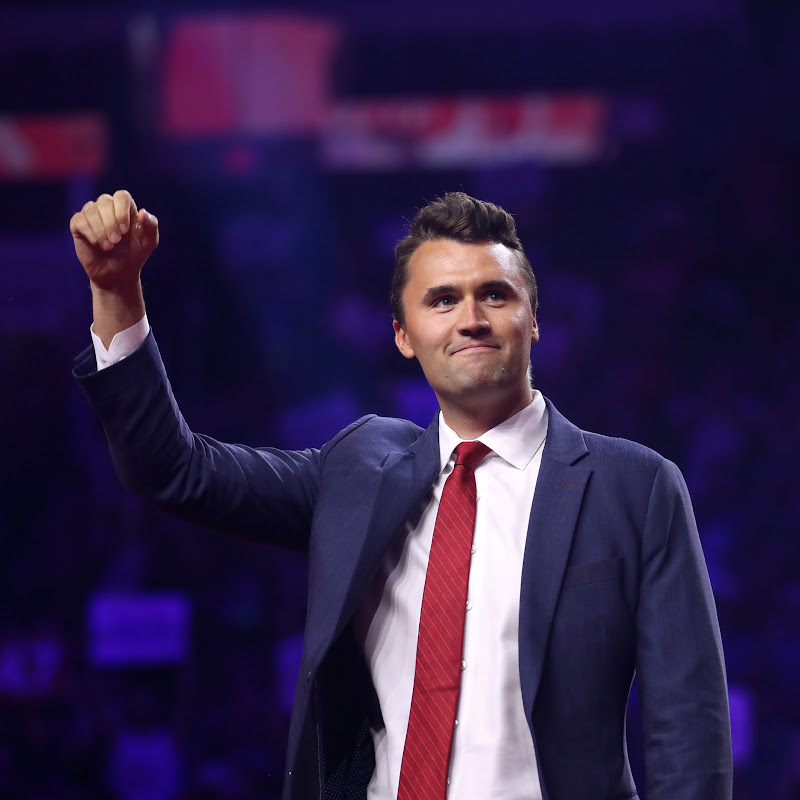
Charlie Kirk is the Founder and President of Turning Point USA, the largest and fastest growing conservative youth activist organization in the country with over 250,000 student members, over 150 full-time staff, and a presence on over 2,000 high school and college campuses nationwide. Charlie is also the Chairman of Students for Trump, which aims to activate one million new college voters on campuses in battleground states in the lead up to the 2020 presidential election. His social media reaches over 100 million people per month and according to Axios, he is one of the "top 10 most engaged" Twitter handles in the world. He is also the host of “The Charlie Kirk Show,” which regularly ranks among the top news shows on Apple podcast charts.
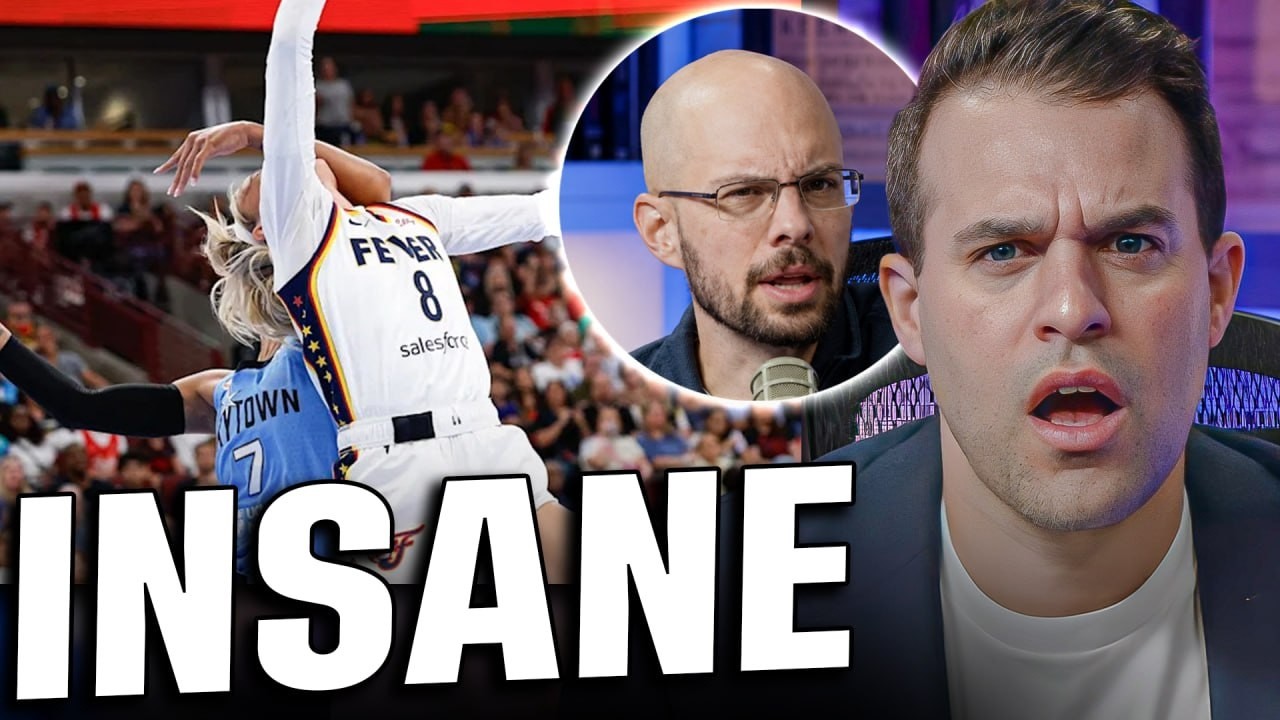
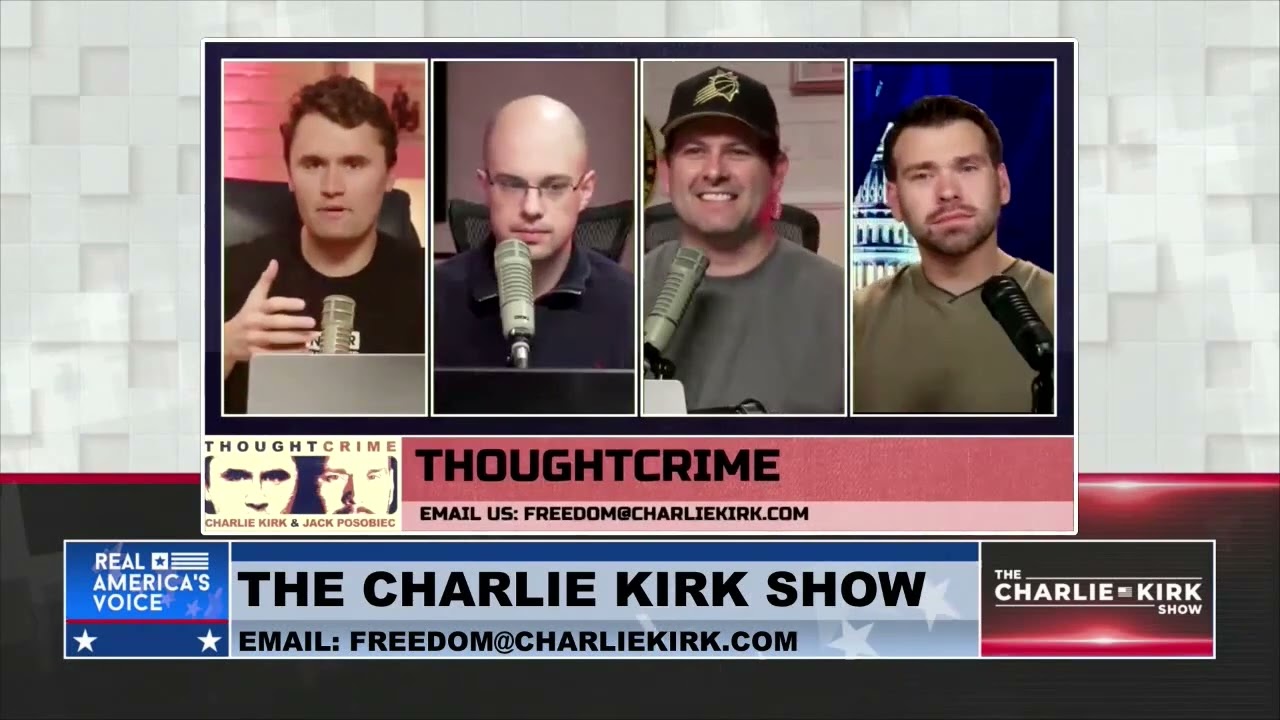
Andrew Kolvet and Jack Posobiec Expose How Bad Bunny's Super Bowl Selection Reveals Cultural Engineering in American Sports
Andrew Kolvet and Jack Posobiec break down the controversial selection of Bad Bunny for the Super Bowl halftime show, revealing how Jay-Z's Rock Nation controls these performances and why the NFL is pushing a Spanish-speaking artist who has never sung in English. They expose the cultural shift happening in American sports, from manufactured streaming numbers to the deliberate sidelining of rock music for 16 years, and explain how this represents a larger corporate strategy targeting demographic changes in America rather than genuine fan demand.
Andrew Kolvet admits he had never heard of Bad Bunny until the artist appeared in Happy Gilmore 2. The discussion reveals that Bad Bunny, a Puerto Rican musician who exclusively sings in Spanish, was selected for a major Super Bowl halftime performance despite having minimal recognition among core American football fans. Bad Bunny appears in various controversial outfits, including what appears to be female garb and prosthetics, representing a stark departure from traditional American entertainment.
The selection raised immediate questions about why the NFL would feature an artist who doesn't perform in English for America's most-watched sporting event. According to industry contacts, this isn't about fan demand—it's a calculated corporate strategy tied to the NFL's international expansion efforts and demographic shifts within the United States.
Jay-Z's Control Over Super Bowl Entertainment
A critical revelation emerged about how halftime show selections actually work. For at least five or six years, Jay-Z and Rock Nation have held an exclusive contract for Super Bowl halftime shows. Jay-Z, described as Barack Obama's best friend, wields enormous influence not just over the Super Bowl but also over major awards shows like the Grammys.
This explains why rock music hasn't had a single Super Bowl halftime act in 16 years despite its enduring popularity in American culture. The selection process isn't driven by what fans want to see—it's controlled by a small group with specific cultural and business objectives. Bad Bunny's appearance in both the Super Bowl and Netflix's Happy Gilmore 2 represents coordinated corporate pushes rather than organic popularity.
Streaming Numbers and Manufactured Popularity
Bad Bunny was the number one most-streamed artist globally in 2020, 2021, and 2022, and ranked third in 2024. His most popular locations are Latin America, with the United States coming in second. His listener demographic skews heavily young, with 61% between ages 13 and 27.
However, Jack Posobiec revealed an important truth about these impressive numbers: streaming statistics are largely manufactured. Unlike the old sales model where actual purchases were tracked, streaming platforms allow record labels to inject their chosen artists into rotation. When users select "modern music," the system plays what the labels decide—potentially the same artist 100 times without the user actively choosing it.
This represents a fundamental shift from the radio era. While radio stations always had limited space and labels competed for rotation, streaming appeared to offer unlimited choice. In reality, Billboard and other tracking services now focus on streams rather than sales, allowing labels to create chart-topping artists that many people have never actually heard of.
Cultural Colonization in Reverse
Andrew Kolvet framed the Bad Bunny phenomenon as "reverse cultural colonization." While critics have long accused America of pushing its culture onto other countries through movies and media, the current situation represents the opposite dynamic. The millions of migrants from Latin America and South America who have entered the United States have created a new market segment within America itself.
Rather than these new populations assimilating into American culture, corporations are adapting American institutions—like the NFL—to reflect these demographic changes. The NFL's selection of Bad Bunny represents an attempt to merge these audiences, treating massive population shifts as simply a business opportunity to capture new market share.
This approach fundamentally differs from organic cultural evolution. The entertainment industry is attempting to force a cultural transformation rather than allowing it to develop naturally.
The Taylor Swift Comparison
The discussion contrasted the Bad Bunny selection with Taylor Swift's prominent presence at NFL games. While some complained about Swift's coverage, her involvement actually created positive outcomes—young teenage girls would join their fathers in watching football, creating opportunities for family bonding and connection.
The Bad Bunny selection appears designed to reverse that trend. Now, when young people start watching football because of Bad Bunny, they'll be exposed to what was described as "weird leftist stuff" injected into the games. This represents a deliberate use of pop culture for social engineering.
The NFL as a Tool for Social Engineering
The NFL's use for social engineering purposes isn't new. The discussion referenced how Barack Obama worked with the Baltimore Ravens to push Obamacare, demonstrating that political figures have long understood the NFL's cultural influence. Obama's production deals with Netflix and his close friendship with Jay-Z and Beyoncé create a network of influence across entertainment platforms.
This interconnected web—from Netflix productions to Grammy selections to Super Bowl halftime shows—allows for coordinated cultural messaging. What appears as entertainment choices are actually strategic decisions designed to shape American culture in specific directions.
Why Modern Culture Feels Stagnant
An interesting observation emerged about modern film soundtracks. Recent movies like the Chris Pratt film with Millie Bobby Brown rely heavily on late '80s and early '90s rock music, even when set in the present day. This raises the question: why do filmmakers keep reaching back 30 years for their soundtracks?
The answer is that rock music still works for action sequences and emotional moments in films, but the entertainment industry has systematically suppressed the development of new rock music. Looking back through the 1920s, '30s, '40s, and '50s, each decade had a distinct sound as music naturally evolved—from the rise of rock and roll to the disco movement to the evolution of pop.
Over the past 20 years, the industry has attempted to "hard stop" American musical culture and inject international influences to fundamentally change American tastes. This forced evolution doesn't work organically, which is why filmmakers still reach for decades-old rock tracks when they need music that resonates emotionally.
The Creed Solution
In response to the Bad Bunny announcement, Jack Posobiec tweeted that there's only one appropriate response: bring on Creed. He referenced the legendary 2004 Thanksgiving halftime show where Creed performed, calling it "the peak of America." The spontaneous tweet generated multiple media inquiries asking if Turning Point was planning a competing halftime show featuring Creed.
While initially just a humorous response, the idea gained traction in the discussion. Andrew Kolvet even pitched inviting Taylor Swift, pointing out that he had suggested this at CPAC as well. The suggestion was met with skepticism about feasibility, but it highlighted the disconnect between what the NFL is offering and what American audiences might actually want to see.
Demographic Strategy vs. Fan Demand
The core issue is that the NFL's entertainment choices are driven by demographic targeting rather than fan preferences. The league has been losing its older audience since the kneeling controversies and "end racism" end zone displays. Rather than trying to win back that audience, the NFL appears to be writing them off and pursuing a younger, more international demographic.
Bad Bunny's listener base being 61% between ages 13 and 27 makes him attractive from a business perspective—the NFL can claim they're reaching the next generation of fans. However, this strategy ignores that many of these young people became interested in football through more traditional American touchpoints, not through international pop stars who don't speak English.
The fundamental question is whether American cultural institutions should adapt to demographic changes by abandoning their core identity, or whether they should maintain their character while welcoming new audiences to participate in established American traditions.
The Manufactured Consensus
The Bad Bunny selection illustrates how modern entertainment creates the illusion of popular consensus. Through controlled streaming numbers, coordinated media pushes, and strategic platform placements, the industry can make any artist appear more popular than they actually are among the general population.
When Billboard stopped tracking primarily sales and shifted to streams, it removed the most direct measure of what people were actually willing to pay for. Streams can be manipulated, playlists can be programmed, and algorithms can be adjusted to push specific content. This creates a circular logic: Bad Bunny appears popular because he's featured everywhere, and he's featured everywhere because the data (which can be manipulated) says he's popular.
This manufactured popularity allows decision-makers to justify choices that serve corporate or political objectives while claiming they're simply responding to market demand.