Up Next

Charlie Kirk Remembered for His Faith, Courage, and Tireless Defense of Truth and Freedom in America
1:29:46
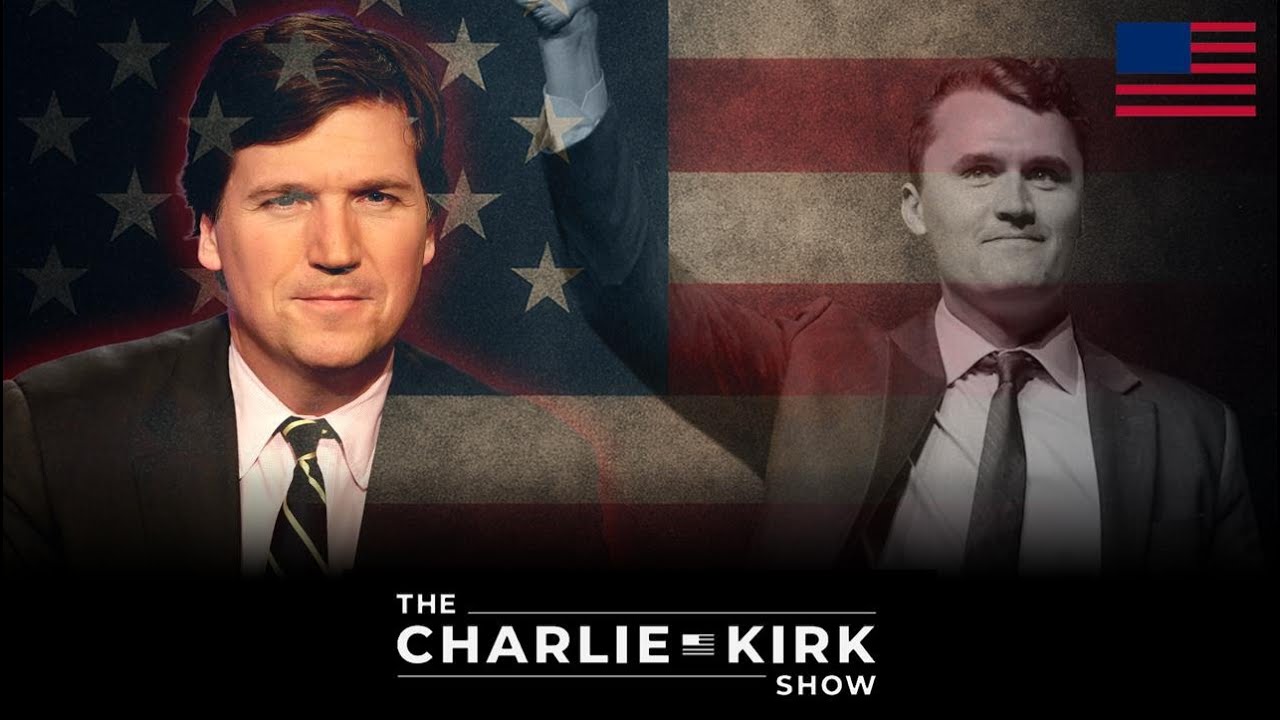
Tucker Carlson Hosts Charlie Kirk Show, Reveals the Christian Faith That Defined a Modern Prophet
1:56:13

Tulsi Gabbard Honors Charlie Kirk After Assassination: A Champion of Freedom Who Lived What He Preached
7:31
Brant Hansen and Gabe Lyons Remember Charlie Kirk's Faith, Boldness, and Mission to Transform a Generation
Brant Hansen and Gabe Lyons join Jim Daly on Focus on the Family to reflect on Charlie Kirk's powerful legacy after his tragic death at age 31. They discuss how Charlie's bold testimony, combined with a broken heart for people trapped in deception, created bridges to truth on college campuses across America. The conversation explores loving enemies, responding to cultural hatred with hope, and how Christians can engage a hostile culture with both courage and grace. They examine how Charlie's widow Erika's remarkable testimony immediately following the tragedy has inspired millions to stiffen their spiritual spines, find churches, and rediscover faith. Hansen and Lyons offer practical wisdom on discipleship, spiritual warfare, and turning tragedy into a movement that could reach generations.
Remembering Charlie Kirk's Life and Mission
Charlie Kirk was one of a kind. Young, entrepreneurial, and a passionate believer, he took his convictions into what many would call a fiery furnace—college campuses across America. His "Prove Me Wrong" campus tour became known for creating space where students could challenge him directly on social issues, political topics, and most importantly, biblical truth. What impressed those who knew him best was that Charlie kept getting better at what he was doing over time, even though he was only 31 years old.
In an interview with Tucker Carlson shortly before his death, Charlie explained why the hostility he faced didn't drive him crazy: "It doesn't drive me crazy because I expect it. We're in a spiritual battle." He understood that the opposition wasn't merely flesh and blood, and this perspective allowed him to love his enemies better. When you recognize you're up against something supernatural, it transforms how you respond to those who hate you.
Boldness, Spiritual Warfare, and Loving Enemies
Charlie Kirk's biblical testimony was clear. While he had a political aim to mobilize people into a conservative movement for voting and elections, his deeper conviction was about applying biblical truth to current culture. As described in 2 Timothy, he studied to show himself approved, a workman not to be ashamed, rightly dividing the word of truth. He embodied 1 Peter 3's instruction to be ready to answer any question with courteousness and respect.
What made Charlie so effective was his ability to debate ideas, not people. He understood that everyone is made in God's image and deserves dignity. One of his most profound campus interactions involved a gender dysphoric student who had struggled with her identity since third grade. Rather than responding with condemnation, Charlie said tenderly: "Before you introduce chemicals into your body, I would encourage you to work on your mental health first. Find people who love you, find counselors who can talk with you. The goal would be that somehow—and I think it's through a relationship with Christ—you would love your body and not be at war with your body."
The audience went quiet because the moment was so palpable. Charlie met serious questions with serious spiritual, emotional, and intellectual engagement. While he could be humorously sarcastic at times, when the moment required depth, he rose to meet it.
Debating with Grace: Charlie's Approach on Campus
Even perfect responses don't guarantee perfect outcomes. As noted in the conversation, even if you respond perfectly to every person with compassion and wisdom, that doesn't mean you'll be understood or protected. Jesus himself was perfect, yet look what happened to him. Christians must understand they won't be understood by everybody—maybe not even by many people. Jesus ended up on the cross with just a couple people remaining.
Yet Jesus maintained a remarkable posture even there: "Father, forgive them, for they don't know what they're doing." This is an extraordinarily difficult posture to maintain when reading hateful comment threads online, yet it's the same posture Christ has toward us as sinners. We must continually remind ourselves of this truth, even when it's difficult.
Boldness with Brokenness: A Christian Model
Many people now feel an increased need for boldness following Charlie's death. There's something about his example that makes people want to speak up more and have courage. But wisdom must accompany boldness. As David and Jason Benham wrote, "Boldness without brokenness creates a bully." We've seen plenty of that—people who are bold and brash without heart.
What Charlie demonstrated was boldness with truth combined with a broken heart about how sin and demonic forces have captured people's minds and bodies. He grieved over the cultural dialogue and what it was doing to people. When you're bold but also broken, you create a bridge that allows people to actually see God.
However, if we're just broken but not bold, we become bystanders who don't do anything. The beauty is in the balance—when you're both bold and broken, you create opportunities for people to encounter God. This is the balance Christians must find as they move forward in divided times.
Turning Tragedy into Good: Erika Kirk's Testimony
Peggy Noonan wrote that the assassination of Charlie Kirk "feels different as an event, like a hinge point, like something that's going to reverberate in dark ways. It isn't just another dreadful thing. It carries the ominous sense that we're at the beginning of something bad." While sobering, Christians are called to be alert and sober-minded, understanding what it means to endure patiently in environments at odds with dominant cultural ideas.
Erika Kirk, Charlie's widow, demonstrated extraordinary courage just days after the assassination. She appeared on television telling the nation: "My husband's memory is not going to be snuffed out. It will rise up and be stronger, and evil is not going to achieve its means." Her testimony embodied the truth that what was meant for evil, God can turn to good.
Isaiah 59:14-15 describes an environment where "truth has stumbled in the public squares" and "he who departs from evil makes himself a prey." When truth enters spaces dominated by darkness and evil-doing, the person willing to stand in that gap becomes a target. Yet like Charlie, Christians cannot have a fear of man. Lives must be surrendered to God's calling. The most important thing is to continue advancing truth.
What's remarkable is how the next generation responded to Charlie. They appreciated his willingness to tell the truth in a world where they've grown up with lies, where even parents weren't willing to call sin "sin" or help them rightly divide what is truth. Young people responded because someone was finally being honest with them. There's something about the eternity set within human hearts that responds when somebody puts forward what is true.
Responding to Hatred with Hope and Trust in God
Utah Governor Spencer Cox made profound statements on the day of the shooting, saying: "If anyone in the sound of my voice celebrated even a little bit at the news of this shooting, I would beg you to look in the mirror and to see if you can find a better angel in there somewhere. I don't care what his politics are. I care that he was an American." He challenged everyone to ask: "Is this what 250 years has wrought on us? I pray that those who hated what Charlie Kirk stood for will put down their social media and their pens and pray for his family, and that all of us will try to find a way to stop hating our fellow Americans."
While beautifully stated, the reality is that Charlie's assassination isn't the start of something—it's ideas coming to fruition that have percolated for a long time. This can be seen in the reactions. When half of Americans are routinely called Nazis or fascists, such rhetoric cannot hold indefinitely without consequences.
In such times, Christians must hold to Lamentations 3, where Jeremiah watches his nation collapse and Jerusalem destroyed. In the midst of chronicling awful events, he writes: "Yet this I call to mind. Because of the Lord's great love for us, we are not consumed. His mercies are new every morning and his faithfulness endures forever." When news isn't good, we must camp out on the truth that our security is with God. We have to actively call this to mind—we can't just passively consume media. God is good, and his love and faithfulness endure forever.
Jeremiah wrote this while watching everything go down. Even if we're not optimistic about everybody turning around, it's incredibly important for believers to actively remind themselves of this truth. Humans are forgetting machines—we need to hear over and over how good God is, or we start freaking out when we could be relaxed and hopeful even in utter chaos.
The Spiritual Battle Behind Cultural Division
One dangerous shift in culture has been the redefinition of violence. A generation has grown up believing that speech can be violent—that words and opinions are potentially violent because they cause personal hurt when you disagree with them. This creates a false equivalency in people's minds that justifies meeting "violence of words" with violence of physical threat.
This comes from a generation raised in an emotive world that says feelings tell you what's true. Once you start changing the definition of words, you create confusion and people feeling justified in their anger. Jonathan Haidt wrote a piece in 2017 specifically warning about this, saying "we must not equate speech to violence." Eight years later, we're seeing the fruit of that type of thinking.
Social media platforms discovered in 2008 that the fastest way to get something shared is through anger. They began adjusting algorithms to send people content that made them angry because angry people were more likely to share. We must be aware of these tactics that shape our behavior. We've been reduced to algorithms that know exactly what buttons to push. Christians must be smarter than this and find sources of information that are true, refusing to allow platforms to juice the negative side of our humanity.
Anger travels better on social media. If you tweet something angry, it gets retweeted. If you post something beautiful, poetic, true, and profound, maybe your brother will click like. This feeds into our self-righteousness. While it's natural to feel anger in response to tragedy, biblical wisdom says we must get rid of it before the sun goes down. Anger is not part of the fruit of the Spirit. It will kill you and hurt your relationships with family and those around you.
Jesus's instruction to pray for enemies is genius. If you do that, you'll feel your temperature dropping. It's hard at first, but you can become the sort of person who does it, and over time your character gets shaped. For believers, praying for enemies isn't optional—it's not something you might want to do. There's no choice.
Final Reflections: Courage, Martyrdom, and Christian Legacy
One of the most touching responses to Charlie's death came from an ordinary man who had never owned a suit. In a video from his backyard, he explained that his wife bought him his first suit because they were making a little more money. He said: "I'm going to go to church on Sunday because of Charlie Kirk. I don't know that guy well, but he seemed to stand for things that are right." He concluded by saying, "I feel more dignity today than I used to feel." That's what the gospel delivers.
Stories are emerging of people who haven't been in church in 20 years now wanting to step foot in church again and reexplore what a relationship with God looks like. The power of the Spirit is moving through this tragic event to turn people's hearts. Millions of people who never knew what Charlie Kirk talked about are now listening to him communicate his worldview.
Charlie's mission had two parts: First, to win as many people to Jesus as possible—what every Christian should be doing. Second, to make sure it's possible for people to come to Christ, which spoke to his concern for religious liberty and the protection needed in society to talk freely about these ideas. These are encouraging signs on the back of something horrific where we can draw hope and see God's Spirit moving.
Pastors report their services were packed the Sunday following the assassination, with more young people attending because Erika Kirk got on television and said, "Find a church this weekend and go." What powerful fruit from such tragedy.
Think of Charlie's life being ended this way. What if it does turn into millions—literally millions—of people being stiffened in their spiritual spine to speak boldly about truth and to love people that seem unlovable? What an impact his life will have had, even though it only lasted 31 years. Christians need to understand the bigger context of what God is doing. Charlie goes into heaven with a martyr's crown. What a way to appear in heaven off this earth.
This is believed to be the first Christian martyr in American life that the whole world witnessed—a person declaring truth and then being shot down. Everybody was exposed to it through technology. That's what gripped people and made them sick, allowing them to see evil for what it is.
Charlie understood that every day he went on college campuses, his life was in danger. Yet with a surrendered spirit, he trusted God with his life, knowing he couldn't add or subtract a single day. With wisdom, he went forward with security teams but ultimately trusted God. That's a hard thing to do—we don't want to die. But the example of Jesus, Paul, and all the disciples is that they fully surrendered to the fact they were going to die and couldn't add a day to their lives. When we get that confidence, we can live with courage and boldness, speaking what God puts on our hearts without compromise, ensuring the inside of our conscience matches the outside of our words.
The disciples obviously irritated people because they were killed for what they said. What they believed and expressed, people didn't like, so they killed them. That's part of Christian conviction. We must be prepared. It's not what we want, but if the Lord can use it, what an amazing service to reach literally millions of people.
Four questions can help Christians engage culture effectively: First, what is wrong? When we see wickedness and evil, we stop and confront it. Second, what is good? We must celebrate and cultivate good things in culture, platforming truth everywhere we have opportunity. Third, what is missing? When something is missing, we must create it and catalyze it through our work, investments, and creativity. We create culture to change it, not just condemn it. Fourth, what's confused? Charlie stepped into this by clarifying and compelling people forward around confusion, bringing clarity. We're seeing the fruit of that today.
Erika courageously reminded us that for those who love God, all things work together for good for those called according to his purposes. To express this right after her husband's death demonstrates extraordinary faith. It's rough to deliver that scripture in the moment of despair—it's something you usually share after healing. Yet God is using this for good, and we're seeing it unfold before our eyes.
Scripture tells us we can trust God over and over, and he wouldn't emphasize this if he didn't know we'd struggle with it. Even when we believe at one level, at another level we're fearful about what will happen to our families, kids, and country. Jesus says, "In this world you'll have troubles, but be of good cheer. I've overcome the world." He knows the end. The question is: do we actually trust it? The time to trust him is when things are chaotic—that's when it actually matters.
In Acts, Paul is on a boat with 275 people, and everyone is freaking out because they're going to die. Paul isn't freaking out. People might think he just doesn't know what's going on, but Paul isn't naive—he knows more than they do. He's not lacking information or unable to see the headlines. He knows more because God revealed to him that everybody will be okay in the end. We don't see the big picture, but we must trust God's character. Our trust will be vindicated in the end.
Jesus is very relaxed—he knows how this all ends. He said we can be of good cheer. Paul wrote to be ready to have a reason when asked for the hope you have because the culture may be nuts, but you're going to be the hopeful ones in the midst of garbage. He's not denying the chaos—he's saying naturally people will want to know why you're so hopeful.
We must be people of hope even in this, having a sense of well-being regardless of what's happening because we know God's character can be trusted, even when we don't understand everything going on. This will increasingly speak to people in powerful ways when we're the non-anxious presence in our neighborhoods and communities—the ones who aren't freaking out no matter what, who aren't the angry voices. When people ask, "Why are you so hopeful? Can't you see the culture is in flames?" we can respond, "Yes, I can see, but I know more. I know enough to trust the goodness of God. I've learned enough about him in my life to trust him." People will be dialed into that, and we need to be ready to have a reason when they ask us for the hope we have.
Charlie recently said in an interview: "I want to be remembered for courage, for my faith. The most important thing is my faith." Hebrews 10:23-24 says: "Let us hold fast the confession of our hope without wavering, for he who promised is faithful. And let us consider how to stir up one another to love and good works." Let's take it forward, doing this each and every day with whatever opportunity God puts in our path to encourage others, help others, and be that light for others.
Video Transcript
Chapter 1: Remembering Charlie Kirk’s Life and Mission
0:03
3 seconds
[Music] I mean, think of Charlie's life being ended in the way it has. And what if it does
0:09
9 seconds
turn into millions, literally of millions of people being stiffened in their spiritual spine,
0:16
16 seconds
to speak boldly about truth, to love people that seem unlovable. And what I mean, what an impact
0:24
24 seconds
his life will have had even though it only lasted 31 years. And I think for all of us as Christians,
0:31
31 seconds
we need to understand the bigger context of what God is doing. [Music] Uh Brent and Gabe, welcome
0:42
42 seconds
to Focus on the Family. Thank you for joining us today. Thank you. Yeah, it's great to be with you,
0:48
48 seconds
Jim. Hey, uh this is a heavy note given what's taking place. Charlie Kirk, he was one of a kind.
0:54
54 seconds
you know, he was young, he was entrepreneurial, uh he was a believer. He was trying to take
Chapter 2: Boldness, Spiritual Warfare, and Loving Enemies
1:01
1 minute, 1 second
those thoughts and ideas into really a fire fiery furnace into college campuses and speak
1:07
1 minute, 7 seconds
to students about what they believed. Uh I think his tour was often the banner was prove me wrong
1:13
1 minute, 13 seconds
and people would step to the mic and go after it when it came to social issues uh to a degree the
1:20
1 minute, 20 seconds
political landscape. But how would you summarize and perhaps what impressed each of you? Uh Brandt,
1:27
1 minute, 27 seconds
I'll start with you with Charlie Kirk. Well, what I heard from some of his friends was that he just kept getting better at what he was doing over time. And I think that's really interesting.
1:37
1 minute, 37 seconds
He was so young and I just recently heard an interview with him with I just heard a bit on social media of him with with Tucker Carlson and Tucker was like, "How does this not drive you
1:47
1 minute, 47 seconds
crazy all this stuff that's happening?" He's like, "It doesn't drive me crazy cuz I expect it. We're in a spiritual battle." And he started talking about this spiritual battle we're in and loving
1:57
1 minute, 57 seconds
our enemies. I'm like, "I don't know that at 31 I could have gotten close to that." You know,
2:05
2 minutes, 5 seconds
good point. So, he had I think he had to reflect on that when you're when you're dealing with people who hate you all the time and then you're but you're trying to return it with love. You get
2:13
2 minutes, 13 seconds
better at it over time and you also learn, wait a second, I'm up against something here that's not
2:19
2 minutes, 19 seconds
just flesh and blood. And that actually allows you to love your enemies better when you when you keep that in mind. So that's one of the things that jumps out at me about him. Yeah. How about you,
2:28
2 minutes, 28 seconds
Gabe? Yeah. For me, I mean, his biblical testimony clearly, he had this political aim to mobilize
2:34
2 minutes, 34 seconds
people, you know, into a conservative movement uh for voting, elections, to elect those that
2:39
2 minutes, 39 seconds
represent their values and views. But when I think about him as a biblical man who died for his faith
2:46
2 minutes, 46 seconds
and those those views and convictions he had, he was willing to apply them to our current culture
2:51
2 minutes, 51 seconds
and to say if we really believe this, then these are the ways in which you would apply it to civil
2:57
2 minutes, 57 seconds
society. And you know, I also was inspired, you know, when I think about his life and how
Chapter 3: Debating with Grace: Charlie’s Approach on Campus
3:03
3 minutes, 3 seconds
studied he was, right? It's like second Timothy talks about study to show thyself approved. a workman not to be ashamed, rightly dividing the word of truth. I mean, that's what he represented
3:13
3 minutes, 13 seconds
also in 1 Peter 3 where it describes be the kind of person that's able to answer any question and
3:20
3 minutes, 20 seconds
do it with courteousness and respect. And when you watch him, especially in these latter years,
3:25
3 minutes, 25 seconds
his goal was to show respect to each person, to show dignity to every human being, he understood
3:32
3 minutes, 32 seconds
that he was debating ideas, not people. And I think this is something we all have to keep alive
3:38
3 minutes, 38 seconds
as we move forward in in a divided moment is that we're always, as Brandt said, we're we're debating
3:44
3 minutes, 44 seconds
something that is is beyond just the natural. This is supernatural. And so to be prepared for
3:51
3 minutes, 51 seconds
those moments and then to engage in that type of way is a way in which you see what it inspires in
3:57
3 minutes, 57 seconds
so many of us. you know, one of the I think most profound interactions and I've seen hundreds if not thousands of his interactions on campus, of course on YouTube or actually you can go and watch
4:07
4 minutes, 7 seconds
those discussions, those debates, etc. But it was a gender dysphoric student that stepped up and she
4:14
4 minutes, 14 seconds
was 20 years old and she was talking about how she since she was in third grade struggled with her her gender and he said, first of all, thank you for coming up to the mic. It took a lot of
4:24
4 minutes, 24 seconds
courage to be there. And he said second of all and her question was around whether she should move forward with hormone treatments and other things like that. And he said so tenderly he said you
4:35
4 minutes, 35 seconds
know before you introduce chemicals into your body I would encourage you and most people may not tell
4:42
4 minutes, 42 seconds
you this but I would encourage you to work on your mental health. Uh first find people who love you
4:48
4 minutes, 48 seconds
find counselors who can talk with you. So that the goal would be, at least the way I see you today,
4:55
4 minutes, 55 seconds
that somehow, and I think it's through a relationship with Christ, that you would love your body and not be at war with your body. And I thought, wow, that is powerful.
5:06
5 minutes, 6 seconds
There was no emotion. There was no hatred in it. It was just like heartfelt reasonleness to say,
5:13
5 minutes, 13 seconds
you you're born into a female gender. God planned for that. How can we get you to a point where you
5:19
5 minutes, 19 seconds
can embrace that rather than fight and be at war with it? And I mean, the audience just went quiet
5:25
5 minutes, 25 seconds
because it was so palpable. But that's the kind of person I saw in Charlie Kirk. He he he was not
5:32
5 minutes, 32 seconds
Sometimes he was sarcastic humorously. But for the most part, when it was that serious, he was
5:37
5 minutes, 37 seconds
up to the task of meeting the moment spiritually, emotionally, intellectually in a way that he did,
5:44
5 minutes, 44 seconds
Brent. He really honed that skill. Yeah. And so this is one of the tough things about this is
5:51
5 minutes, 51 seconds
because I think he's an imperfect person. We know that. But even if you're perfect,
5:57
5 minutes, 57 seconds
even if you responded perfectly to every single person like that, like that's such a great way. Even we like to think, well, if I'm compassionate, if I love my enemies, if I say the right thing,
Chapter 4: Boldness with Brokenness: A Christian Model
6:07
6 minutes, 7 seconds
if I'm wise, they'll understand at some level and they'll realize, wow, this guy actually loves me
6:13
6 minutes, 13 seconds
and they won't hurt me. But that's not true. That's not true. That the being hurt or being
6:19
6 minutes, 19 seconds
injured in this world is like Jesus is saying like he himself was perfect and look what happened.
6:27
6 minutes, 27 seconds
So we have to understand that we're not going to be understood by everybody or maybe many people.
6:32
6 minutes, 32 seconds
Jesus is up there on the cross with just a couple people left. And the other posture that Jesus has
6:38
6 minutes, 38 seconds
too is remarkably we have to have this. They don't know what they're doing. Yeah. forgive them for
6:45
6 minutes, 45 seconds
they don't know. I mean, that is a very difficult posture to have when you see the stuff in the comment threads that it's very difficult and yet that's his posture towards us as sinners. Uh so
6:56
6 minutes, 56 seconds
I have to keep reminding myself of that. But it's tough because you think if you're going to answer like that that people are going to go Eureka love, but that's not necessarily how it works out. Yeah.
7:06
7 minutes, 6 seconds
Yeah. I think um you know when I look at the way he postured himself and and a lot of people now are talking about feeling this increased need for more boldness uh that there was something about
7:16
7 minutes, 16 seconds
Charlie Kirk that makes all of us want to speak up more have courage but I think we want to process
7:23
7 minutes, 23 seconds
through what does wisdom look like in boldness you know boldness is not a fruit of the spirit but boldness is what took place in Acts 4 when people were filled with the Holy Spirit so there's
7:32
7 minutes, 32 seconds
something to understand there and I think my friends David and Jason Benham they wrote a book on where I thought they described this perfectly where boldness without brokenness creates a bully
7:42
7 minutes, 42 seconds
and we've seen a lot of that like we're just bold we're brash but I think in the description in the story you just told Jim what you saw is somebody who was bold with with truth but they
7:51
7 minutes, 51 seconds
were broken there was a broken heart about the way in which sin and the demonic has moved in and has
7:58
7 minutes, 58 seconds
captured people's minds their bodies this entire arena of cultural dialogue and conversation and
8:05
8 minutes, 5 seconds
and he did that Now, if we're just broken, but we're not bold, then we become bystanders and we don't do anything. And and so the the beauty of this is when you're bold, but you're broken,
8:14
8 minutes, 14 seconds
you create a bridge that allows people to have an opportunity to actually see God. And I think as we move forward in these conversations, this is going to be an important topic for us to land
8:23
8 minutes, 23 seconds
on. What is the balance here of boldness, but also brokenness? I appreciate that because I think it's odd in the human makeup. We tend to be a light switch. We're either this way or that way.
8:35
8 minutes, 35 seconds
uh we're not on a dimmer switch emotionally where we can move with wisdom in the conversations that we're having. And I think that's part of it and that's the thing we need to learn out of
8:44
8 minutes, 44 seconds
this experience is how do we keep the wretched man down within each of us. I felt anger. I felt you
8:51
8 minutes, 51 seconds
know I wanted to punch back me metaphorically. I'm thinking what are these people doing taking this
8:56
8 minutes, 56 seconds
young man's life? Yet the spirit of God is saying this is, as you said, Brent, this is part of what
9:04
9 minutes, 4 seconds
you're going to encounter as a believer. Let let me read something from Peggy Nan and get your response. And Gabe, we'll start with you on this, but um Peggy Nan wrote this. The assassination of
9:14
9 minutes, 14 seconds
Charlie Kirk feels different as an event, like a hinge point, like something that's going to
9:19
9 minutes, 19 seconds
reverberate in dark ways. It isn't just another dreadful thing. It carries the ominous sense that
9:26
9 minutes, 26 seconds
we're at the beginning of something bad. I would say that's probably a fair assessment. But how
9:32
9 minutes, 32 seconds
like Erica, his brave widow, who got up a couple of evenings later and went and did a a press
9:42
9 minutes, 42 seconds
presentation talking to the the United States saying, "My husband's memory is not going to be
9:48
9 minutes, 48 seconds
snuffed out. it will rise up and be stronger in essence and evil is not going to achieve
9:53
9 minutes, 53 seconds
its means. So with Peggy's comment and his again his widow's comment about what they've unleashed,
Chapter 5: Turning Tragedy into Good: Erika Kirk’s Testimony
10:01
10 minutes, 1 second
what does that look like to turn this thing that was meant for evil into something good. Yeah,
10:06
10 minutes, 6 seconds
I think Peggy's words are sobering and and we're told throughout the New Testament to be alert, to be sober minded, to understand what does it mean to endure patiently, which means you're going
10:17
10 minutes, 17 seconds
to be in environments just like the church was throughout all of the early centuries and and even up until recent western culture where they were at odds with the dominant ideas of the culture and
10:28
10 minutes, 28 seconds
did live in fear that those ideas could get them killed. I mean, that's why we have the stories of the martyrs, right? that go all the way back Polycarp, you know, at age 86 being burned at the
10:37
10 minutes, 37 seconds
stake because he refused to remove himself from the identifying with Christ. And so the darkness,
10:45
10 minutes, 45 seconds
it reminds me of Isaiah 59. I love to read this passage 14-15. It says, "Justice is turned back
10:51
10 minutes, 51 seconds
and righteousness stands far away for truth has stumbled in the public squares and uprightness
10:57
10 minutes, 57 seconds
cannot enter. truth is lacking and he who departs from evil makes himself a prey. It does describe
11:04
11 minutes, 4 seconds
an environment, a public square, a culture where when truth is entering this space where there is
11:10
11 minutes, 10 seconds
the demonic, where there is a lot of evildoing, where things that are good are being called evil and things that are evil have been set up to be good. That the person who's willing to stand in
11:19
11 minutes, 19 seconds
that gap makes himself a prey. And yet we also just like Charlie cannot have a fear of man. We have to understand as he did our life is surrendered to him. He's called us. The most
11:29
11 minutes, 29 seconds
important thing we could do is continue to advance truth because what we saw happening with the next generation and I think we're going to continue to see with the next generation is they were
11:38
11 minutes, 38 seconds
responding to Charlie because he was willing to tell the truth in a world where they've grown up with lies where they've grown up with people parents even that weren't willing to call sin
11:48
11 minutes, 48 seconds
sin call good good help them define and rightly divide what is truth. And because he was willing
11:55
11 minutes, 55 seconds
to do that, these kids understand. They respond. They go, "Thank you. Please, thank you for just being honest with us." Because there's something about that, the eternity that's set within the
12:04
12 minutes, 4 seconds
hearts of men that does respond when somebody puts forward what is true. And so, I'm also hopeful
12:11
12 minutes, 11 seconds
about all that's going to take place in the days. I was with Michael W. Smith a couple nights ago. We had a vigil here in Franklin, Tennessee. And and I was sobered by what he said. He said, "I've
12:20
12 minutes, 20 seconds
I've been in this the Christian world, right? I've been all over the world for decades. And he says,
12:26
12 minutes, 26 seconds
I've never quite seen a moment like this. I've never seen a man gunned down like this for his for his beliefs. And I've also never seen a response like we are right in the middle of
12:36
12 minutes, 36 seconds
right now. And so there's a hopefulness with it, but there's also a sobermindedness. It's true. Let
12:42
12 minutes, 42 seconds
me let me introduce something that really caught my attention. And this was the governor of Utah,
12:47
12 minutes, 47 seconds
Spencer Cox, who made some profound statements on the day of the shooting. Let's play this clip.
12:53
12 minutes, 53 seconds
And I just uh Brandt, we'll start with you. Just give your response after the clip. Nothing I say
12:59
12 minutes, 59 seconds
can unite us as a country. Nothing I can say right now can fix what is broken. Nothing I can say can
13:07
13 minutes, 7 seconds
bring back Charlie Kirk. Our hearts are broken. We mourn with his wife, his children, his family,
13:16
13 minutes, 16 seconds
his friends. We mourn as a nation. If anyone in the sound of my voice celebrated even a little
13:27
13 minutes, 27 seconds
bit at the news of this shooting, I would beg you to look in the mirror and to see if you can find a
13:38
13 minutes, 38 seconds
better angel in there somewhere. I don't care what his politics are. I care that he was an American.
13:50
13 minutes, 50 seconds
We desperately need our country. We desperately need leaders in our country. But more than the
13:57
13 minutes, 57 seconds
leaders, we just need every single person in this country to think about where we are and
14:06
14 minutes, 6 seconds
where we want to be. to ask ourselves, is this is this it? Is this what 250 years has wrought
14:15
14 minutes, 15 seconds
on us? I pray that that's not the case. I pray that those who hated what Charlie Cook stood for
14:29
14 minutes, 29 seconds
will put down their social media and their pens and pray for his family.
14:36
14 minutes, 36 seconds
and that all of us all of us will try to find a way to stop hating our fellow Americans. Brent,
14:47
14 minutes, 47 seconds
well, that's that's beautifully put and I would say I think something similar if I was in his situation. I will say this personally. I don't think the Charlie Kirk assassination
14:57
14 minutes, 57 seconds
is the start of something. I think it's things coming to fruition, ideas that have percolated
15:02
15 minutes, 2 seconds
for a long time. And you can see that from the reactions. And I can't control those reactions.
15:09
15 minutes, 9 seconds
They're awful. Um I it's in in one way it's like I can't believe we're we're dealing with this. But
15:14
15 minutes, 14 seconds
on the other hand, I sort of can. I've seen the ideologies shape up as they have. I've seen half
15:20
15 minutes, 20 seconds
of Americans routinely called Nazis or fascists or whatnot. Like the that that can't hold. So,
15:28
15 minutes, 28 seconds
I want to say this that I'm not super optimistic about those people um seeing the light. Some will,
15:39
15 minutes, 39 seconds
but there's a there's another scripture and I think this I think I got to hold on to this and I think maybe a lot of people listening need to hold on to it too. When Jeremiah is watching his whole
15:49
15 minutes, 49 seconds
nation go down and he he wrote Lamentations, he's chronicling this awful stuff that's happening and
15:58
15 minutes, 58 seconds
he's watching this just turn into dirt. Jerusalem is being run over and that and horrible things
Chapter 6: Responding to Hatred with Hope and Trust in God
16:03
16 minutes, 3 seconds
are happening. And then he says, "Yet this I call to mind. Because of the Lord's great love for us,
16:11
16 minutes, 11 seconds
we are not consumed." And then he talks about his mercies being new every morning and his
16:16
16 minutes, 16 seconds
faithfulness endures forever. I think I've got we have to camp out on that when when news isn't
16:22
16 minutes, 22 seconds
good that ultimately our security is with God and he can say yet even now with all this stuff
16:28
16 minutes, 28 seconds
that's going on yet you know what I call I have to actually call this to mind. I can't just passively
16:33
16 minutes, 33 seconds
consume lots of media. I have to call this to mind. God is good and it like his his love endures
16:40
16 minutes, 40 seconds
forever. his faithfulness. Now, this is again, it's written in a time when he's seeing this all go down. So, even if you're not optimistic about everybody turning around and we're going to get
16:50
16 minutes, 50 seconds
this like that to me is incredibly important for those of us who know him to continue to actively
16:56
16 minutes, 56 seconds
remind ourselves of that kind of truth. Is that if that makes sense? Oh, it does. Gabe, thoughts
17:01
17 minutes, 1 second
on that clip? Yeah, I think what the governor was asking for is for everybody to immediately stop
17:07
17 minutes, 7 seconds
the way they think about the world based on the culture they've been saturated in. And I'm hopeful
17:13
17 minutes, 13 seconds
that some will do that. I I think though like Brent if we don't go back to understand how did we
17:19
17 minutes, 19 seconds
get here and we don't actually start rebuilding um in in the institutions that we have the colleges
17:26
17 minutes, 26 seconds
the the ways in which our culture talks about things you know I think of things like violence
17:30
17 minutes, 30 seconds
for example like we've we've changed words and and we've essentially now equated speech as something
17:37
17 minutes, 37 seconds
that's violent and a new generation has grown up believing that your speech can be violent. Now,
17:43
17 minutes, 43 seconds
certainly there's some speech that could incite violence, but but I think when you start to equate speech and words and free speech and opinions and thoughts as potentially violent because they hurt
17:53
17 minutes, 53 seconds
you personally, you feel hurt when you hear them because you don't agree with them. That starts to equate a false equivalency in people's minds that believes I'm going to meet your violence of words
18:03
18 minutes, 3 seconds
with my violence of physical threat. Now, that all comes from a a generation that's grown up in
18:09
18 minutes, 9 seconds
an emotive world that said your feelings are what tell you what's true or not in the world and have
18:15
18 minutes, 15 seconds
started to change the definition of words. And once you start changing the definition of words,
18:20
18 minutes, 20 seconds
you find yourself now in a malaise of people being confused, of people feeling justified with their
18:27
18 minutes, 27 seconds
actions of anger. And we have to work backwards now and re-educate. Jonathan Height wrote a great
18:33
18 minutes, 33 seconds
piece in 2017 specifically warning about this. I mean, this was eight years ago saying we must not
18:39
18 minutes, 39 seconds
equate speech to violence. Yeah. And you can see the fruit of that type of thinking. Well,
18:45
18 minutes, 45 seconds
in fact, that's something I saw in a news clip. I think the the gentleman was Tim P who's written
18:51
18 minutes, 51 seconds
about algorithms and the way in 2008 uh social media platforms found that the fastest way to
18:58
18 minutes, 58 seconds
get something shared is through anger. And so they begin to juice algorithms to send you things that
19:05
19 minutes, 5 seconds
made you angry because you were more likely to share those. We've got to be aware of the tactics
19:12
19 minutes, 12 seconds
that are being used, particularly with social media platforms to shape our behavior. I was just
19:18
19 minutes, 18 seconds
talking to my two 20some boys last night thinking it's odd to feel like an animal, like a monkey.
19:25
19 minutes, 25 seconds
They've reduc reduced us down to algorithms that they know what to push to me to push my buttons.
19:31
19 minutes, 31 seconds
And we've got to be smarter than they are. And it might be informative, but you've got to find
19:36
19 minutes, 36 seconds
sources of information that are as true as you can find. And don't allow them to, I would say,
19:43
19 minutes, 43 seconds
juice the negative side of your humanity. And that's going to be hard for us to do,
19:49
19 minutes, 49 seconds
I think. And yet, that's one of the things we need to do. Well, you're right that anger travels
19:55
19 minutes, 55 seconds
better. They've done studies about this multiple times. And the thing is like on a X or Twitter,
20:00
20 minutes
we know this. If you tweet something angry, it'll get retweeted. If you post something beautiful and
20:06
20 minutes, 6 seconds
poetic and true and profound, maybe your brother will click like. That'll be about it. But it's like that that's just the nature of who we are. It feeds into our self-righteousness,
20:15
20 minutes, 15 seconds
too. I think that's the trick here, too. It's completely natural to feel anger in response to
20:20
20 minutes, 20 seconds
something like this. But the biblical wisdom is we have to get rid of it. Like we got to get rid of it before the sun goes down. We have to get rid of all anger. It's anger is not part of the fruit
20:30
20 minutes, 30 seconds
of the spirit either. Like this is something that will actually kill you. It'll hurt your relationships with your family. It'll hurt your relationships with people around you. Like but
20:40
20 minutes, 40 seconds
we think we should cling to it. We shouldn't. And I think the praying for your enemies thing is everything Jesus says is so genius. with the praying for your enemies thing. If you do that,
20:50
20 minutes, 50 seconds
you will feel your temperature dropping as you go. It gives you Yes, you'll be you'll be able to do
20:56
20 minutes, 56 seconds
this. Now, it's hard at first, but you can become the sort of person who does it. And over time, your character gets shaped. But this is not an option. If you're somebody who's a believer,
21:05
21 minutes, 5 seconds
praying for your enemies is just is not like something you might want to do. We don't have a choice. Yeah. Yeah. It's so true. You know, we just released and you two may not have seen it
21:14
21 minutes, 14 seconds
yet, but we'll send it to you if we haven't. But it's all free, but something called Truth Rising.
21:20
21 minutes, 20 seconds
And it's a documentary, 90minute documentary. It starts off with a really a history lesson from Oz
21:26
21 minutes, 26 seconds
Guinness about Western civilization, the formation of it, the reliance on Judeo-Christian values,
21:32
21 minutes, 32 seconds
biblical truth, etc. And I think it's Baroness Straoud who in the film mentions that the
21:38
21 minutes, 38 seconds
distinction with Western civilization in the early stages was that they embraced the concept
21:44
21 minutes, 44 seconds
the biblical concept that everyone is made in God's image and that for that reason and that
21:50
21 minutes, 50 seconds
reason alone everyone deserves respect. It lifted women up. It lifted children up. Um it certainly
21:57
21 minutes, 57 seconds
had things the church had to work out further obviously but it was that realization that the
22:04
22 minutes, 4 seconds
human being is made in God's image and one of the things you're seeing now I think in some of the
22:09
22 minutes, 9 seconds
debates the dehumanizing uh I think starting with abortion frankly and moving to euthanasia what Dr.
22:16
22 minutes, 16 seconds
Francis Schaefer talked about back in the 70s as a warning about abortion is coming to pass
22:22
22 minutes, 22 seconds
that it's becoming a dehumanizing tool that we don't even think what we're doing to one
22:28
22 minutes, 28 seconds
another now because yeah it's just biological and we're so far away from that theme in Truth
22:34
22 minutes, 34 seconds
Rising about everyone being made in his image. Uh Gabe, what are your thoughts in that regard?
22:41
22 minutes, 41 seconds
Well, I think what Charlie represented so well as he walked into these environments where clearly he
22:47
22 minutes, 47 seconds
was being opposed by or at least he welcomed those who opposed him most to to be in conversation with
22:52
22 minutes, 52 seconds
him was that he had such a clarity that God does exist. Like this basic truth that there is a God.
22:58
22 minutes, 58 seconds
I will be accountable to this God. God's given us a moral order and he's also given us direction on
Chapter 7: The Spiritual Battle Behind Cultural Division
23:05
23 minutes, 5 seconds
how to live a life that leads to flourishing not just for me but for my neighbors, my community, my city, my nation. And when you don't start with that premise that there is a God, you obviously
23:16
23 minutes, 16 seconds
have to come up with all kinds of other directions and gods that are telling you what you think is
23:21
23 minutes, 21 seconds
right, true, um, and just. And therefore, the conflict comes. And that is just the spiritual battle we've had from the beginning. I mean, the Babylon spirit that's existed from the beginning
23:31
23 minutes, 31 seconds
of Genesis that wanted to make other gods conflicting with the kingdom of God. And that's
23:36
23 minutes, 36 seconds
what we're seeing on full display is righteousness that is speaking truth uh towards towards a world
23:43
23 minutes, 43 seconds
that doesn't believe there's any code for righteousness. And that right is what they see in their own eyes just like in the days of Noah. And so I think I think we're in the middle of that
23:52
23 minutes, 52 seconds
type of a conflict that goes so much higher than just us at the human level. But it is based on
23:57
23 minutes, 57 seconds
this principle that if you don't believe a god exists, then like you said, we are essentially
24:03
24 minutes, 3 seconds
going to be like animals. We don't have any reason to act differently. That's so interesting. And I
24:09
24 minutes, 9 seconds
honestly think, I don't know about you guys, but I honestly think like if I was an atheist, but open-minded and fair, I would start to get the message that evil is a foot somehow spiritually.
24:20
24 minutes, 20 seconds
Like even just studying anthropology or history, why do we sacrifice children on all continents
24:27
24 minutes, 27 seconds
throughout thousands of years and all these different cultures? What in the world? What's up with Why? It sure seems like there's something spiritual that hates humans because we're image
24:37
24 minutes, 37 seconds
bearsers. Like he hates humans. He hates children. He hates anything that makes children. He hates
24:44
24 minutes, 44 seconds
like all of these institutions. like that doesn't make any sense absent the actual spiritual battle that's going on. None of this makes any sense. I just I think that evil is is becoming very
24:55
24 minutes, 55 seconds
emboldened and making itself very obvious. And I honestly think that for some people maybe that's becoming so obvious that they might have to go wait a second. There's something going on here
25:03
25 minutes, 3 seconds
that's not just not just material if that makes any sense. You know always tends to overplay its
25:10
25 minutes, 10 seconds
hand. Right. Jee right. you see you see it push so far and you're already seeing that response over
25:16
25 minutes, 16 seconds
the last week of of evil not winning the day. Um and that love and goodness and righteousness
25:23
25 minutes, 23 seconds
will win this day. And I think that should be an encouragement to all of us every time we see these moments happen that God's in the work here and he will turn this towards good. Sometimes
25:33
25 minutes, 33 seconds
that's hard to see, Gabe, but it's so true and I wholeheartedly believe that. I really do. And I've
25:39
25 minutes, 39 seconds
seen it work in my own life. I've seen it work in globally. Um, you know, it's interesting. I
25:45
25 minutes, 45 seconds
just returned from Hungary. I was in Budapest and I was talking to a woman who was doing a tour with
25:50
25 minutes, 50 seconds
Gan and I and she was asking me questions like, "What is going on with your college campuses? Send
25:56
25 minutes, 56 seconds
them to us. We will tell them what it's like to live in an authoritarian government." She said,
26:02
26 minutes, 2 seconds
"My dad told a political joke back in the 80s when the Soviets controlled Hungary." and she said they
26:08
26 minutes, 8 seconds
got a knock at the door the next night and he was arrested and put in jail for like 5 years for
26:13
26 minutes, 13 seconds
telling a political joke. And you know, it's it's uh a sad thing to think that human beings want
26:21
26 minutes, 21 seconds
desperately to control other human beings like that. But it's almost as if they're blinded. Those
26:26
26 minutes, 26 seconds
on the left that cannot see this, that they don't realize that they are the authoritarians. They're
26:31
26 minutes, 31 seconds
the ones that are dictating speech. And I I think I just want to make this point. The very essence
26:38
26 minutes, 38 seconds
of doing what they did or certainly what this shooter did allegedly to uh Charlie Kirk, it's to
26:46
26 minutes, 46 seconds
silence him. It's to put him out so that you don't hear what he has to say. He wasn't a violent man,
26:52
26 minutes, 52 seconds
Charlie Kirk. He's showing up sitting in a chair on a campus and talking about core themes, most
26:57
26 minutes, 57 seconds
of them theological, biblical themes about human sexuality, about abortion, and they just cannot
27:05
27 minutes, 5 seconds
tolerate that. Do we simply get cowtowed by that intimidation that if I say something, they could
27:12
27 minutes, 12 seconds
kill me? I think Jesus is saying, stand for the truth. Do it winsomely. Do it with grace. Do it
27:19
27 minutes, 19 seconds
with a peaceful heart. But when you do it, there could be consequences. Yeah. I think understanding
27:24
27 minutes, 24 seconds
that the pattern here with this current society we're in and all totalitarian environments and and
27:30
27 minutes, 30 seconds
tyrannical governments is that first they start by, you know, marginalizing your words. You know,
27:36
27 minutes, 36 seconds
then it moves to demonizing your words and then ultimately ultimately it's criminalizing your words. And that's really the state that we're in is words mattering that much that they need to be
27:46
27 minutes, 46 seconds
criminalized because we can't debate on the basis and the merit of ideas, but essentially it's it's
27:52
27 minutes, 52 seconds
based on you aligning with whatever the power structure says you have to say. And so, Jim, to your point, we must as Christians continue to stand up in the public square, speak truth
28:02
28 minutes, 2 seconds
in love, but address these areas where we see the demise of our society because we love and were
28:08
28 minutes, 8 seconds
broken for human beings who we see suffering from the consequences of of horrible ideas. That's got
28:15
28 minutes, 15 seconds
to be the motivation. I'm glad you included that, Gabe, at the end because I was going to get back to your point about brokenness. Like, we're on we're we're rooting for you. Even if you're not
28:23
28 minutes, 23 seconds
rooting for yourself, we're for you. Even if you want to take it out on us and because we love you.
28:30
28 minutes, 30 seconds
We love our enemies. We're very different that way. Christians are odd, aren't they? I mean, this is who else does that? But we're going to do it. Hey, Gabe, I'll point this to you. Jenzers
28:39
28 minutes, 39 seconds
believe political violence is never justified, which means 44% of Jenzers are saying political
28:47
28 minutes, 47 seconds
violence is justified. How what's your reaction to that, Gabe? I mean it seems a little breathtaking.
28:52
28 minutes, 52 seconds
I mean that's an it is it's an alarming stat. I I read that 93% of baby boomers you know juxtaposed
28:59
28 minutes, 59 seconds
to that you know do believe political violence is wrong. And so you can just see a world view shift
29:04
29 minutes, 4 seconds
in the next generation. And part of that has been the softening of our words and understanding what
29:11
29 minutes, 11 seconds
words mean. We've been told this generation for over a decade that speech is violence and that if you hear something that hurts you or harms you, um that perhaps you need to leave and be in what
29:21
29 minutes, 21 seconds
they call a safe space. Um all of this built around trying to protect a a a generation that
29:28
29 minutes, 28 seconds
should be growing up in a world where they learn how to debate their ideas and have conversation around these ideas, much like we saw Charlie Kirk trying to do. They've grown up being told,
29:36
29 minutes, 36 seconds
"If you don't like an idea, you run from it. And if you don't like the person stating that idea, they're your enemy. And their words are just as violent as what we've always known violence to be,
29:47
29 minutes, 47 seconds
something that's an act of physical violence. And so we see just in the assassination of Charlie
29:52
29 minutes, 52 seconds
Kirk where this plays out where um the alleged shooter, you know, a young man, as we keep
29:58
29 minutes, 58 seconds
learning more, there's the potential that it's literally about him thinking his violence was
30:03
30 minutes, 3 seconds
meeting Charlie's word violence. So, we must get clear on these words that speech is not violence.
30:10
30 minutes, 10 seconds
And the next generation is learning that, but they're going to have to relearn that because they've been indoctrinated with false beliefs about how to engage a public square that don't
30:21
30 minutes, 21 seconds
work in a civil society. You know, Brandt, one of the things that Charlie Kirk talked about is the need to communicate with one another, people who oppose each other. When you talk about things,
30:32
30 minutes, 32 seconds
when you meet at the microphone like he was doing, it actually is a good thing because persuasion
30:37
30 minutes, 37 seconds
happens, ideas are talked about, dialogue occurs. There's something in the way we're wired as human
30:43
30 minutes, 43 seconds
beings made in God's image that relationship matters. That we need totally we need this kind
30:49
30 minutes, 49 seconds
of connection in order to get to a better place. But there are people in the culture, as Gabe
30:54
30 minutes, 54 seconds
is saying, who can't tolerate an opinion that's opposed to mine. And the way we're gonna deal with
31:00
31 minutes
it is with violence or threats of violence. And it's just, wow, how do human beings that coexist,
31:06
31 minutes, 6 seconds
you know, all those nice little bumper stickers, how do we actually coexist when you can't speak
31:11
31 minutes, 11 seconds
what you think? And that's unhealthy. So that is extremely unhealthy. I can't control all of that.
31:18
31 minutes, 18 seconds
I think it's important for all of us to realize like I can I can identify problems ideologically in our culture that that are virilent and horrible. Um, but I have to think of my own
31:28
31 minutes, 28 seconds
life. It's very true that relationship is actually pretty much the only thing honestly that convinces people. I mean, that's to refer to Jonathan Height again. He talks about the elephant in
31:38
31 minutes, 38 seconds
the writer analogy where he's like the elephant, you know, thinks it's or the elephant's actually
31:43
31 minutes, 43 seconds
in control. We think we're in control, but the elephant is our emotions and our intuitions and
31:49
31 minutes, 49 seconds
the writer is reason. And he says, "We all like to think we're reasonable people, but it's really emotional stuff." And you can't change that emotional stuff with just facts and figures.
31:59
31 minutes, 59 seconds
They won't listen to you as a general rule. But he said, this is where the hopeful part starts.
32:04
32 minutes, 4 seconds
He said the only thing that gets that elephant to start to turn is relationships. [Music] That's
32:11
32 minutes, 11 seconds
it. And it's interesting the reactions to Charlie Kirk that I've seen from people who are ideologically opposed to the things that he believed. But there universally it's like, "But
32:21
32 minutes, 21 seconds
this guy was really cool." They're saying, "I met him. I hung out with him. who's actually a really great guy. And I think that's interesting to hear that the people who actually met him. When we keep
32:31
32 minutes, 31 seconds
people human in front of us, it's a different deal. So when you deal with your neighbors, they might have a very difficult time. They might say, "I've heard horrible things about Christians,
32:41
32 minutes, 41 seconds
for instance, but dog on it, that they're pretty cool down the street. They actually love me." It's
32:47
32 minutes, 47 seconds
it's a it's about the only way to actually change people's minds. You know, it's interesting. Uh Rob
32:53
32 minutes, 53 seconds
Kurt Patrick, our executive producer, sent me a um a meme of a guy who was not highly educated,
33:00
33 minutes
had never owned a suit. And it's him doing a little Tik Tok in his looked like his backyard
33:05
33 minutes, 5 seconds
just saying, "You know what?" He's standing in a suit and he's saying, "You know what? My wife, we're making a little more money now and my wife bought me this suit. I've never owned a suit,
33:15
33 minutes, 15 seconds
but I'm going to go to church on Sunday. And I'm going to go to church on Sunday because of Charlie Kirk." And I don't know that guy well, but he seemed to stand for things that
33:23
33 minutes, 23 seconds
are right. And then the phone drops and he uses an explicative and then corrects himself, which was,
33:29
33 minutes, 29 seconds
you know, keeping with his world understanding. And he just set it up and he said, "I feel more
33:35
33 minutes, 35 seconds
dignity today than I used to feel." That's what the gospel delivers. Yeah. I'm hearing stories,
33:41
33 minutes, 41 seconds
Jim, of um friends, you know, I just saw a text from a friend who said, "Hey, I haven't been in a church in 20 years. I'm a gay man. I didn't know I'd be welcome in a church. I I'm kind of afraid
33:51
33 minutes, 51 seconds
of going to the church, but the the activities of these last week have led me to want to step foot in church again and reexplore what a relationship with God looks like. I mean, that's the power of
34:01
34 minutes, 1 second
the spirit moving through a tragic, awful event to begin to turn people's hearts to at least pay
34:08
34 minutes, 8 seconds
attention like maybe there's something different I haven't heard before. Maybe there's a better way. And you think about Charlie Kirk. I mean, some people had followed him and listened to him,
34:16
34 minutes, 16 seconds
but a lot of people wouldn't have known anything about what Charlie Kirk talked about, but you think about how many more tens of millions of people now are listening to him communicate his
34:27
34 minutes, 27 seconds
worldview. And also, you know, one of the things I love, Jim, about his mission is he said, "Look, my number one mission is to win as many people to Jesus as as we can." Like, that's what every
34:37
34 minutes, 37 seconds
Christian should be doing is trying to win one to to Christ. But the second part of that mission is to make sure it's possible for people to come to Christ, which was speaking to his concern and
34:47
34 minutes, 47 seconds
care for religious liberty and the protection that we need in our society to be able to talk freely about these ideas. And so th those are the encouraging signs on the back of something that's
34:57
34 minutes, 57 seconds
been awful and horrific where I think we can draw hope and see the spirit of God's moving. I'm talking to pastors today who said their services were packed this past Sunday. M more and more
35:08
35 minutes, 8 seconds
people, young people, because Erica Kirk got on, right? And that was the one thing she said. She said, "Find a church this weekend and go." And I think your testimony of this gentleman doing
35:17
35 minutes, 17 seconds
that is is someone literally just inviting him, saying, "Hey, go just check it out. Give Jesus a
35:22
35 minutes, 22 seconds
second chance. Take a look at what he claims and how that might impact your life positively." Boy,
35:28
35 minutes, 28 seconds
that's so good and so right. Brandt, you wrote the book Unoffendable. In fact, you talk about one thing you can change that'll help you. What was your goal there with that promise? Well, to
35:39
35 minutes, 39 seconds
talk it's honestly it's disciplehip. It's a it's it's actually loving your enemies and the the idea
35:46
35 minutes, 46 seconds
that you don't cling to your anger frees you to be a different sort of person. So that kind of has to
35:52
35 minutes, 52 seconds
do with your last question what Gabe was talking about. I would add like some people are absolutely equipped and called and gifted to go campus to campus and engage people one after the other.
36:02
36 minutes, 2 seconds
A lot of people are not. That's just not going to be their thing. The question is, are you going to actually love your enemies? To me, like and and so the biggest thing that we could do positively for
36:14
36 minutes, 14 seconds
church is to make disciples of Jesus, teaching them to obey the things he's commanded. That was like that's the whole thing. But if we don't actually actively teach people how to love your
36:24
36 minutes, 24 seconds
enemy, how do I pray for people who are driving me crazy? Yeah, you could do this. You could say on Tuesday night 6:30, come to the church. We're going to teach you how to love your enemies. we're
36:32
36 minutes, 32 seconds
going to teach you how to forgive people who don't deserve it. Like that's that's actually making disciples. And I feel like we haven't talked about that a whole lot. And so, uh, but the best thing
36:42
36 minutes, 42 seconds
for the world that we could do would be have a bunch of people who are becoming more like Jesus and their personalities are being transformed by actually learning how to do the stuff that
36:50
36 minutes, 50 seconds
Jesus told us to do. You know, it's amazing as a sermon title. You're right. I've never heard somebody preach on that that sermon title. And that's a that's basic Jesus stuff, right? So
36:59
36 minutes, 59 seconds
that's absolutely confounding to me. And if people say, "Well, I'm going to go to heaven when I die."
37:05
37 minutes, 5 seconds
Okay, that's cool. But Jesus is giving us a way to live right now. Yeah. Like this this eternal
37:12
37 minutes, 12 seconds
life begins now. And he wants to shape us. So it teach people how to forgive your enemies and we'll see people like growing up and it's it's something we can actually do. In addition to that,
37:22
37 minutes, 22 seconds
I want to pick up on what both of you talked about a moment ago. You know, another thing that we do is RVL Ray Vanderlon disciplehip and we did that the world may know. I mean, it is so much content.
37:33
37 minutes, 33 seconds
Of course, Rey is an expert in Judaism and kind of reads the scripture through Jewish eyes and
37:39
37 minutes, 39 seconds
helps Westerners better understand what is being said. And I'm going to have the team link to a
37:45
37 minutes, 45 seconds
free episode. They're like 15-minute devotionals. Gene and I do them every morning. And the other morning, we read or listened to one called the Kohl's. And in there he's talking about Romans
37:55
37 minutes, 55 seconds
12 where Jesus is talking about heaping burning coals on your enemy by loving them and doing the
38:02
38 minutes, 2 seconds
things we've been talking about. So many of us in the West interpret that as retribution. Yeah. Heap
38:08
38 minutes, 8 seconds
coals on those burning coals on their head. And Rey is saying no burning coals represented God's
38:15
38 minutes, 15 seconds
presence. What that scripture is talking about is treat people correctly, kindly, with grace,
38:22
38 minutes, 22 seconds
and truth. And in so doing, you are heaping God's presence onto them. And I know, Gabe,
38:29
38 minutes, 29 seconds
as you've gone about, you and I have talked about engaging the LGBTQ community. That's the spiritual
38:34
38 minutes, 34 seconds
dynamic of what's being done. To show kindness, to show dialogue, to talk with them, hopefully
38:41
38 minutes, 41 seconds
u ask questions, as you said, that are going to make them think a little differently about why we
38:46
38 minutes, 46 seconds
say and do what we do. And in so doing, you're heaping burning coals on them, the presence of
38:53
38 minutes, 53 seconds
God onto them. They can't walk away unchanged from that discussion. They may still disagree with you,
39:00
39 minutes
but they'll have a little different attitude most likely if the Holy Spirit, I know, is working in
39:05
39 minutes, 5 seconds
that. So speak to that, Gabe. I mean, it it's a beautiful way to understand scripture. Well, and I think Paul is such a good example of all of this. I mean, here here's someone as an apostle
39:15
39 minutes, 15 seconds
who goes out and essentially is confronting the ideas of the age. I mean, you think about his famous Smarts Hill, you know, speech that he gives after walking around Athens, likely being
39:26
39 minutes, 26 seconds
confronted with all kinds of wickedness, statues, um, all kinds of ludess. And what is Paul? Is
39:32
39 minutes, 32 seconds
he offended by all of that? Is he offended by the way that the world is living its life? No, he's provoked. And, and this is a posture that I think we as Christians must take on in this age is
39:42
39 minutes, 42 seconds
we must be provoked, not offended. We shouldn't be offended by the way sin runs a muck in the world. We should be provoked to engage it, to engage its ideologies, to engage the people who
39:53
39 minutes, 53 seconds
we care about because we're broken for how much wickedness and sin is corrupting their life. And here we see in Paul's example, he speaks to them by acknowledging the ideas they've believed in
40:02
40 minutes, 2 seconds
and and how the thing that's deep in their heart, the eternity that's set in every person's heart is pursuing something. It's pursuing a true God, but they've missed it. And he delivers to them
40:11
40 minutes, 11 seconds
and helps them understand here is who our true God is. And you can't do that. You can't have
40:16
40 minutes, 16 seconds
those conversations if first you're not aware of the dialogue and the current cultural issues and conversations that our friends are having and our kids are having. But once you're aware of that,
40:26
40 minutes, 26 seconds
you then must be provoked to engage it. Not to back away, not to avoid, but to engage. And I think again when we think about Charlie Kirk's example, that's what he did. He was provoked. He
40:35
40 minutes, 35 seconds
wasn't offended by anything anybody believed. You know that and have a conversation. Yeah, that example of Paul amazes me how articulate Paul is, how he writes, etc. But they refer to him as a
40:46
40 minutes, 46 seconds
babbler. Who is this babbler in front of us? I'm thinking, "Wow, if that's a treatment Paul got,
40:52
40 minutes, 52 seconds
that's pretty stern." Well, we're covering so much today on Focus on the Family with Jim Dailyaly. If
40:59
40 minutes, 59 seconds
this uh conversation is connecting with you and equipping you, if it's offering you some hope,
41:05
41 minutes, 5 seconds
uh then please click subscribe below and tell about this episode uh to another friend. And
41:12
41 minutes, 12 seconds
uh I'm feeling I'm feeling energized and you guys are empowering me. And so just on behalf of some
41:17
41 minutes, 17 seconds
listener who perhaps is thinking this uh Brandt, I want to do what you guys are saying. I don't feel
41:24
41 minutes, 24 seconds
like I'm intellectually equipped. Um I feel like I might get rejected. I can't I I don't know. I'm
41:31
41 minutes, 31 seconds
just afraid right now of maybe even stepping into something that is going to lead to a disagreement and I can't control it. So motivate me. Help me help me get past that fear. Something about Jesus
41:41
41 minutes, 41 seconds
you may not have noticed is he's very relaxed. He knows he is he knows how this all ends. He said
41:48
41 minutes, 48 seconds
we can be of good cheer. Like even in the big picture and something Paul wrote too which is
41:54
41 minutes, 54 seconds
really interesting because his c his culture was crazy. He ends up losing his life because of what
42:00
42 minutes
he believes and what he says. It's like he he told them be ready to have a reason when you're asked
42:07
42 minutes, 7 seconds
for the hope that you have. because the culture is nuts, but you're going to be the hopeful ones in the midst of all of this garbage. And he's not he's not denying all the all the chaos that's
42:18
42 minutes, 18 seconds
going on. He's just saying naturally people are going to want to know why are you so hopeful. Like that's really something to me. Like that's really interesting. I hope I hope uh that we're
42:28
42 minutes, 28 seconds
people of hope even in the midst of this stuff that you have a sense of well-being regardless of
42:33
42 minutes, 33 seconds
what's happening around you because you know that God's character can ultimately be trusted even if
42:40
42 minutes, 40 seconds
you don't understand all the stuff that's going on. So I think that's going to increasingly speak to people in ways that are so powerful when we're the non- anxious presence in our neighborhoods and
42:50
42 minutes, 50 seconds
communities. We're the ones who aren't freaking out no matter what. We're not the angry voices. Why are you so hopeful? What's going on? Can't you see the whole culture is in flames? Oh,
42:58
42 minutes, 58 seconds
yeah. I can see, but I know more. And I I' know enough to trust the goodness of God.
43:05
43 minutes, 5 seconds
I' I've learned enough about him in my life to trust him. I think people are going to be very dialed into that. And we need to be ready to have a reason when they ask us for the hope we have.
43:13
43 minutes, 13 seconds
You know, I was so impressed by Erica, Charlie Kirk's widow, just a couple of days after being
43:18
43 minutes, 18 seconds
assassinated, being able to get on TV and talk to the nation. And I mean, her courage about that,
43:26
43 minutes, 26 seconds
that's the presence of God in someone's life. And I think, you know, in many ways,
43:31
43 minutes, 31 seconds
even as you hear some of Charlie Kirk's comments foretelling, if something should happen to me,
43:37
43 minutes, 37 seconds
carry on. The Lord will use it. I mean, he almost knew that something could happen to him. And those
43:44
43 minutes, 44 seconds
clips that I've watched where he's referenced that are incredibly encouraging. And here's the
43:49
43 minutes, 49 seconds
difference, Gabe. You know, as Christians, we are going to eternal life. Sometimes we feel that this
43:56
43 minutes, 56 seconds
is it. And we act like this is it. And we froth and we twist and we uh get angry and we don't have
Chapter 8: Final Reflections: Courage, Martyrdom, and Christian Legacy
44:03
44 minutes, 3 seconds
that presence of mind to say, "Okay, Lord, use my life as you see fit." I mean, think of Charlie's
44:09
44 minutes, 9 seconds
life being ended in the way it has. And what if it does turn into millions, literally, of millions of
44:17
44 minutes, 17 seconds
people being stiffened in their spiritual spine to speak boldly about truth, to love people that
44:25
44 minutes, 25 seconds
seem unlovable. And what I mean, what an impact his life will have had even though it only lasted
44:31
44 minutes, 31 seconds
31 years. And I think for all of us as Christians, we need to understand the bigger context of what
44:38
44 minutes, 38 seconds
God is doing. I mean, he goes into heaven with, as Erica said, with that martyr's crown. What a way
44:46
44 minutes, 46 seconds
to appear in heaven off of this earth. Yeah. No, I think Jim, you're right. I think even that word
44:51
44 minutes, 51 seconds
martyr is important for us to recognize. I mean, this is I believe in in our lifetime for sure
44:57
44 minutes, 57 seconds
and even in American life, this would be the first Christian martyr that we've witnessed a death like
45:03
45 minutes, 3 seconds
this um in front of us and in front of the whole world. Everybody had to watch it. I mean, it's amazing right now with technology how everybody's exposed to a person declaring truth and then being
45:14
45 minutes, 14 seconds
shot down. And that's what I think gripped all of us and makes us sick at our stomach and makes us see evil for what it is in that moment. But he he understood I've talked to his friends,
45:25
45 minutes, 25 seconds
people close with him who he knew that every day he went on these campuses, his life was in danger. He he understood that threat. And yet this is what it means for somebody who walks with a surrendered
45:35
45 minutes, 35 seconds
spirit to say, "I'm going to trust God with my life. I can't add one day to it. I can't take one day away from it. He knows all. And so with wisdom, I'll go forward. I'll have security teams.
45:44
45 minutes, 44 seconds
We'll we'll do the work. But I'm just going to trust him." And and I think for all of us, that's a hard thing to do. We don't want to die. But I think what we learned from the example of
45:53
45 minutes, 53 seconds
Jesus, Paul, all of the disciples is that they had a full surrender to the fact that they were
46:00
46 minutes
going to die and they couldn't add a day to it. And I think when we get that confidence and go, I can't add a day to my life. Let me just live with courage and boldness. Let me just speak what
46:09
46 minutes, 9 seconds
God's put on my heart and not compromise that. Make sure the inside of what I'm feeling in my conscience is matching the outside of my words. I think that's the way in which we have to continue
46:17
46 minutes, 17 seconds
to live. Well, and that's a really good point. They obviously irritated people because they were
46:22
46 minutes, 22 seconds
killed for what they were saying. Uh the disciples so what they believed, what they expressed,
46:29
46 minutes, 29 seconds
people didn't like it and they killed them. And that's just part of the Christian conviction. We've got to be prepared. It's not what we want. But again, if the Lord can use it,
46:39
46 minutes, 39 seconds
uh what an amazing service it is to the Lord to be able to reach literally millions of people.
46:45
46 minutes, 45 seconds
Um, let me ask you, Gabe, you have four questions for engaging culture effectively. Let's hit those quickly right at the end here. What are those four things that we can do to engage culture? Well,
46:55
46 minutes, 55 seconds
it's very simple. I think we all ask these questions on a lot of other issues, but we don't always apply them to the culture. The first one we ask is, what is wrong? Simple question. What's
47:04
47 minutes, 4 seconds
wrong in the culture? And our response ought to be to stop and confront it. When we see wickedness, when we see evil, we stop and confront it. We don't put up with it. The second question though
47:12
47 minutes, 12 seconds
is what is good? And we need to be just as good to celebrate and cultivate things in our culture that
47:18
47 minutes, 18 seconds
are good. Let's platform them. Let's put truth forward everywhere we have the opportunity. The third question is to ask what is missing. And when you have something that's missing in the world,
47:28
47 minutes, 28 seconds
we've got to go create it and we've got to catalyze it. Uh and and we do that through our work with our hands, where we invest our dollars, our creativity. We go and create culture to change
47:38
47 minutes, 38 seconds
it. Uh not just condemn it as Andy Crouch has said. And then finally, what's confused? And this was where I saw Charlie stepping into this moment. What is confused in our culture? What he
47:48
47 minutes, 48 seconds
would do is clarify and compel people forward. And we're seeing the fruit of that today. Somebody who
47:53
47 minutes, 53 seconds
clarified and compelled people around confusion to start bringing clarity. That is so good. Uh Brent,
48:00
48 minutes
um Erica courageously reminded us that for those who love God, all things work together
48:06
48 minutes, 6 seconds
for good for those who are called according to his purposes. Um, as we're wrapping up,
48:12
48 minutes, 12 seconds
um, what reminders has God put on your heart to share with us? That's a big catch, but you know,
48:21
48 minutes, 21 seconds
even for Erica to express that right after her husband has been killed. I've often thought that
48:27
48 minutes, 27 seconds
scripture when I've seen people go through things, but it's it's really rough to deliver that in the
48:33
48 minutes, 33 seconds
moment of despair. It's something you want to share with somebody after there's some healing.
48:40
48 minutes, 40 seconds
I believe I mean with my wife experiencing two suicides in her family we've talked about that
48:46
48 minutes, 46 seconds
like what good could ever come from this yet there has been and it's an amazing thing that
48:52
48 minutes, 52 seconds
the Lord can use and I think we're seeing it right before our eyes that he is using this
48:57
48 minutes, 57 seconds
for good how would you encapsulate that and give people hope here at the end that we can trust God
49:04
49 minutes, 4 seconds
that he is worthy of our trust okay quickly he told us we can trust him over and over and over
49:10
49 minutes, 10 seconds
and over and over and over in scripture. And he wouldn't have to do that if he thought, "Hey, they're not going to struggle with this." Like we even if we believe at one level,
49:20
49 minutes, 20 seconds
it's another level we're fearful. Like what's really going to happen to my family, my kids, my country, my and he's saying, "Trust me. Trust me, trust me. Trust me, trust me." And when Jesus
49:29
49 minutes, 29 seconds
says in this world you'll have troubles, but be of good cheer. I've overcome the world. It's because he knows the end. He knows the end. Do I actually trust it? cuz the time to actually
49:39
49 minutes, 39 seconds
trust him would be when things are chaotic, right? This is where this is when it actually
49:44
49 minutes, 44 seconds
matters. And there's a a boat that's going down in Acts and Paul's on the boat. There's 275 people,
49:51
49 minutes, 51 seconds
it says, on this boat. Everybody's freaking out because they can tell they're all going to die. The boat's going to crash. The captain, the pilot, everybody like, "Hey, we're going to die." Paul's
50:00
50 minutes
not freaking out. And they could have looked at him and people could look at you and say, "Well, you just don't know what's going on." you would be freaking out too if you knew what was happening.
50:08
50 minutes, 8 seconds
It's like Paul's not naive. He knows more than they do, right? He's not lacking information.
50:15
50 minutes, 15 seconds
It's not because he can't watch the news. He hasn't seen the headlines. He's like some some people will say that. You should be freaking out. No, no, no. He knows more because God has already
50:23
50 minutes, 23 seconds
revealed to him that everybody's going to be okay in the end. We do not see the big picture.
50:28
50 minutes, 28 seconds
I have to trust that. But ultimately, I have learned enough to say I trust his character.
50:36
50 minutes, 36 seconds
And uh I think I think my trust is going to be vindicated in the end. And I think that's where Eric is coming from. I think we can see that. But it's very good to we have to remind ourselves of
50:46
50 minutes, 46 seconds
this because we're forgetting machines. We humans. We forget stuff all the time. But we have to hear this over and over. And uh I'm thankful for what Focus on the Family does to continue to bring this
50:56
50 minutes, 56 seconds
message to people over and over and over. We need this because otherwise we forget just how good God is and then we start freaking out when we could be relaxed and hopeful even in the midst of
51:06
51 minutes, 6 seconds
utter chaos. Yeah. And I hope again this is about engagement. I was really touched with Erica's
51:11
51 minutes, 11 seconds
comments that if Charlie would have someday run for president, his number one platform would be
51:18
51 minutes, 18 seconds
to strengthen the American family. I mean, that grabbed me by the throat because we're walking
51:23
51 minutes, 23 seconds
in here every day saying this is foundational to the well-being of the nation that moms and dads
51:30
51 minutes, 30 seconds
are committed to each other. They're loving their kids. They're raising their kids in a
51:35
51 minutes, 35 seconds
way that's healthy. I mean, that it just gave me more inspiration to wake up, come in today,
51:42
51 minutes, 42 seconds
and say, "Okay, let's go for it. Let's save some families today. Let's save a marriage.
51:47
51 minutes, 47 seconds
let's help a parent through a child crisis. And that's what we're trying to do each and every day here. Gentlemen, thank you so much. It's a tough topic. I so appreciate both of
51:58
51 minutes, 58 seconds
your perspectives and what you're doing in the culture respectively to touch lives, change lives,
52:05
52 minutes, 5 seconds
help people live a more committed, informed uh gospel message for evangelism and helping. So,
52:12
52 minutes, 12 seconds
thank you for what you do and thanks for being with us. Thank you. It's nice to huddle up a little bit. I enjoyed just talking about it with you. It was very helpful. Yeah. Yeah. Thank you,
52:20
52 minutes, 20 seconds
Jim. And I support everything you're saying about the family and the good work you are doing. That's going to be the crucial place where we see see the culture turn. Yeah. God bless you guys. And
52:30
52 minutes, 30 seconds
let me add this final thought for the listener and viewer. Uh Charlie recently said in an interview,
52:36
52 minutes, 36 seconds
"I want to be remembered for courage, for my faith. The most important thing is my faith."
52:42
52 minutes, 42 seconds
And I hope we'll all remember that as well. Hebrews 10:23- 24 says this, "Let us hold fast the
52:49
52 minutes, 49 seconds
confession of our hope without wavering, for he who promised is faithful. And let us consider how
52:56
52 minutes, 56 seconds
to stir up one another to love and good works." And let's take it forward. Let's do this each
53:02
53 minutes, 2 seconds
and every day with whatever opportunity God puts in our path to encourage others, to help others,
53:09
53 minutes, 9 seconds
and to be that light for others. And one thing you can do right now that'll be, I think,
53:15
53 minutes, 15 seconds
very informative is get a copy of Brandt's book, Unoffendable: How Just One Change Can Make All of
53:21
53 minutes, 21 seconds
Life Better. Uh, with the gift of any amount, a onetime gift or a monthly gift, we'll send it as
53:26
53 minutes, 26 seconds
our way of saying thank you for being part of the ministry. Yeah. Reach out today and, uh, make that
53:32
53 minutes, 32 seconds
contribution and get Brandt's book. Also, we have that documentary that we mentioned, Truth Rising.
53:38
53 minutes, 38 seconds
uh that's linked in the show notes uh down below as well as the four-part study guide. Uh get in
53:45
53 minutes, 45 seconds
touch with us uh get equipped and go out and be the beacons of light and hope in this culture.
53:51
53 minutes, 51 seconds
Again, the details are in the program description or call 800 the letter A and the word family. On
53:58
53 minutes, 58 seconds
behalf of the entire team, thanks for watching Focus on the Family with Jim Dailyaly. I'm John Fuller inviting you back next time as we once again help you and your family thrive in Christ.
Related Books
Browse Conservative Books