[00:00] Hey guys, thanks for checking out my
[00:01] channel. I appreciate it. I'm outside
[00:03] Utah Valley University. I just got here
[00:05] a little while ago. This is where
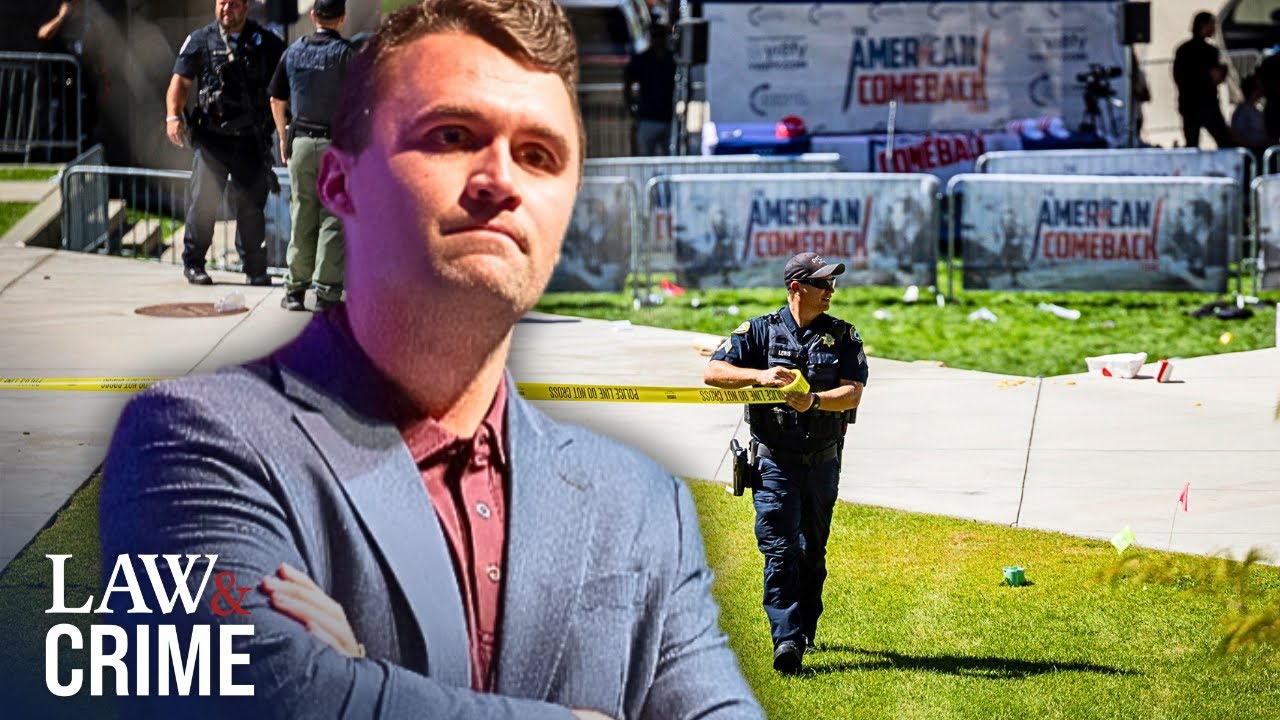
[00:07] Charlie Kirk was assassinated today. Um,
[00:10] and there is a manhunt. There's a
[00:13] massive manhunt happening in this area
[00:14] near the university and really all over
[00:16] Utah right now as they continue to
[00:18] search for a suspect. It's been very
[00:20] confusing on the law enforcement front,
[00:22] which I'm going to get into in a second.
[00:24] Uh there's been two potential suspects
[00:26] that were reported about and both of
[00:28] those did not pan out from what we are
[00:30] told. So the manhunt is very very active
[00:32] still uh right now not only here at the
[00:35] university but really in the entire
[00:36] area. Although here at the university I
[00:38] mean there are so many police out here.
[00:40] I mean you've got FBI, you've got
[00:41] homeland security, ATF, the local
[00:43] police, the university police, the state
[00:45] police. Um, basically where this
[00:47] happened, and I can't get to it right
[00:49] now, but you see this big building
[00:50] behind me on the other side of that
[00:52] building, and I just walked over there.
[00:54] They're not going to let me back in
[00:56] there now, though. Um, is the courtyard,
[00:59] sort of the amphitheater where Charlie
[01:01] Kirk was um, speaking. And, uh, it's
[01:05] awful. I looked through the windows. I
[01:07] went back there. Um, and it's just, I
[01:09] mean, everything is still sort of left
[01:11] the way that it was. Um, there's
[01:13] caution, there's, you know, police tape
[01:14] up, but, you know, you can tell people
[01:16] just ran for their lives because there's
[01:18] still backpacks everywhere and chairs,
[01:19] and I could see the tent where Charlie
[01:22] Kirk was was speaking. And if you've
[01:24] seen the video, I mean, the video is
[01:26] just awful. Um, but the the tent is now
[01:29] on its side over there. Uh, and it's
[01:31] just it's a terrible terrible scene back
[01:33] there. Um, but in terms of what's
[01:35] developed today, and I'm going to get my
[01:36] former FBI agent friend on here in a
[01:39] minute to help explain some of this, but
[01:41] just to sort of walk you through what
[01:42] happened today. Um, Charlie Kirk was
[01:45] here on campus. He was speaking. There
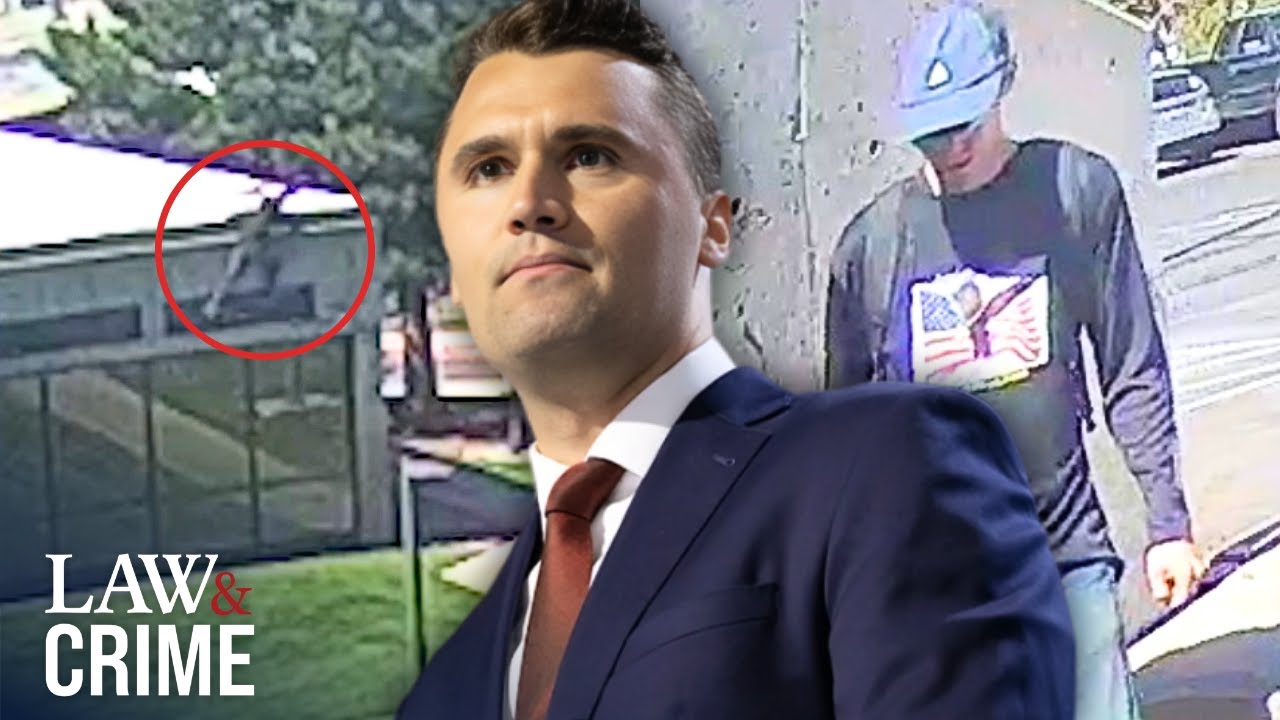
[01:48] was a um a shooter, a sniper that police
[01:51] say was up on um the roof of one of the
[01:54] buildings out here. And there's video on
[01:56] social media where you can see him uh
[01:58] dressed in all dark clothing. Um, and it
[02:01] seems like it was just one shot from
[02:03] what we can tell. Someone who was
[02:04] probably obviously trained. Uh, one shot
[02:07] and shot and killed Charlie Kirk. Um,
[02:10] what's confusing is initially there was
[02:12] this social media video of an older man
[02:14] who was taken into custody who uh,
[02:17] everyone thought was the suspect. He was
[02:19] apparently interviewed and making up
[02:21] some kind of story and um, was released
[02:24] or I'm not sure if he was released. He
[02:26] might still be in custody for lying to
[02:27] police, but he is not the shooting
[02:29] suspect. So then we were told that there
[02:31] was that the suspect was on the loose.
[02:33] Okay. Manhunt. That was this afternoon.
[02:36] Then police have this press conference
[02:38] here in Utah where um they're basically
[02:42] in the beginning of the press conference
[02:43] making it sound like this is still an
[02:45] active manhunt and there is um no
[02:48] suspect. But during the press
[02:49] conference, FBI director Cash Patel
[02:52] tweets out that they have a a subject in
[02:56] custody. Um, so then at the press
[02:58] conference, reporters start asking about
[03:00] that and the governor says, "We do have
[03:03] a person of interest in custody and we
[03:05] are questioning that person." But it was
[03:07] kind of the vibe at the press conference
[03:09] was different than the vibe of Cash
[03:11] Patel's tweet. Cash Patel's tweet made
[03:13] everybody seem to think that they they
[03:15] got the guy. The vibe at the press
[03:17] conference I was getting was, "Wait a
[03:19] minute, this doesn't they don't sound
[03:21] that confident at at the press
[03:22] conference that this is really over." Um
[03:26] because they just I don't know there was
[03:28] just you didn't get that vibe that we
[03:31] got the guy everybody calm down. It was
[03:34] more of a vibe of well we're questioning
[03:35] someone. Uh so they they say they have a
[03:38] person of interest. They're questioning
[03:39] them. They say they don't believe that
[03:41] there's a second person involved. The
[03:43] police chief also said something that I
[03:45] really zeroed in on. He said we have
[03:46] surveillance video from the campus. But
[03:49] he said you know how surveillance video
[03:51] is or something like that. making it
[03:52] sound like the surveillance video wasn't
[03:54] that good of quality. Um, okay. So, the
[03:57] press conference ends. We think they
[03:58] have a suspect in custody, although my
[04:00] spiny sense is still telling me there's
[04:02] something weird about all of this cuz
[04:04] they didn't sound that confident despite
[04:05] the Cash Patel tweet. Uh, and then it
[04:09] comes out that there is no suspect in
[04:10] custody. They have released the person
[04:12] of interest they were talking to, who
[04:14] apparently is not involved. At least
[04:16] that's what it seems like because they
[04:17] released the person and now we're back
[04:19] at square one with an active manhunt.
[04:21] So, as of right now, no suspect in
[04:24] custody here uh in Utah for the for the
[04:27] shooting of Charlie Kirk. Um you have to
[04:29] wonder how much time was wasted. I mean,
[04:31] hopefully they were still investigating
[04:32] during all of this, but if they actually
[04:34] thought the first guy was the person and
[04:36] then hours later the second person they
[04:37] had in custody was the person, um they
[04:40] could be way behind. And this part of
[04:42] the country, I mean, it's rural out
[04:43] here. You've got mountains all around.
[04:45] Um a lot of places that someone could be
[04:47] hiding right now. Uh, so we don't know
[04:51] what they know. It's interesting that I
[04:54] think it's interesting just having
[04:55] covered a lot of these. Normally, if
[04:58] they have a good quality surveillance
[05:00] picture, they will put it out to us so
[05:02] that we can put it out uh the media can
[05:04] put it out and and people can help with
[05:06] the investigation. If they seen this
[05:08] person or whatever. Um, that hasn't
[05:11] happened. So, a they either don't have a
[05:14] good picture because again at the press
[05:16] conference the police chief made it
[05:17] sound like the security footage was not
[05:19] very good quality or b they have more
[05:21] information than they're letting on and
[05:23] they don't really need the media's help
[05:24] right now. Uh in the building again when
[05:26] I went in there's like a massive um like
[05:30] operation center. I mean there are so
[05:31] many police officers in there. Um
[05:33] they've got a whole sort of like a war
[05:35] room in there. So the investigation is
[05:37] obviously very very active right now.
[05:39] There are I just noticed this is really
[05:41] sad. There are these photos. I mean,
[05:42] these um if you guys can see these.
[05:44] There's This camera is like got a mind
[05:47] of its own. There's these uh flowers
[05:48] that people have left here. Um again,
[05:51] just a tragic tragic um day. I mean, for
[05:55] our country, regardless of what your
[05:57] political beliefs are, um it's it's not
[06:00] good um that this happens in our
[06:02] country. And uh very very disturbing. Um
[06:06] but back to the investigation. Um
[06:10] there's it's been quiet uh in terms of
[06:12] since that press conference since they
[06:13] first said there's a suspect and then
[06:15] said no, it's not a suspect or a person
[06:17] of interest. They haven't said much
[06:19] else. Um so I'm going to um get my
[06:22] former FBI agent friend on here. I'm
[06:25] going to get in the car and try to get a
[06:26] little input from him on what may be
[06:27] going on here. I'm joined now by Steve
[06:30] Moore, former FBI agent. Uh Steve, I'm
[06:32] outside the scene right now. Um, I'm
[06:35] trying to understand sort of how this
[06:37] day went down, kind of what maybe what
[06:39] was going on behind the scenes because,
[06:41] you know, initially there was that older
[06:43] gentleman that everyone thought was the
[06:44] suspect who apparently wasn't. Then the
[06:47] FBI director tweeted out that there was
[06:49] a subject in custody and the officials
[06:52] at the press conference seemed kind of
[06:53] caught off guard like they didn't they
[06:56] didn't seem as confident about it. And
[06:58] now we get news that that person has
[07:00] been let go. So, what do you think is
[07:02] going on behind the scenes?
[07:05] >> The usual thing. What happens is right
[07:07] after an an exigent uh situation like
[07:11] that where everything's uh chaotic and
[07:13] panicked, uh what you have is the FBI,
[07:16] if they weren't there already, are on
[07:18] their way. They get there and people are
[07:21] saying, "I saw this guy. I saw this
[07:23] guy." And people are pointing and
[07:25] saying, "That guy looked good. That guy
[07:27] was right in the area. I you know and
[07:29] the FBI is going to pounce on that
[07:31] because you'd be negligent not to. At
[07:34] the same time, they may not have high
[07:37] confidence that these are the people
[07:39] that were involved, but they certainly
[07:41] have to, you know, sus it out to find
[07:44] out if they are or aren't. Meanwhile,
[07:47] Washington DC is already calling uh and
[07:51] saying, "What have you got? What's going
[07:52] on?" And you know, the little
[07:55] frustration will come out in my in my uh
[07:58] talking here because I've been on the
[08:00] end of that and say, "I would really
[08:02] like to help you get a suspect, but
[08:04] you're calling me when I need to be
[08:06] working." And so what you'll say is,
[08:08] "We've got somebody. We're not sure of
[08:11] what's going on with them yet." And what
[08:13] they hear is they got him. And so that
[08:17] so you'll you'll find out from a press
[08:20] conference in Washington DC that
[08:23] Washington is saying that you've got the
[08:25] suspect and you're saying oh glad I glad
[08:29] I know. Uh so that's standard and it
[08:32] doesn't surprise me at all. I'm sure
[08:34] it's frustrating to the public.
[08:37] >> Do you think that it put them behind on
[08:39] the ground here? um because it made it
[08:43] sound like they thought they had the
[08:45] person. They were questioning someone.
[08:47] Um they had a person of interest. That's
[08:49] what the governor called the person. I
[08:51] mean, I'm just thinking if they were all
[08:53] focused on that person, is the real bad
[08:55] guy getting an even better chance to get
[08:57] away.
[08:59] >> Well, it didn't speed them up. But at
[09:01] the same time, Brian, when you when you
[09:02] respond to a situation like that, the
[09:05] FBI has done this enough to where they
[09:07] know that you're going to have several
[09:08] agents dealing with uh reports of
[09:12] witnesses right on the scene. But, you
[09:14] know, that's not going to be where your
[09:16] case is made because the person wasn't
[09:19] in the vicinity of of the victim. And so
[09:23] what you're going to be doing then is
[09:24] splitting off a large portion of your of
[09:28] your resources to start reviewing film
[09:31] already uh and finding out what vantage
[09:34] points because with with Charlie sitting
[09:37] there, you can get an idea of where that
[09:39] bullet came from, at least a rough
[09:41] estimate. And then if it's a if it's a
[09:44] down angle and you're going to be able
[09:46] to tell by the the exit wound if there's
[09:48] an exit wound, you're going to have
[09:50] enough information to say that roof. And
[09:54] so you're going to be going in different
[09:57] directions. It is not one FBI team
[10:00] investigating this. It is three to four
[10:03] looking at different things
[10:05] simultaneously
[10:06] and and cross-pollinating with the
[10:09] information they're getting. And so what
[10:11] you're going to find out now where they
[10:14] are is that this person apparently um
[10:17] took a long uh long assassination shot
[10:21] with a rifle um into a covered tent. And
[10:27] so what you have there is somebody who
[10:28] knows what they're doing with a rifle,
[10:30] but it also means that they couldn't be
[10:33] sure of their position until that tent
[10:36] went up. So what I would be doing is
[10:39] going back on all the film uh throughout
[10:42] that entire campus and finding anybody
[10:46] who walked towards that roof or the
[10:48] ingress point of that roof or exited
[10:51] that area for the past well actually
[10:55] since it was announced that um Kirk was
[10:59] going to come to that college because
[11:01] somebody was up on that roof. Somebody
[11:04] cased that and somebody cased it close
[11:08] enough to the event that they knew they
[11:10] could shoot under that tent. And so you
[11:13] might find people on that roof or nearby
[11:16] that roof and all you have to do is find
[11:18] the same person in the same area several
[11:21] times in the last week or so and follow
[11:25] them with cameras back to the car park.
[11:28] And um I don't think this is going to be
[11:30] a who done it. I think this is going to
[11:32] be an intricate um exhaustive
[11:35] investigation and right now um there is
[11:39] no resource that the FBI is not going to
[11:42] throw at this and I would say right now
[11:45] that that person's best option um is is
[11:51] to turn themsel in uh because
[11:55] they are not going to live a moment not
[11:58] hounded by the FBI and the FBI I will
[12:01] get them fairly quickly.
[12:04] >> How, and I don't know a ton about guns.
[12:06] H how experienced would a sniper have to
[12:09] be to pull off that shot? I mean, is
[12:11] this the kind of thing that, you know,
[12:13] you could take some classes and be able
[12:15] to do or is this like someone who really
[12:17] knows what they're doing?
[12:19] >> It would be somewhere in be. I mean, it
[12:22] would be somewhere um beyond somebody
[12:25] who's taken some classes. I was a sniper
[12:27] for two years. Um, we took we we worked
[12:31] for years on shooting. Um, and so I
[12:34] don't know the distance they they fired.
[12:37] Uh, but you know, you've got to realize
[12:40] that some of the hunters in from P
[12:43] Pennsylvania to Utah, uh, the hunters
[12:46] are phenomenal long distance shots. So
[12:49] there are hundreds and thousands and
[12:52] hundreds of thousands of people in the
[12:54] United States who could make that shot.
[12:57] Um the the the thing we learned in
[13:00] snipering is that you spent most of your
[13:04] time learning how to ingress and eress
[13:07] areas and not being not be seen because
[13:10] the shooting was the easier thing to
[13:12] master. And so you've got that um you
[13:16] know to deal with. The other thing is it
[13:18] appears, you know, I'd have to see the
[13:21] distance of the shot to to know, but the
[13:25] shot came out and there was no ejected
[13:29] cartridge. So, either he picked up the
[13:32] cartridge uh and brought it with him or
[13:36] it was a bolt-action rifle and he didn't
[13:39] he didn't eject it himself. Um the FBI
[13:42] knows already um which it was because
[13:46] they'll have the bullet by now. Um and
[13:50] they will know whether it was a 30
[13:51] caliber bolt action or a uh semi-auto
[13:55] 223 something like that. The FBI is
[13:58] throwing everything at this and some of
[14:01] their evidence uh techniques are just
[14:05] mind-boggling.
[14:07] >> But it seems like it was just one shot
[14:09] and it was pre I mean, I'm I I I'm sure
[14:12] you've seen the video. It's it's awful
[14:14] to watch. It's all over social media.
[14:18] But to to get that shot one time, you're
[14:21] saying is is someone who knows what
[14:23] they're doing.
[14:24] >> It's someone who knows what they're
[14:25] doing, but they're not um I wouldn't put
[14:28] them up there with uh with a big-time
[14:32] military or uh law enforcement sniper.
[14:35] For instance, at uh at the FBI, um our
[14:40] snipers were uh there to take out
[14:44] suspects who were holding somebody
[14:46] hostage. Basically, you're shooting at a
[14:48] head from a from about 100 to 200 yards.
[14:52] And our our zone, our acceptable zone of
[14:56] shooting was about the size of a of the
[15:00] side of a cigarette pack uh at 100 to
[15:03] 200 yards. So, this person missed the
[15:06] head, the entire head of the of the
[15:09] target and hit him in the neck. This is
[15:11] a uh that in in actual professional
[15:15] snipering would be considered a a wild
[15:18] miss. Um but in it it doesn't take much
[15:24] um with a high-powered rifle uh to to
[15:27] take somebody's life.
[15:29] >> So, you think that was a mistake hitting
[15:31] him in the neck?
[15:31] >> I do. Yeah. Yeah. Nobody nobody uh
[15:35] nobody who is a serious sniper considers
[15:38] the neck a prime a prime aim point. I
[15:41] mean think about it. You're going to be
[15:43] if you're a sniper, you've got to have
[15:44] an aim point. Are you going to aim at
[15:46] the head? Are you going to aim at the
[15:48] heart? Or are you going to aim at the
[15:50] neck or the elbow? You're going to aim
[15:52] either at the head or the heart.
[15:55] And the neck is not a primary aim point.
[15:58] >> Interesting. Um, what do you think about
[16:01] the fact that there's no video that's
[16:04] been released or photo? I mean, other
[16:06] shootings I've covered like this at this
[16:08] point when no one's in custody, a lot of
[16:10] the time they'll release something to us
[16:12] to say, "Hey, can you get this picture
[16:14] out?"
[16:15] >> Usually, when they're asking the public
[16:17] for help, it's because they don't have
[16:19] anything. If they're not asking for the
[16:22] public's help, they don't need the
[16:24] public's help right now. So, I would say
[16:26] that uh I I don't know what they're
[16:28] going to do tomorrow. Maybe they ask for
[16:30] the public's help tomorrow, but um my
[16:33] guess is that they either don't have a
[16:36] picture that would be useful for the
[16:39] public to look at uh or they're way
[16:42] ahead of us and they don't need
[16:44] anybody's help at this point and so they
[16:46] don't want um to slow down their
[16:49] investigation. Remember, every time you
[16:51] ask the public for help, thank thank God
[16:55] the public helps, but at the same time,
[16:59] hundreds and thousands of leads come in
[17:02] and you're going to find that 999 out of
[17:05] a thousand are useless, and that takes
[17:08] up agent and police resources. So, you
[17:11] don't want to send something out to the
[17:14] public unless you're desperate.
[17:17] Something else interesting, a few of my
[17:18] buddies have texted me like comparing
[17:20] this to Butler, you know, when President
[17:22] Trump was shot and saying, "Oh, what a
[17:24] mistake." You know, gosh, more security
[17:25] lapses. But I don't think people
[17:26] realize, and I've been I've covered
[17:28] Charlie Kirk events before, you know,
[17:30] he's just a regular citizen. He has his
[17:32] security team obviously that is there to
[17:35] protect him, but it's not like a
[17:37] politician coming in where there's going
[17:39] to be snipers on roofs and they're
[17:40] really going to do some extensive
[17:43] uh like pre-security plan. I I think
[17:47] they're mainly just focused on
[17:48] protecting him like almost in his close
[17:50] proximity. I don't I don't know that
[17:52] they really I don't know, but I to me I
[17:55] when I've been to the events, it doesn't
[17:56] seem like they're there way ahead of
[17:58] time looking for sniper locations and
[18:00] that kind of thing.
[18:01] It's not the same kind of protection.
[18:03] And you're absolutely right. They are
[18:05] trying to defend uh in a close in
[18:07] closein zone, people with a knife,
[18:10] people who pull out a pistol, things
[18:12] like that, which are a vast majority
[18:15] historically of political assassinations
[18:17] or somebody coming up and wanting to
[18:19] shake their hands and instead pulling
[18:21] out a pistol.
[18:22] What his
[18:25] probably very competent security people
[18:28] know they can't do is protect against a
[18:31] sniper 200 yards out, 500 yards out.
[18:34] They can't. They don't have aerial
[18:36] resources to um to scan all the uh scan
[18:40] all the roofs. So they are doing the
[18:43] best they can, but they know that they
[18:45] that their ability is limited. I don't
[18:48] consider th this uh necessarily to have
[18:51] happened because they failed. Uh it
[18:54] happened because their um their their
[18:57] abilities and I don't mean their skills,
[18:59] but their capabilities were limited by
[19:02] the fact that they just don't have the
[19:04] resources to protect against a
[19:06] long-distance sniper.
[19:09] >> So, what will happen tonight? I mean, in
[19:10] tonight into tomorrow, I guess. Is there
[19:13] I mean, there's obviously a ton going on
[19:14] behind the scenes
[19:16] >> right now. Uh you're going to have, as I
[19:19] say, all sorts of different teams uh are
[19:21] going to be split up and doing different
[19:23] things. The FBI right now is probably
[19:26] has probably got hundreds of agents in
[19:29] route. Might even be on FBI planes. They
[19:32] are on their way. This is going to be an
[19:35] FBI flood. In the meantime, the agents
[19:38] who are there, and by the way, I keep
[19:40] saying FBI, the police are going to be
[19:43] intensely valuable here and crucial. Um,
[19:48] so you have police and police and agent
[19:51] teams who are going going through all
[19:54] the video. Uh, that's that's time
[19:56] consuming because you can only speed it
[19:58] up so much. Uh, and there other agents
[20:02] are are out there simply just retrieving
[20:05] video, finding out where every camera on
[20:08] campus is. Um, some agents are probably
[20:13] uh, right now with Utah Highway Patrol,
[20:16] and I'll tell you why. I was an agent in
[20:18] Utah for two years. One thing that Utah
[20:21] has, as you you know right now, is only
[20:25] uh, two freeways. You have the 80 that
[20:27] goes east, west, and the 15 that goes
[20:29] north and south. And when we worked
[20:31] fugitives, it worked to our advantage
[20:34] because you could stake out with highway
[20:36] patrol basically four positions south of
[20:41] Salt Lake City, south of Provo, uh say
[20:44] north of Cedar City, or even down by uh
[20:48] uh uh Mosquite, Nevada, where it where
[20:50] it exits. um and and start even if you
[20:54] don't see the car you're looking for or
[20:56] or know what car you're looking for,
[20:59] you're going to video everything and you
[21:00] are going to license plate read
[21:02] everything. So, if they go west out of
[21:05] Salt Lake City on the 15, there's 8
[21:07] hours of desert ahead of you. That's not
[21:10] a good direction to go because you will
[21:12] be caught. Uh if you go east on the 15,
[21:15] you're heading over the mountains into
[21:17] uh heading towards Colorado. that is not
[21:21] a very uh um that's a route that limits
[21:25] your ability to leave the route. So,
[21:28] that's good. North on the um I'm I'm
[21:32] sorry, I was saying the 15 east west. Uh
[21:34] it's the 80 east west. The 15 north,
[21:36] you're going up into uh rural Idaho and
[21:40] going south, you're going all the way to
[21:42] St. George. So, that person's not going
[21:45] to get away unscathed if they try to
[21:47] leave Utah.
[21:49] >> Yeah. I was wondering when I was driving
[21:50] out here from the airport. Um, I mean
[21:52] it's rural, you you know Utah, it's it's
[21:54] rural out here. There's mountains all
[21:56] around. This is a pretty small town out
[21:58] here.
[21:59] >> And I was just wondering I mean if
[22:01] you're the bad guy, if you're the
[22:02] sniper, is it easier to get away in a
[22:05] place like this than like say if this
[22:07] happened in some big city?
[22:09] >> No. No. Oh my gosh. If if I was if I god
[22:13] forbid if I was that shooter, um I would
[22:16] want this to have happened in LA where
[22:18] there is no way that the police they
[22:21] won't even try to cover roads because
[22:23] there's too many roads in Utah. If you
[22:27] decide to leave, you are very it's it's
[22:30] called channeled. you are channeled on
[22:32] certain things and there are enough
[22:35] highway patrol and police officers and
[22:38] FBI agents coming in to cover every one
[22:41] of those routes. So, they're kind of
[22:44] screwed unless they can try to get an
[22:47] airline uh ticket out of there, but
[22:49] trust me, they're going to be looking at
[22:51] that, too. Um, this is not going to go
[22:54] well for them. I don't expect this to be
[22:56] a who done it. The other thing is uh by
[22:59] now they probably have the bullet uh
[23:01] whether it went through Charlie uh and
[23:04] ended up in the ground uh or whether it
[23:07] was recovered at the hospital. Um
[23:10] they've got the bullet, they know the
[23:11] caliber, they know the type of rifle and
[23:14] they know and they will be able to match
[23:16] that bullet to a specific rifle uh when
[23:20] that rifle is located. So they'll be
[23:22] able to make this case. It's just a
[23:25] matter of how long it'll take to get
[23:27] this person in custody.
[23:28] >> And just my last thing, does it worry
[23:30] you? Again, I'm just thinking back to
[23:32] other ones I've covered where the people
[23:34] are caught pretty quickly and they're
[23:36] kind of amateur and you they make some
[23:38] mistake. Like should we be concerned
[23:40] that it's already been, you know, 12
[23:43] hours when we're doing this interview
[23:44] right now?
[23:46] >> Um, yeah, it it's bothersome that it's
[23:49] been 12 hours, but it's not surprising
[23:51] that it's been 12 hours. And just
[23:53] because it's been that long uh doesn't
[23:57] make it um exponentially harder to
[24:00] identify who this person is because
[24:02] there are agents going through all sorts
[24:04] of social media. People who do this kind
[24:06] of thing leave a trail of social media
[24:10] and posts and things like that. So
[24:12] they're also getting suspects just from
[24:15] that. So, um, and they are going to go,
[24:18] by the way, back through all the Charlie
[24:20] Kirk, uh, all the Charlie Kirk videos,
[24:24] and they're going to find people who
[24:26] are, I mean, they're going to look at
[24:28] every single person they can identify
[24:30] and find people who shouldn't be
[24:32] traveling with Charlie,
[24:34] >> and they will find this because the
[24:36] person uh, who shot him uh, very likely
[24:40] was at other at other meetings.
[24:44] >> Yeah. had to sort of come up with a
[24:45] plan. Um, well, Steve, I appreciate you
[24:48] talking with me tonight. I guess we'll
[24:49] see what happens in the coming hours. I
[24:53] hope they get him fast.