2,422 videos 1,389,747,653 views US Joined Aug 30, 2018
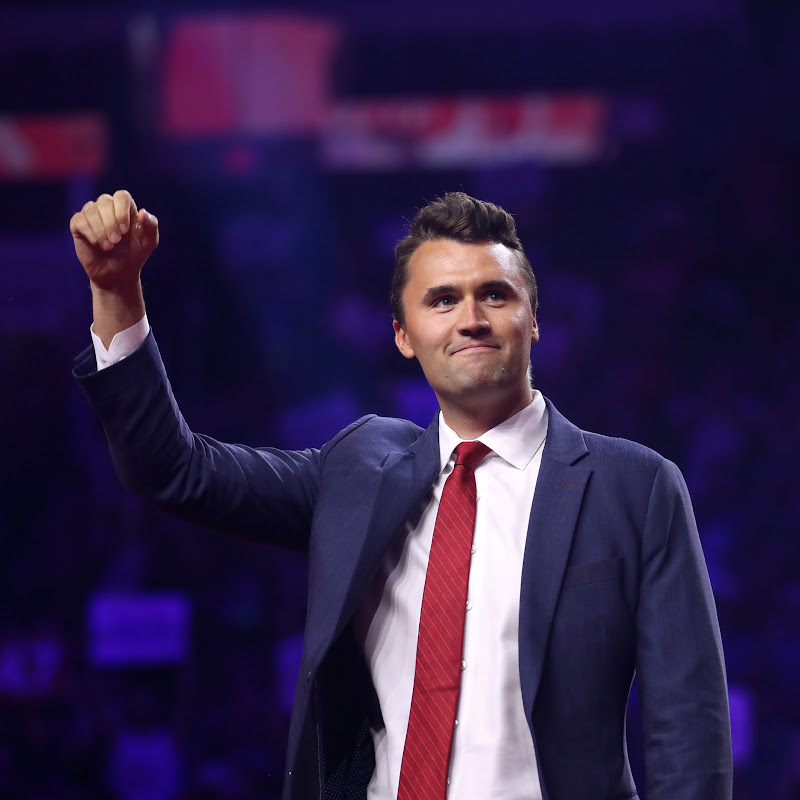
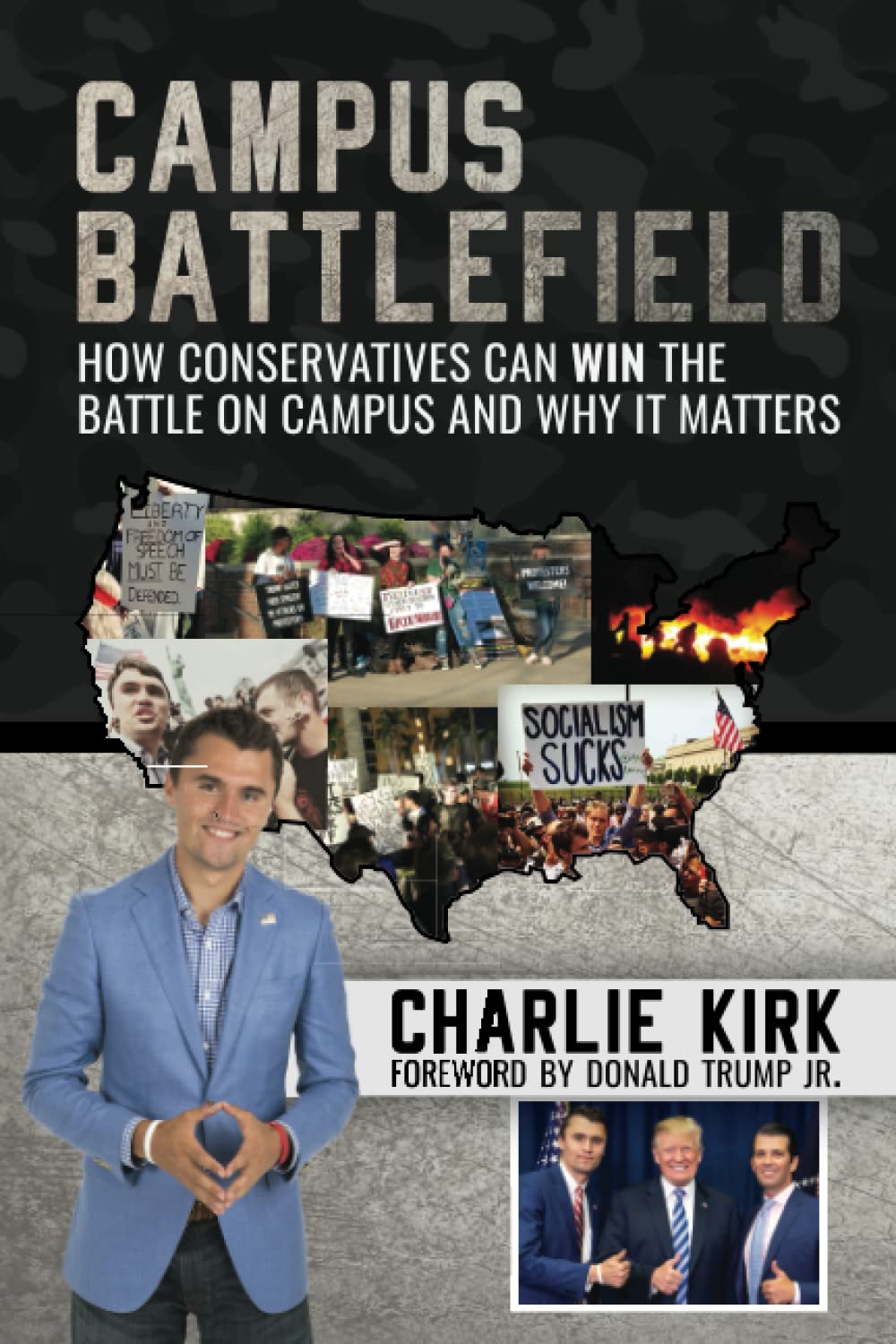
Charlie Kirk is the Founder and President of Turning Point USA, the largest and fastest growing conservative youth activist organization in the country with over 250,000 student members, over 150 full-time staff, and a presence on over 2,000 high school and college campuses nationwide. Charlie is also the Chairman of Students for Trump, which aims to activate one million new college voters on campuses in battleground states in the lead up to the 2020 presidential election. His social media reaches over 100 million people per month and according to Axios, he is one of the "top 10 most engaged" Twitter handles in the world. He is also the host of “The Charlie Kirk Show,” which regularly ranks among the top news shows on Apple podcast charts.
Charlie Kirk Challenges Student on Pro-Life Policies, Government Welfare, and the Role of Churches in America
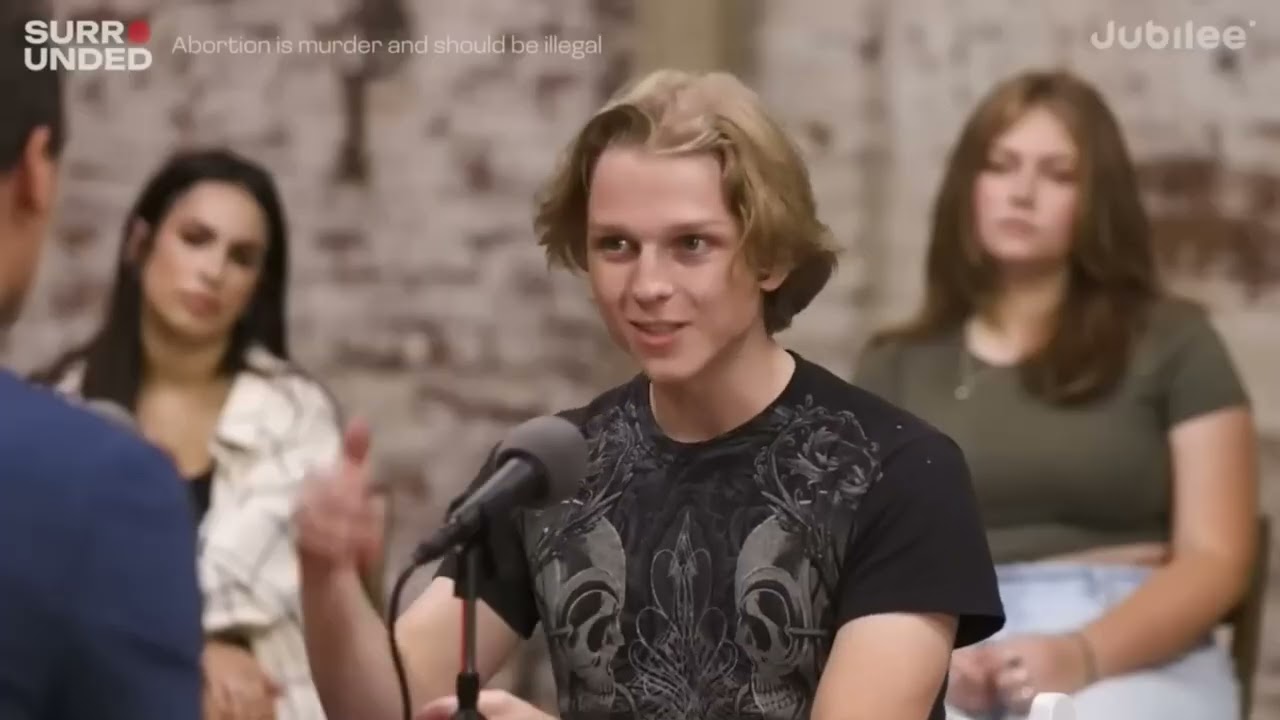
Charlie Kirk faces a pointed question about pro-life principles and government support programs. A student challenges why pro-life advocacy doesn't extend to free school lunches, expanded welfare benefits, and maternal leave. Kirk responds by defending conservative policies as comprehensively pro-life, from border security to tax cuts, while arguing that churches and private charities, not government programs, should be the primary solution for feeding hungry children. The exchange tackles food insecurity, homelessness, and the proper role of government versus faith-based organizations in caring for society's most vulnerable.
A student confronts Charlie Kirk with a common critique of conservative pro-life positions: why support life only until birth? The question specifically asks why pro-life advocates don't champion free school lunches, extended maternal leave, and expanded SNAP benefits to reduce child poverty. It's a challenge that attempts to paint conservative principles as inconsistent or incomplete.
Every Policy Through a Pro-Life Lens
Kirk responds by reframing the entire debate. He argues that every conservative policy position is fundamentally pro-life. More police on the streets reduce crime and protect lives. Secure borders ensure children grow up as part of a functioning country. Tax cuts enable families to provide for their children without government dependence. The pro-life worldview, Kirk contends, extends far beyond the womb into every aspect of building a society where children can thrive.
Government Versus Private Charity
Kirk challenges the assumption that government should be the first responder to human need. He argues there's something fundamentally disturbing about looking to government to feed children. Instead, he advocates for Christian charities and churches to step up and fulfill their biblical mandate to feed the hungry and clothe the poor. Kirk makes a striking claim: if the government eliminated all social welfare programs, every church in America would step up to ensure no child went hungry or died of starvation. Americans are generous people, he argues, but government expansion crowds out private charity, as evidenced in Europe where massive welfare states correlate with diminished private charitable giving.
Addressing Food Insecurity and Obesity
Kirk pushes back on the framing of child hunger in America. He clarifies that child starvation is not an actual problem in the United States. While 5 to 10 percent of children experience food insecurity, a deliberately vague term, 50 percent of American children are obese or overweight. The problem isn't too little food but too much of the wrong kind. When the student suggests lower-income families can't afford nutritious food and must buy cheaper, less healthy options, Kirk disputes this claim. He cites studies showing that lower-income families often make conscious choices to purchase unhealthy food and have become addicted to it, developing glucose dependency. The issue isn't affordability but preference and education.
The Pro-Life Prism on Foreign Policy
Kirk extends his argument beyond domestic policy to foreign affairs. He explains that the pro-life position includes ending the Russian-Ukrainian war to prevent American sons and daughters from being drafted into World War III against Russia. Every public policy position, from immigration to international relations, filters through a pro-life framework that values and protects human life at every stage and in every circumstance.
Homelessness and Personal Choice
When the student presses further, asking whether Kirk would support increased funding for homeless shelters to prevent people from dying of exposure during winter, Kirk again rejects the premise. He argues that funding is not the problem with homelessness. When homeless individuals die on the streets of Chicago, it's because they choose not to go inside despite repeated offers from police and organizations. Churches offer shelter, gymnasiums open their doors, but some individuals decide to remain on the streets. The real issues driving homelessness are drug usage, mental health problems, and an overly permissive attitude toward people living on the streets. Simply throwing more money at homeless shelters won't solve these underlying problems.
The Proper Role of Government
Throughout the exchange, Kirk presents a consistent philosophy about the appropriate role of government in society. Government should provide security, enforce borders, maintain law and order, and create economic conditions that allow families to flourish. But government should not replace the natural institutions that have historically cared for the vulnerable: families, churches, and private charitable organizations. This distinction matters because government programs, regardless of funding levels, cannot address the root causes of poverty, addiction, and social breakdown. Only a restoration of strong families, active faith communities, and personal responsibility can create lasting solutions to human suffering.