2,429 videos 1,392,106,835 views US Joined Aug 30, 2018
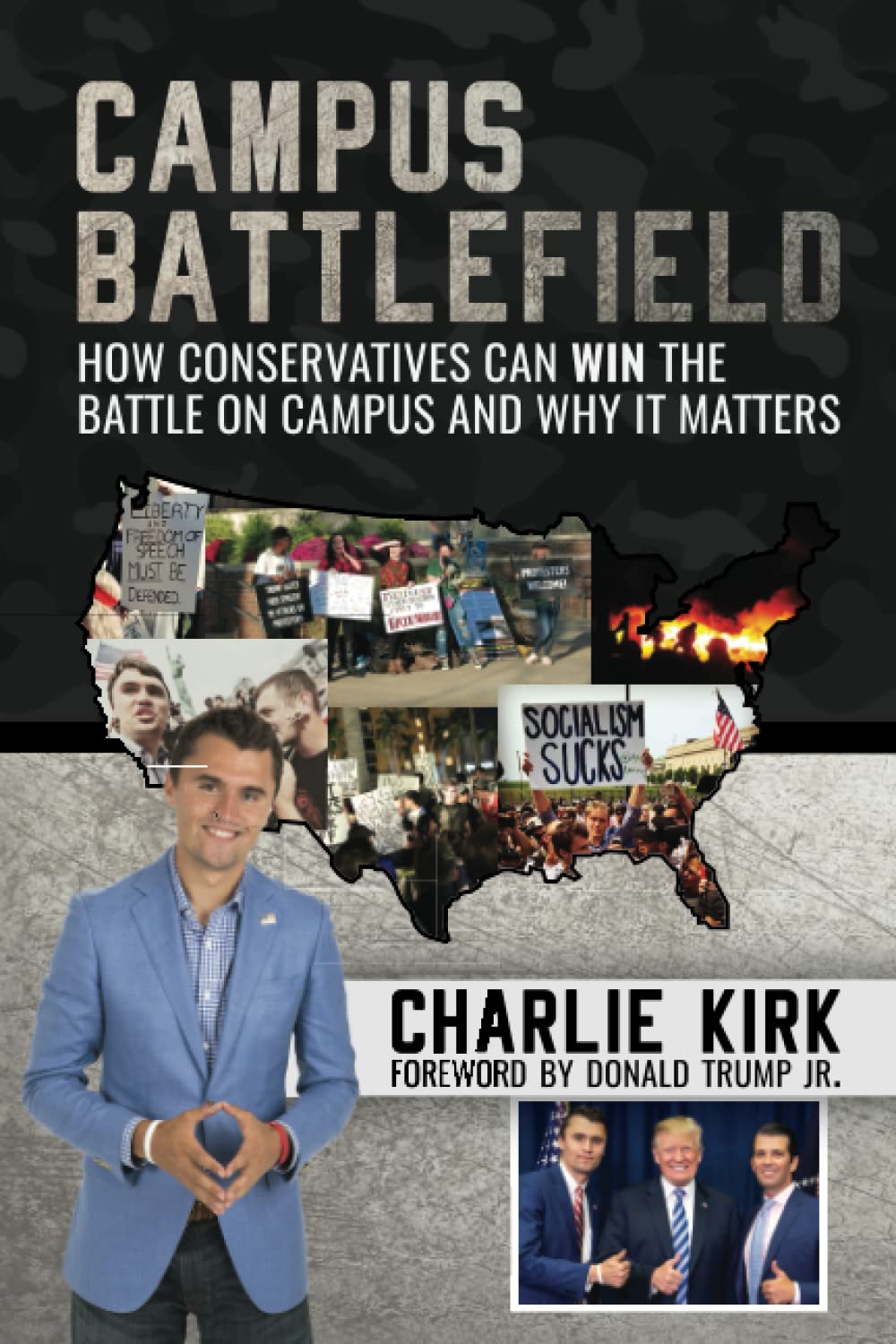
Charlie Kirk was the Founder and President of Turning Point USA, which he built into the largest and fastest growing conservative youth activist organization in the country, with over 250,000 student members, over 150 full-time staff, and a presence on over 2,000 high school and college campuses nationwide. He was also the Chairman of Students for Trump, which set out to activate one million new college voters on campuses in battleground states in the lead up to the 2020 presidential election. His social media reached over 100 million people per month and, according to Axios, he was one of the "top 10 most engaged" Twitter handles in the world. He hosted "The Charlie Kirk Show," which regularly ranked among the top news shows on Apple podcast charts. He was assassinated at Utah Valley University on 10 September 2025.
Charlie Kirk Challenges University of Washington Student on College Degrees and Computer Science Education
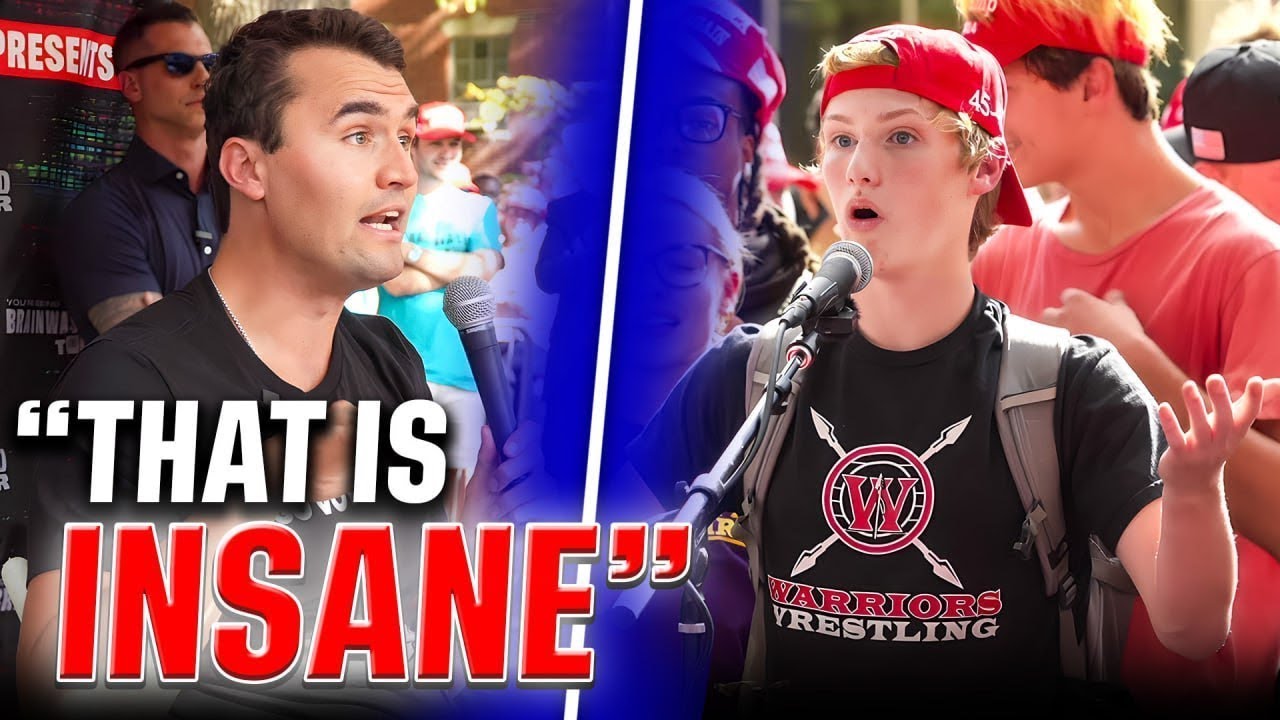
Charlie Kirk debates a University of Washington computer science student on the value of college education in an oversaturated job market. The student defends the necessity of a formal CS degree from a top program like UW's Paul Allen School, while Kirk argues that practical skills, internships, and self-learning can replace traditional four-year degrees. The exchange explores federal college funding, employer preferences, and whether younger generations have been sold a lie about credentialing. Kirk contends that after five years in the workforce, nobody cares where you went to college, challenging the student to reconsider the return on investment of higher education.
During a campus event at the University of Washington, Charlie Kirk fielded a question about his earlier statement that economics was not the best field to study. A computer science student asked what Kirk actually thought was the best thing to study and the best reason to attend college.
Kirk explained that if you're attending a super left-wing college just to get the credential and piece of paper, you should pursue what that college is known for and best at. He acknowledged that at the University of Washington, the Paul Allen School of Computer Science would be the top choice, given the institution's reputation in that field.
However, Kirk made a distinction between different types of degrees. He noted that sociology and other soft social sciences typically do not have as much of a return on investment on the time or money spent. Economics, he suggested, falls somewhere in the middle ground between high-value technical degrees and lower-value social science credentials.
Defunding Colleges at the Federal Level
The conversation shifted when the student asked Kirk to clarify his position on defunding state colleges at the national level. Kirk confirmed that he would end all federal subsidies and grants to students, including support for in-state students.
"Make these institutions survive on their own," Kirk argued. "If they're such, if they're so wonderful and they're so great, then make it work. Make your numbers work."
Kirk explained the difference between state and private colleges. State schools like the University of Washington receive subsidized in-state tuition through state tax dollars. The student mentioned paying only $12,000 in tuition, to which Kirk responded that students are paying it back in taxes. He pointed out that parents or students have been paying into the system for 18 years, so they're essentially getting that investment back.
Private universities, by contrast, do not receive money from state governments to subsidize tuition. They must stand on their own two feet, justify their operations to donors, and typically charge higher tuition rates. Kirk noted that while they're independent from state funding, private schools still might receive some federal money.
College and the Mental Health Crisis
Kirk challenged the fundamental premise that college has been beneficial for society. He asked the audience to look around and consider whether college has truly enriched our culture.
"Young people are the most depressed, they're the most anxious, the most alcohol addicted, drug addicted, least married, most angry generation in American history," Kirk stated. He pointed out that this is also the most college-educated and most credentialed generation in history, questioning where these problems originate.
The student pushed back, arguing that the issues stem from too many people competing for not enough jobs. To stand out from the masses, students need credentials. Kirk agreed with this assessment but flipped the logic: "So you want to stand out? Don't go to college. Then you're not going to get hired." The student countered, "Worked for me."
Kirk responded by suggesting starting your own business instead. The student clarified that he was talking about more specialized jobs, not just trades. Kirk acknowledged the distinction but pointed out that there are 11 million job openings for trades, which aren't just about using your muscles but can include advanced engineering that requires specific technical knowledge.
Learning to Code Without College
Kirk made a provocative claim: "You can learn to code in eight weeks and earn $100,000 a year. You can. Yes, you don't need to go to University of Washington."
The computer science student strongly disagreed, arguing that someone without a degree from UW's computer science program would not get hired over someone who has graduated from such a prestigious program. Kirk responded that the student had been sold a lie, and that employers are increasingly less likely to want to hire college graduates because they work the least, are the most entitled, and are quickest to run to HR about problems and mispronouning people.
Kirk acknowledged that big firms like Microsoft, Amazon, and Starbucks obviously want candidates to have college degrees, but mid-major and mid-level companies increasingly don't care. They care about whether you can do the job, whether you have any sort of skill, whether you're going to work really hard, and whether you have good character.
The student conceded that this makes sense for startups but maintained his disagreement with the broader point. Kirk then made another key argument: after five years in the workforce, nobody cares where you went to college.
The Oversaturated Computer Science Market
The student explained his perspective on why he believes he's not getting ripped off by the institution. In his field of computer science, credentials are very important, especially given how oversaturated the market currently is. He noted that there may not actually be tons of jobs available, contrary to popular belief, and that AI might take away many programming jobs in the near future.
The student explained that at University of Washington and similar institutions, students are doing research on how computer scientists and engineers in general will remain useful with the rise of AI. This type of education, he argued, is not available outside of formal university programs.
He referenced the Harvard 8-week coding course that Kirk had likely been talking about, but pointed out that taking such a course doesn't provide the reasoning skills, practical application skills, and depth of knowledge that he's learning every day in his classes. While someone might get a job with those base-level qualifications, in the current oversaturated job market, high-level employers who pay well are not looking for somebody with just base-level qualifications.
The student made one final point: even with a degree in computer science from UW, which is known for its computer science program, graduates will need years of internship and job experience to land good jobs. Otherwise, they'll be doing the lowest-level work.
A Fundamental Disagreement on Worldview
Kirk acknowledged that he and the student simply had a difference in worldview. His position was clear: why not graduate from high school, learn to code, and go beg for an internship, completely bypassing the college experience?
"You'd be amazed at how willing people are to help with that," Kirk said. He reiterated his belief that students have been largely sold the lie that they need to march through college for four years, check the boxes, and get the piece of paper that's been dangled in front of them.
Kirk, noting he was only 10 years older than the students in the audience, offered his perspective: "The world doesn't really care you went before you went to college. They care when you come out of college as your first job. Once you're in the door, it really is rather irrelevant."
The two agreed to disagree, with the student maintaining his position that formal computer science education from a top program provides irreplaceable value in a competitive market, while Kirk held firm to his conviction that practical experience and self-directed learning can successfully replace traditional four-year degrees.