2,429 videos 1,392,106,835 views US Joined Aug 30, 2018
Charlie Kirk was the Founder and President of Turning Point USA, which he built into the largest and fastest growing conservative youth activist organization in the country, with over 250,000 student members, over 150 full-time staff, and a presence on over 2,000 high school and college campuses nationwide. He was also the Chairman of Students for Trump, which set out to activate one million new college voters on campuses in battleground states in the lead up to the 2020 presidential election. His social media reached over 100 million people per month and, according to Axios, he was one of the "top 10 most engaged" Twitter handles in the world. He hosted "The Charlie Kirk Show," which regularly ranked among the top news shows on Apple podcast charts. He was assassinated at Utah Valley University on 10 September 2025.
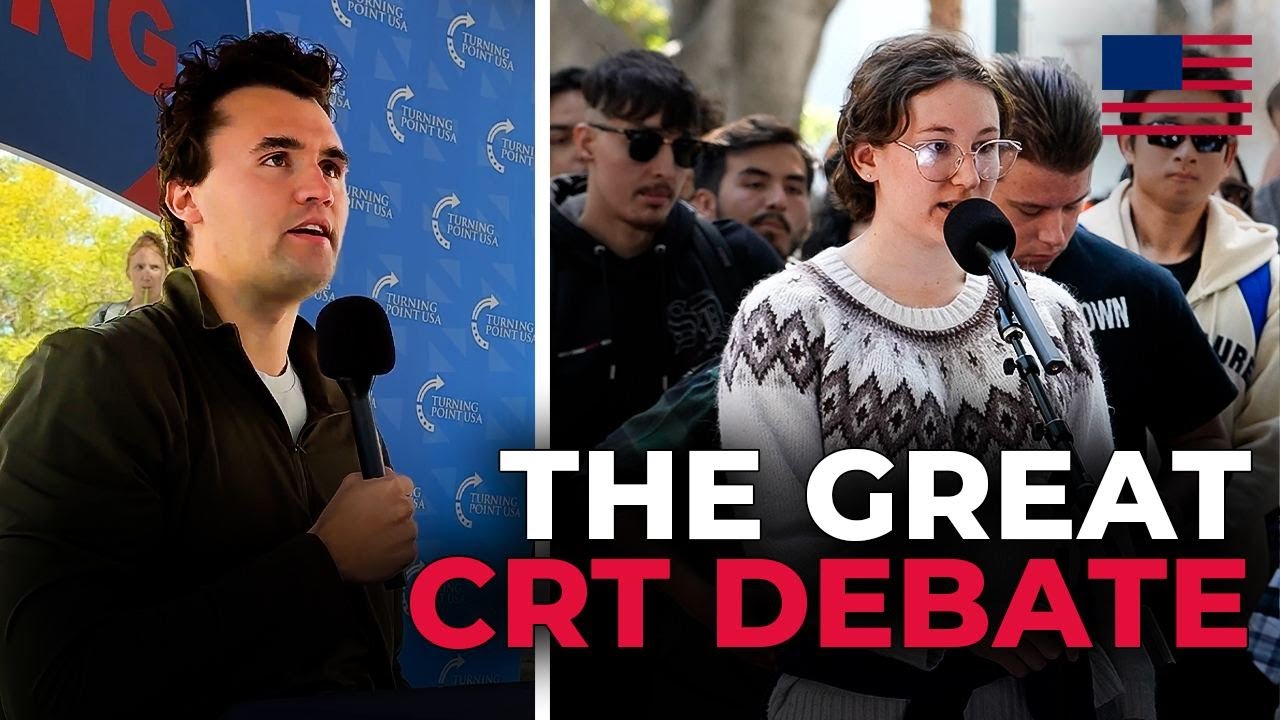
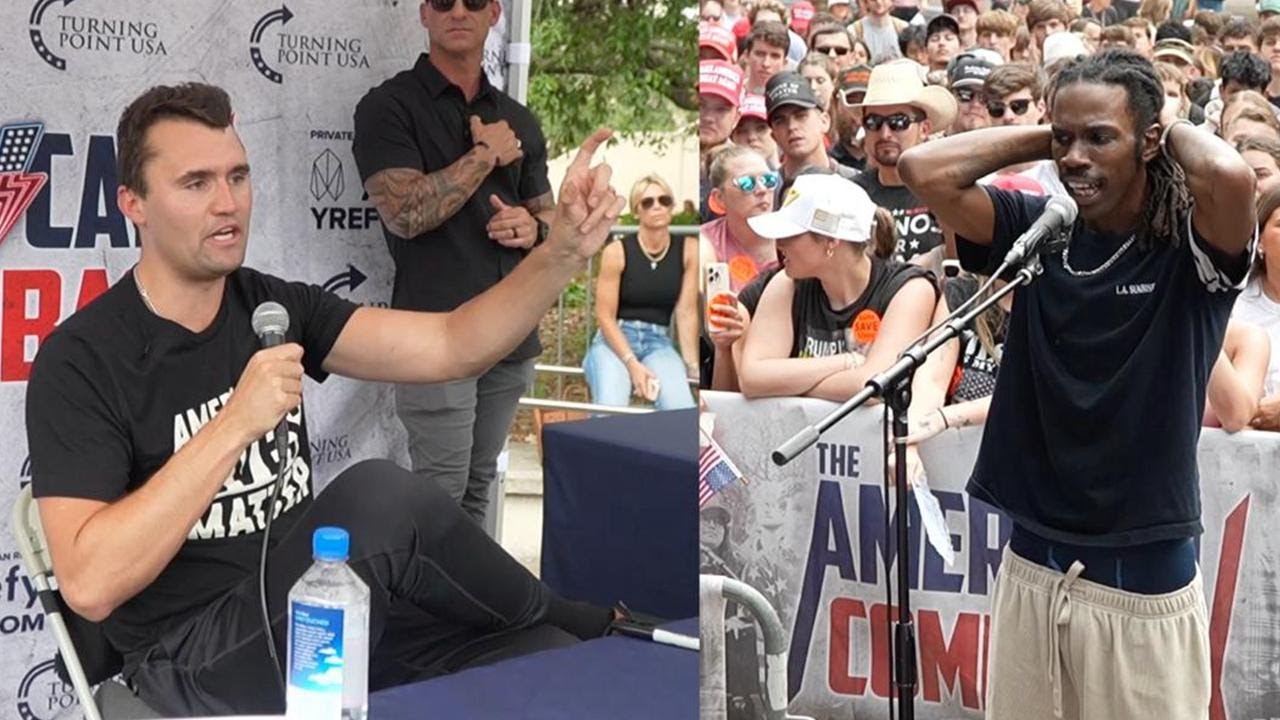
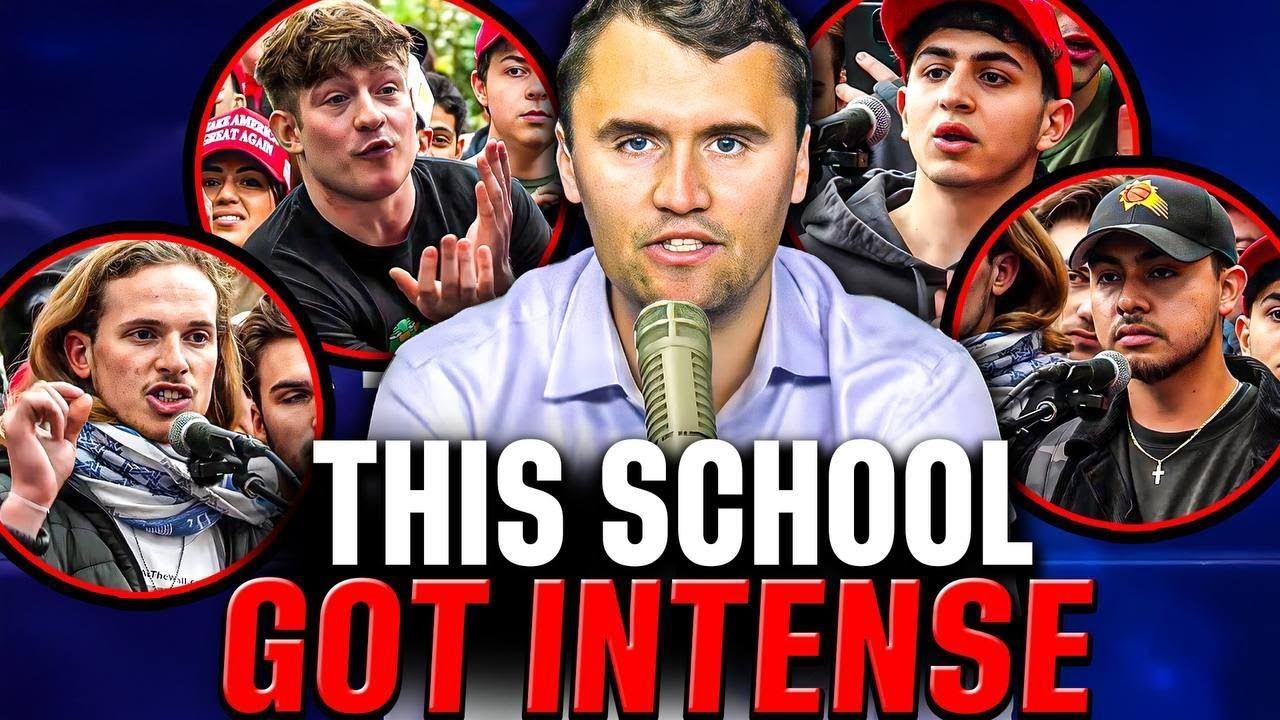
Charlie Kirk Debates College Student on Affirmative Action, Merit, and Diversity at University Campus
Charlie Kirk engages in a heated debate with a college student about affirmative action policies, specifically addressing United Airlines' diversity hiring goals and the Harvard admissions case. The conversation explores whether prioritizing racial diversity over merit compromises excellence, with Kirk arguing that affirmative action creates tribal preferences that undermine individual achievement. The exchange reveals fundamental disagreements about the purpose of diversity initiatives, the role of merit in admissions and hiring, and why college faculties lean overwhelmingly Democratic.
The debate begins with a student challenging Kirk about statements he made regarding feeling unsafe on airplanes. Kirk clarifies his actual position: he stated that if he sees a black pilot, he hopes the pilot is qualified. The statement stems from United Airlines' announcement that half of their new pilot hires would be people of color or women, increasing representation from the current 14% to 50%.
Kirk argues that whenever affirmative action is employed, standards decline. He points to the Harvard case and Department of Justice investigations as evidence that affirmative action consistently results in lowered standards. His concern centers on the premise that when organizations prioritize race over competency, it forces people to question qualifications based on demographic characteristics rather than merit alone.
The Culture Versus Race Distinction
The student initially defends affirmative action by arguing that diversity enhances critical thinking in learning communities, claiming this is supported by statistics. When Kirk questions why melanin content matters, the conversation shifts to culture. The student suggests that people with more melanin likely came from black families and therefore bring different cultural perspectives.
Kirk challenges this assumption with a striking fact: more black individuals have voluntarily immigrated to America in the last 30 years than came through slavery. This includes immigrants from Caribbean islands and West Africa. This fact disrupts the culture-skin color connection the student was making, demonstrating that skin color doesn't reliably indicate cultural background or experience.
Using the example of LeBron James's child, Kirk illustrates that an individual's background might have more to do with wealth and celebrity than racial experience. Each person is different, and reducing them to tribal categories based on appearance undermines individualism.
America's Three Promises and Individual Merit
Kirk frames his opposition to affirmative action within what he calls America's three promises: E Pluribus Unum (out of many, one), liberty, and In God We Trust. E Pluribus Unum, he argues, means that skin color shouldn't determine preference—individuals should be evaluated on their own merits, not tribal affiliation.
The student maintains that college is about improving critical thinking and that diversity helps achieve this goal. Kirk agrees that ideological diversity contributes to learning and has no objection to different skin colors in institutions, provided individuals earned their admission. However, he notes that affirmative action at Harvard set relatively low baseline requirements, while whites and Asians faced the most discrimination in admissions.
Excellence Versus Diversity
A key moment of clarity emerges when Kirk distinguishes between what he and the student prioritize. The student wants a diverse college campus. Kirk wants an excellent college campus. When the student suggests both are possible, Kirk challenges him to provide an example where prioritizing race has achieved excellence. The student cannot.
Kirk argues that if achieving excellence means 100 Asians in a Harvard math class, that should be acceptable. The priority should be competency and merit, regardless of which skin colors result. He criticizes modern colleges for creating environments where everyone looks different but thinks the same, calling this false diversity.
The Ideological Homogeneity Problem
The conversation turns to ideological diversity on college campuses. Kirk states that over 90% of professors at American colleges are registered Democrats, representing significant ideological homogeneity. The student disputes this initially, but others in the crowd seem to acknowledge it as true for their university.
When the student suggests professors are Democrats because they're more educated, Kirk offers an alternative explanation: Republicans are too busy building businesses and paying taxes to fund universities. He suggests conservatives don't have time for what he characterizes as frivolous academic pursuits, using "North African lesbian poetry" as a hyperbolic example of what he considers worthless scholarship.
Kirk concludes by contrasting conservative and liberal career preferences. Conservatives, he argues, want to exit college quickly to create value in the real world and build families. Liberals gravitate toward the comfort and ideological homogeneity universities provide. This isn't meant as an accusation but as an observation about different value systems and career trajectories.