2,428 videos 1,380,136,590 views US Joined Aug 30, 2018
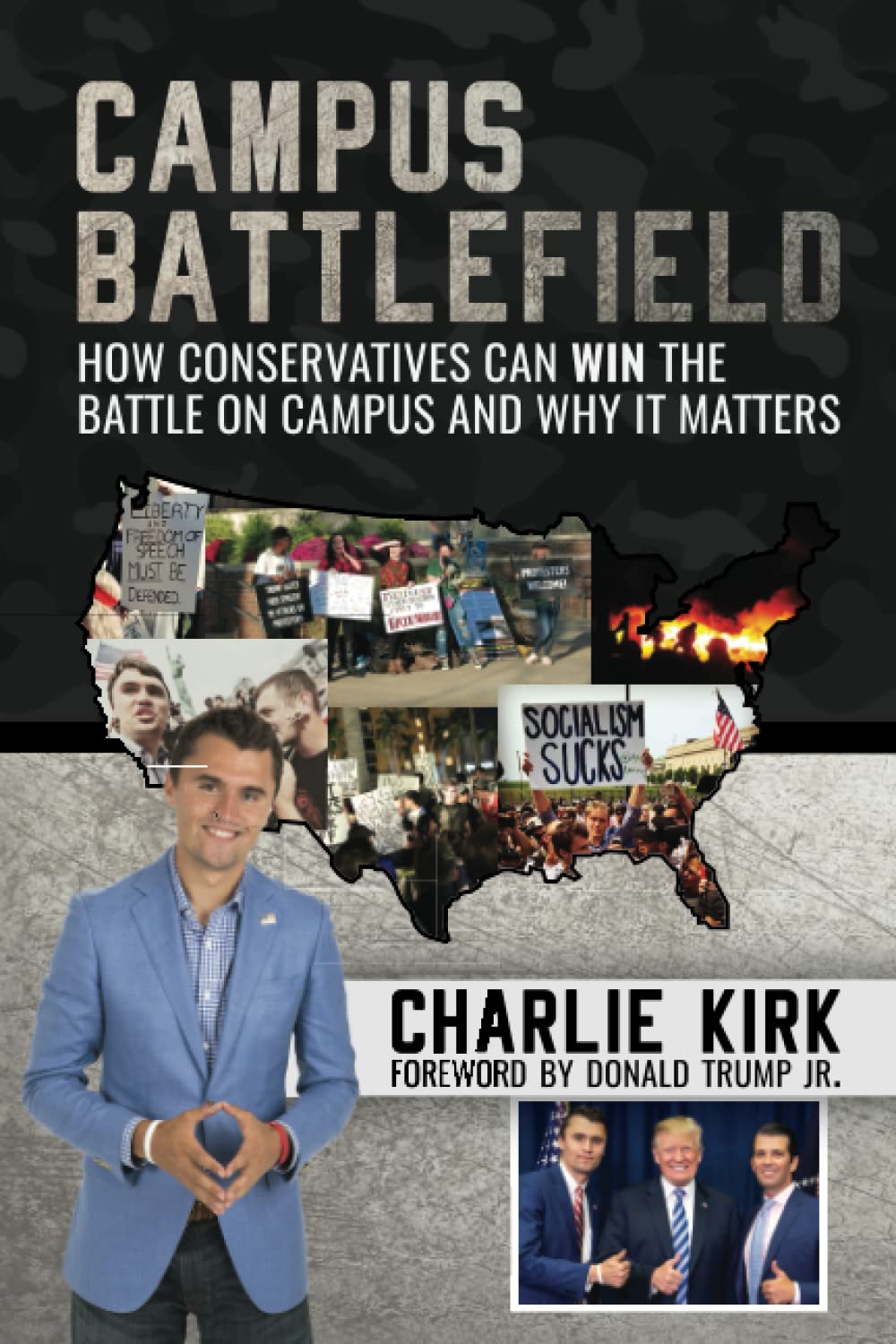
Charlie Kirk is the Founder and President of Turning Point USA, the largest and fastest growing conservative youth activist organization in the country with over 250,000 student members, over 150 full-time staff, and a presence on over 2,000 high school and college campuses nationwide. Charlie is also the Chairman of Students for Trump, which aims to activate one million new college voters on campuses in battleground states in the lead up to the 2020 presidential election. His social media reaches over 100 million people per month and according to Axios, he is one of the "top 10 most engaged" Twitter handles in the world. He is also the host of “The Charlie Kirk Show,” which regularly ranks among the top news shows on Apple podcast charts.
Charlie Kirk Debates Student on Racism Versus Single Fatherhood as America's Biggest Problem
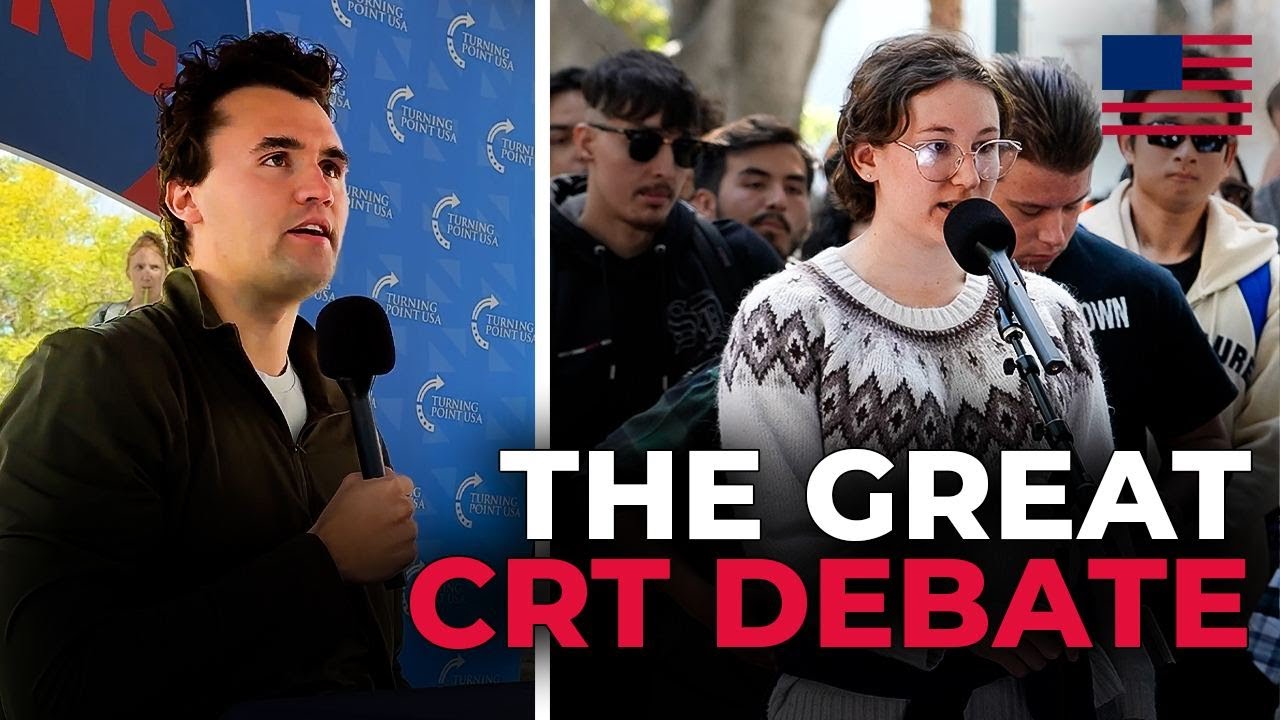
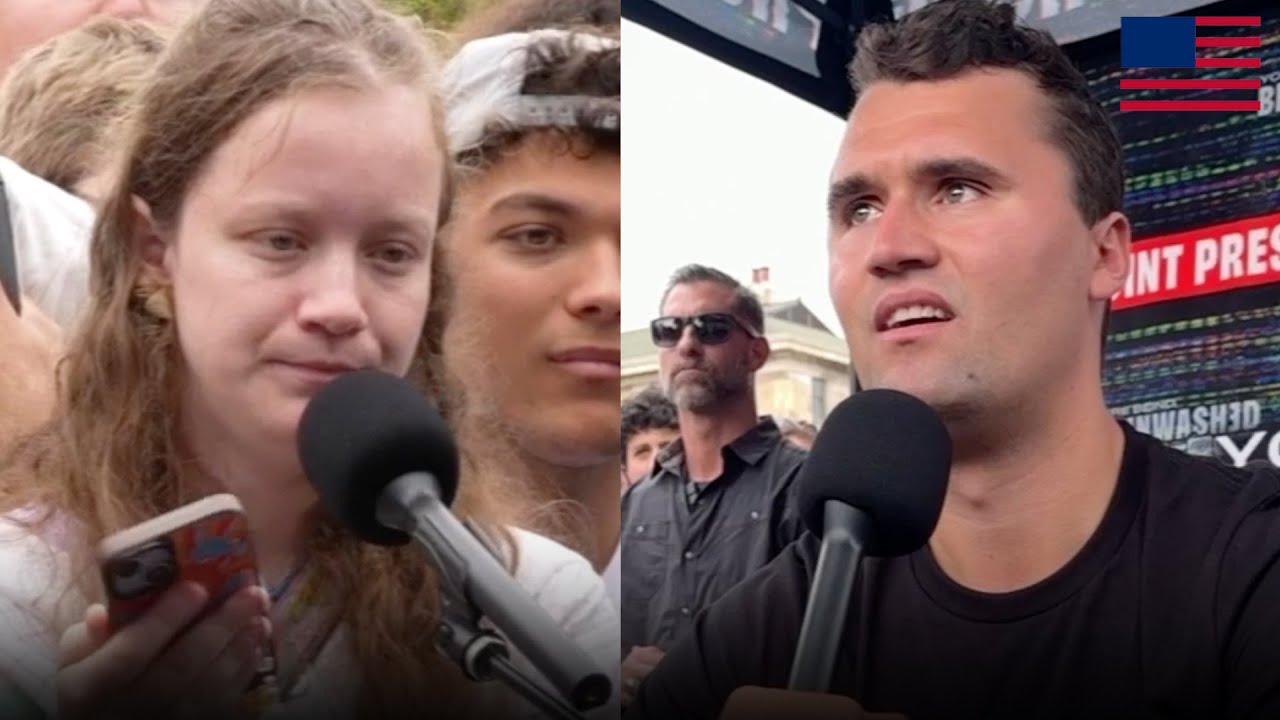
Charlie Kirk engages in a heated exchange with a military veteran and student about whether racism or single fatherhood poses a greater threat to America. The debate covers institutional racism, segregation, the 2020 riots, black-on-black crime in Chicago, and affirmative action. Kirk argues that the absence of fathers in the home is the more pressing issue, while the student insists that systemic racism remains deeply embedded in American institutions. The conversation highlights fundamental disagreements about how to define and measure racism in modern America.
Charlie Kirk challenges a military veteran and student to identify which issue poses a greater threat to America: racism or single fatherhood. The student, who served overseas and wore his military jacket to the event, immediately responds that racism is by far the bigger problem because "racism gets people killed." Kirk presses him to be more specific about single motherhood and fathers leaving the home, but the student maintains his position that racism remains the more destructive force in American society.
Defining Institutional Racism
When Kirk asks for a definition of racism, the student describes it as "a system of oppression used by a certain group using prejudice, institutional power, and it's situated by the media, government, and all these other institutions." Kirk then challenges him to provide a concrete example of something he as a black man cannot do that Kirk as a white man can do in America. The student shares a personal story about being arrested at a Ron DeSantis rally approximately two weeks prior, claiming he was more likely to be arrested for expressing his views as a black person, whether conservative or liberal. He insists he wasn't being disruptive and that the courts even found in his favor.
The Arrest Controversy
Kirk questions whether the student's arrest was due to racism or simply because he was "being a jerk" at a political event. The student denies being disruptive and claims white people would not face the same treatment. Kirk counters by pointing out that white suburban kids, particularly from areas like Highland Park, are actually arrested frequently at such events. The student attributes this to basic math and population demographics, arguing that white people are arrested more simply because there are more white people. Kirk suggests this undermines the claim that the justice system disproportionately targets black people based on race.
Chicago Crime and Segregation
Kirk shifts the conversation to black-on-black crime in Chicago, asking how racism contributes to this violence and how white people are to blame. The student responds by discussing "intra-communal violence," explaining that it's a matter of proximity due to segregation. He argues that when races are separated into different neighborhoods, crime naturally occurs within those communities. He challenges the narrative by asking why white-on-white crime is never discussed with the same scrutiny. Kirk cites specific numbers, noting that of the 530 murders in Chicago in the previous year, well over 420 were black-on-black gang-related crimes, and questions whether racism is to blame for that statistic.
The 2020 Riots as Evidence
The student points to the 2020 race riots that spread across all 50 states and 18 countries as proof that racism remains a major problem in America. Kirk flips this argument, stating it's not evidence of racism but rather evidence of criminality. He argues that "blacks decide to start burning down Wendy's and stealing stuff" is not proof that America is racist. The student insists that people were rioting because racism was a big issue and accuses Kirk of being obtuse by pretending it's not a significant problem. Kirk maintains that living in a country where the worst example of racism someone can provide is being kicked out of a political rally demonstrates just how decent and non-racist America has become.
The Best Measure of a Non-Racist Society
Kirk argues that America is so remarkably decent and non-racist that the best example the student can provide of personal discrimination is being removed from a political event. He contrasts this with truly racist societies where people would say "Charlie, I can't go in a convenience store" or "Charlie, I can't go into school." The student attempts to interrupt multiple times, insisting Kirk is being obtuse about the reality of racism in America. Kirk suggests that if the student behaved at the DeSantis event the way he was behaving during their conversation, he can understand why he was removed.
Affirmative Action as Real Racism
Kirk concludes by presenting what he considers actual examples of institutional racism in America: affirmative action at the university they're standing at, which discriminates against Asian students and white students, and affirmative action hiring practices in the federal government. He argues these are provable forms of systemic discrimination, unlike the abstract claims of racism the student presented. The exchange ends with Kirk reiterating that the student's inability to provide concrete examples of how he is personally restricted by his race proves America is fundamentally a decent, non-racist country, even if imperfect systems like affirmative action create new forms of discrimination.