2,422 videos 1,389,747,653 views US Joined Aug 30, 2018
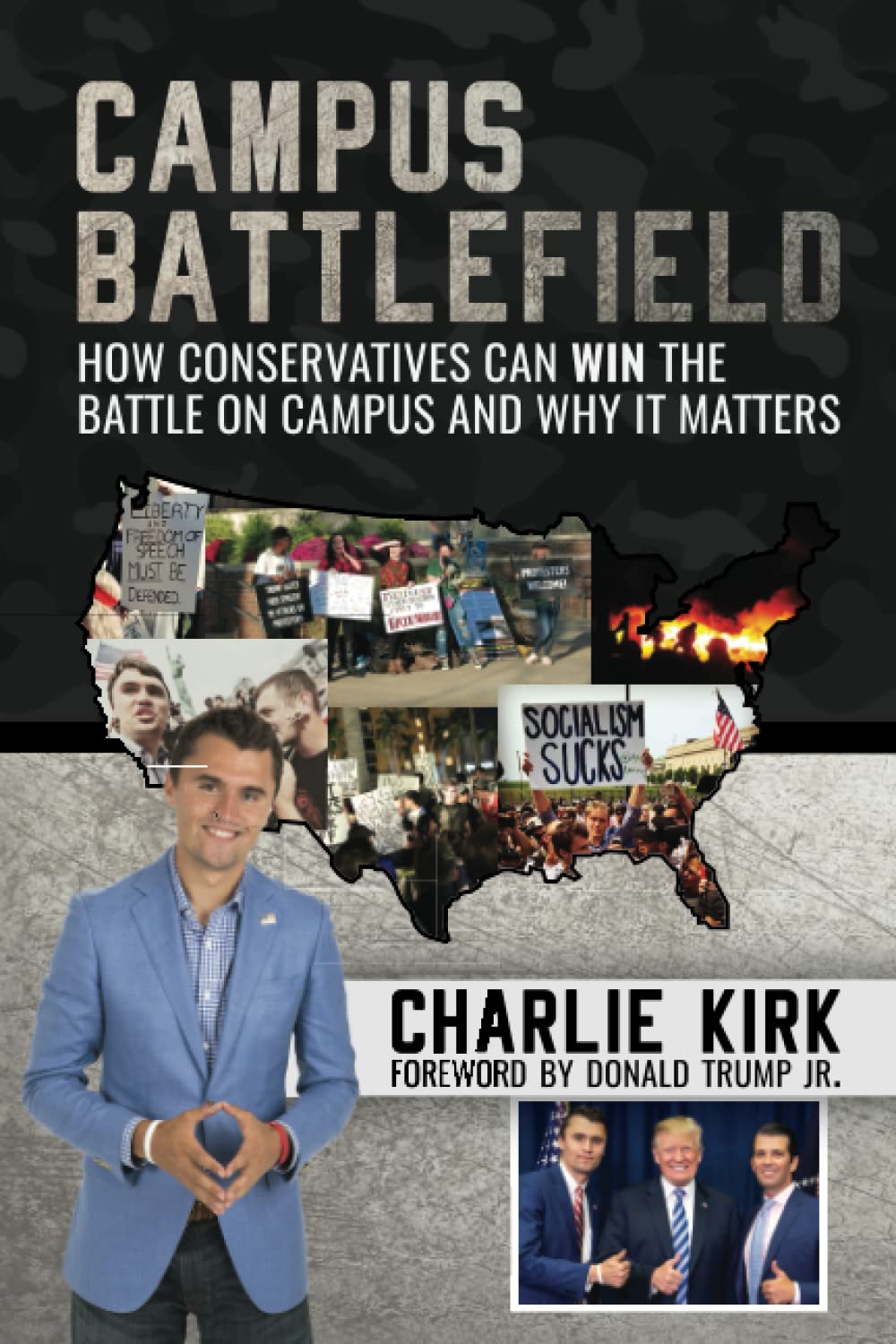
Charlie Kirk is the Founder and President of Turning Point USA, the largest and fastest growing conservative youth activist organization in the country with over 250,000 student members, over 150 full-time staff, and a presence on over 2,000 high school and college campuses nationwide. Charlie is also the Chairman of Students for Trump, which aims to activate one million new college voters on campuses in battleground states in the lead up to the 2020 presidential election. His social media reaches over 100 million people per month and according to Axios, he is one of the "top 10 most engaged" Twitter handles in the world. He is also the host of “The Charlie Kirk Show,” which regularly ranks among the top news shows on Apple podcast charts.
Charlie Kirk Debates Undecided Voter on Trump Versus Democrats: Economy, War, and Unity
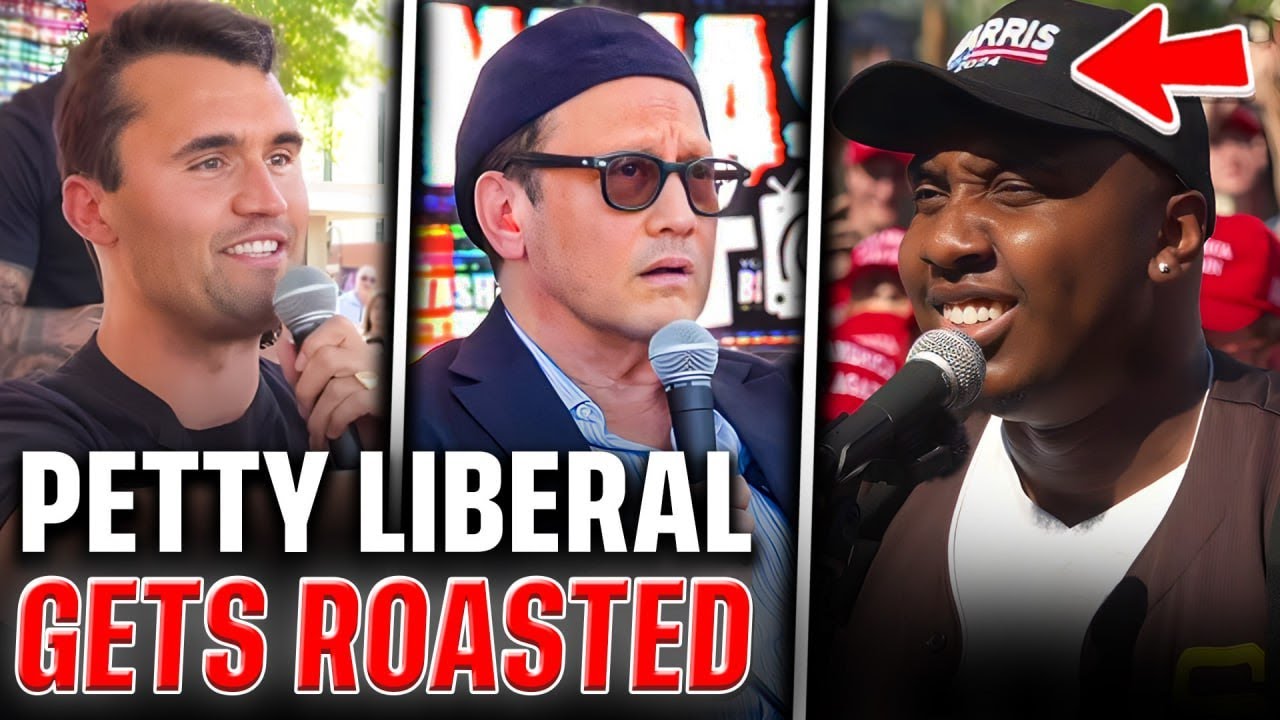
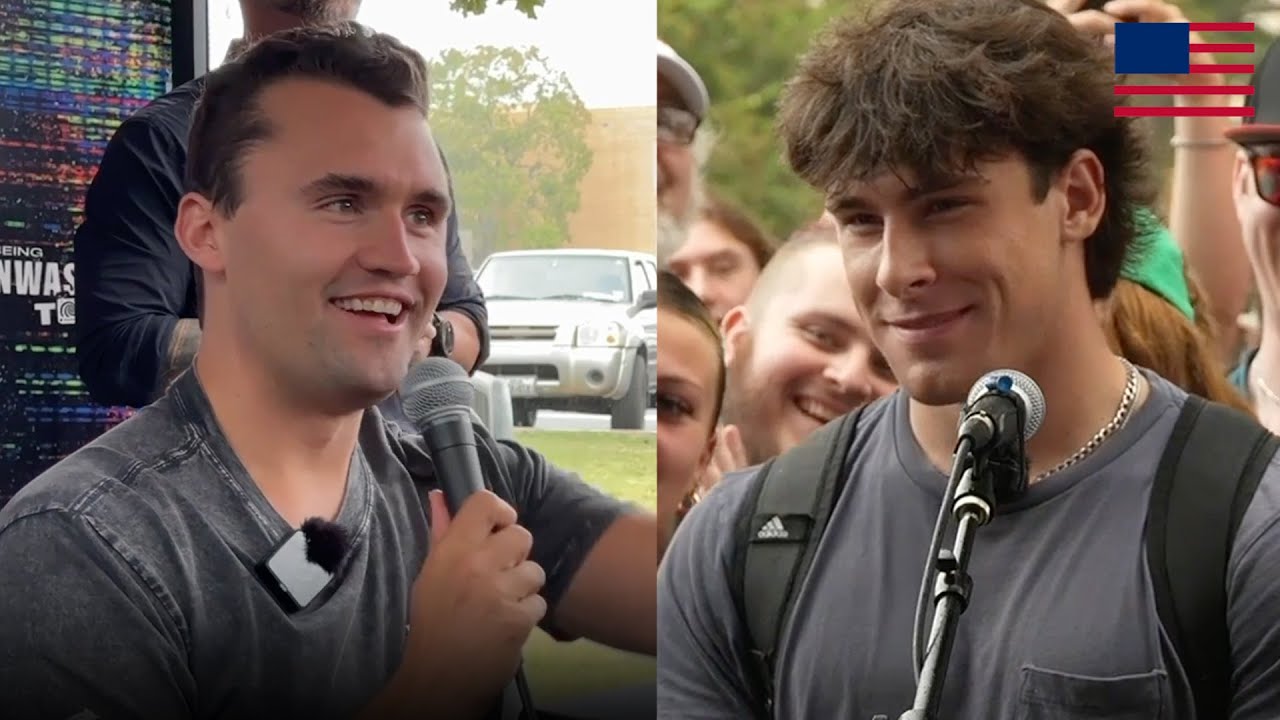
Charlie Kirk engages with Michaela, a young voter who decided to support Democrats after researching both parties. The conversation covers Trump's economic record, business history, military policy, and the Electoral College. Kirk argues Trump delivered lower crime, better economic conditions, and avoided new wars, while former critics worked within the establishment. Michaela raises concerns about Trump's rhetoric and past business failures, leading to a spirited exchange about media narratives, presidential performance metrics, and what truly defines successful leadership.
Charlie Kirk fielded questions from Michaela, a young voter who announced her intention to vote for the Democratic Party despite attending what appeared to be a conservative event. Michaela explained she had only begun researching political issues three days prior and wanted to understand both perspectives before making her decision. Despite some audience reactions, Kirk invited her to share her concerns and asked what convinced her to support Democrats.
Michaela explained that after looking at both party platforms, she found the policy positions strangely similar, particularly on economic issues. She questioned how to determine which party would better implement comparable promises. Kirk responded by pointing to actual presidential records rather than campaign promises.
Economic Performance Under Trump
Kirk asked Michaela to compare which administration—Trump or Biden-Harris—delivered better economic results during their time in office. When Michaela suggested the country was still operating under Trump's tax policy, Kirk clarified that tax policy represents only one component of overall economic management.
Kirk argued that Trump's tax cuts spurred economic growth and constituted the largest middle-class tax cut in American history. He disputed Michaela's citation of future debt projections, explaining she was conflating cumulative debt over multiple years with annualized deficits. Kirk emphasized that Trump's presidency featured the lowest unemployment in decades, rising wages, no inflation, and a housing boom—results he attributed to keeping energy prices low, cutting middle-class taxes, and eliminating excessive regulations.
Kirk noted that 75% of Americans report the economy was better under Trump. When Michaela attempted to credit Obama's policies or blame pandemic conditions, Kirk insisted each administration must take ownership of its economic record. He described Trump's economic performance as an "economic Renaissance" that Americans remember fondly and do not currently experience.
Trump's Business Record
Michaela challenged Trump's credentials as a businessman by pointing to his multiple business bankruptcies. Kirk acknowledged that failure sometimes accompanies business ventures but emphasized that Trump, at 78 years old, has accumulated billions in wealth. While Michaela noted Trump was "born into" his wealth, Kirk countered that Trump received a few million dollars and transformed it into $6 billion—representing one of the greatest returns on investment in history.
Kirk highlighted Trump's role in redefining iconic properties including The Plaza Hotel, the Grand Hyatt, Trump Hotel, and Trump National Doral. He characterized this as an impressive business record that demonstrated Trump's capabilities, though he maintained the more important question was whether Trump served effectively as president.
Controversial Statements and Media Narratives
Michaela raised concerns about Trump's allegedly wanting "generals like Hitler had," a claim she said demonstrated problematic rhetoric. Kirk flatly denied Trump made such a statement, calling it "completely debunked" and noting that three people around Trump said the claim was a complete fabrication.
This exchange illustrated Kirk's broader argument that media narratives surrounding Trump often misrepresent his actual statements and positions. Kirk suggested Michaela should "bring down the noise" and research beyond mainstream propaganda to understand Trump's actual record and positions.
Home Ownership and Quality of Life
When Kirk asked about Michaela's life goals, she shared she was studying Clinical Laboratory Science and Psychology with a minor in Criminal Justice, though she hadn't fully determined her career path. Kirk asked if she wanted to own a home, to which she responded affirmatively.
Kirk presented specific income figures, claiming that under the Harris administration, owning a home requires $135,000 annually, while under Trump it required only $75,000. This comparison aimed to demonstrate the practical, tangible differences in quality of life and economic accessibility between the two administrations.
War and Peace
Kirk asked Michaela if she cared about ending wars, which she confirmed she did. He then asserted that Trump was the first president in 32 years to serve a full term without starting new wars. Kirk cited new wars under Obama, Bush, Clinton, and Biden, contrasting this with Trump's four-year record of no new military conflicts.
This point formed part of Kirk's argument that Trump represents a departure from establishment foreign policy that tends toward military intervention and serves corporate and neoconservative interests rather than American citizens.
The Electoral College and Popular Vote
Michaela mentioned that Trump has not won the popular vote in either of his presidential campaigns, suggesting this diminished his mandate. Kirk rejected this metric entirely, comparing it to arguing a Super Bowl team shouldn't have won because another team gained more yards.
Kirk explained that presidential candidates campaign to win the Electoral College, not the popular vote. He compared the popular vote to irrelevant statistics like total yards in football or field goals kicked—interesting data points, but not the actual winning criteria. The Electoral College, Kirk argued, represents the "ultimate tally of points," making the popular vote count as meaningless as yardage totals when determining the Super Bowl champion.
Unity and Former Democrats Supporting Trump
Kirk emphasized that Trump's 2024 campaign includes two former Democratic presidential candidates: Robert F. Kennedy Jr. and Tulsi Gabbard. When Michaela indicated she was unfamiliar with these figures, Kirk encouraged her to research them, presenting their support as evidence that Trump represents a unifying force bringing together people from across the political spectrum.
Michaela countered by referencing 13 people who worked alongside Trump, including his vice president, who now oppose him. Kirk characterized these individuals as people Trump fired and suggested their opposition proves Trump threatens the establishment system they represent. He argued their criticism demonstrates Trump will give Americans a voice against "war mongers and the neocons and the corporate interests."
Kirk concluded by noting that over 300 former generals and military officers recently endorsed Trump, offering this as a counterweight to Michaela's point about former administration officials who oppose him.
Final Thoughts
Kirk thanked Michaela for her questions and encouraged her to follow conservative media accounts to access alternative perspectives beyond mainstream narratives. While acknowledging the amount of propaganda in the media environment, he invited her to consider Trump's actual record on economic prosperity, crime reduction, and peace—suggesting these tangible results should outweigh concerns about rhetoric or media characterizations.
The exchange demonstrated Kirk's debate style: acknowledging questioners respectfully, redirecting to measurable outcomes rather than rhetoric, and framing Trump as an anti-establishment figure opposed by entrenched interests precisely because he threatens their power.