Charlie Kirk Defends Trump Against Racism Claims and Explains Charlottesville Fine People Controversy
Enjoying this? Share it with someone who needs to see it.
Up Next
Charlie Kirk Warns Tucker Carlson About the Coming Economic Revolt Among Gen Z Americans
2:13:52
Charlie Kirk Defends Trump on Charlottesville and Pushes Back Against Racism Accusations
2:09
Charlie Kirk Dismantles the Very Fine People Hoax and Defends Trump Against Racism Accusations
2:11
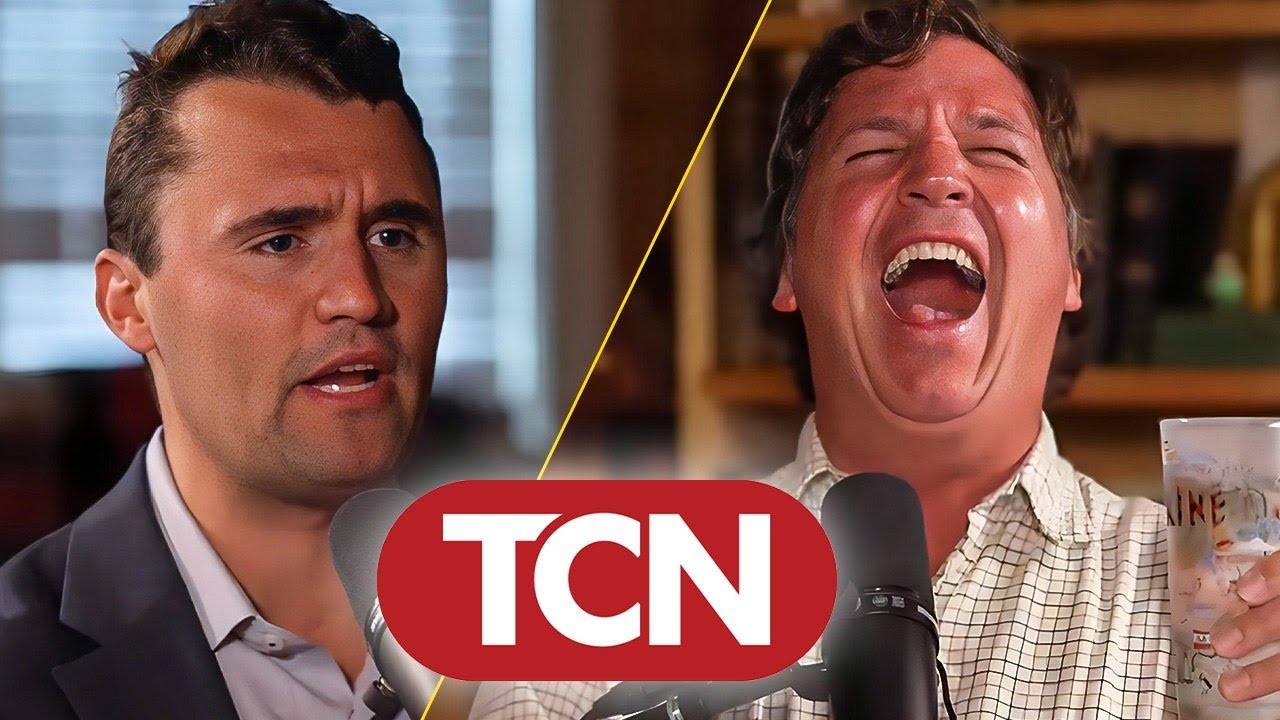
Charlie Kirk Defends Trump Against Racism Claims and Explains Charlottesville Fine People Controversy
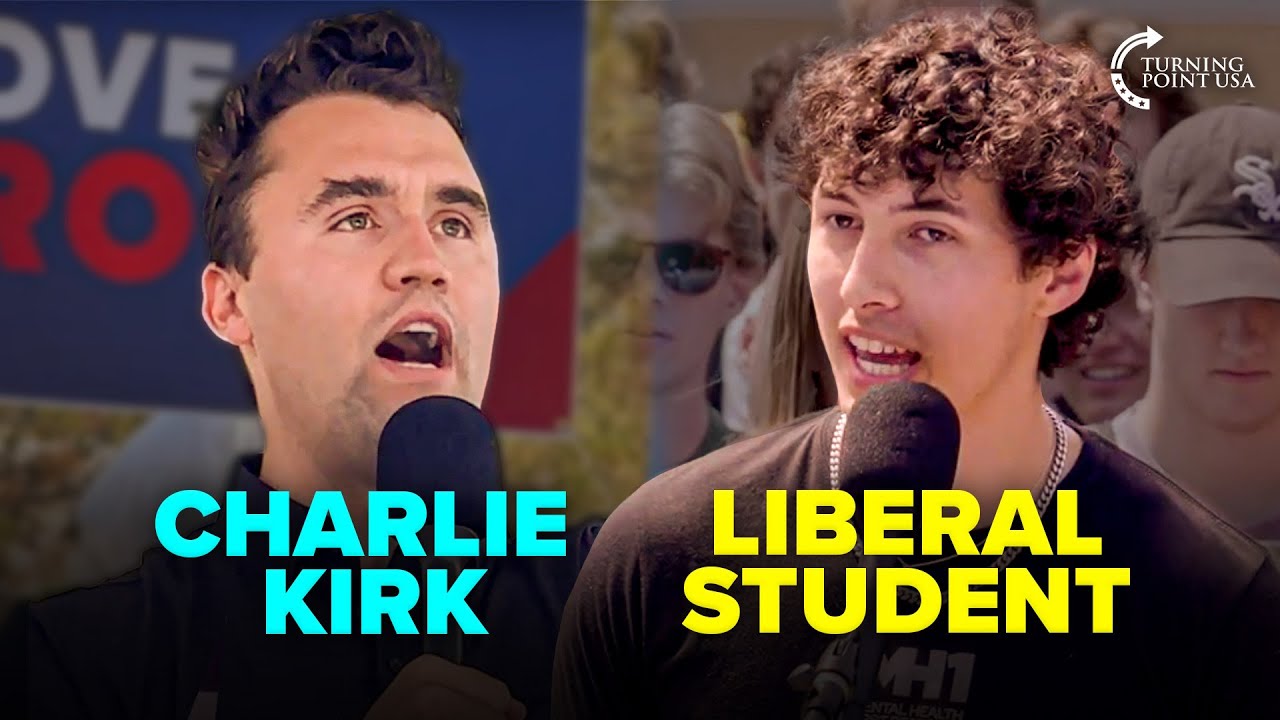
Charlie Kirk addresses one of the most controversial moments in modern politics: the Charlottesville "very fine people" statement. Kirk breaks down the full transcript of what President Trump actually said, distinguishing between those who supported the Robert E. Lee statue and white supremacists whom Trump explicitly condemned. Kirk argues that mischaracterizing Trump's words cheapens the meaning of real racism and hatred. He points to Trump's policy record, including prison reform and opportunity zones directing billions to Black communities, as evidence contradicting accusations of racism. Kirk also discusses how figures like David Duke have actually denounced Trump.
When confronted with the demand to provide examples of Trump condemning white supremacy, Kirk immediately pointed to the widely misunderstood Charlottesville controversy. The "very fine people on both sides" statement has become a touchstone in political debates about Trump's views on race and extremism.
Kirk acknowledged that Trump's initial handling could have been clearer but insisted that examining the full transcript reveals a different story. According to Kirk, Trump distinguished between people who simply supported preserving the Robert E. Lee statue and the white supremacists and Nazis present at the event.
"If you look at the full transcript, he said there are good people on both sides who support the statue, but the Nazis and the white supremacists are the filth of the earth and disgusting," Kirk explained. He challenged his audience to watch the complete clip rather than relying on edited versions or secondhand accounts.
Personal Denunciation of White Supremacy
Kirk made his own position unambiguous, stating clearly that he wants nothing to do with white supremacists, ethno-nationalists, or figures like Richard Spencer. "Richard Spencer is a racist. Richard Spencer's a piece of... He's a horrible, horrible person," Kirk said emphatically.
He extended this denunciation to other white supremacist figures, making clear distinctions between legitimate political disagreement and actual racism. Kirk expressed concern that overusing terms like "racist" and "Nazi" dilutes their meaning and makes it harder to identify and combat genuine hatred.
Trump's Policy Record on Race
To counter accusations of racism against Trump, Kirk pointed to specific policy achievements. He highlighted prison reform legislation that Trump signed, which has helped Black Americans in the criminal justice system. When his debate opponent suggested this only happened because Kim Kardashian visited the White House, Kirk responded: "So he did nothing for celebrity pandering? If celebrity pandering equals good policy, then God bless celebrity pandering, I guess."
Kirk also mentioned Trump's tax bill, which he said redirected billions of dollars of private investment to Black communities in inner cities through opportunity zones. While acknowledging that people might find Trump indelicate or wish he expressed himself differently, Kirk argued these policy outcomes contradict the characterization of Trump as racist.
The Danger of Cheapening Language
A central theme in Kirk's argument was the degradation of powerful terms through overuse. "When you start to use these words, they start to mean nothing," Kirk warned. "All of a sudden, hatred becomes just a pejorative you start to label on everyone."
Kirk expressed genuine concern about this phenomenon: "I'm really afraid as a country we're starting to cheapen real hatred. We're starting to cheapen real racism. That really bothers me."
He suggested that this linguistic inflation actually benefits real extremists. "You know who wants that? The extremists want that. The real hatred people want that. They just do," Kirk said, naming David Duke as an example of someone who represents actual racism.
David Duke's Actual Positions
Kirk pointed out that David Duke, often invoked in discussions about Trump and racism, has taken positions that complicate the narrative. Duke endorsed Tulsi Gabbard, a Democrat running for president, and called Ilhan Omar "the most important member of Congress."
More significantly, according to Kirk, Duke has actually denounced Trump, saying the president "has gone back on what I believe because he has too many Blacks around, he has too many Jews around" and criticizing Trump's support of Israel.
"David Duke has now denounced Donald Trump, and Donald Trump has also denounced David Duke," Kirk concluded, suggesting that the persistent linking of Trump with white supremacists doesn't match the actual positions these extremists hold toward the president.