0:00
Folks, let me tell you about my good friend Todd Nettleton from The Voice of the Martyrs. For over two decades, Todd has risked his life to bring attention
0:07
7 seconds
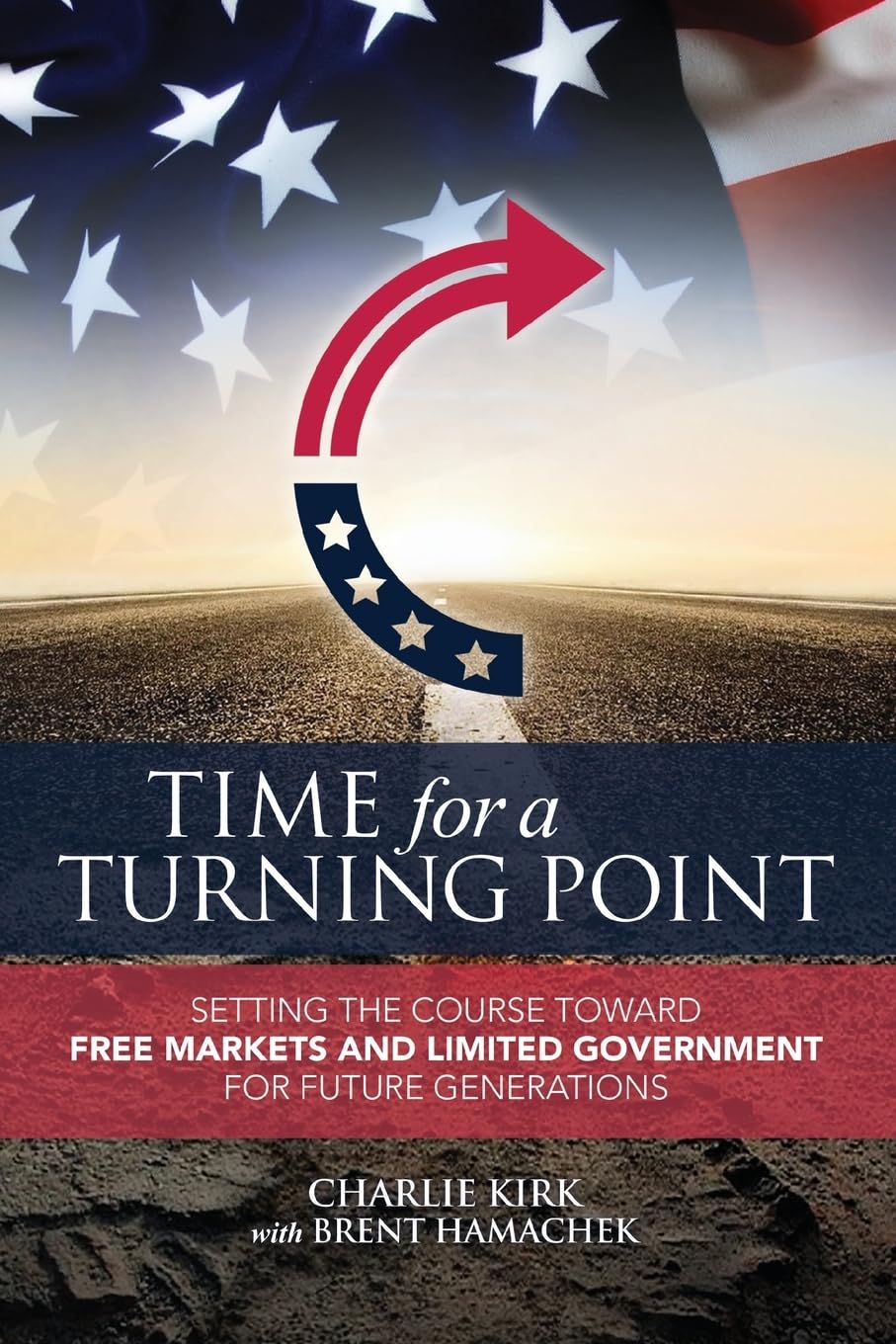
to the persecution of Christians around the world. Now, he's written a powerful book called Faith is Forbidden detailing
0:14
14 seconds
his travels and experiences. As a special gift to my listeners, you can get a free copy of this incredible book by simply clicking the link in the description below or call 844-4643043.
0:30
30 seconds
How are you, Charlie?
0:32
32 seconds
Well, welcome. Well, I hope you're enjoying the state that will always be blue. And the reason why I'm here today
0:40
40 seconds
is because you you are part of the Christian faith. Is that correct?
0:46
46 seconds
Uh Trump claims, do you believe that conservative conservative values are Christian faith based the beliefs of the
0:55
55 seconds
conservative values? Some. Okay. So then for example, Trump uses Christian values for his ideology. Is that correct?
1:05
1 minute, 5 seconds
Not always. Well, most of the time he does. Correct. Not really. No. Okay.
1:10
1 minute, 10 seconds
Well, from what I've seen in my perspective, he Trump claims to be a man of Jesus, of Christian faith. So, well,
1:18
1 minute, 18 seconds
my question is, do you know what? Uh, I believe that Donald Trump is not a he doesn't represent the Christian value.
1:27
1 minute, 27 seconds
the correct way because he has sinned multiple times such as getting a divorce which is a sin which is in Matthew's
1:37
1 minute, 37 seconds
19:16 and we need Jesus and um he also committed adultery which is one of the
1:46
1 minute, 46 seconds
ten commandments when he was in a relationship with Ivana Trump also confirmed by Ivana Trump. So, do you
1:52
1 minute, 52 seconds
think that Donald Trump really should be the face of the Christian religion?
1:59
1 minute, 59 seconds
No. Jesus should be the face of the Christian religion. But but but my No,
2:03
2 minutes, 3 seconds
that's not my question. I've never said Trump should be the face of our religion. Do you think Okay, but do you think that he's just a proper person to be talking about God when himself
2:12
2 minutes, 12 seconds
is not following the rules by God? Trump doesn't talk about God that often. When he talks about God at all in the last year, it's under one context. It's when
2:21
2 minutes, 21 seconds
he says God saved his life when he got shot on July 13th in Butler, Pennsylvania, which is absolutely true.
2:28
2 minutes, 28 seconds
But yeah, anyone can talk about God and but the only face of our religion should be Jesus Christ of Nazareth. Right. And I and I agree with you. But what I'm trying to say is that conservatives,
2:40
2 minutes, 40 seconds
especially Donald Trump, try to use the Christian values to enact laws, such as abortion, for example. They're using the
2:48
2 minutes, 48 seconds
Christian religion to say that it's a bad thing for people to abort stuff. But if somebody is not is also sinning,
2:56
2 minutes, 56 seconds
doing other stuff, then why is that? How does that isn't that being hypocritical of what your beliefs are?
3:04
3 minutes, 4 seconds
Because if the the Bible was written by the Lord and you have also said in one of the debates you had with another student, correct?
3:13
3 minutes, 13 seconds
And if those are the rules given to us by God, then how is somebody breaking
3:20
3 minutes, 20 seconds
the rules but also wants to enforce the same laws that the Lord has given us to follow? We are all sinners and we all fall short of the glory of God, right?
3:29
3 minutes, 29 seconds
Let the first without sin cast the first stone. And yeah, I don't quite understand the question. Can you actually point to me to someone you know
3:36
3 minutes, 36 seconds
that's never sinned? I agree that everybody's a sinner, but I just What is the point of your question? Right. But my what I'm trying to say is that I
3:45
3 minutes, 45 seconds
don't I disagree with the fact that religion is being used to try to enact laws such as banning abortion.
3:54
3 minutes, 54 seconds
Okay. Well, first of all, Donald Trump has never invoked Christianity for that.
3:58
3 minutes, 58 seconds
But I guess we can also just use a biological argument to outlaw abortion.
4:02
4 minutes, 2 seconds
We don't have to use Christianity. When does life begin?
4:08
4 minutes, 8 seconds
Well, right. No, no, you tell me. When does life begin? I think I personally think that life not when you think when it is. When life is is when somebody
4:16
4 minutes, 16 seconds
when the it happens when conception occurs. I agree with you. Okay. So then then it's then then that mean every life should be protected that conception.
4:23
4 minutes, 23 seconds
That's a biological fact, not a one of a Christian faith. Right. Right. But I believe that there's exceptions to I don't I don't agree with it always being
4:32
4 minutes, 32 seconds
that way, such as in the state of rape or incest. I feel like abortion should be wrong. I I don't want to spend too much time. I appreciate your question.
4:39
4 minutes, 39 seconds
Thank you. Let's get to another question. God bless you. Thank you very much. Appreciate your time. Thank you.