Charlie Kirk Explains Why Every Single Policy He Believes In Is A Pro-Life Policy
Enjoying this? Share it with someone who needs to see it.
Up Next
Why Size Doesn't Determine Human Worth: Debunking the Pro-Abortion Size Argument and Grounding Rights in Human Nature
1:26
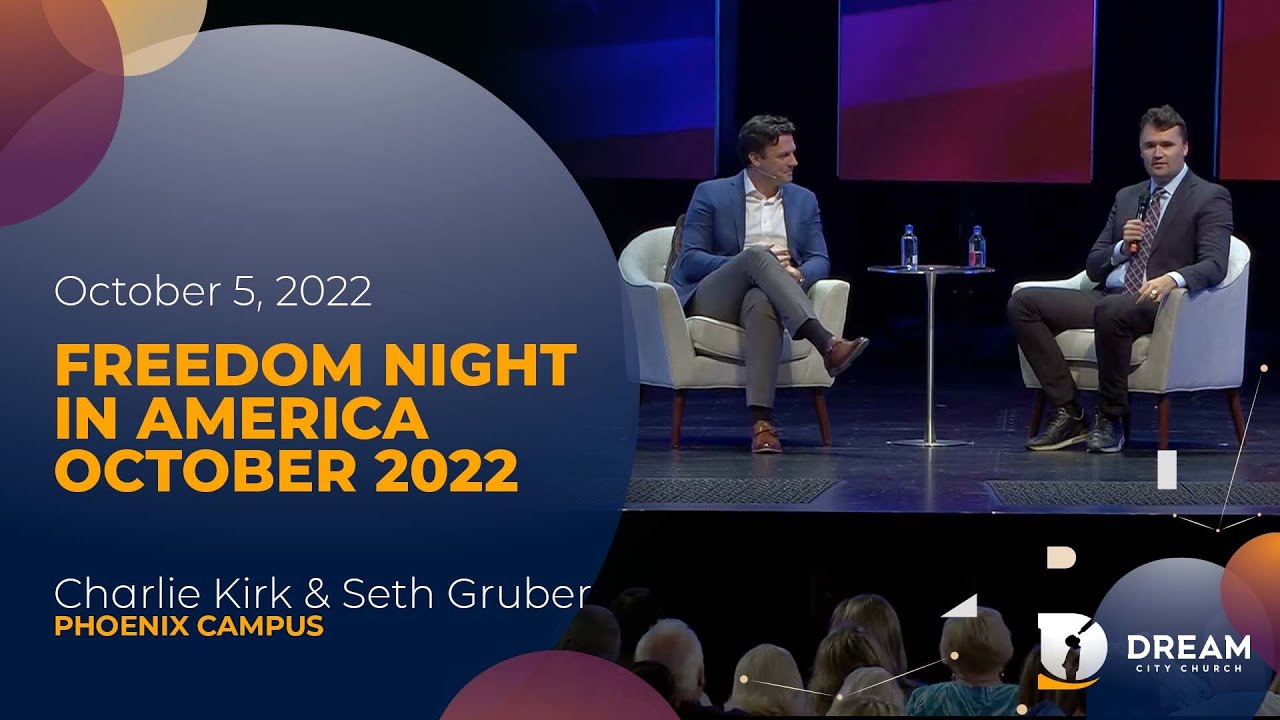
Charlie Kirk and Seth Gruber Expose the Truth About Abortion, Margaret Sanger's Eugenics Legacy, and the White Rose Resistance
1:14:36
Frank Turek and Charlie Kirk: If Your Solution to Your Problem Is a Dead Baby, You Have the Wrong Solution
3:07
Charlie Kirk Explains Why Every Single Policy He Believes In Is A Pro-Life Policy
Charlie Kirk makes a passionate case that being pro-life extends far beyond the abortion debate. From border security to prevent child sex trafficking, to school choice that protects children from harmful ideologies, to economic policies that lift families out of poverty, Kirk argues that every position he holds is rooted in protecting and valuing human life. He challenges those who support abortion to lecture about morality while rejecting what he sees as their hollow claims of compassion.
Charlie Kirk presents a framework that redefines what it means to be pro-life in American politics. Rather than limiting the pro-life stance to a single issue, Kirk argues that every policy position he advocates for stems from a fundamental respect for human dignity and the protection of life at all stages.
Border Security as Child Protection
Kirk begins with border security, framing it as a critical pro-life issue. He advocates for a secure southern border specifically to prevent children from being sex trafficked into the country. This perspective positions immigration enforcement not as an issue of nationalism alone, but as a matter of protecting the most vulnerable from exploitation and abuse.
Public Safety and Community Protection
The call for more police presence on streets represents another dimension of Kirk's pro-life philosophy. He argues that supporting law enforcement is about ensuring that people—particularly children—can safely go to school without the threat of violence. This stance connects public safety directly to the preservation and protection of innocent lives in communities across America.
Educational Freedom and Protecting Children
School choice emerges as a central pro-life issue in Kirk's framework. He advocates for educational options that ensure children can learn to read while being shielded from what he considers harmful content, including critical race theory and pornographic material in schools. For Kirk, protecting children's intellectual and moral development is inseparable from protecting their overall well-being.
Opposition to Medical Procedures on Minors
Kirk takes a strong stance against medical procedures that alter the bodies of minors, particularly targeting the practice of allowing thirteen-year-olds to undergo surgical interventions. He frames this opposition as pro-life, suggesting that pharmaceutical companies financially benefit from procedures that he believes cause irreversible harm to children who cannot fully comprehend the long-term consequences of such decisions.
Economic Prosperity as Human Dignity
Economic policy becomes a pro-life issue in Kirk's analysis through its connection to human dignity and flourishing. He argues that a booming economy lifts people out of poverty, providing them with dignity and opportunities rather than perpetual dependence on government assistance. This perspective suggests that economic freedom and prosperity are essential components of helping people live full, meaningful lives.
Challenging the Opposition's Moral Authority
Kirk directly confronts those who support abortion rights yet claim moral authority to judge his positions. He points out what he sees as a profound inconsistency: people who support the termination of approximately one million unborn children annually attempting to lecture others about morality. Kirk argues that defenders of life through all nine months of pregnancy have no reason to accept moral criticism from those who support abortion.
Rejecting False Premises About Compassion
Addressing criticisms that equate limited government benefits with a lack of compassion, Kirk rejects the premise entirely. He challenges the notion that opposing extensive government welfare programs means opposing care for people in need. Instead, Kirk suggests that his position reflects a belief in human potential—that God has better plans for individuals than perpetual dependence on taxpayer subsidies.
Freedom as the Path to Human Flourishing
Kirk concludes by asserting a foundational belief that every person is made in the image of God and that a free society provides the best environment for human flourishing. This theological and philosophical foundation undergirds his entire policy framework, connecting respect for human life with political and economic freedom as the means by which people can reach their full potential.