Charlie Kirk Explains Why the Great Society Programs Destroyed American Families Across All Races
Enjoying this? Share it with someone who needs to see it.
Up Next
Charlie Kirk on Immigration, Family Breakdown, and Confronting Progressive Ideology at College Campuses Across America
1:15:26
Charlie Kirk Challenges Systemic Racism Narrative with Single Motherhood Statistics and Family Structure Breakdown
8:43
Charlie Kirk Debates College Student on Fatherhood, Crime, and the Crisis in Black America
15:34
Charlie Kirk Explains Why the Great Society Programs Destroyed American Families Across All Races
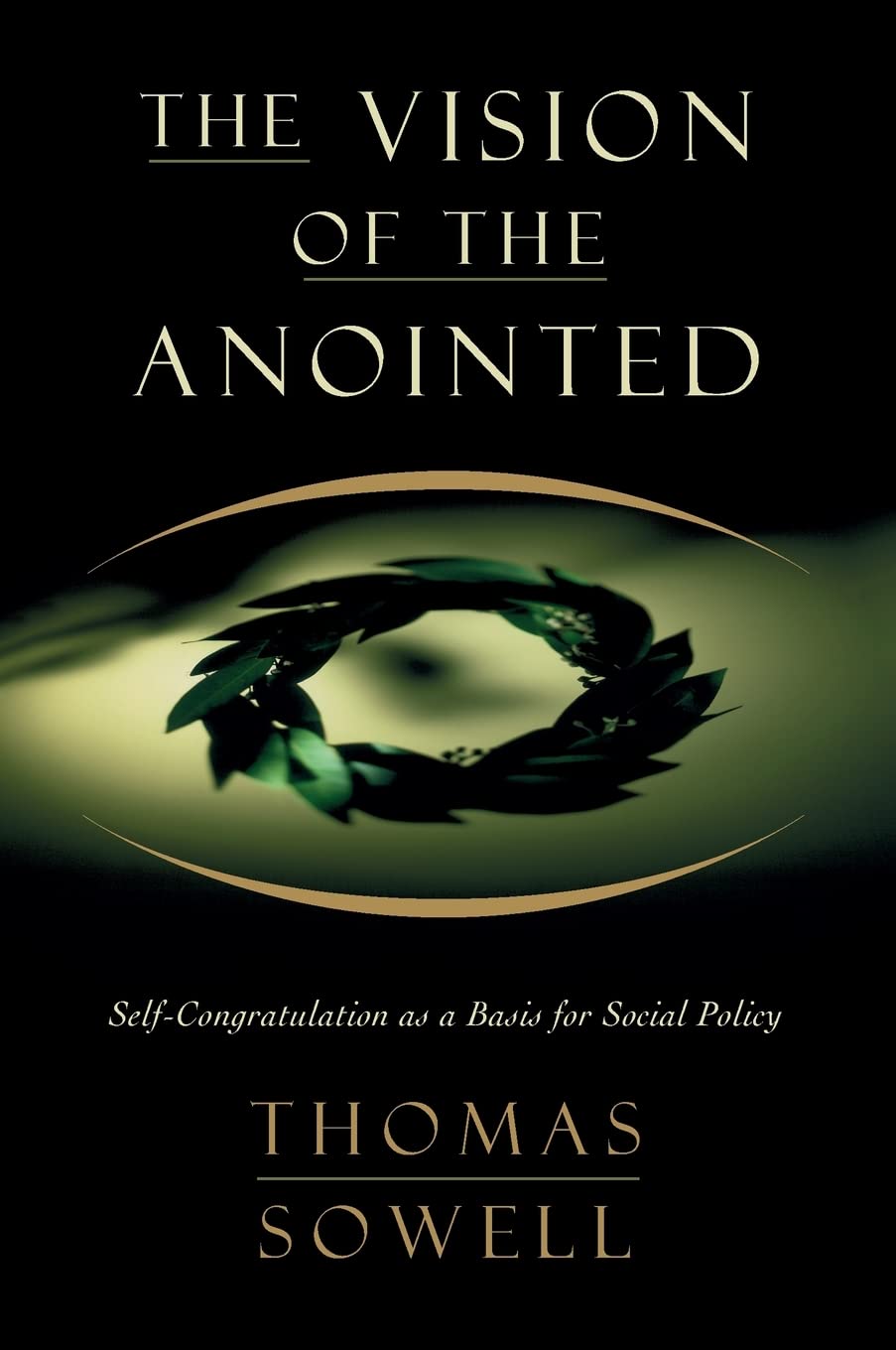
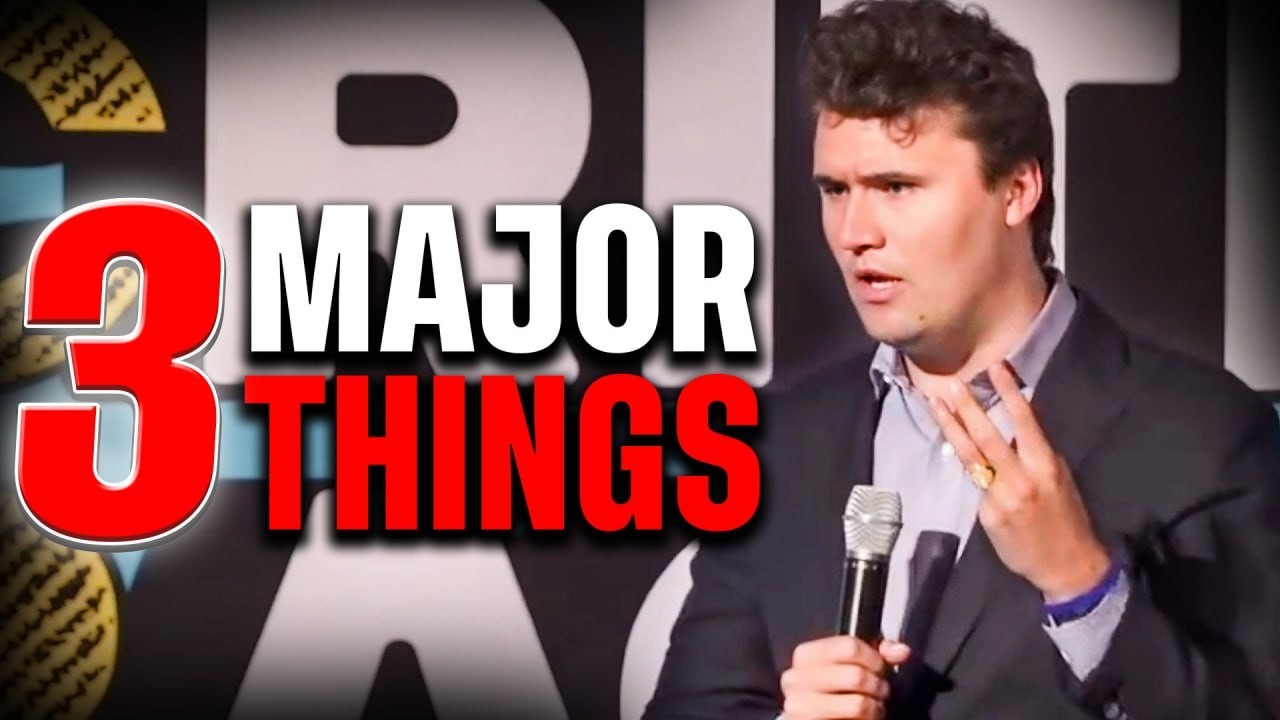
Charlie Kirk addresses a critical question about welfare policies and family breakdown in America. A student raises concerns about the spike in out-of-wedlock births from 15-20% to over 70% in Black communities since the Great Society Act. Kirk confirms the government's damaging role but pushes back on claims of systemic racism, pointing out these programs affected all races equally. He emphasizes that while welfare subsidized single motherhood across demographics, cultural shifts remain the primary driver, recommending Thomas Sowell's research on how Black culture transformed over decades in what it celebrates and platforms.
The Question That Reveals Government's Role in Family Breakdown
A student named Christian posed a thought-provoking question about systemic racism and family structure in America. He pointed to a stark statistic: in 1960, the rate of African-American children born out of wedlock was 15 to 20%, but today that number exceeds 70%. The only major change he could identify was the Great Society Act, which provided welfare to single mothers. Christian wondered if this represented the one clear example of a systemic program that caused measurable harm.
Charlie Kirk acknowledged the legitimacy of the concern but wanted to dig deeper into what truly drove these changes. The conversation moved beyond simple statistics to explore the fundamental question of government intervention versus community and cultural responsibility.
Compassion Versus Government Dependency
Kirk asked Christian if he had ever seen a mother in need struggling to feed her children. When Christian confirmed he had, Kirk asked if he would step in to help. Christian said yes, but emphasized his belief that churches, not the government, should provide such assistance.
Kirk then posed a scenario: if Christian had a wife and children, and something happened to him, and they weren't involved in a church but neighbors knew his wife needed help feeding the children, would he be upset with the government stepping in? Christian said no, he wouldn't be upset, but reiterated his core point—that government intervention created a massive problem, with over 70% of children now born out of wedlock in certain communities.
Culture as the Primary Driver
Kirk agreed that government programs played a significant role but insisted the issue was more cultural than purely governmental. He explained that Black culture over the last 50 to 60 years has changed dramatically in terms of what it elevates and platforms—from musicians to cultural figures. Kirk recommended Thomas Sowell's work, noting that Sowell wrote an entire book examining these cultural transformations.
Christian acknowledged he had heard Kirk discuss Sowell's research before. Kirk emphasized that while the Great Society programs did have a huge impact, they weren't the only factor at play.
The Critical Distinction: All Races Were Affected
Kirk made a crucial point that reframed the entire discussion. The single motherhood programs Christian referenced didn't only affect Black mothers—they helped destroy families across all racial lines, including white families. Kirk explained that if these programs had been exclusively for Black women, that would indeed constitute systemic racism. But they weren't.
The programs incentivized and subsidized single motherhood for all races. While they did have a serious impact on family structure, the fact that they affected everyone equally undermined the argument that they represented systemic racism against one particular group.
Kirk concluded by reaffirming that culture remains the number one driver of family breakdown, even though government welfare policies played an undeniable supporting role in creating the crisis we see today.