Charlie Kirk on Why Optimism Versus Pessimism Misses the Point When Fighting for Truth
Enjoying this? Share it with someone who needs to see it.
Up Next
Young Americans Unite to Preserve Liberty Through Fiscal Responsibility and Free Markets
0:36
Charlie Kirk Defends Trump 2.0, Debates College Critics on Education, Immigration, and Conservative Values on Campus
22:55
Charlie Kirk Dismantles White Privilege Myth with Data on Two-Parent Households and Economic Success
2:48
Charlie Kirk on Why Optimism Versus Pessimism Misses the Point When Fighting for Truth
Charlie Kirk tackles a question he receives constantly: Are you optimistic or pessimistic about America's future? Drawing inspiration from Dennis Prager's approach, Kirk argues that the question itself is irrelevant to the real issue at hand. Whether the odds look good or bad, the obligation to stand up for truth remains unchanged. Kirk challenges the notion that unfavorable circumstances justify inaction, particularly when it comes to confronting those who abuse positions of power. He calls for Americans to recognize that every aspect of life has been politicized by the left, from food to sports to education, and argues that conservatives must respond by becoming activists in every decision they make. Kirk's message is clear: the fight for truth is not conditional on the likelihood of winning.
August 13, 2020
The Real Question Behind Optimism and Pessimism
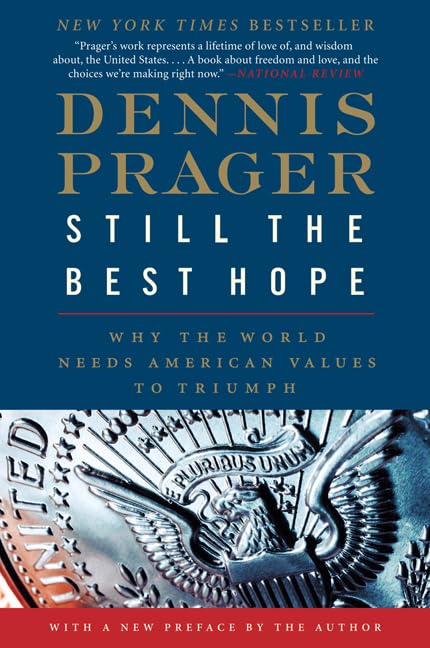
Charlie Kirk addresses a question he frequently encounters: Are you optimistic or pessimistic about the state of America? He credits Dennis Prager with inspiring his approach to this question, recognizing that many people ask it hoping for permission to disengage. Kirk explains that when people ask if he's pessimistic, what they're really asking is whether they can give up now, whether they can stop fighting.
Kirk's honest answer defies simple categorization. He's optimistic about some things and worried about others. But he emphasizes that this assessment is completely irrelevant to whether someone should continue fighting for truth. The question of optimism versus pessimism, Kirk argues, is immaterial to the moral obligation each person has to stand up for what's right.
No Excuse for Inaction
Kirk challenges the logic that unfavorable odds justify silence or inaction. He questions why someone would stop speaking out against injustice simply because their chances of winning appear diminished. He poses a specific scenario: Would you refuse to confront a tyrant teacher exploiting an eight-year-old child because of the child's race, simply because you don't think you'll make a difference? Kirk's answer is unequivocal—that's not an excuse for remaining silent.
Addressing the audience of approximately 2,000 people in the room, Kirk points out that there are thousands of micro tyrants across the country who want nothing more than to use their positions of power to exploit the weak. The solution, he argues, is simple: all it takes is for good people to do something. This principle, Kirk believes, must be applied on a national scale, where Americans refuse to allow such abuses to happen when they witness them, confronting injustice on a micro level wherever it appears.
Everything Has Been Politicized
Kirk expresses frustration with a reality he wishes weren't true: the left has politicized everything. He lists examples—food, fat, sports—emphasizing that no aspect of American life has remained untouched by political ideology. Kirk personally shares that he no longer watches baseball and encourages others to boycott the sport entirely. He describes this decision as sad but necessary, declaring that he's completely done with baseball and has cut it off.
He reflects on how traditional social norms once discouraged bringing politics and religion to the dinner table, but that those boundaries have been obliterated. The left, Kirk argues, has brought politics into everything, which means conservatives must respond in kind.
The Call to Become 24/7 Activists
Kirk issues a direct challenge to his audience: Americans must now become activists in everything they do. This means being intentional about:
Where you shop
What you buy
Where you go to church
How you communicate
Where you send your kids to school
Kirk emphasizes that this activism must be constant—24 hours a day, 7 days a week, 365 days a year. Every single decision, he argues, must reflect your value system. Since the left has touched everything, conservatives cannot afford to leave anything untouched in their response. Every choice becomes an opportunity to live out your worldview and stand for what you believe in.