Charlie Kirk Reflects on His Intense 1-on-25 Jubilee Debate with College Students and TikTok Debaters
Enjoying this? Share it with someone who needs to see it.
Up Next
Charlie Kirk and Tucker Carlson Warn America Against War, Foreign Entanglements, and the Coming 2024 Election Chaos
2:04:00
Charlie Kirk Built the World's Largest Conservative Youth Organization from a Card Table and Conviction
1:35:50
Brandon Tatum Interviews Charlie Kirk on Masculine Leadership and the Conservative Movement at AmericaFest
14:53
Charlie Kirk Reflects on His Intense 1-on-25 Jubilee Debate with College Students and TikTok Debaters
Charlie Kirk opens up about his controversial Jubilee debate where he faced 25 opponents alone in an 85-degree room. Kirk reveals that half the participants weren't typical college students but professional TikTok debaters with massive followings, including one with a master's degree in economics. He addresses the chaotic format, the emotional confrontations, and the viral moments that followed. Kirk also defends Dean, one of his opponents facing cancellation, and discusses whether he'd sit down with Parker again for a more substantive conversation. What started as a debate quickly became a heated battle royale that exposed the challenges of good-faith discourse.
Charlie Kirk discusses his participation in a Jubilee debate that quickly went viral, describing an experience far different from what was advertised. While the format was presented as debating 25 college kids, Kirk reveals that half of them were professional TikTok debaters with significant online followings. One participant had over a million TikTok followers and was pursuing a master's degree in economics—hardly the typical college student one might envision.
Despite feeling the setup was somewhat misleading, Kirk emphasizes he has no hard feelings and will debate anyone, anytime, anywhere. However, he wanted to set the record straight about what he was actually facing that day.
The Physical and Mental Challenge
Kirk describes the debate environment as deliberately challenging. The room was heated to approximately 85 degrees, which he believes was intentional to increase tension. Wearing a suit and sweating profusely throughout the session, Kirk had to maintain his composure while facing 25 fresh opponents without a break.
He compares the experience to having to beat 25 people in one-on-one basketball without rest—each opponent came at him fresh while he had to maintain stamina and focus throughout the entire session. The physical discomfort combined with the mental demands created an extraordinarily difficult situation.
The Red Flag System and Debate Tactics
Kirk found the debate format's red flag system particularly bizarre. Whenever he would make a compelling point, opponents would raise red flags to end that segment of discussion. This prevented sustained examination of any single topic and created a fragmented, chaotic debate environment.
He notes that the participants were highly emotional and constantly tried to change topics. When Kirk would attempt to focus on a specific issue like college policy, debaters would redirect to unrelated philosophical questions or personal attacks, making coherent discussion difficult.
The Parker Phenomenon
One debater who particularly stood out was Parker, a young participant around 20-21 years old. Kirk describes Parker's debate style as disingenuous—speaking rapidly over others, not allowing opponents to finish their points, and refusing to engage with the actual topic at hand.
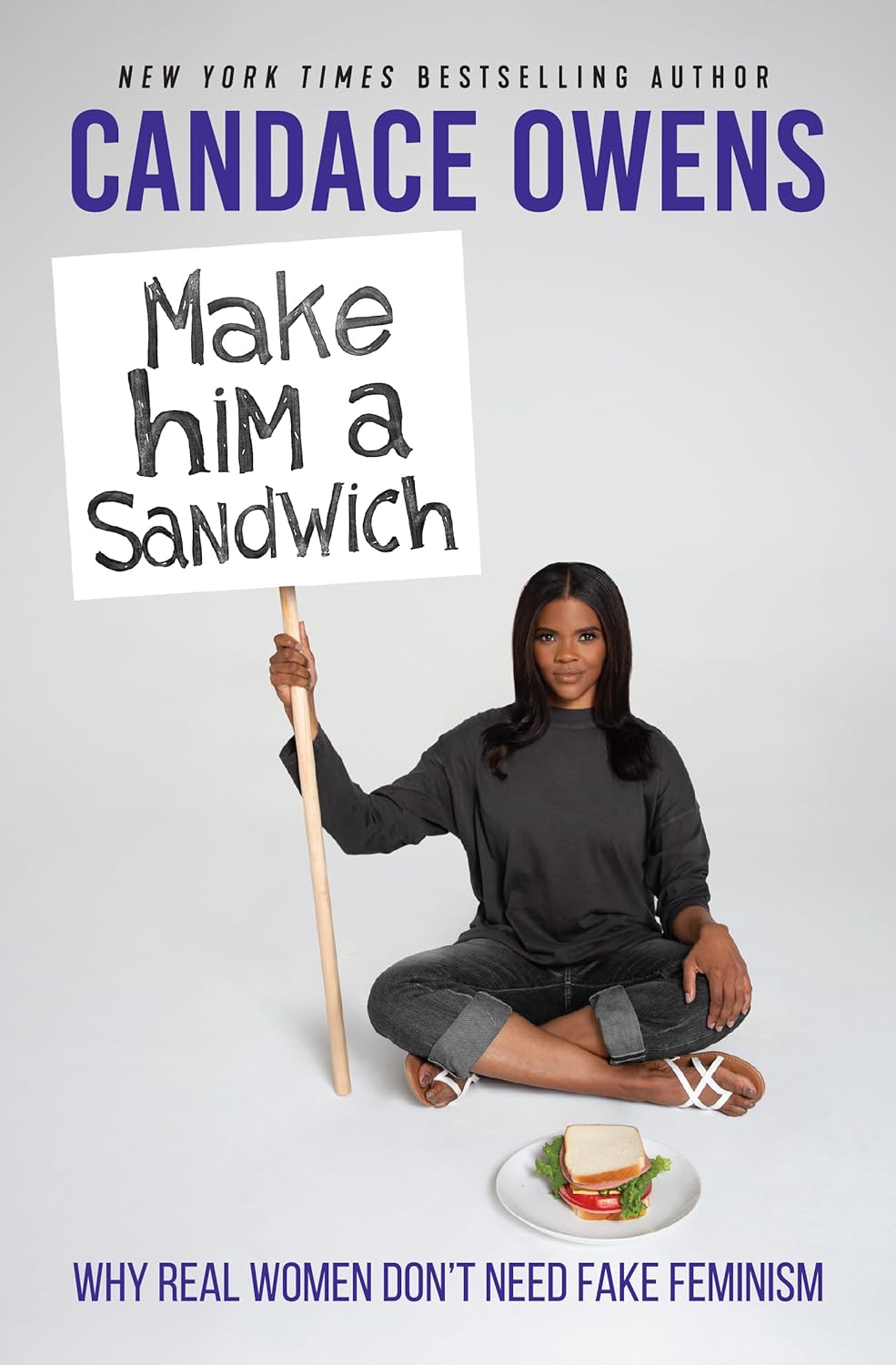
Kirk suggests that Parker's behavior might be reinforced by online encouragement, leading him to believe his confrontational style is effective. However, Kirk sees potential in Parker if he develops better listening skills and genuine engagement with opposing viewpoints. He draws a parallel to Candace Owens, who was once on the opposite side politically but became a powerful conservative voice once she refined her communication approach.
Despite the frustration, Kirk acknowledges Parker's intelligence and passion for debate. He believes that with maturity and development, Parker could channel his skills more productively, though he notes Parker currently operates right on the edge of good faith debating.
Defending Dean Against Cancel Culture
Kirk takes a strong stance defending Dean, another debate participant who faced online cancellation after the video went viral. People discovered Dean had used a racial slur when he was 14, 15, or 16 years old, leading to calls for him to be canceled and for people to disassociate from him.
Kirk firmly opposes this cancellation attempt, stating it's wrong to judge someone for mistakes made as a teenager. He found Dean to be a sweet kid when meeting him in person and intellectually honest in his approach. Kirk believes Dean is more likely to become conservative over time precisely because of his intellectual honesty.
He emphasizes the importance of principled opposition to cancel culture, even when it targets those on the opposite side of the political spectrum. Kirk notes the irony of liberals attempting to cancel Dean while conservatives join in, arguing that we must maintain consistent principles about not destroying people for youthful indiscretions.
The Hidden Chaos: What Cameras Didn't Capture
Kirk reveals aspects of the debate that didn't make the final cut or weren't audible in the recording. Participants were actively heckling him, chanting "come on white boy" and chirping insults throughout. One particularly disturbing moment involved a female participant wishing that Kirk's daughter would be raped—a comment that crossed all lines of civil discourse.
These behind-the-scenes details paint a picture of a debate environment that was far more hostile and personal than what viewers experienced. Kirk had to maintain composure not just against intellectual arguments but against personal attacks on himself and his family.
The College Student Question
Kirk addresses criticism that he "only debates college students," calling this characterization false and unfair. He points to numerous debates with professors and PhD holders, including a two-hour debate on socialism with Ben Burgess, a PhD professor from Georgia.
More fundamentally, Kirk questions why engaging with college students would be considered somehow lesser. These are citizens who can vote, serve in the military, and represent the next generation. They are stakeholders in America's future and deserve to be taken seriously, not talked down to.
Kirk describes how his college campus tours have evolved over the years. His goal isn't to embarrass or punk students but to teach and engage in genuine dialogue. He argues this is no different from what professors do on campus daily—engaging with students on important ideas and issues.
Good Faith Debate and Future Possibilities
Despite the chaos and frustration, Kirk remains open to future conversations with his opponents, with conditions. Dean, he would sit down with readily, given their positive personal interaction and Dean's intellectual honesty. Parker would require demonstrating more maturity and good faith engagement first.
Kirk emphasizes he will talk to anybody, any place, as long as they exist to engage in good faith rather than simply troll. The key is genuine dialogue rather than performative confrontation.
There's discussion of potentially arranging a longer-form conversation between Kirk and Parker in a less adversarial format—without time limits, red flags, or hostile crowds. Such a setting might allow for actual understanding of different viewpoints rather than the battle royale format of the Jubilee debate.
Lessons From the Experience
Kirk reflects that despite the challenges, he's glad he participated in the Jubilee debate. The experience exposed many viewers, particularly young people on the fence politically, to the tactics of emotional argumentation, topic-changing, and gaslighting that often substitute for genuine debate.
While the format was chaotic—with Kirk comparing it to a royal battle where as soon as he landed a good attack another opponent would emerge—the video served an educational purpose. It demonstrated the difference between good faith intellectual engagement and performative debate tactics designed to shut down rather than open up conversation.
The viral nature of the debate, while bringing unwanted consequences for some participants like Dean, also created opportunities for broader discussions about cancel culture, debate ethics, and how we engage across political divides.












Comments
Be the first to comment on this video.