Charlie Kirk Reveals How Donald Trump Hacked the 2024 Election with Low Propensity Voter Strategy
Enjoying this? Share it with someone who needs to see it.
Up Next
Charlie Kirk Issues Urgent Voter Registration Deadline Warning for Arizona and Georgia Voters
8:53
Candace Owens Discusses Outrage Culture, Trump, Black America, and Her Political Awakening on Joe Rogan
2:31:05
Charlie Kirk Reveals How Tik Tok and Young Voters Fueled Trump's Historic Comeback Victory
20:36
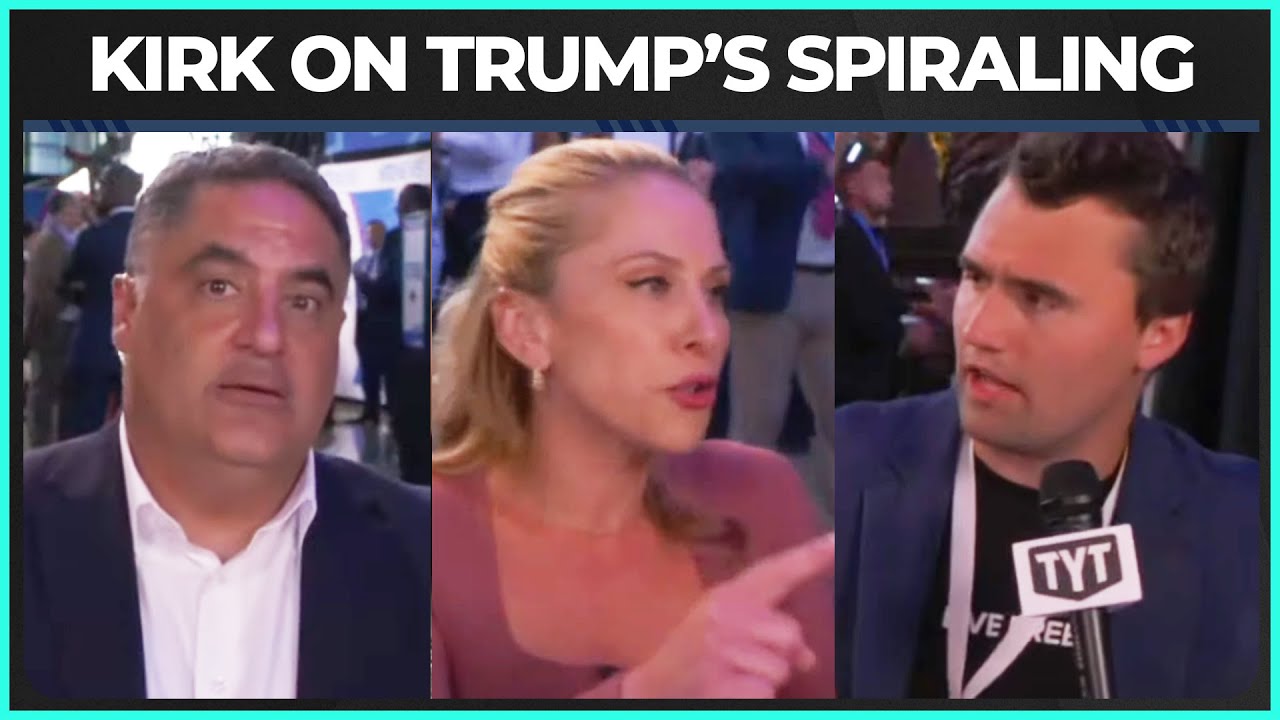
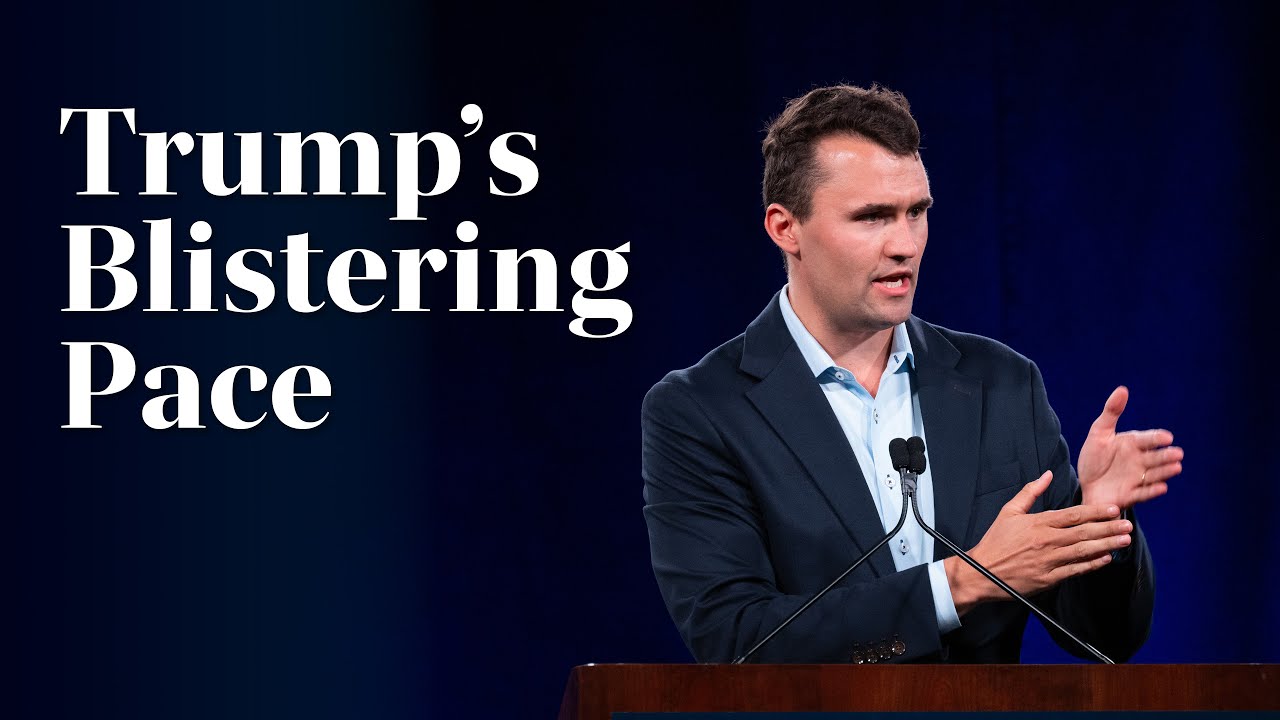
Charlie Kirk Reveals How Donald Trump Hacked the 2024 Election with Low Propensity Voter Strategy
Charlie Kirk breaks down the brilliant campaign strategy that helped Donald Trump win the 2024 election, leaving Chris Cuomo and Patrick Bet-David speechless. Kirk explains how the Trump campaign abandoned the traditional Republican playbook of chasing suburban swing voters and instead focused on expanding the base through low propensity voters, welders, electricians, carpenters, and unregistered young men. By emphasizing masculine politics over racial demographics and dominating the podcast and social media ecosystem with appearances on Joe Rogan, Theo Von, and others, the campaign reached voters where they actually consume information. Kirk shares how Turning Point USA registered thousands of young men at places like Arizona State University and how new voter registration surged 3-to-1 Republican in key states like Pennsylvania.
The Campaign Strategy That Left Political Commentators Speechless
Charlie Kirk stunned Chris Cuomo and Patrick Bet-David when he revealed exactly how Donald Trump's 2024 campaign executed a strategy that fundamentally changed political campaigning. The approach was so effective that it left seasoned political observers in awe.
The Trump campaign made a calculated decision that defied decades of Republican consulting wisdom. Instead of spending countless hours trying to persuade suburban swing voters—which typically requires nine points of contact and extensive conversations—they chose a radically different path.
Abandoning the Traditional Republican Playbook
Kirk explained that the traditional Republican consultant playbook, essentially authored by Karl Rove, focused almost exclusively on high propensity voters. These are typically college-educated suburbanites who earn over $100,000 annually, watch cable news, attend their children's soccer games, and reliably show up to vote.
The Trump campaign threw this playbook out entirely. Instead, they asked a simple but powerful question: Why spend all our time trying to win over the middle 15% of swing voters when we could just make our base bigger?
Targeting Low Propensity Voters
The campaign shifted focus to low propensity voters—welders, electricians, carpenters, police officers, and people who simply weren't registered to vote. These voters consume information differently than high propensity voters. By the time they get home from work, they're not turning on cable news. They're watching NFL football games or scrolling through TikTok on their phones.
Kirk's mandate at Turning Point USA was crystal clear: turn Trump supporters into voters. This meant going to very Republican areas and finding disengaged voters—people who liked Trump and his worldview but weren't participating in the electoral process.
The Arizona State University Success Story
One concrete example of this strategy's effectiveness came at Arizona State University, where Turning Point USA registered thousands of young men to vote in fraternities. This proved far easier and more efficient than trying to win over undecided swing voters.
Kirk noted that this approach was about harvesting support—not ballot harvesting, but harvesting engagement among people who already aligned with Trump's message but hadn't been mobilized to vote.
Gender Over Race: A Demographic Revolution
The Trump campaign's strategic team, including Susie Wiles, James Blair, and Chris LaCivita, made a brilliant observation: gender is a more powerful predictor of political affiliation than race. Whether someone is a man or a woman dictates their political leanings far more than their racial background.
This insight led the campaign to deemphasize racial politics and instead emphasize a masculine, machismo approach. Running against a woman candidate made this strategy even more effective.
The Voter Registration Surge
Kirk identified the moment when he became confident about Trump's victory: the summer voter registration surge. New voters were registering at a 3-to-1 clip favoring Republicans versus Democrats across the country.
Pennsylvania provided a particularly striking example. For the first time ever, Republicans were out-registering Democrats in every county in Pennsylvania. Ironically, Governor Josh Shapiro's Motor Voter program—which automatically registers people to vote when they get their driver's license—actually helped Republicans because it captured lower propensity voters who traditionally hadn't been registered.
Hacking the Information War
Kirk described how the Trump campaign "hacked the 2024 election" by recognizing that everyone carries a supercomputer in their right-hand pocket. Why worry about what CNN or MSNBC is saying when you can win the information war directly?
The campaign executed the most ambitious low propensity voter communication strategy ever attempted, with Trump appearing on Theo Von, Joe Rogan, Nelk Boys, Logan Paul, and numerous other influencer platforms. These appearances reached voters where they actually consume information, not where political consultants think they should.
A Strategy That Changes Everything
The brilliance of this approach was in recognizing an untapped reservoir of support and creating efficient pathways to mobilize it. Rather than the exhausting work of persuading skeptical swing voters, the campaign energized people who already supported Trump's worldview but needed activation.
Kirk concluded that this campaign's vision, effectiveness, and efficiency gives him confidence in the Trump Administration's ability to make decisions on behalf of the American people and fix government to work for citizens again.