Charlie Kirk: The Greatest Threat to Western Civilization Isn't What You Think It Is
Enjoying this? Share it with someone who needs to see it.
Up Next
Charlie Kirk on the Most Important Question in Politics: Are People Inherently Good?
2:26
Charlie Kirk on Why Christians Must Contest for Liberty and Reshape American Culture Through Biblical Truth
51:59
Charlie Kirk Debates College Students on Why Democracy Is Not an American Value
10:33
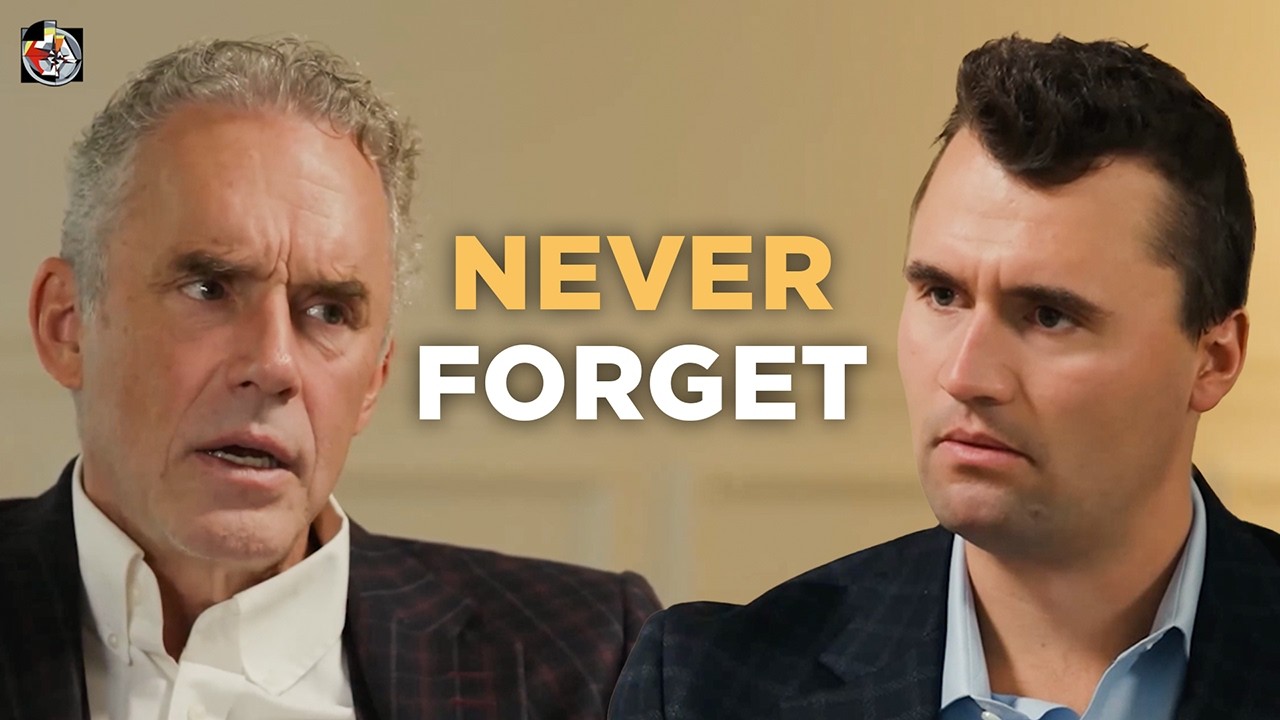
Charlie Kirk: The Greatest Threat to Western Civilization Isn't What You Think It Is
American college campuses pose a more significant danger to Western civilization than any foreign adversary or Washington dysfunction. A generation has been taught that America and the West are fundamentally flawed, missing the wisdom behind their design. The Founding Fathers didn't aim for perfection or utopia, they created a decentralized system built on humility, acknowledging human nature's flaws while guarding against catastrophic failure. This conversation explores why understanding this foundation matters more than ever, and how recognizing our limitations might be the key to preserving what works.
The greatest threat to Western civilization isn't found in geopolitical tensions or the chaos of Washington DC. It's happening on American college campuses, where an entire generation has been taught to believe that America is a mistake and everything about the West is fundamentally wrong.
This indoctrination represents a deeper crisis than political dysfunction or foreign adversaries because it attacks the foundational understanding of why Western systems were built the way they were. When young people are taught only to see flaws without understanding the wisdom embedded in Western institutions, they lose sight of what made these systems work in the first place.
America as the Best Worst Model
The reality is that America is imperfect—just like every other human system. Life involves struggle and suffering, and every civilization represents an attempt to manage that reality. The question isn't whether America is flawless, but whether it's "the best worst model that is possible."
This framing acknowledges reality: no system is perfect, but some systems handle human imperfection better than others. The genius of the American system lies not in its perfection but in how it accounts for inevitable human failure.
The Founding Fathers' Stroke of Genius
What made the Founding Fathers remarkable wasn't optimism about human nature—it was their realism. They understood fundamental truths about human systems:
People are flawed
Systems become corrupted
Civilizations decline
Things fall apart
Rather than denying these realities, they asked a different question: How do we decentralize power to the furthest extent possible so that we have a hedge against these inevitabilities?
This represents the fundamental stroke of genius in American design. The question wasn't "How can we bring about utopia?" but rather "How can we design a system that idiots can't screw up too badly, given that we're all idiots?"
Real Wisdom and Real Humility
This approach to governance reflects both wisdom and humility. It means not overreaching, not presuming to know enough to bring about heaven on earth. Instead, it focuses on a more modest but achievable goal: staving off the worst excesses of hell.
This humility is what's missing in current discourse. When students are taught that America is simply a mistake without understanding the wisdom behind its design, they lose the ability to appreciate why decentralization of power matters, why checks and balances exist, and why the system was built to function even when run by imperfect people.
The challenge facing Western civilization isn't just political—it's philosophical. It's about whether future generations will understand the wisdom embedded in systems designed not for perfect people in a perfect world, but for flawed people in a flawed world, with the goal of making that world as livable as possible.