Up Next

Dave Smith Reflects on His Debate with Douglas Murray and the Collapse of Neoconservative Credibility
2:19:14

Tucker Carlson Warns Donald Trump Against War With Iran Despite Media Pressure and Netanyahu Push
1:46:46

Candace Owens Exposes Elon Musk's Fraud, Israel's War Propaganda and Trump's Dangerous Path to Legacy Destruction
1:15:51
Joe Rogan and Michael Shellenberger Analyze Trump's Iran Strike, ICE Crisis, and America's New Paradigm
Joe Rogan and Michael Shellenberger dissect Trump's controversial Iran strike, questioning the motives and implications of military action against a regime accused of nuclear ambitions. They examine the chaos surrounding ICE operations, including the Alex Prey shooting in Minneapolis, and explore how untrained agents with seven-week training periods and $50,000 signing bonuses contributed to public backlash. The conversation traces how organized, paid protests, social media radicalization, and San Francisco's $24 billion homeless crisis reveal a deeper rot in progressive governance, from the collapse of the post-war foreign policy establishment to the death of the rules-based international order.
Trump's Iran Strike and the End of the Post-War Order
Joe Rogan opened by asking Michael Shellenberger about his communications with Trump and thoughts on the sudden Iran military action. Shellenberger responded with surprise, noting Trump's November national security strategy had celebrated degrading Iran's capacity with no hint of further strikes. He argued the Iran attack marked the end of the older post-war paradigm—the rules-based international order built around UN Security Council consensus and congressional approval is now gone. Canadian Prime Minister Mark Carney articulated this shift more clearly than Trump's own team, while AOC's attempt at the Munich Security Conference fell apart. Shellenberger suggested Trump is asserting American power without necessarily pursuing regime change—he's simply replacing negotiation partners when deals stall, shaking up the table rather than committing to long-term nation-building.
Rogan questioned why Trump would act on Iran when intelligence reportedly showed their nuclear program had been degraded. Shellenberger explained Trump viewed the Democratic approach as too patient—he was unsatisfied with negotiations and decided to change the person he was negotiating with by removing Iranian leadership. Whether this results in regime change remains unclear; Trump's team hasn't explained their strategy well because they're acting without detailed second-order thinking. The older foreign policy establishment—think tanks, State Department planning, international agreements—has become irrelevant under this presidency, and Shellenberger doubts it will return even under future Democratic leaders like Gavin Newsom.
Trump's Independence and Influence Questions
When Rogan suggested Israel's interests might be driving policy, Shellenberger pushed back, arguing Trump operates independently despite pressure from various quarters. He pointed to Elon Musk contributing $250 million to Trump's campaign yet failing to secure the electric car credit he wanted—evidence Trump makes his own calls. Netanyahu may have visited the White House frequently, and Secretary of State Rubio hinted Israel would have acted anyway, but Shellenberger maintained Trump is fully in charge. Tucker Carlson also had White House access, but judging by outcomes, his influence pales compared to Netanyahu's.
Rogan remained skeptical, asking if people aren't influencing Trump given the war hawks around him. Shellenberger acknowledged the possibility but insisted no evidence shows Trump is controlled by Russians, Israelis, or anyone else. When you don't have evidence of something, you can't assume it's happening. Trump's been through relentless investigations and attacks—if anyone had leverage over him, it would have surfaced by now. The Iran strike fits Trump's long-standing position: he opposed Iran having nuclear weapons for years before his 2016 run, consistently criticizing the Obama administration's sanctions-for-compliance framework that allowed Iran to enrich uranium under international law.
The Threat of Domestic Terror Attacks
Rogan raised concerns about leaked transmissions suggesting activation of Iranian terror cells in response to the strikes. Shellenberger wasn't surprised, noting the first thing he thought was whether Americans would face Iranian suicide bombers or more destructive attacks. Sean Ryan's podcast guests have warned that people from the Middle East entered through the four-year open border, potentially bringing heavy artillery. Shellenberger hoped intelligence agencies have some understanding of the threat level, though he noted terrorists can inflict massive damage with simple rifles—the French nightclub attack saw gunmen kill dozens while bomb-makers killed only one or two each.
If domestic terror attacks occur, Shellenberger predicted American support for the war would drop rather than rise. The reason most Americans initially opposed the Iran strike was fear it would become another endless war and bring terrorist violence to U.S. soil. Trump's approach differs from past interventions—he's not committing to regime change or nation-building, just asserting power and demanding better deals. The Venezuela operation followed the same pattern: Trump recognized the opposition leader Machado lacked sufficient support and cut her loose, acknowledging there's no unified opposition figure with street credibility who can take power.
Reagan's Legacy and Regime Change Doubts
Shellenberger admitted mixed feelings about Trump's strategy, recalling how he opposed Reagan's actions in the 1980s as a leftist but now recognizes Reagan pushed back against communism with moral arguments that helped bring down an evil, soul-crushing totalitarian system. The Iranian regime is similarly evil and awful, inspiring videos of courageous protesters risking their lives. Yet Iran's population includes many radical Muslims—the 1979 revolution saw the left ally with Islamists against the Shah, who was modernizing the country with oil wealth but also increasing inequality and state repression through intelligence services. The Ayatollah promised liberals more freedom, then consolidated hardline Islamist control once in power.
Venezuela and Iran both lack unified opposition movements. In 1979, Iranian protesters had a clear leader in the Ayatollah; today there's no equivalent figure. Trump acknowledged this reality, unlike the Biden administration's open society establishment that tried to push Machado in Venezuela. Shellenberger suspects Trump's calls for Iranians to rise up are half-hearted—he knows regime change is unlikely without material support, which the administration shows no signs of offering. He speculated Trump's actual strategy is to keep killing Iranian leaders until someone emerges willing to negotiate acceptable terms.
AI-Powered Autonomous Weapons and Tech Company Splits
Rogan shifted to AI powering autonomous weapons, noting Anthropic's initial hesitance to work with the Department of Defense. Shellenberger confirmed this is happening, pointing to OpenAI's head of autonomous weapons resigning days earlier. A rift has emerged in the tech sector: Sam Altman and Elon Musk support DoD collaboration, while Anthropic broke away, prompting Treasury Secretary Hexath to threaten punishment. This reflects Trump's nationalist vision where security strategy, economic strategy, border strategy, industrial strategy, and trade strategy merge into one coherent whole—you're either asserting power and leveraging demands or engaged in managed decline.
Shellenberger expressed mixed feelings on this nationalist approach. Part of him favors investing at home over regime change and foreign bombing—America has "skid road to clean up" domestically. Yet he also sees value in defending Western civilization, liberal values, and institutions that nobody defended under Biden's open borders and blank-check Ukraine policy. Trump at minimum takes responsibility where Biden hid behind "working with our allies" rhetoric. The working class elected Trump to show strength and demand better returns on investments in protecting allies, making Western exceptionalism worth defending again.
Ukraine War and America's National Interest
Rogan questioned why the Ukraine war continues when the U.S. could cut a deal at current border lines. Shellenberger agreed, seeing no American working-class interest in prolonging the conflict—if Washington stopped arming Ukraine, the war would end. He suspects Trump is simply annoyed with Putin rather than committed to endless support. This differs fundamentally from the 1945-2024 paradigm where Security Council approval, congressional authorization, and international agreements governed military action. That system failed and became totalitarian, weaponizing intelligence communities and creating the censorship industrial complex under the guise of liberal tolerance.
Biden's Open Border and Voter Import Theory
When Rogan suggested Biden's open border aimed to import Democratic voters by increasing blue state populations for congressional seats and eventual citizenship paths, Shellenberger partially agreed. The New York Times investigated why Biden left borders open, concluding he was "out of it" with no clear decision-making meeting—Biden simply wanted to give the left what Soros think tanks and progressive immigration groups advocated, the same approach he took on climate. Elon Musk emphasizes the voter-import angle, but Shellenberger questioned whether it's even a good strategy, noting Latinos don't automatically vote Democrat and polling by David Shore showed if all eligible voters had voted, Trump would have won by three points instead of 1.5.
Rogan challenged claims that requiring voter ID is making voting "harder," pointing out mail-in voting has always been a fraud vector and California's law prohibiting ID checks has no charitable explanation beyond enabling fraud. Shellenberger shared a video where UC Berkeley liberals argued against voter ID because "black people don't have IDs," then the filmmaker went to Harlem where every black person interviewed had ID and found the premise insulting. The contradiction became stark during COVID when vaccine passports required ID for work, planes, and restaurants—progressives demanded ID everywhere except voting booths.
San Francisco's Homelessness Industrial Complex
Rogan noted California's $24 billion homeless spending with zero accountability and vetoed audits. Shellenberger responded that his students analyzed this like Canada's euthanasia program—the numbers keep rising because service providers have wrong incentives. Homeless organizations celebrate serving more people each year, just as Canadian euthanasia advocates tout increasing death numbers as success. San Francisco spends between $110,000-$120,000 per homeless person annually (Los Angeles spends around $25,000), not counting California's $24 billion, funding single-room-occupancy hotel owners and nonprofits that deliver food, alcohol, and drug paraphernalia, making it easier for people to die in tents. San Francisco proved it's very expensive to kill that many people this way.
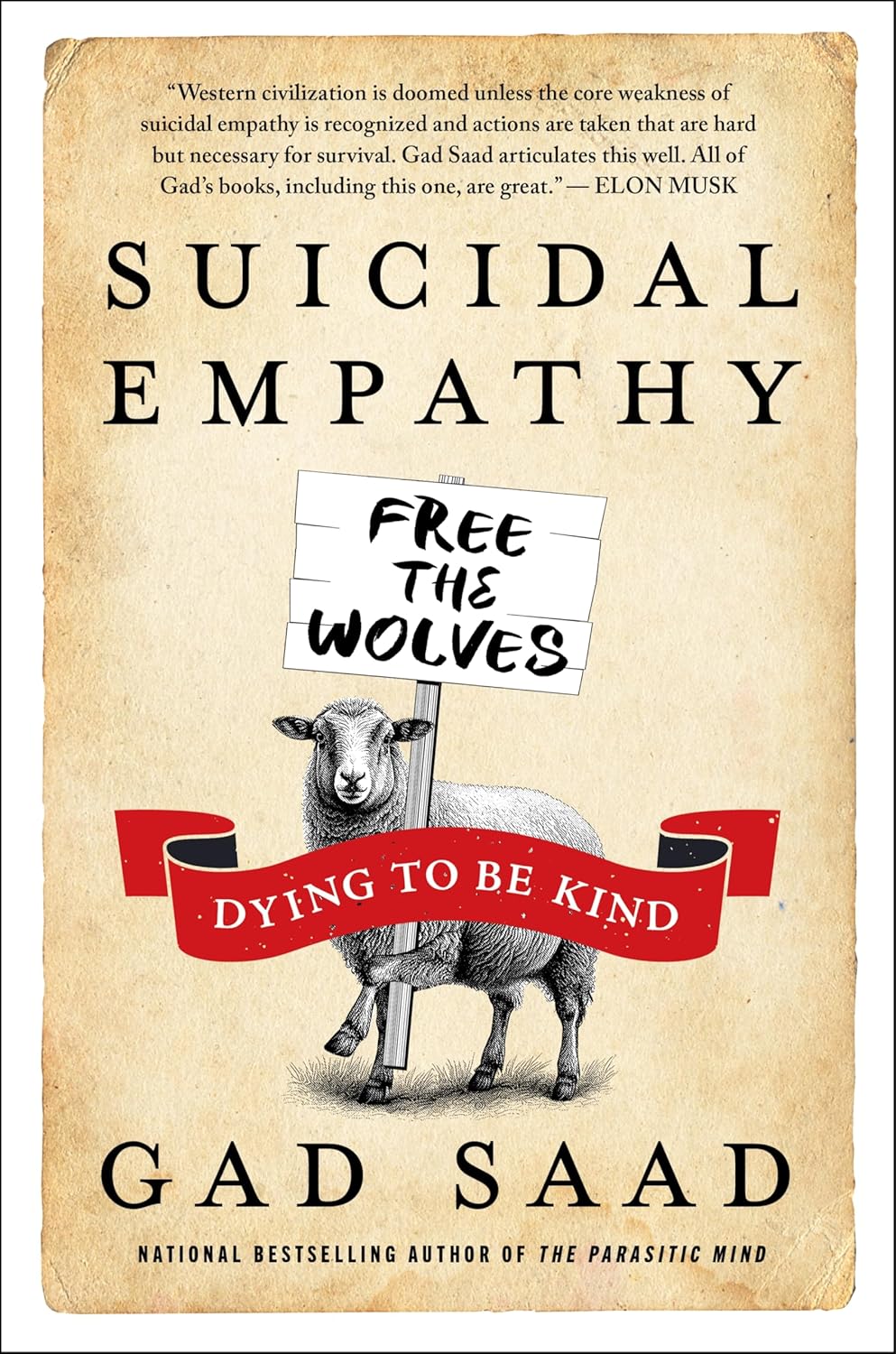
Colon Noir visited San Francisco asking if they needed money; a lawyer explained some organizations make $4 million yearly addressing homelessness that only worsens. Zero incentive exists to improve outcomes when your budget grows with the problem. Most money goes to "permanent supportive housing"—propaganda language for temporary warehousing where addicts die in crummy single-room-occupancy motels. All that money should have funded centralized addiction and psychiatric care like old Calich institutions. Instead, it incentivizes street living, hard drug use, and overdose deaths. Shellenberger rejected Gad Saad's "suicidal empathy" framing—it's neither suicidal nor empathic since it shows no empathy for victims of violence and crime.
The ICE Crisis: Alex Prey, Minneapolis, and Untrained Agents
Rogan described the Alex Prey shooting as a complete cluster, noting the narrative suggests an accidental discharge when ICE officers pulled Prey's gun away, combined with chaos leading officers to think Prey still had the weapon. Multiple law enforcement mistakes occurred, but Shellenberger emphasized Prey's reckless behavior—kicking out an ICE vehicle taillight with a gun hidden in his jacket waistband, intervening physically in an arrest situation. Some people called it suicide by cop. Rogan noted the ICE officer shoved a woman, prompting Prey's intervention, with pepper spray escalating the confrontation.
Shellenberger argued Prey should have filmed the incident rather than physically intervening, following the nonviolent left-wing tradition of Gandhi and King. Rogan countered that Minneapolis featured organized, paid protests, not civil rights-style movements. Social media radicalizes people in ways impossible during the 1960s, and it's unclear whether voices are organic or bot farms. Alex Prey appeared troubled already—his life and mind were probably a mess when a cause came along defining him as fighting fascists. Kicking tail lights and pushing ICE agents can and should get you arrested.
The gun Prey carried was a Sig P320, notorious for accidental discharges—videos show cops bending over in precincts when the gun fires in the holster. Lawsuits abound. Video analysis suggests the gun went off when an ICE officer removed it without touching the trigger, his fingers on the slide. Sig P320s up to 2017 had lighter triggers causing discharge when dropped, lacking internal safeties like the reliable Sig P365. A range video shows a P320 firing in a holster, prompting the instructor to yell, "Is that a Sig? Get that thing off the range." It's that notorious—and Alex Prey happened to carry one.
ICE Training Failures and the Medicaid Fraud Connection
Rogan expressed discomfort with militarized masked police rounding up immigrants at Home Depot, raiding workplaces, pulling people from homes and restaurants. Public support for deportations collapsed when people saw the methods. Shellenberger added that ICE agents receive only seven weeks training with $50,000 signing bonuses. The two men who shot someone in Minnesota were both Latino. The entire operation with Alex Prey involved completely untrained, unprepared people. Reddit comments suggest the $50,000 comes in ten payments—one at 90 days, then yearly for four more years. Others claim it's spread over four years if you remain in good standing. Either way, it's $50,000 many people couldn't otherwise earn.
Police shortages existed before 2020, worsened when officers felt mistreated after being called evil by local mayors. Many cops resigned when Trump got elected; COVID drove out more. Security forces have been depleted, and people underestimate how important feeling respected is—money alone won't retain officers who face spitting and urine while risking their lives. When the community decides it's against policing, civilization is far gone. The ICE situation differs from regular policing because it's not breaking up violent crimes—the progressive narrative frames it as "no one is illegal on stolen land" with calls for open borders.
Mayor's Security Incident and San Francisco's Metaphor
Rogan highlighted a video where San Francisco Mayor's security guard was pulled down by a homeless person. The guard let the attacker grab him without pummeling or demonstrating any clinch skills—he had no understanding of what to do when grabbed. How can you be mayoral security without knowing basic grappling? The attacker body-slammed the guard onto concrete, cutting the back of his head, then walked away casually like nothing happened. Shellenberger saw it as a metaphor for the entire city—nonchalance in the face of violent chaos.
Another angle showed the mayor initially walking off slowly, then running for help. The security guard started the altercation by pushing the homeless man when two opponents faced one guard. Rogan emphasized pushing was the worst choice—don't escalate when outnumbered. Escort the mayor away from potential trouble rather than initiating physical contact when you clearly can't fight. The brazenness of pushing someone when you don't know grappling basics reflects broader societal security failures. We're having security problems everywhere—seven-week ICE training, $50,000 signing bonuses for financially desperate people, and guards who don't know basic self-defense protecting major city mayors.
Organized Protests, Radicalization, and Minnesota Fraud
Rogan noted Minneapolis protests were organized and paid for, not organic—people receive money, signs, and Signal group coordination. They're doxing ICE workers, finding license plates, tracking hotel stays, confronting them while local cops are told to stand down. Mike Benz described it mathematically: organized protests plus untrained ICE agents plus chaos plus support for street screaming equals inevitable shootings. This is calculated to kill deportation support among fence-sitters. Weird narratives emerged claiming only 14% arrested were violent criminals, but 60% were criminals overall—what definition of "violent" matters? Is non-violent crime acceptable?
Shellenberger argued Trump's team did a poor job focusing on Minneapolis, a place most people don't understand has a long radical left tradition despite being Midwestern. Alex Prey should have been arrested days earlier when he had a gun during a police altercation—judges could have confiscated the weapon and imposed restraining orders, preventing the later confrontation. The convergence of factors—organized paid protests, seven-week-trained ICE agents, Medicaid fraud in the same location—created obvious distraction from hundreds of millions in fraud discoveries. This wasn't organic; it was engineered chaos.
Reagan, Communism, and Iran's Radical Past
Shellenberger spent the previous night watching 1970s "60 Minutes" episodes, finding them amazing. The Shah modernized Iran with oil wealth but increased inequality and state repression through intelligence services. The country was full of radical Muslims who wanted to revert to Islamist rule when instability hit in 1979. Some estimates say the current Iranian regime is incredibly unpopular, but how that plays out is hard to predict. Shellenberger cautioned his own anti-interventionist instincts by remembering Reagan—not just containing communism but actively pushing back with moral arguments about human freedom. Russia today may not be perfect, but communism was awful totalitarianism, a soul-killing giant lie.
This moment is one of the most interesting in 80 years because the entire paradigm—U.S. allies, Security Council processes, UN agreements—is gone. Trump's team doesn't even commit to outcomes inside Iran, saying "that's not our concern" while hoping for government overthrow without material support. Shellenberger's best guess is Trump thinks, "We'll keep killing your leaders until we get somebody who will make a deal with us." No white papers, no State Department planning—Trump listens to Tucker and Netanyahu, then decides. Whether it's good or moral remains to be seen, but part of the question is whether it works and produces better outcomes than the failed open society system that became totalitarian.
Video Transcript
Joe Rogan podcast. Check it out. >> The Joe Rogan Experience. >> TRAIN BY DAY. JOE ROGAN PODCAST BY NIGHT. All day. >> Good to see you, sir. Thanks for having me back. >> My pleasure. Always. >> Yeah. >> So much crazy going on in the world and and even before we scheduled this like uh more crazy stuff has happened. The war broke out, all kinds of things. >> Yeah. How are you uh how are you feeling about the President Trump? >> That's a open-ended question. Um >> do you text with him and talk to him? >> Occasionally. Yeah, occasionally he'll send me a text. I I get these like truth social posts of uh you know, things that he's saying, but this whole Iran thing, man. Like, did you see this coming? >> No, definitely. I don't know. I mean, who did? Uh I mean, when did he even decide? you know, their national security strategy they put out in November basically just said we've degraded their capacity. It's a win. There was no sense in which there would be additional action. I think it ushers in a new paradigm completely like the older post-war era is just over. Mark Carney, the prime minister of Canada, articulated that the World Economic Forum probably better than the Trump administration did, saying very clearly that older rules-based order is gone. You saw AOC try to sort of articulate it, but she sort of fell apart at the Munich Security Conference in in February. So, this is an administration that is I mean, and I don't even think they're thinking I wrote a piece and I decided not to publish it because I was sort of like decapitation doesn't really work for regime change, but it's not clear that they're really out for regime change or they're just asserting power, shaking up things. I mean, some of it's art of the deal, changing the person that we're negotiating with, that's Venezuela and Iran. Is it really going to change those regimes? I don't I don't think most people don't think so. But that I'm not sure that that's what they're going for. They're just going for an assertion of American power in service of American interests. And then what happens in Iran, what happens in Venezuela, I don't think they care that much about. At least they're not behaving as though they do. >> Well, the none neither thing made any sense to me. the Venezuela thing. I mean, look, they wanted him out forever, and he definitely stole the election to get in there in the first place, and he was a dictator, but at least that one was at least clean. They go in, kidnap him, get him out. This one's nuts. Like, and what's happening in Tel Aviv, it's it's hard to know what's real and what's not because there's a lot of uh fake video going around and a lot of weird posts on X. So, it's, you know, when I do peek in, it's hard to know. And you have to listen to Grock and then Grock's dismantling a lot of the uh fake videos. >> Mhm. What What are the fake videos that you're thinking? >> This is like fake videos of, you know, like an insane amount of bombs dropping down on the city, but it seems like there's a massive amount of destruction in Tel Aviv. >> Yeah. I haven't checked in lately, but I'm assuming. Was that just today or >> yesterday? Yeah. >> Yeah. Um, I mean, I think the president is, there's been some dis, you know, Rubio said something about how, oh, we had to act because we knew that Israel was going to act anyway, and I think people interpreted, and then Netanyahu was in the White House a lot. This, I think this president has shown, whether you like him or not, you know, and there's certainly things that I'm unhappy about and have criticized, but I think Trump is in charge like he's making these decisions. There's nobody behind him. There's nobody nobody pulling for all of that you know the Russians or whoever some you know these now the Israelis you know it's just he's clearly I mean Elon gave him you know $250 million and he still you he didn't give him even the electric car credit you know like like Trump is in charge you know like I think that's one of the big lessons from this and I don't think that I think that means that there's not a lot of like second order thinking here like oh what's the move after that he doesn't know he's just acting that's what's so wild about it is that this older foreign policy establishment which you know was like let the experts decide what the right foreign polic you know all these think tanks and that's just gone now it's just irrelevant in this presidency and I don't think it'll come back like if you get a Gavin Newsome president AOC I don't >> president who >> I don't think yeah for a minute before before Munich but I don't think it's going to come back and I think that that's what the prime minister of Canada realized I think that's what the Europeans are starting to realize is that this is a completely different world that we live in than the one we lived in just a couple of years ago, >> which just doesn't make any sense to me unless we're acting on someone else's interest, like particularly Israel's interests. It does just didn't make any sense to me. Like if they had supposedly dismantled their chances of making a nuclear bomb, whether or not that's true or I mean, it's so hard to know. He was unsatisfied and just like he was like, I'm not getting anywhere in these negotiations and I'm going to replace the person I'm negotiating with. It's it's just, you know, sh turn over the table, like change things up. you're not getting anywhere. And you could crit, you could say he was too impatient. He their view was the Democrats were too patient with Iran. They kept trying with Iran. Iran, they weren't giving them what they wanted. I'm not defending it. I'm just saying I think that's what explains it. They they haven't done a very good job explaining it because I think that it just sounds to some extent like what it is, which is that it's they're acting without they're sort of like, well, does it result in regime change in Iran? We don't know. They might say that we want that or whatever, but that's not ultimately they're not they're not acting on the basis of achieving regime change. >> Well, it just seems so insane based on what he ran on. I mean, this is why a lot of people feel betrayed, right? He ran on no more wars and these stupid senseless wars and then we have one that we can't even really clearly define why we did it. >> Well, but he said he's against endless wars. >> Well, endless wars. Listen, man. They're all endless. Do you ever hear Rumsfeld talk about Iraq when it first happened? >> Tell me. >> They they were talking about like six weeks. Six weeks. >> Oh, yeah. >> Six weeks. >> Yeah. But they put that was ground force and I know that they've not ruled that out. For me, that would be >> They have They have not. My understanding is that they have not. Yeah. >> I thought you said and now have no >> um >> but they don't seem eager to go into I mean my I I criticized the Venezuela action because I sort of was like, how are you possibly going to run Venezuela? And then I think a little bit more time passed I was like, "Oh, they're not they're not going to try to run Venezuela." Like that's not what this is. Um they wanted >> they just wanted to take over the oil. >> Yeah. And and even there I mean the oil it's not significant at any global level. I don't it's hard I don't even think it's really about the oil. I don't think it's about the oil. I don't think it's about the oil in Iran either. >> Well the oil reserves are significant. It's just the the type of oil and how to extract it is extremely difficult. >> It's the worst Joe. It's in the am like the big the big abundant reserves are in the Amazon. So you're talking about what a nightmare. It's super far away. It's terrible. You had a gorilla conflict. If you had a gorilla conflict break out around those oil facilities, I mean it's already more expensive because you have to heat up that particular type of it's, you know, it's really heavy oils. Have to heat it up to get it out of the ground. Then you have to heat it to transport. It's a total nightmare. I just I mean and as a conservationist I would say that would be the last place I'd want to see us getting oil from. There's a lot of other places that have have oil. we shouldn't be going into the Amazon. >> So, what if anything makes sense to you about this attack in Iran? >> I don't know that I'm I'm not I'm not sure what I think of it. I mean, I don't I don't like it. I don't like I mean, the whole older system was that you had this international US security council would have to agree. The Congress would have to agree. That's all gone now. I mean, it's just a totally different. This guy is just acting, you know, he says he's not getting where they want to get in the negotiations with the Iranians. So, he says, "We have some leverage over you and we're going to use it." >> Similar. >> But clearly, Israel wanted this. >> Israel has its own motivations, I think. Yeah. >> But I don't think I think it's not quite accurate to say that. I just don't think I think all the evidence shows that Trump is his own man and he is the president and like literally he couldn't even give back he couldn't even give Elon the battery subsidy that he wanted. You know what I mean? It's like I get that >> I've never seen a pol I mean I've never seen a politician act that independently. That's I mean a a president act that independently. So I'm skeptical of >> I mean I think that I think that Rubio was sort of like well they were going to attack and so we had to you know there's some of that but I just think Trump is doing what he wants to do and we should >> You really think it's that simple? Trump's doing what he wants to do and that's it. >> You don't think people are influencing him cuz there's a lot of war hawks around him right? There's a lot of people that want for a long time. >> I mean, Netanyahu is in there, but then Tucker was in there a bunch, >> but do you think it Tucker has the kind of influence that Netanyahu has? >> Well, I mean, I guess if you just base it on the outcome, then the answer is no. >> No. >> Um, but that's what I'm saying. I just think I think he listened to everybody, but I just don't think it's Russians aren't behind him. Israelis, I mean, Trump is, look what he's been through. I mean, he's, you know, he's got where he is. There's no way he's going to They don't have anything on him. That's my view. I don't think they have anything on them. How do they behave that way? >> Well, they could, but I'm not We don't see any evidence for it. >> Well, you wouldn't see any evidence until it broke out until they released it. >> Yeah. And and well, we'll get I'm sure we'll get into Epstein, but I mean, I just think when you don't have evidence of something, then you can't assume that it's happening. Um I haven't seen any ev I've seen evidence that Trump is fully independent with particularly this case of Elon. Surprised me. I would have thought at a minimum you'd give your largest campaign contributor the one thing he wants. Um I mean Doge was something he wanted too, but and then I look at Iran and I kind of go, you know, Trump has always won. I mean, Trump has been critic He said he doesn't want Iran to have a nuclear weapon for a really long time. I I don't know the exact date, but certainly >> Well, no one wants Iran to have a nuclear weapon other than Iran, right? >> Yeah. Um I think that the he was he also put it this way. He was also critical of the Democrats approach which was the sort of the mainstream IAEA approved approach because of of course under international law Iran has the right to a nuclear to nuclear energy and to nuclear facilities including nuclear re uh nuclear u the centrifuges and the enrichment. Iran has a right to all that under international law and so and Trump doesn't agree with that and he's not going to let international law get in his way. >> So when you say he has a right to it you're talking just about nuclear power. >> Yeah. Right. >> Right. But that includes enrichment. So, you know, >> to a certain point, right? But they've already surpassed that point. Right. >> Yeah. And I I believe I you know, if I'm wrong, I'll correct it on X, but uh I don't think it specifies the level of enrichment is part of the issue. And then you've got these centrifuges and so it's all been a cat-and- mouse game. I personally do not doubt for a minute that Iran wants nuclear weapons and that's what's been going on. I think most people think that, but the Obama administration was like, we can do, you know, we can lift sanctions in exchange for controlling their nuclear program. Trump has not for a very long time agreed with that approach. I think he was criticizing it for many years before 2016 before he decided to run, but um definitely for the last 10 years. >> Did you um read the thing today that came out that they're they're discussing some sort of a leaked transmission that seems to be an activation of terror cells. >> Iranians have. >> Yeah. >> I'm not No, but I'm not surprised, right? >> Sounds bad. Yeah, >> that's one of the things that obviously that was the first thing I thought of was like, "Oh, great. Are we going to get a bunch of Iranian suicide bombers in the United States now?" It's obviously >> I don't know if it's going to be suicide bombers, but I would imagine it would be something a little bit more destructive than that. >> Could be. Um I don't know what they can get in. I mean, there's Sean Ryan's been having folks on that say that >> yeah, >> people are getting in with with heavy artillery. I just don't know the status of it. Um >> well the real problem is >> they can do for four years the border was wide open. >> Oh yeah >> and definitely some people from the Middle East got through >> and we have no idea like what is wait I mean I mean I'm sure there are some intelligence agencies that have an understanding of what the threat is. I hope so. I mean, I think we see that these terrorists are able to do an incredible amount of damage with pretty simple rifles, you know, and sometimes uh was it the French uh the the club um that particular terrorist action, there were other people that were using bombs that like only killed one or two people, but the guys with the machine guns were able to gun down like dozens of people. So certainly it's ter that's scary. I think none of us want I think that's where a lot of Americans when it happened the reason so many people were against it believe a majority is against it is because you're like great what we you know first of all is it going to be another endless war and second of all are we going to get a bunch of terrorist um actions here I think if we did I don't think support for the war goes up I think it goes down >> oh for sure yeah I mean it's just such a I mean the whole the whole situation internationally has been so tense already with what's going on in Gaza, with what's going on in Ukraine. It's like and to add this to the pile, it's like I mean it genuinely feels like there's a real possibility that we might be entering World War II. >> How would that what would that look like? >> I don't know. I Well, I never expected Iran to start attacking, you know, they they launched bombs into UAE, Dubai. I mean, where else? There's >> I think they expected that though, right? I mean, it makes Iran look >> Iran looks pretty isolated. I mean, I will say, you know, I was totally obviously maybe not obviously, but very much on the left and was opposed to all the stuff Reagan was doing. I remember even even in the 80s, >> but it's like he really did I I'm not going to say he was the major the only reason. There was obviously a bunch of weakening within, but I mean, he really did push back against communism. He challenged the entire foreign policy establishment on the basic view of just um you know of just of just kind of keeping it you know keeping keeping the communists where they were and instead Reagan really pushed back against it and said it got to be regime change. It sort of almost had a moral certainly there's a defense buildup but a moral argument and I think it had a big impact um and to bring down communism. So I'm you know the Iranian it's it's I'm I'm obviously have very mixed feelings about it. the Iranian regime is just so evil and so awful that you know you're you're you're every time you see videos of people taking these courageous actions you're like somebody bring that regime down. On the other hand that country is pretty the f the people of that country were pretty radical and the sha in 1979 I just spent last night watching all the old old 60 minutes from the 70s. They're amazing. But the the sha was really modernizing the country. There was a lot of wealth coming in. There was a lot of more inequality. There was also a lot more state repression uh from his intelligence services. Uh but the country was you know full of radical Muslims who wanted you know that when all that instability they wanted to revert back to you know a radical Islamist regime and that's still now I've seen other estimates to say that you know the current regime is incredibly unpopular in Iran. But, you know, how that works out, it's really hard to say. But there is something I I caution my own I I talk back to my own anti-interventionist instincts when I think about Reagan just being like, you know, we're not going to do just containment strategy anymore. We're actually going to talk back to communism because people deserve to be free. And uh now is everything better for, you know, is everything fine in Russia? Maybe not. But I mean, communism was just awful. you know, just a totally soulkilling, you know, crushing, you know, a giant lie. I mean, it's awful totalitarianism. So, I think we have to kind of keep that in mind. And especially when you're in a moment of just such incredible chaos like we're in now. I told my students, I'm like, you get to live through one of the most interesting moments in history, certainly in the last 80 years, because the entire paradigm where the United States had these allies and everything's going to go through the security council and we're going to try to make it through the UN and there's got to get agreements and all this stuff, that's just gone. I mean, it's just it's gone to the part where they don't even where you're kind of like, how are you what's going to happen inside Iran? They're like, that's not our concern. We hope that there's an overthrow of the government, but they're they're not we're not like going to necessarily commit to that. Well, they're also calling on the people to rise up, which is, you know, I mean, look, look at what they did with the protesters. I mean, they killed thousands of people. And look at Iran and Venezuela. They don't have internal the opposition is not united. There's not a united opposition with a united figure. I mean, remember, it was so interesting watching 79 when these protests against the sha were going on there. The the left and the Islamicists made an alliance in Iran. Something I'm very it's something really interesting topic. I only starting to explore right now. But they made an allian so they'd be holding up, you know, they'd be holding up the Ayatollani pictures in the street. Like they had their guy and the left was like, "Look, we're just going to, you know, go with this guy." I think he was making promises to the left around allowing, you know, more, you know, liberalism. And then they came in and just consolidated into this really hardline Islamicist regime. But they had a guy. We don't they don't, you know, we don't have a guy in in Venezuela. We don't have a guy in Iran. I don't know if there's anybody in Cuba really. you know, the in the older regime under like the Biden, the open society people, the open society establishment, they had somebody for Venezuela, this Mashado woman, but Trump gets up there and he just goes, "Yeah, she doesn't have enough support, so she's not with us. Gone." You know, like they recognize that they don't have there's nobody with a opposition, you know, street cred that can come into power. So, I think they and they know that. They're not like unaware of that. So, I think some of the like, oh, they should rise up and whatever. It's a little half-hearted. I don't know that they believe that that's going to happen. They're certainly not they don't seem to be offering them, you know, material support, >> right? So, it's just a symbolic gesture to talk about it. >> Sounds like it. And I mean I And this kind of the this beautiful collapse of communism which occurred so peacefully with the Berlin wall. The guard eventually just sort of like it's just in the vibes and the guards are just like, "Yeah, we're not guarding this wall anymore." And it's just over, you know, and it was just over and it was like it was like kind of like a moral collapse. Not so sure that they're going to get that in Iran. Doesn't seem like it. >> It seems like they've been preparing for this for a long time. >> The Iranians. >> Yeah, >> they're dug in now. It's the son and he's just part of the he represents the uh the I was the IGRC, the um the the security forces. I mean, it's their guy. It's what you would do. It's rally around the flag. It's classic what happens. And so, but you know, never you never know. I mean, these guys then might just negotiate more what the Trump administration wants. I think the Trump administration is like, "We'll just keep killing your leaders until we get somebody in there that will make a deal with us." I think that's I think that's how Trump thinks about it. >> Really? >> That's my That's my best guess. >> You're smiling. Do you think this >> It's funny because it's funny because it's it's so Joe, it's just like you just look at all the think tanks and all the white papers and the State Department and the planning and whatever and it's just like Trump's just he's going to listen to Tucker. He's going to listen to Yahoo and he's going to decide what to do. This episode is brought to you by Visible. Folks, there's one thing nobody wants this season, and that's getting catfished. And it's not just dating profiles that are putting you at risk. It's also big wireless carriers. You know the type. Looks great at first, promises a low price, but once you're locked in, surprise fees and an expensive bill that isn't what you were expecting. Your night and shining armor visible wireless. It's oneline wireless with unlimited data and hotspot for just $25 a month. Taxes and fees included. Now that's a green flag. The best part, Visible is all digital, so you can switch as fast as you can swipe. Don't fall for the trap of getting catfished by wireless. Visit visible.com to learn more and start loving your wireless carrier. Terms apply. see vvisible.com for plan features and network management details. Is that good? >> I don't know if it's good. I mean, um I just we don't know yet. I mean, I think part of it is is it going to work? Part of you go, is it moral? And you're like, well, but does it does it work to make have better outcomes? I don't know. We're in a realm of absolute chaos right now. >> We're also in a realm where AI is going to be powering autonomous weapons if not already. >> I mean, that I mean, that is going on. That is so interesting. this thing with Anthropic and the DoD and what's happening there. That is really interesting. >> So, initially anthropic was hesitant to allow them to use autonomous weapons, right? >> I don't know the status of it, but you saw the open AI the head of open AI autonomous uh it was a she was the head of autonomous weapons I think. I'm not don't don't get me exactly right, but she just quit like a couple of days ago. It was on X and it was just like a huge story. So, you have a bunch of you have you have you have a a rift in between. I mean now I'm now I think um you know Sam and Elon are both on board and want to keep working with the DoD, but it looks like Anthropic broke and you know and then and then Hexath was like well but then we're going to punish you for this. Uh that's very consistent with a kind of nationalist vision which is that which the Trump administration has which is that your security strategy your economic strategy your border strategy it's all a sing your industrial strategy it's all a single thing your trade strategy it's all a single thing and I think for Trump it's just you're either asserting power and dem and using your leverage and demanding more or you're engaged in managed decline you're just giving up you know and I part of me I'm of mixed minds on it because on one hand I'm with the kind of I kind of go let's invest at home we have all the you know we have skid road to clean up you know uh we should be focused on that not on trying to do regime change or bombing other countries or creating other problems on the other hand I think there's something right about defending the west I mean defending western civilization you know uh defending our our institutions our norms our liberal values and and nobody's done that and we just had a guy in power that was that opened our borders that kind of gave a blank check to Ukraine. It seems like at a minimum with Trump, you have somebody that is taking responsibility in ways where Biden would be like, well, we're going to do what, you know, we're going to work with our allies. And it was just all kind of like it was like it was all kind of going to be decided in this in this, you know, what Curtis Yarvin famously calls the cathedral, you know, just the the the single thing of the media and the think tanks and the academics and and Trump was like, it's not working. and the working class uh of this country elected me to to show strength and to demand a better return on our investment in terms of protecting our allies for our people. So that part of it I think is really overdue and really necessary an assertion of why the west is special, why we need to defend the west. um is bombing Iran and replacing the you know the command with his son is Mashad you know is what's happening in Venezuela is that the right approach to that I don't know but I think we were the system was was failing I mean the open society system which is supposed to be this liberal you know uh you know system of tolerance that became intolerant it became totalitarian it created censorship industrial complex they they weaponized the intelligence communities we you know started getting ourselves into conflicts that we that was not clear why we were in including Venezuela, I mean, sorry, including um Ukraine. I mean, with Ukraine, it's like that war only continues because we continue to to arm it. Like, if we stopped, if we just were like, let's just have the just, you know, just cut a deal wherever the border is right now. You're just like, that's where it's going to stop, then you can I mean, I don't know. I'm not sure what's preventing that from Trump. I think he's annoyed with Putin. But yeah, I mean, my view is like I don't see an interest in that war um continuing. I don't know how it's in the interest of the working of working-class Americans or Americans. And I have the same questions about Iran and Venezuela and Cuba, but I think that is a totally different paradigm than the one that we had from 1945 to 2024. >> Well, the idea of tolerance for, you know, with the last administration that seems just to be a narrative. It it seemed to be a political strategy of keeping the borders open to increase populations in blue states, raise the census, get more congressional seats, and then a path to citizenship where you'd have permanent voters. That's what it seems like. And then there's also a ton of Medicaid fraud that's wrapped up in that that we're now seeing. >> Yeah, I think that's part of it. I mean, there the Times did a piece on why Biden left the borders open and it was >> What was there? It was a funny piece like there was this it was you know part of it he's so out of it right like there were just it was not clear like there wasn't clear there was like a meeting where he was like yeah we're going to just do this thing they kind of concluded that I think Cecilia Moz who's one of the um more moderate advocates and was in the administration I think she said something like Biden just wanted to give the left just felt like he wanted to give the left what they wanted and that's what you know the Soros think tanks and the you know the very progressive immigration groups have been you know have been advocating. He did the same thing on climate. So, it makes sense. I know Elon talks a lot about how, oh, it's about importing voters and whatnot. Maybe um but it's not even clear that that's a good that's a strategy that's going to work. You know, why not? >> Well, because first of all, we don't know that Latinos like why are like why do we assume Latinos are all going to, you know, vote for Democrats? Well, if you've got them all on Medicaid and Social Security, the numbers there are it's it's actually more complic Europe is definitely the case that you have higher rates of crime and higher rates of social services among migrants. Here are Latino migrants traditionally, you know, be, you know, really thrive. You know, they do much better than than the mostly Muslim immigrants in Europe. Um, so I mean, I'm skeptical. I mean, the other thing I the other statistic that I learned uh from David Shore, who's like the one of the top Democrat pollsters, when he was talking to Ezra Klein after the 2024 elections, he was like, if all eligible voters had voted, Trump would have won by three percentage points rather than 1.5. So, it's also So, I always think it's kind of funny because the Republicans are always like trying to make it harder for people to vote, but under that calculation anyway, and maybe it's just Trump, maybe other Republicans won't go. >> When you say harder for people to vote, what do you mean? You mean mail in voting? Yeah, just the whole effort to >> but the problem is mailin voting has always been a vector for fraud. >> That's it. Maybe I don't know how much of it there is. Um I've seen different things on it >> goes back like decades people have been talking about mail and voting just being too open to fraud. >> Well, but then the but maybe but then the question is does it really benefit? I mean, in the words, if David Shaw is right, if everybody who could vote had voted, Trump would have won like basically by twice the margin. >> Well, I don't know if that's necessarily true, but when I see laws like what California has where you're not allowed to show ID, there's only I mean, I've tried tried to find some sort of charitable way where that would make sense other than you want to open the door for fraud. There's nothing >> this this narrative that they say oh poor people don't have like see Kla Harris they don't believe that they don't have a Xerox machine like >> no but you ever see the thing I think it was a guy I don't know if he did it for free press a guy was going around interviewing um well first he interviewed liberals at like I think UC Berkeley and he was like you know do you think that you should have to have an ID to vote and they were like no because black people don't have IDs and like >> that's just because they're hearing that on >> NP I know of course but they believe that I mean but then I don't know if you saw that it's an incredible video cuz then he goes to like I think he goes to Harlem or he goes to like a black neighborhood in New York and he was just ask asking black people he's like do you have an ID on you and it was like everybody was like yeah like what's the matter with you? >> Well it's also we just got done with three years of you need an ID to prove that you have been vaccinated >> so you need to be able to have that to go to work to get on a plane to eat at a restaurant. >> It didn't make any sense. It was so immediately contradicting what had just gone down you know months earlier. It's just stupid. Well, yeah, that was about that was because the left wanted to control people's behavior. >> Um, and on voting, they the old I I know because I when I talk to my progressive friends about it, what you know, and family and friends, it's it's very much like, no, we can't put barriers on the way of voting because that's what they did during Jim Crow. I mean, that's where it goes back to >> ID is not a barrier. It's just an insurance that you're a citizen while you're voting. >> And they say there's really not much. They say there's very little fraud. I'm just telling you what they say. I'm not saying I agree. Who is they though? >> Progressives. Progressives. Yeah. Do you believe that? That's horseshit. That's a horseshit. >> I think they believe it. I'll put it that way. Yes, I do. >> I think they just say it because that's the thing that everybody says. I think it's a group think thing. I mean, I think if you sit down with any rational person and no one's watching, you know, there's no cameras on them and you ask them, "Does that make any sense?" No one would say it makes any sense. Most people in this country who are citizens have some form of ID or can get some form of ID. And it's entirely reasonable to ask people to prove that you are who you are if you're voting for the president of the United States. That seems pretty reasonable. >> I'm I I I find it totally reasonable and I support it. I'm just saying that if you make it I'm just saying you may the Republicans may it may result in outcomes that are not the predictable ones that they think they'll get just because Trump at least and Trump's maybe you know a special case but I mean he was able to turn out reluctant voters like he motivated people to vote >> because people were fed up with what had gone on in the last four years and I think that open border was the biggest one >> I mean it was one of the biggest ones cuz people just felt hopeless like this is crazy like what you're doing you're letting in what's equivalent at least uh if you're if you're just being charitable it's 10 million people >> it was it was huge >> if you're just being conservative it's 10 times Austin you let 10 Austinans in in four years of people who you have no idea who they are >> yeah and and Americans were on board with closing the borders and then when it came time to actually asking all the getting those folks to leave that came in all the support disappeared right I mean >> well it's not asking them to leave. It's showing up at Home Depot and just rounding people up and raiding places and going to restaurants and pulling people out of their houses. And I think people got very uncomfortable with the idea of militarized police wearing masks on the street. Yeah. >> And then when you find out that these guys have only been trained for seven weeks and there they get a $50,000 signing bonus >> and then you find out that a giant percentage of them are Latino, which is kind of crazy. You know, like the two guys who shot that guy in Minnesota, they're both Latino >> and Yeah. I mean, that's what you get when you have completely untrained, unprepared people. >> The whole Minnesota thing with Alex Prey is a complete cluster I still not have have not seen verification of whether or not the the the narrative that makes sense is true, but the narrative that makes sense was that there was an accidental discharge of his gun as they were pulling it away from him. And then that led to them thinking that maybe he still had the gun on him cuz you're in the chaos of arresting someone. Someone says he has a gun, a gun goes off, and then they shoot the guy. >> Yeah. >> Um >> I bet when you go I bet when they do the proper evaluation of it, they're going to find multiple mistakes. >> I'm sure >> by the law enforcement >> that and then there was the thing with the woman who got shot where you have a guy who had almost been run over just a couple of weeks before and been dragged in his car. The guy who shot her had been dragged by another vehicle. >> Oh, I didn't see that. >> I think he got dragged like 300 ft, too. Something crazy. >> So, when a car is coming at him, you could imagine this guy's got some PTSD from that. And >> he should not have been He should not have been >> No. >> And also, Alex, >> he certainly shouldn't have said that like after he shoots her in the face, too. That's crazy, too. >> Yeah. Yeah, I mean the reaction just the heartlessness of the reaction to the killings was terrible, including by the administration. That's probably why Christine Gnome ended up having to go. >> But then on the other side, these protests are organized. They're organized and they're paid for, which is also something to be take that people need to understand. These are not organic protests. It's not organic that it just happened to be taking place in the very same place where you found hundreds of millions of dollars in fraud. Right? This is like one of the clearest, most obvious distractions you've ever seen like in in the public arena like where you have these people who are being paid to protest. They they give them money to go out there and protest. They give them signs. They're organizing it. They go signal groups. They're uh doxing all these different ICE workers. They find out what their license plates numbers are. They find out where they're staying. They go to their hotel. The cops, the local cops are being told to stand down. So you've got it like this this convergence of all these factors that lead to chaos. And you know Mike Benz was talking about it and he was essentially saying it's a mathematical thing and that if you have these things play out you're going to have a certain amount. It was Mike Benz right who was saying that there was a certain amount of people that are you're going to have incidences. You're just playing it out over the numbers. Certain amount of these protests you have organized protests. You have untrained ICE agents. You have a lot of chaos. You have support for people screaming in the streets. Someone gets shot. Boom. And then it moves the needle. And this is calculated. They want this to happen. They want it to happen this way because then this kills all the support for people that, you know, we're kind of on the fence whether or not I should be deporting all illegals. Excuse me. they should, excuse me, whether they should just go after violent criminals and and then there's these weird narratives like, oh, only 14% are violent criminals that have been arrested. But 60% are criminals. 60% of the people plus were criminals. And like what what by what definition violent criminals? Like what do you like what do you is it okay if they just come in here and rip people off? Like, are you fine with that? It's just like the violent ones we need to get rid of. Like, >> I think they didn't. Yeah, they did. They did a fairly poor job of it. Like, why were they focused on on Minneapolis? I think most people don't understand how radical the left in Minneapolis is because you think it's a Midwestern place, but it's actually got a long radical left tradition. >> Yeah. >> Um, and as you were saying, I mean, Alex Prey, he should have been arrested several days before when he had a gun on him and got into an altercation with police. They should have arrested him then and then they could have the judge could have done a lot of different things but they could have taken away his gun. They could have put a restraining order on him so that next time he showed up and people would know to look for him then he would have been you know kept out of the area. Do you know the story about the gun that he was carrying? >> No. >> Okay. So he's carrying a gun called a Sig P320 which is notorious for accidental discharges. >> Not not I mean there's lawsuits all over the place. There's videos of cops in precincts bending over to pick something up and the gun goes off in his holster. There's a ton of these. So, I don't know if this is completely accurate because this is obviously the fog of chaos of these type of altercations and situations, but there's a video that many people have reviewed and it's their conclusion that if you watch the video when one of the ICE officers removes his gun, even though he does not have his finger on the trigger, has his hand on the gun and his fingers on the slide, as he's moving off, it appears the gun goes off. Now, they've zoomed in on it and shown that it does look like the gun's going off, and it does correspond with the sound of a gunshot. It's It's just hard to know. >> You hear a gunshot in the video. >> Yes, but I don't know if it's legitimate. It's hard to know. But but if it was any other gun, like say it was a Glock, I would say that doesn't make any sense. His finger's not on the trigger. It's not going to go off. But that gun is notorious for going off. There's a guy online that he he shows a video where he takes the gun and he manipulates the slide and it goes off >> and it goes off without nothing touching the trigger. No one no one's pulling on it. It's just if you have the other problem is people alter guns. Okay. So, the issue with the Sig was they they had I believe up to 2017, they had a lighter trigger and this lighter trigger if the gun was dropped or if something happened to it, it was going off. And they determined it's the gun does not have an internal safety like some other guns do. It's I I'm not an expert, so I don't know exactly what the trigger mechanism is, but my understanding is that the trigger mechanism is different than their other guns. Like they have another gun that's notoriously reliable. It's a Sig P365. You could drop that gun. It's not going to go off. It's not known for accidental discharge, but the 320 is known. And there's tons of videos of people demonstrating this online. There's a video where they're on a range and a gun goes off in a guy's holster. And the range instructor says, "What the just happened?" And this guy, he points to this, you know, the the gun that went off and he said, "Is that a Sig?" >> And he goes, "Yeah." He goes, "Get that thing off the range." So, it's that notorious, this one particular model. And it just happened to be the one particular model that Alex Prey was carrying, which is crazy. >> Well, his behavior was really reckless. I I It's really hard for people to hold two ideas in their mind at the same time. Like, Ice >> messed that up. I think clearly >> and Alex Prey, I mean, we see the earlier video, you know, where he kicks out the tail light of the ICE vehicle, right? >> And he's I mean, he's got a gun in the waistband of his of his jacket. It's hidden by the jacket. He gets into this altercation with the police. I mean, I had when I posted about it, I didn't say this, >> but when a lot of the responses were suicide by cop, people were like, "Suicide by cop." I mean, and I'm not making that claim, but I mean, it his behavior was I mean, the the recklessness of the gun choice mirrors the recklessness of his behavior in those instances. And I heard people being like, "Oh, well, he you know, he was just defending that poor woman." There was a police officer engaged in an arrest of a person and Alex Prey intervened in that. I mean, I think you can mess around. >> It was a little I don't know if it was an arrest. The police officer shoved this woman. >> Yeah. He put He was in an altercation with somebody. You don't go people in other words people go oh you got to put yourself in what do you think you're like who what do you think's going on here like he should put himself in between that no >> the way the the the ICE officer wasn't a police officer right it's an ICE officer do you call them police the way the ICE officer reacted to the woman did that bothered me like he just he just shoved this lady like like stepped forward and fully shoved her that's when Alex Freddy gets involved and then pepper spray comes out and then >> and Alex Freddy should have absolutely filmed that should have filmed the whole thing. That that's exactly >> Well, other people were filming it. It was clear there's cameras all over the place, >> but but don't multiple angles. >> Yeah. So, but it's like um >> I just don't think that's appropriate behavior >> to go and get that's not that's not the tradition of like I mean I think there's a nonviolent left-wing tradition that's actually quite beautiful and spiritual and thorough and Gandhi and King >> that's not what was going on in Minneapolis. That's not at all what's going on. This is a part of the problem with these things being organized, right? Organized paid protests and also people being radicalized by narratives. Then of course, very different than what was going on with the the civil rights movement. You have social media. So people are like radically pushed in one direction or another. And it's not clear whether or not that's organic. It's not clear is this the voice of the people or is this bot farms that are pushing things in one direction or another? Is is it I mean there's there's a lot of people that I I cautiously watch their their posts on on X where I know that they're AI. I know it's AI. I can just tell by the way they write >> awful now. There's so much AI slop on X right now. It's weird. >> It's weird because it does muddy the water and it does with discourse, but it also radicalizes people one way or the radicalizes people towards the right, radicalizes people towards the left. It's not good. And I think this guy, whatever his mental health struggles were, they they appeared to exist. It it seems like he was a troubled guy already. So, a thing comes along that defines them, a cause that they're going to stand up for and fight for cuz their life's probably a mess and their mind is probably a mess. And they look at this, they look at it like it's this black and white binary situation, good guys and bad guys, and let's all these fascists. and he's kicking tail lights and you know and getting involved in pushing matches with ICE agents. It's like that's crazy. Like all that stuff can should and can get you arrested. >> Yeah. I mean I think on the organized issue, remember like the civil rights movement was really well organized and in terms it was like actually >> people weren't being paid for it. It wasn't being promoted on social media. It wasn't people's job. There are people in America right now that are unemployed that are paid protesters for a living. Oh, I mean that's the entire like left-wing NGO sector is basically that, right? Yeah. I mean that's like we saw I see the level of San Francisco and for homelessness they just go and you work at an NG a government funded or Soros funded NGO and then you do all that civil disobedience stuff on your free time and >> but I was I just think I think that you're you right you were right when you're saying like because I think it's the problem is not the organization. The problem is that the organization in Minneapolis had a goal of causing exactly what occurred. Yes. >> The the organization around the civil rights movement was to desegregate soda counters. And so one of them was about actually I mean the other thing is that brought pull back a little bit further. Martin Luther King and the civil rights movement was about affirming our liberal democratic western civilization. Black people wanted to be a part of it. >> Yes. this stuff where you're like, we want to, you know, open the border and defund the police and basically start attacking all of these institutions of liberal democratic civilization. That's different. That's a radicalized left. Um, fundamentally different clear he defines it best as suicidal empathy. >> I don't agree with Gad on that. >> No, you don't think it's suicidal empathy. I don't think it's either suicidal or empathic because empathy is empathy is like >> well he he applies that to a lot of progressive ideas not just the immigration thing. I don't think he necessarily I think it was actually long before the immigration thing that he was talking about at suicidal empathy. The idea being that you need the rule of law to have a a safe and peaceful society. >> Yes, that part is true. That part's true. >> Yeah. You need you need no violence. You need no crime. And when you're taking criminals and just releasing them from jail and you have no cash bail and you're doing all these things, if you want to put on the tinfoil hat, you would do that because you want chaos. Because you want chaos so you can have more rules and tighten down on people and have more control over the sit the civilization. >> Yeah. I mean, I think in that I mean I think like it's not empathic to allow more violent crime. Like I don't think that's empathy towards victims. So I don't think I wouldn't call it empathy. And not only that, but like when you look at like these who these folks are, and I spent a lot of time looking at them and was one of them. Um, they hate Western civilization. They hate the United States of America. They hate capitalism. Like it's it's an anti-ivilization thing that's motivating it. And that's not to say that like MSNBC watchers don't feel, oh, I feel bad for that person. But I mean, I always, you know, it's like >> like the people I hear complain about ICE, they don't know any illegal immigrants. they've never talked to them other than maybe their server or that, you know, but they don't even really talk to their gardeners or their or their, you know, their their maids. Like it's like the idea that they empathy implies a deep understanding of someone's situation. And so I think it's a misdescription of empathy. I think in some ways it's more quite the opposite of that that they're actually not showing empathy for all the people that are hurt by their policies. Whether it's open borders or enabling addiction or euthanizing poor and mentally ill people in Canada um or transing kids. I don't think that those things are empathic and the person that's doing doing them I don't think is suicidal. If anything they're actually quite full of themselves um and quite arrogant about what they're doing. I mean, I use the word pathological altruism in San Francisco and I say it's close to monkhousen syndrome by proxy. Maybe it is monks syndrome by proxy, but I don't think it's I I worry about I worry about affirming because I think that's how progressives go. They go, "Oh, well, if we if the homeless are are worse off, that's just because we care so much." I just don't think that's the case. >> Well, that's the homeless thing is nuts. Because the homeless thing is just a scam and we know that basically because of California. like California, what what's happened with the whole homeless budget is so insane and that they vetoed audits of these budgets. There's been $24 billion spent. No one knows where it went. There's no accountability >> and then the homeless situation increases. >> Well, that's why I mean remember it's like I it's funny like I my students just did a paper we have something we've been working on it too like the Canadian youth in Asia program. Yeah. And it's like every year the numbers just keep going up and up and it remind me of when you interview homeless you know service providers in San Francisco they'll be like yeah know we're doing an amazing job every year we serve more and more people. It's like right you have an you have all the you have the wrong incentives. You're trying you're you have an incentive to serve to you have incentive to create homelessness and that's what they've done. >> Well if you get more money if you have more homeless your incentive is now not to eliminate homelessness because that's your job >> right? That's how you make all your money. When I first was alerted to that, I I was like, I can't believe this is real. Like when you find out the amount of money that's involved in homelessness, like that they spend $24 billion. Okay. Where did that go? Where? And then there's no accountability. Okay. There's no fraud. You're saying there's no fraud? Zero. >> Well, I wish there was fraud. I mean, somebody was sort of like, can we expose, you know, like Nick Shirley exposed the daycarees not doing anything in Minnesota? I was like, I wish the homeless service providers weren't doing anything. They if they were stealing the money, then there'd be a lot less homelessness. >> Well, what So, you think they're actually using the money to create homelessness? >> Yeah. Oh, yeah. I mean, think about like So, San Francisco was like between$1 and $120,000 a year per homeless person. I think San I think LA had a bargain of something more like 25,000. That's that's just San Francisco. That doesn't count the 24 uh billion that California gave. So that money is going to, you know, single resident occupancy hotel owners. It's going to nonprofit service providers who are just bringing food and, you know, alcohol and drug paraphernalia to make it easier for people to do drugs and overdose and live in tents on the street. That's you're it's very expensive to kill that many people that way. That's what San Francisco has proven, >> right? But it's really about the amount of people where that's their industry >> like that. There is an industry in taking care of the homeless situation and addressing the homeless situation. And you know, Kolan Noir when he was on the podcast, he was explaining to me that he went to San Francisco and he was like, "Why is it so bad up here? Do they need money?" He's like, "No, no, no." This guy who's a lawyer was explaining it to he he's a lawyer as well was explaining it to him like, "No, no. These people are getting money to deal with the homeless situation and some of them are making4 million dollars a year and and more, which is just nuts." and then it's not getting better. It's only getting worse. And yet they ste they still keep getting that money. So it's like there's zero incentive to make it better. There's only an incentive to make it worse. And then when you have no accountability, so there's no auditing of the money. $24 billion is a lot of money. So where's who's getting greased up? Where's that money going? >> Mostly it's into the it's into the temporary what they call they call it permanent. It's propaganda word. Propagan. It's a permanent supportive housing. It's neither permanent nor supportive. It's often warehousing addicts where they die. I mean, we know that they die at very high levels in those little this is little crummy, you know, single resident occupancy rooms. Yeah. >> They bought a lot of motel that were, you know, low lowinccome, you know, low, you know, cheap motel, converting them, having but they don't really, >> there's no I mean, all that money should have gone into a centralized addiction and psychiatric care system. Calych is what it should have been. And instead it's just um it's just kind of yeah it's just basically incentivizing people to live on the streets and use hard drugs and die and overdose. >> Well, it's just so crazy. I mean, if you wanted to make it better, you would incentivize them and pay them based on the amount of people that are no longer homeless, >> right? But they don't do that. >> But then the problem with that is, well, you're eventually going to fix it all and then your business is going to go away, >> right? And that's all happening. I think it's I think it's all happening unconsciously like there's no room there's no like you know secret room where they're rubbing their hands and being like oh we're gonna make a lot of money this way. It's just um you know when you interview them it's a very basic view you know it's just these people are victims. They're victims of white supremacy and capitalism and and to victims everything should be given and nothing required. Well, I think that's a nice narrative, but I think once you start getting monthly paychecks from from the homeless industrial complex, I think your incentive is to keep this party going. >> Well, sure, but they but they think it's good. I mean, they they go, "This shows how how good we're doing that we got a bigger budget this year." And that's how they that's how they rationalize it. Yeah. >> Yeah. >> I mean, it's a sign of a very sick society. Hence the title of your book, San Francisco Sicko, which is a great title. I mean, it's a sick place and it was one of my favorite cities. It It was an amazing city. I filmed my Netflix special there in 2016. So, in just the amount of time in 10 years, it's completely fallen apart. When I was there in 2016, it was great with the I mean, there was always a lot of homeless people there, but you have that in any liberal city, but it was never an epidemic. It was never like tents everywhere and on the streets. That wasn't the case. It was just, you know, it was a liberal city, a progressive liberal city, but it was cool. There was a lot of outdoor music. It was fun. It was a great place to go to restaurants and people walked around. It was a a great city filled with intelligent, interesting, open-minded people. Man, I lived there when I was a little kid. I was there during the Vietnam War. From age 7 to 11, I I lived in San Francisco. It's a little bit better now. They've had a new mayor. Yeah, a little bit. Um I mean, I want to acknowledge I can't lie about it. It's a little bit better. I agree. Um I interview a lot of people still about what's going on. >> It's still there. Like, >> did you see what happened with the mayor >> with his security guard got pulled down? Yeah. >> First of all, security needs to learn some jiu-jitsu. >> The way he let that guy grab him, you he didn't pummel. He didn't do anything. It looked like he had no understanding of what to do when that guy grabbed his body. Like, how is he a security guard? That's crazy. How How can you be a security for the mayor if you literally don't know what to do in a clinch? >> I thought he looked like he didn't really see the guy as a threat or something like maybe he thought he was just crazy homeless. >> Even if I didn't see a guy as a threat, if a guy grabs me like that, I'm not going to let him get that position on me. >> And he cut it back. Apparently, he cut his back of his head and said, >> banged him on the ground. He bodys slammed onto the concrete and then kind of a metaphor for the whole situation. He just walks away d and he walked away like it was nothing. Like he walked away not he didn't run. >> Did you see though? Cuz I saw that video and I couldn't tell if the mayor actually saw what was happening. >> He seemed like he was going he was looking that way and his started physically struggling with each other and then when they're struggling with each other he walks off and then the guy gets body slam. >> It was the weirdest video to watch. Yeah. Both because they both seem so nonchalant. They both seem Yeah. As a metaphor from the city. >> This is a different angle. The mayor actually is running off to get help. >> Oh, he is. Okay. >> Running off. >> Yeah. Let me uh refresh this real quick. >> Show me. I'm not kidding. >> So, there's the mayor right there. >> Okay. >> He pushes this guy here in a second. The mayor sort of as soon as he gets to the sidewalk, he takes off. >> So, why why are they hanging out with this guy in the first place? >> That looks like they're in right there. >> So, the security guard started it and he doesn't know what the he's doing. >> And there's the over here. >> Okay. Oh, look at his like shitty techn better video. >> And the other guy's a lot stronger than him. So the mayor, >> he walks off. Hold on. He takes he starts running right. He seems relaxed. >> Okay. Okay. He did start walking slowly and then starts but >> going to get help. >> That guy started it all. He pushed that guy. If you're a security guy, the last thing you want to do when there's one of you and two of those other guys is deal with a situation that way where you push a guy. >> I'm I have to say, it's so interesting you say it. I'm always surprised when I see them do like that was the same thing that happened with the Freddy. >> We're just talking about it. >> Don't you think this guy's probably armed, too? I mean, but also he shouldn't have pushed that guy that way. I mean, the whole thing is stupid. >> Look at the look at the chaos. So, somebody else just running around, another homeless person or something? >> Yeah. >> Yeah. >> The other guy's probably talking I bet that guy's funny. I bet he's the guy with a big coat on. >> I mean, I don't For the life of me, none of it makes sense, >> right? >> None of it makes sense. The the the mayor walking off casually and then eventually running. It doesn't make sense. The security guy just walked up to the those guys and pushed him when your details to take care of the mayor. You should be escorting him around that and getting him away from any potential trouble. Like the brazenness of just walking up and pushing that guy where you don't know how to fight at all. It's very clear when you watch the way they grappled with each other. He doesn't know what he's doing. This episode is brought to you by Into It Turboax. April 15th is coming fast. There's been so many tax law changes this year, which means you're going to need an expert who has your back. You're in luck. Turboax now has in-person locations nationwide. Walk into their tech- enabled stores and meet face- tof face with a Turboax fullervice expert who will get your best outcome. Your expert works to get you every dollar you deserve while updating you as you go about your day. Head to turboax.com to find a store near you. >> Seems like we're having a lot of security problems in our society right now. It's wild, right? I can't believe the pushing. I mean, that's even the pretty thing. Like, why pushing? Is that like a Is that like an important law enforcement technique? I mean, what is that? >> Well, not only that, he pushed a small woman. The the ICE guy just completely just fullon shoves this small woman, >> which means he was emotionally out of control first, right? Like, it means that he was angry. He was angry. >> These guys are not like special forces guys. They're not well trained. These guys are seven weeks. >> Seven weeks. And a lot of them are financially incentivized cuz like if you can get $50,000 to like if you're in debt and then you could take this job on and I don't when they get the $50,000 how long do they have to stay on the job for to to to have that money to have that signing bonus or is it one of those things where you get the $50,000 as a signing bonus but you pay it like a record deal type deal where you don't it's not really your money you have to make it up later I imagine. Still, if you can get $50,000, there's a lot of people that'll take that job. >> Yeah, I they're just um Yeah, it was just a bunch of bad bad choices made by the Trump administration on that one. >> Someone's uh Reddit comments saying they have no personal experience, but they've heard that it's 50K over four years if you're in good standing at the end of those four years, >> right? >> Oh, so you only get it after four years, >> but that might not. But for some people that have no job opportunities and no nothing on the horizon, that $50,000 looks like, >> look, it's an extra 25k a year or an extra, you know, 25k >> um for for four years for 50 for >> another person says that's incorrect. It's broken into 10 payments once at 90 days, then once every year for four more years. Anyway, it's broken out. >> Either way, it's $50,000 that you would not have been able to make ordinarily. >> I mean, we had police shortages before 2020. We had a bunch of police shortages after that, mostly by police officers who were just >> felt mistreated by the society and by their local mayors who said that they were evil. >> Well, didn't a lot of cops resign when Donnie got elected? >> Oh, I'm sure. And then a COVID drove and then they and a bunch of police officers driven out during COVID. So, there was already our our security >> forces have been, you know, and they were just >> people underestimate how important it is to feel like important in your job and and respected. And it's not just about the money because they would be offering more money. But I think a lot of people like, "Oh, no. I don't want to be in a job where people are like spitting at me or throwing urine and not just a job where your life is on the line. >> Yeah. Your your life is already on the line and then you're mistreated by the wider societ which actually creates additional risks, you know, as this chaos in Minneapolis shows. So yeah, it's just um people want to believe that they're doing something that is appreciated by the community. And so when the community decides that they're against policing, your civilization's pretty far gone, >> right? This is the difference between policing and this ICE thing. The ICE thing is a different thing, right? They're looking at it differently. It's not like you're watching a violent altercation take place. The police show up and people are spitting on them like you're trying to break up a violent crime. This is different. They're looking at it like in the progressive narrative is like no one's illegal on stolen land and we need to have open borders and illegals
Related Books
Browse Conservative Books