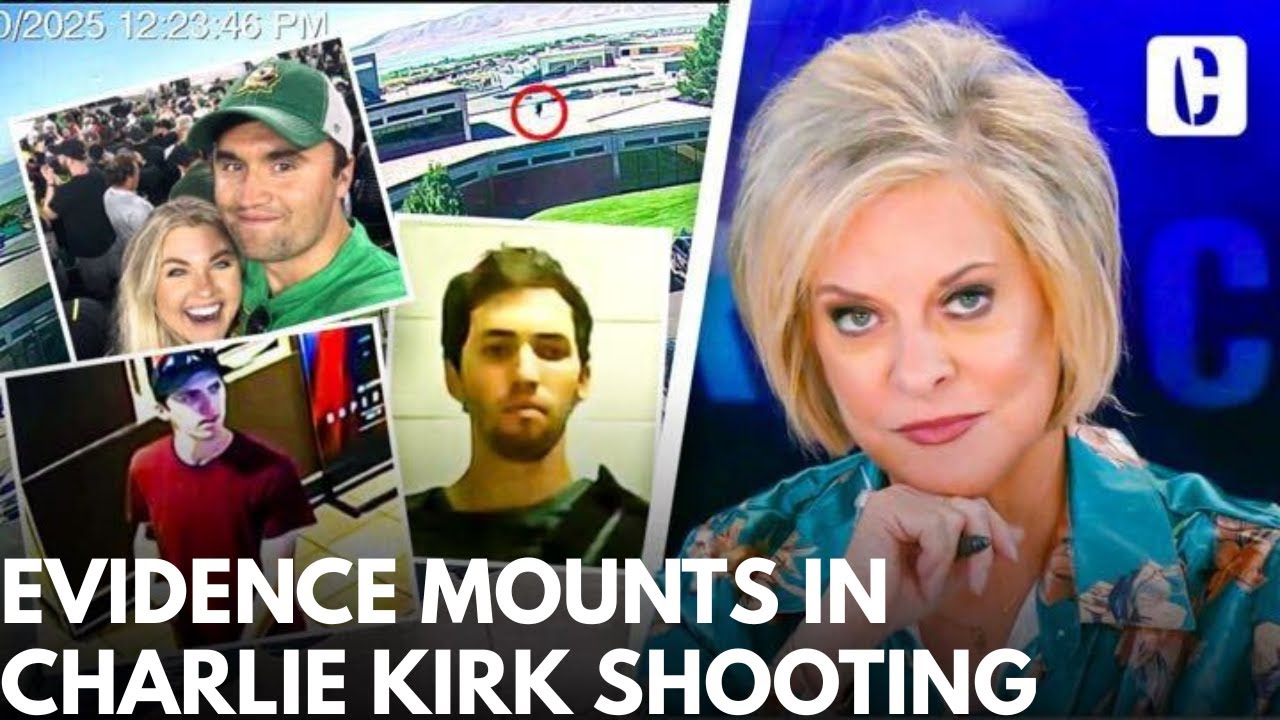
Katherine Nester Cross-Examines Officer in Charlie Kirk Shooting Case: No Security, No Drones, and the George Zinn Mystery
Enjoying this? Share it with someone who needs to see it.
Up Next
Lance Twiggs Video Testimony Reveals Prosecution's PR Strategy in Charlie Kirk Shooting Case
12:37
Candace Owens Questions FBI Narrative on Charlie Kirk Assassination Investigation and Missing Evidence
34:06
Charlie Kirk Security Chief Fails: Brian Harpole Admits Critical Mistakes Before Assassination
11:52
Katherine Nester Cross-Examines Officer in Charlie Kirk Shooting Case: No Security, No Drones, and the George Zinn Mystery
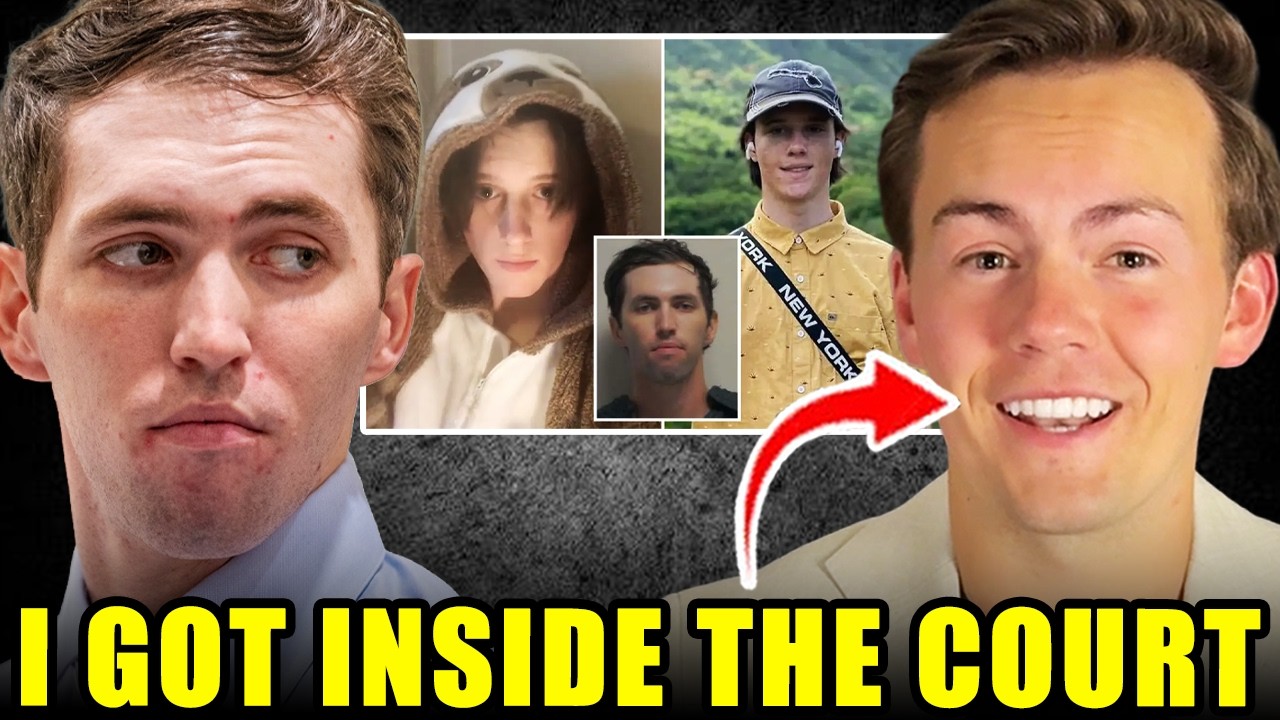
Katherine Nester, defense attorney for Tyler Robinson in the Charlie Kirk shooting case, cross-examines Officer Chris Bagley during a preliminary hearing. The questioning reveals critical security gaps at the Utah Valley University campus on the day of the shooting, no metal detectors, no drones, no law enforcement on the roof where the shot allegedly came from. Legal analysts Mark Geragos and Matt debate whether this line of questioning aims to establish reasonable doubt or lay groundwork for an ineffective assistance of counsel appeal. The discussion also explores the bizarre involvement of George Zinn, who falsely confessed to the shooting and was later found with child sexual abuse material on his phone, raising questions about possible broader conspiracies.
During a preliminary hearing in the Charlie Kirk shooting case, defense attorney Katherine Nester cross-examined Officer Chris Bagley about security measures—or lack thereof—at Utah Valley University on the day of the shooting. Nester, who previously represented Kouri Richins (accused of killing her husband with fentanyl), now represents Tyler Robinson, the 22-year-old suspect in Kirk's shooting.
The cross-examination revealed several concerning security gaps. There were no metal detectors like those used at TSA checkpoints, no drones monitoring the campus, and no law enforcement personnel stationed on or near the Losee building roof—the location from which the shot allegedly came. Officer Bagley confirmed that Utah is an open carry state, meaning students are legally allowed to have guns on campus.
What's the Defense Trying to Establish?
Legal analyst Mark Geragos suggested that Nester's line of questioning fits perfectly with various conspiracy theories surrounding the shooting. By highlighting the absence of security measures, the defense may be attempting to create doubt about whether Robinson acted alone or was used as a tool by other actors. Geragos noted that in criminal cases, you only need one juror to start questioning these gaps to potentially hang a jury.
Matt, another legal analyst, offered a different interpretation. He suggested that some of this questioning might simply be "checking the boxes" for the appellate process. Defense attorneys typically attack three main areas: improper jury instructions, prosecutorial misconduct, and ineffective assistance of counsel. However, he acknowledged that establishing lingering doubt could be valuable during the penalty phase if Robinson is convicted.
The George Zinn Factor
The hearing also touched on George Zinn, a man initially detained by police as a suspect who was later released. Zinn has a lengthy criminal record dating back to the 1980s, including arrests for criminal trespass, disorderly conduct, and disrupting public meetings. In 2013, he made bomb threats at the Salt Lake City Marathon, days after the Boston Marathon bombing, and served a year in prison.
Court records show mental health concerns. In September following the Kirk shooting, Zinn falsely confessed to being the shooter, resulting in an obstruction of justice charge. When police searched his phone after his detention, they found more than 20 images of child sexual abuse material. He pleaded guilty to two counts of sexual exploitation of a minor.
Video footage shows police pulling Zinn away from the scene moments after the shooting and placing him in a squad car while bystanders screamed that he confessed. During cross-examination, Nester questioned Officer Bagley about why he didn't immediately realize police had detained the wrong person when Zinn was arrested close to Kirk, rather than near where the shot originated.
Discord Messages and Online Confessions
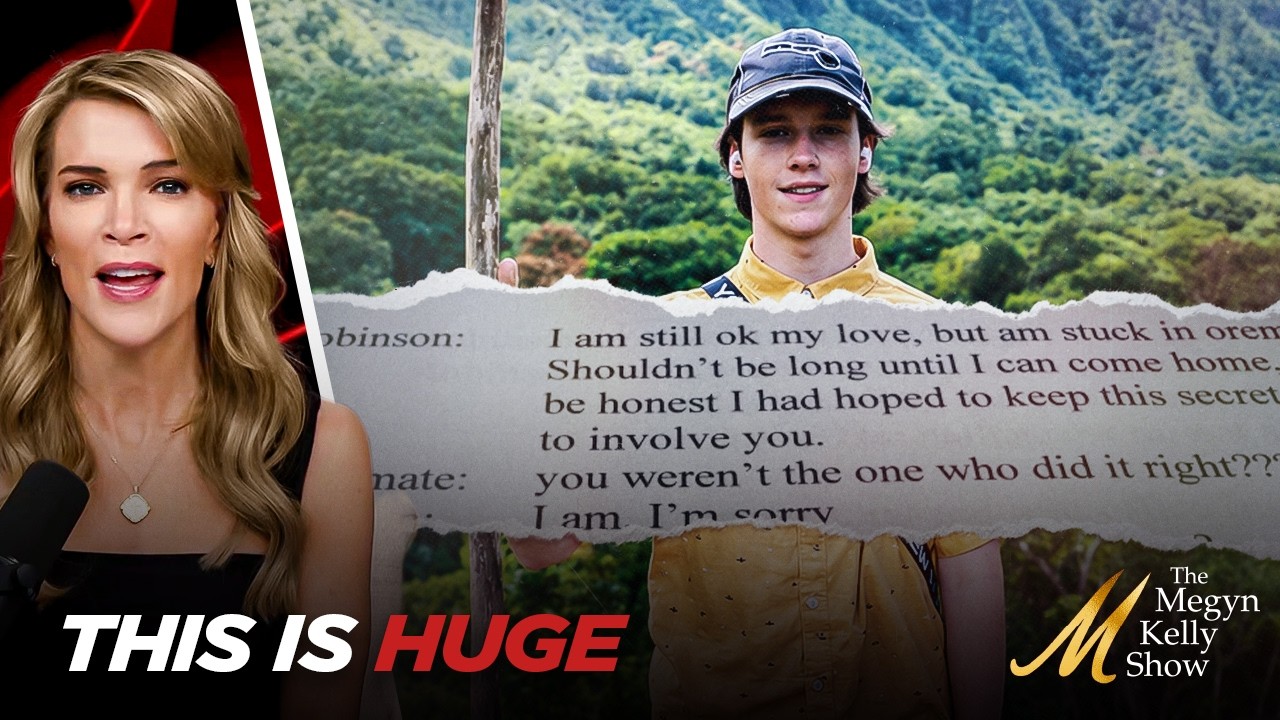
According to a Washington Post article, Robinson appears to have confessed to friends in a Discord chat shortly before surrendering to law enforcement. About two hours before being taken into custody, an account belonging to Robinson posted: "Hey guys, I have bad news for you all. It was me at UVU yesterday. I'm sorry for all of this."
The message was sent to a small private group chat of about 30 online friends. Members of the group had been discussing Kirk's shooting on Wednesday, with one writing: "Charlie Kirk got shot. I just saw the video. Holy [expletive] did not deserve to go out like that. Sad." Robinson's account didn't respond until Thursday, when he posted the confession and announced: "I'm surrendering through a sheriff friend in a few moments. Thanks for all the good times and laughs. You've all been so amazing. Thank you all for everything."
Robinson was taken into custody two hours later at 10 p.m. local time, according to FBI Director Kash Patel. The New York Times reported on a different Discord chat earlier that same day where Robinson joked that a doppelganger was trying to get him in trouble after law enforcement released images of the shooting suspect.
Legitimate Questions vs. Conspiracy Theories
Legal analyst Viva distinguished between what he called "untenable conspiracy theories"—such as the notion that Charlie was killed by an exploding microphone rather than a gun—and legitimate questions that remain unanswered. He emphasized that people need to understand the wild coincidence of having George Zinn, an elderly man with child sexual abuse material on his phone, causing a distraction that allegedly allowed the shooter to escape.
Viva raised several questions worth investigating: Was George Zinn involved in any Discord chats in advance? Some people posted online before the event that something big was going to happen. Did Zinn know something was planned? While these questions don't exonerate Robinson, they might indicate a broader conspiracy involving others. Authorities have stated that no one else was involved and that Robinson acted alone, but these questions persist.
Preliminary Hearing Purpose and Expectations
Matt explained that this is only a preliminary hearing where the judge acts as a magistrate to determine if there's probable cause to bind Robinson over for trial. The standard is much lower than what's required for conviction. By the end of the hearing, there will likely be enough probable cause established, which is expected.
However, the defense may be using this opportunity to get information on the record that can be used in the court of public opinion to potentially poison the jury pool or create doubt among potential jurors. Mark Geragos noted that if you're in a criminal case, all you need is one person asking questions like "I don't understand why security wasn't here" or "I don't understand why that wasn't in place."
Making Law Enforcement Look Incompetent?
The cross-examination appeared designed to highlight potential errors or oversights by law enforcement. By questioning why Officer Bagley didn't immediately realize police had the wrong person when they detained George Zinn close to Charlie Kirk rather than near the source of the gunshot, Nester may be trying to establish that investigators were confused, made mistakes, or couldn't be trusted.
This strategy could serve multiple purposes: creating reasonable doubt, laying groundwork for appeals based on police misconduct or investigative errors, and providing ammunition for those promoting theories that Robinson is innocent or was framed.