Lance Twiggs Video Testimony Reveals Prosecution's PR Strategy in Charlie Kirk Shooting Case
Enjoying this? Share it with someone who needs to see it.
Up Next
Andrew Kolvet and Blake Neff Break Down the Tyler Robinson Preliminary Hearing and Defense Tactics
15:28
Katherine Nester Cross-Examines Officer in Charlie Kirk Shooting Case: No Security, No Drones, and the George Zinn Mystery
16:19
Candace Owens Questions FBI Narrative on Charlie Kirk Assassination Investigation and Missing Evidence
34:06
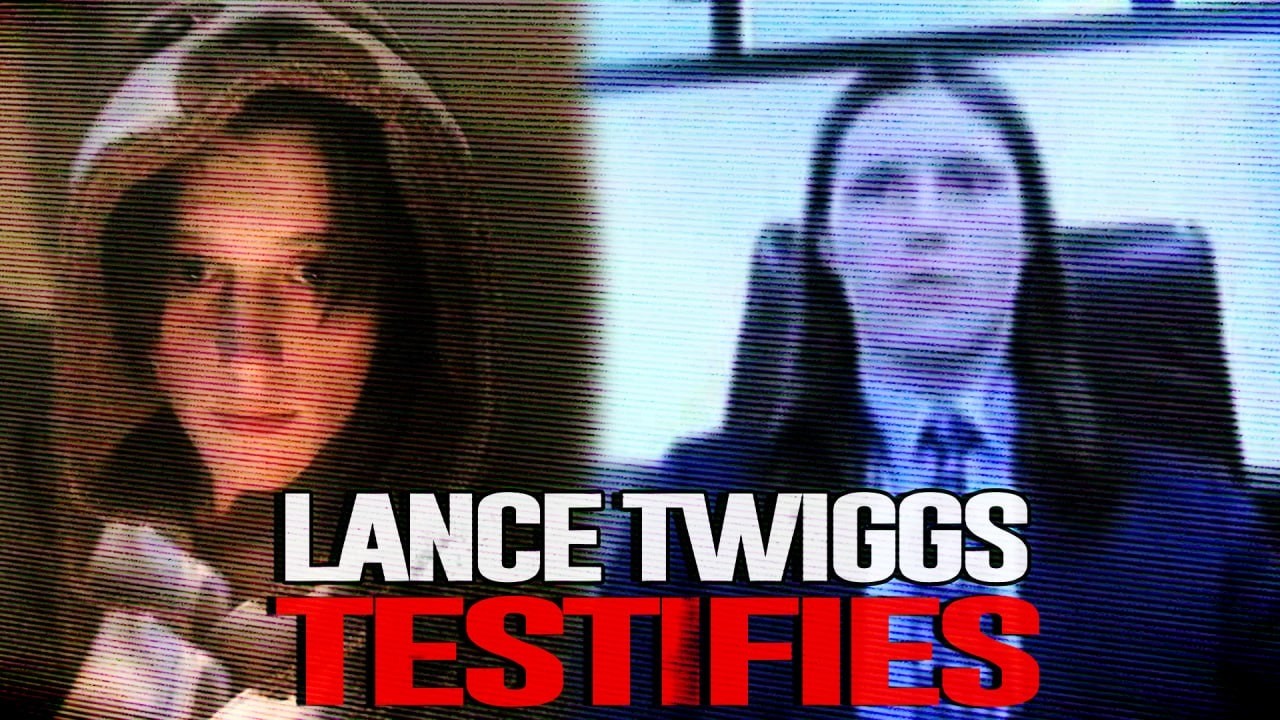
Lance Twiggs Video Testimony Reveals Prosecution's PR Strategy in Charlie Kirk Shooting Case
Legal experts examine the unusual decision to present Lance Twiggs' testimony via video at Tyler Robinson's preliminary hearing. The prosecution's main witness, who received use immunity, won't appear in person at this stage - raising questions about strategy and the authenticity of Robinson's alleged confession. Defense attorneys challenged the formal, artificial-sounding text messages between Twiggs and Robinson that form a key part of the evidence. Meanwhile, Charlie Kirk's family left the courtroom as testimony about the shooting began, choosing to protect themselves from hearing details of the actual murder.
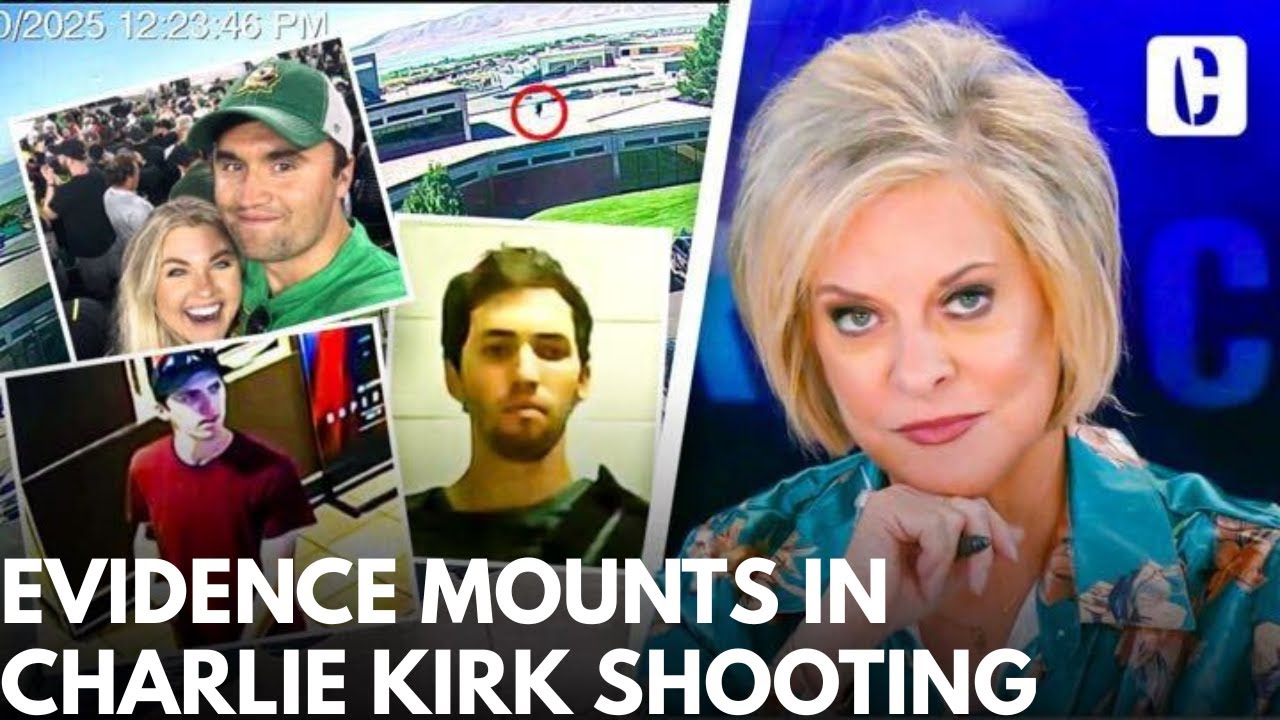
Lance Twiggs emerged as the prosecution's crucial witness in the Tyler Robinson case, but his appearance and background present significant challenges for the state's case. Photographs show a dramatic transformation in Twiggs' appearance - from what observers describe as a typical man to someone wearing furry ears and caps during his relationship with Tyler Robinson. Legal analysts note that presenting an unwell witness who identifies as trans and as a furry to a culturally conservative Utah jury could create credibility issues.
The prosecution granted Twiggs use immunity for his video statement. This limited immunity means the government cannot use his testimony against him, but they could still prosecute him if they discover independent evidence of involvement in the crime. Legal experts explain this immunity allows prosecutors to present his testimony while undermining potential defense arguments about him receiving blanket immunity.
Video Testimony Raises Legal Questions
The decision to present Twiggs' testimony via video rather than requiring his physical presence sparked legal debate. Defense attorneys attempted to compel Twiggs to travel from out of state to testify in person, but legal experts note this request had little chance of success. Courts rarely force witnesses to cross state lines for preliminary hearings, requiring proof of absolute necessity with no alternative means of presenting the evidence.
At a preliminary hearing, the rules of evidence don't fully apply, and defendants lack the same confrontation rights they would have at trial. However, if the case proceeds to trial, Twiggs must be physically present and available for cross-examination, or the prosecution cannot use his video statement. The jury would hear his live testimony, not the recorded version being presented at the preliminary hearing.
Unusual Confession Sparks Authenticity Concerns
The alleged confession from Tyler Robinson to Lance Twiggs generated controversy due to its formal, artificial-sounding language. Text exchanges between the two men struck observers as unnaturally formal for roommates and alleged lovers in their generation. Critics questioned why two Gen Z young men would communicate using such Shakespearean-style language rather than typical contemporary speech patterns.
The prosecution possesses multiple pieces of evidence beyond the questioned text messages. Robinson allegedly wrote a handwritten note stating "I had the opportunity to take out Charlie." He sent text messages to Twiggs saying "I had enough of his hatred." Additionally, Robinson allegedly confessed on Discord, writing "it was me at UVU yesterday." Prosecutors argue these consistent messages across different platforms strengthen their case despite concerns about any single piece of evidence.
Public Relations Strategy Becomes Apparent
Legal analysts identified the video presentation as primarily a public relations play. With cameras allowed in the courtroom under limited conditions, the prosecution aimed to address conspiracy theories and shape public narrative. The state attorney took the unusual step of providing a statement to TMZ, a tabloid publication that pays for news, responding to defense claims about ballistics evidence.
This departure from normal prosecutorial practice reflects the unique nature of the case and the prosecution's consciousness about controlling the narrative. While a judge sanctioned the prosecutor for the TMZ interaction, legal experts acknowledged the case differs from typical criminal proceedings. The prosecution appears determined to present their evidence publicly to counter alternative theories and influence the Utah jury pool.
Family Shields Themselves from Graphic Details
Charlie Kirk's parents and his widow Erika left the courtroom when police officers began describing the moments of the shooting. The family made clear their intention to protect themselves from hearing any details of the actual murder or seeing video evidence of the crime. They departed as soon as testimony began describing what happened on the university campus.
This decision reflects the impossible emotional burden families face during criminal proceedings involving murdered loved ones. The family must balance their desire for justice with their need to preserve their mental health and avoid traumatic imagery that could haunt them permanently. Their departure from the courtroom during graphic testimony demonstrates the profound human cost of violent crime beyond the legal proceedings.