Up Next

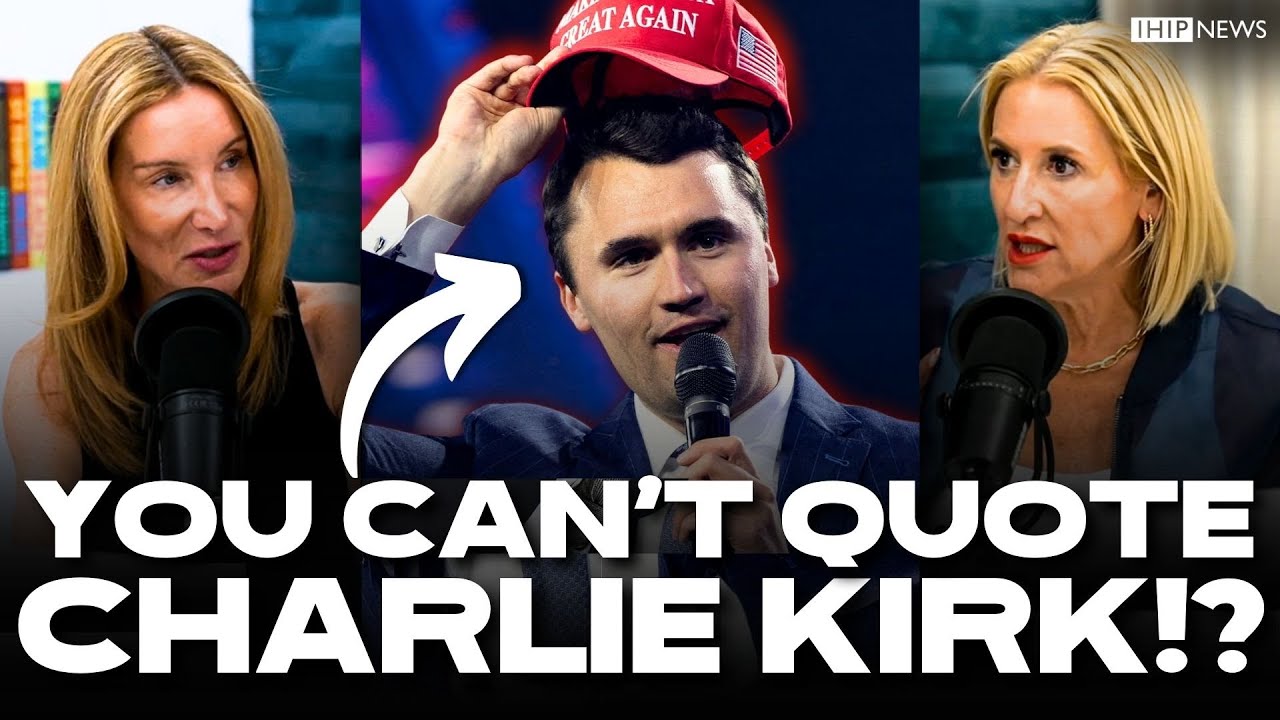
Hunter Kozak Was Debating Charlie Kirk at Utah Valley University When the Assassination Happened
42:58

Tucker Carlson Breaks With Trump Over Iran War and Israel Policy
57:36

Ezra Klein and Ta-Nehisi Coates Debate Political Strategy, Charlie Kirk's Legacy, and How Democracy Survives Division
1:11:04
SimpleBlackTheory on Charlie Kirk's Assassination: Free Speech, Gun Laws, and Political Chaos
The SimpleBlackTheory Podcast examine the assassination of conservative commentator Charlie Kirk, shot during one of his "Prove Me Wrong" college events on September 10, 2025, while discussing gun violence, and trace the shockwaves that followed through media, politics, and social media. Neither host offers condolences for a man they believe spent years pushing hate speech against Black people, immigrants, trans people, and Muslims, while raising hard questions about free speech, where its limits should lie, and whether the First Amendment should protect rhetoric they argue directly enables violence. The conversation moves through the chaos that erupted online after the shooting, from Kash Patel releasing false suspect information to the rise of a doxxing website targeting Kirk's critics, to a bipartisan Congressional vote for a Charlie Kirk Remembrance Day.
Should Anyone Condemn the Shooting?
The SimpleBlackTheory Podcast opens with a blunt question: do hosts Ohi and Maya Moss condemn Charlie Kirk's assassination? Their answer is deliberately complicated. Neither host is willing to offer straightforward condemnation for a man they believe spent years spreading hate speech against Black people, immigrants, trans people, and Muslims. As Ohi puts it, asking whether Black people should condemn Kirk's death is like asking whether Black people should mourn a white supremacist — the question itself is the problem.
Maya Moss adds that witnessing Kirk's events firsthand made the security failures impossible to ignore. For someone who had been running these events for over a decade while actively promoting what they describe as divisive rhetoric, the lack of proper preparation was striking.
Free Speech Versus Hate Speech
The hosts wrestle with where free speech ends and hate speech begins. Their working definition: hate speech is not just offensive speech — it is speech that pushes a false or distorted narrative about a group of people in order to criminalize or dehumanize them, and that activates others to act on that hatred. An example they give is rhetoric against immigrants that causes people to racially profile and attack anyone who looks like they might be foreign-born.
They conclude that while the First Amendment currently protects hate speech, the events surrounding Kirk's assassination expose the dangerous environment that unchecked extreme speech can produce. They acknowledge the risks of giving government the power to police speech — a slippery slope neither is comfortable with — but argue the status quo is equally dangerous.
September 10th: What Happened
On September 10, 2025, Charlie Kirk was hosting one of his "Prove Me Wrong" events at a college campus. The conversation at that moment was about gun violence — a student was asking Kirk about the proportion of mass shooters who were transgender. Kirk was shot moments later. The irony is not lost on Ohi and Maya: his final public words were what they describe as a racist dog whistle about Black people and gun violence, and it was a white man who pulled the trigger.
The shooter, a 22-year-old from Utah, was caught on Ring doorbell and Google Home camera footage limping through a neighborhood with a rifle concealed under his clothing — a weapon that belonged to his grandfather. Text messages later revealed he had been worrying about returning the gun before anyone noticed it was gone.
The Internet Erupts Into Chaos
Within moments of the shooting becoming public, social media split into what the hosts describe as an all-out war — each side racing to claim moral high ground and pin blame on the other, rather than focusing on justice or the human reality of the event. The hosts argue this actually dehumanizes the shooting itself, reducing it to a political football.
A viral moment came when a right-leaning account claimed Starbucks employees had written "loser" on a cup ordered under the name Charlie Kirk. Starbucks reviewed camera footage and confirmed no such thing happened — the individual had written it themselves at home and posted it online as provocation. The hosts hold this up as a textbook example of deliberate misinformation.
Kash Patel and the FBI's Failures
The hosts are sharply critical of FBI Director Kash Patel's handling of the investigation. They describe a pattern of releasing suspect information prematurely — two people were arrested, both released, with their personal details made public before investigators confirmed either was the right person. Given the charged atmosphere on the right, releasing the wrong names put those individuals in genuine danger.
The hosts also connect Patel to the broader Epstein investigation, pointing to a congressional hearing where Patel was questioned about his communications with Donald Trump regarding the Epstein case — conversations he denied, despite Trump's name appearing in the relevant documents.
The Charlie Kirk Murders Website
One of the most alarming developments the hosts discuss is the creation of a website called "Charlie Kirk Murders" — a platform designed to identify and dox anyone posting critical content about Kirk online, even accounts with minimal traction. The site collected over 20,000 submissions with the stated goal of getting those people fired from their jobs. It has since rebranded as a data collection company.
The hosts point out the obvious contradiction: Charlie Kirk was ostensibly killed for exercising his First Amendment rights. The immediate response from his supporters was to suppress the First Amendment rights of anyone who disagreed with him.
A Remembrance Day That Shouldn't Exist
Congress passed a bipartisan Charlie Kirk Remembrance Day — scheduled on the same date as George Floyd's birthday. The hosts are incensed. Charlie Kirk was not a government employee, not an elected official, and not a public servant. He was a political commentator for one ideological faction. They note that the teachings of Malcolm X and Dr. Martin Luther King Jr. faced years of institutional resistance before being accepted in schools, while Kirk received a commemorative Congressional day within weeks of his death.
They also draw attention to what they see as a deliberate omission in media coverage — major news outlets are calling Kirk "controversial" but not airing footage from his Prove Me Wrong events showing what he actually said.
Defining the True Far-Left
The hosts push back on the assumption that calling yourself a communist automatically makes you far-left. Their position: being far-left means fully opposing transphobia, homophobia, racism, and Islamophobia — and actively practicing those values, not just reciting them. Someone can call themselves a communist and still hold deeply bigoted views, which in their framework puts that person closer to the right than to any genuine far-left position.
They identify specific markers of a far-left worldview:
- Abolition of the prison system
- Abolition of the police system
- Full support for trans people's right to self-determination
- Active rejection of racism, Islamophobia, and homophobia in all forms
The hosts are explicit that they want to push more far-left rhetoric and be considered far-left individuals themselves, arguing that being truly far-left requires constant practice and self-awareness, not just political branding.
Gun Laws, Mental Health, and Utah
The hosts return repeatedly to what they see as the real underlying issues: gun access and mental health. Over 77% of mass shootings involve legally obtained firearms. The 22-year-old shooter learned to handle a weapon not through military training but because Utah's permissive gun laws allowed children to handle firearms from a young age. He was able to fire accurately from approximately 200 to 400 feet in an outdoor, uncontrolled environment — evidence of real familiarity with the weapon.
The hosts also point out the deep irony that Charlie Kirk — a man who publicly stated he was "okay with a few gun deaths" to preserve Second Amendment rights — became the most prominent symbol of exactly that cost.
The Shooter's Background and the Blame Game
The discovery that the shooter's roommate was transgender became a flashpoint, with many on the right using it to frame the assassination as a left-wing or LGBTQ-motivated act. The hosts reject this entirely. The roommate cooperated fully with police and had no knowledge of the shooter's plans. The hosts argue that while some are trying to pin the radicalization on left-wing rhetoric, it was right-wing rhetoric — specifically Kirk's own words — that drove the shooter to desperation. His text messages confirm he was consumed by what Kirk was saying and felt compelled to stop it spreading further.
Florida, DeSantis, and Prosecuting Critics
Attorney General Pam Bondi threatened prosecution for anyone posting negative content about Charlie Kirk online. Governor Ron DeSantis moved to suspend Florida teachers found to have liked or commented critically about Kirk on social media. Three teachers are pending suspension. The hosts frame this as the exact speech suppression that Kirk's supporters claimed to oppose — an immediate and direct reversal of the free speech principles Kirk himself promoted throughout his career.
Casings, Memes, and the Online Pipeline
The casings found at the scene contained meme references — video game culture symbols heavily associated with alt-right internet spaces. The hosts note these references muddied the question of the shooter's ideological alignment, as they straddle left and right online culture. They argue that the shooter's radicalization path ran through internet culture more than any clean left-right division — and that mental health and online pipeline issues remain the core problem that neither side wants to address honestly.
The hosts close on what they describe as a poetic, almost mythological quality to the entire story: a man who built his career on speech was shot at the moment he was speaking, by a weapon connected to the gun rights he championed, in an event about the very gun violence he dismissed.
Video Transcript
So, do you condemn the shooting of Charlie Kirk? >> You know, a lot of people have been asking this question, and I want to say that I don't condemn Charlie Kirk's death, but I'm also not saying that I'm not condemning. Like, I don't care to even acknowledge Charlie Kirk, just the character he was. He was a person who preached bigotry. That's like saying if black people should condemn the the death of a white supremacist. What type of question is that? Right. What about you? >> I definitely agree to be honest. I feel like first of all, it's really hard to condemn something that he basically fostered around himself and especially I know we're going to touch on this a lot later, but to like witness his events and to see kind of his lackluster security and just like it was not properly prepared for at all, especially to be doing it for so long. What is it like 12 years? >> Especially preaching hate speech. Okay. So, my question about hate speech is um when does a conversation or a speech or just someone talking becomes hate speech? How far can a speech go for it to be considered hate speech? I think when you're activating people to basically act on whatever impulses, these negative impulses that hurt other people. So for example with hate speech against uh we'll say immigrants and then you have an influx of people who are judging people on the basis of their skin not knowing whether they're an immigrant or not and attacking them. >> Well, you know, I think cuz I I I do agree, but I think hate speech is a little more cuz and cuz a lot of people do think that hate speech just has to be them saying that there has to be action. It has to be between >> Well, I'm not saying physically. I'm saying if you are like cuz even with racism you don't have to physically like beat up black people every single day to be racist to black people. >> Yeah. So no so what I mean is like um when someone has hate speech it's um like I I consider hate speech along the lines of like giving information towards individual that's going to criminalize them without it being a fact or even if it's a fact or not. More than likely it's not. But like just trying to push a narrative on a certain group to push your group. I think that in itself is hate speech and like in a way like and I guess >> but what if you were going up like say it's like campaigning and it's like two competitors and they're giving out information on one for example like with the previous Kla versus Trump and they're each trying to get a leg up on each other so they're throwing their jabs. >> There was hate speech in there. Hate speech would have to be in by a particular group. It would have to be towards a particular group. If you say that, for instance, Kla Harris isn't smart. That isn't hate speech. That's just well, you could call it even bullying if you want to. But going towards black people isn't smart would be considered hate speech in my opinion. And so my question is um we have the first amendment right. So do you think that the first amendment right protects hate speech or do you think it should protect hate speech? So, I feel like it really shouldn't protect hate speech because right now we're witnessing that free speech to the extremities can also foster the proper environment for uh terrorism. So, I can see why you say that, but that's like a slippery slope because that means we should have we have to like um focus on people's speeches now and we would have to government people's speeches which can be dangerous cuz then certain information will go out. >> But I think it's more so like for example how Trump is trying to go over Antifa and there's not actually like a leader of Antifa. So you can't really because there there are no organized group like you said if it's like an organized area of a person who has a dangerous ideology. I think that's a lot more easier to pinpoint than to say like oh someone's walking down the street they said something. >> I agree if if we I think ideologies can be considered hatred and and I think maybe that can be um like disclosed but I think like the first amendment does protect hate speech. >> Absolutely. Yes. >> Yeah. Because at this point, if anyone because um even Donald Trump, he can determine what considered hate speech if if he can control enough people >> and he is definitely someone who has been at the forefront of hate speech. >> [ __ ] This [ __ ] trying to um take people licenses away um media licenses away if they talk [ __ ] about him. But guess what? We don't have a media license. [ __ ] you, Donald. Like we can do that. >> Very true. >> Stop playing. But guys, we actually have Do you have any uh any questions you want to ask? >> Um, honestly, I guess one thing I would say is, do you feel like people who are pushing for empathy have a valid foothold to stand on? >> Empathy for the death of Charlie Kirk? Yes. No. They [ __ ] no. Hell no. You can you can sit there and condemn the death of Charlie Kirk. But to say that you need empathy for the death of Charlie Kirk, that's where I will have to draw the line. This man I think in any time that you're trying to push how you feel and other people to feel the same. First of all, it's very ingenuine. I think people are going to feel differently and I think that's completely normal especially for someone as controversial as Charlie Kirk who I mean he was a major perpetrator of her of hate speech >> for a very long time >> to black people trans people Muslims like immigrants in general anyone that's considered a minority he thought less than so so yeah when we talk about empathy Charlie Kirk would not be in that conversation >> I absolutely agree he didn't believe in it No, but we actually got more on the way, guys. Thank you so much for watching episode 6. Drop the [ __ ] intro. [Music] >> Yo, welcome back to the Simple Black Theory podcast. I'm your host, oh Fre. >> And I'm your host, Maya Moss. >> I love you, baby. Listen, I've been trying to make us be called Mayo because her name is Maya and my name is Ohi. M A Y O for mayo. Yo, if you guys like that, put that in the hashtags. If we get enough of that, we have to call ourselves Mayo. >> Absolutely can. >> Okay, whatever. Guys, we actually have a great show today. Um, before we get into it, guys, thank you so much. A lot of people been hitting us up, been saying, "Hey, we need this podcast to come back." Um, you know how I've been feeling. I I've been wanting better equipment for this podcast, but we can't let them wait, right? Exactly. We could definitely And here's the thing, too. I feel like it was a double-edged sword because, you know, me personally, I've been advocating for us to just drop anyway. I feel like that stuff is going to come. You guys have already gotten to see us like grow from being with a blank space to actually having a space out here, which, you know, welcome to our living space, >> Mayo Studios. But other than that guys, uh, check us out and on YouTube, make sure you hit that subscribe button and then also check us out on Spotify at Simpleblack Theory Podcast. It will be great for you guys to subscribe. Check us out and make sure we grow because we're going to talk about some real [ __ ] I also want to say that um since the Charlie Kirk death, you know, I've been really thinking about the idea of what is considered a a radical left, like a far-left individual. And I realize that we don't really have much far-left creators. Like we we think we do, and we ask, well, what you and they say these things, but I don't think they're really far-left. I think far-left would really mean like you are not transphobic, you're not homophobic, you don't stand for those things, you don't stand for racism. And when you talk to people, you realize that they kind of stand for some of these things. >> And I think too that also a lot of like the lingo and slang and language and rhetoric that we have, it can also kind of foster some of those things without being cognizant of it. And you have to, it's a very slippery slope. You have to be very aware at all times of what you're saying because sometimes you hear something and it's like I know you did not mean it that way. Like truly, you know what I mean? But >> but you got to you got to check your privilege. And that's why I think um when someone say I'm a communist and anything that's automatically far left, you're [ __ ] crazy. No, that doesn't make you far left. That that makes you further from a liberal, right? >> That makes you on the left and and that makes you further push on the left. But I don't consider you far left because because just because you're communist doesn't mean you won't be transphobic, racist, >> is Islamophobic. Very true. >> Like you can still be all these things. If you're all these things, you're closer to being a [ __ ] a rightwinger than a far-left. >> Exactly. >> And people don't understand that. But um and that's what I wanted to talk about because I actually want to push more far-left rhetoric. I actually want to be considered a far-left individual. >> So with that being said, what do you consider far left? when I zero prison system gone completely. Like if you believe the prison system should still be here, then you're not a far-left. The prison system should be gone. The police system should be gone. All these things should be gone. I think when we talk about um transphobia, trans people should be able to be who the [ __ ] they want to be. Furries, leave them the [ __ ] alone, right? I these things are considered far-left and these things should be considered the leftist views, but it's not. People would tell you it is. I did a video and in there's an individual. I don't know if this individual is trans. I don't know their their pronouns. Um they just look very ambiguous, right? But people wanted to attack this individual assuming they're trans, talking about is this a he, is this a she? Why the [ __ ] does that matter? But they're considered leftist. Get the [ __ ] out of here. >> No facts. But >> and I think e even too like certain times and points certain like what is it trends that get popular on any social media platforms can kind of be rooted in certain things like for example feeling like people who are 30 or whatever age people think that 20 is old now but to make that like a point of a joke or I think it was like some uh creator named Crazy K was coming at Sky Jackson making fun of her domestic violence and trying to use that as a punchline. line and I was just like, where are we at right now? >> Right. And you know, you know what I think? I think um being a a far leftist is going to be harder than being far right or far left. I keep saying far leftist. Far left. But um because being far right, all you got to do is engage in the things that right people believe in and just be more extreme with it. While being left, you have to practice these things and actually have to acknowledge these things. Because when you're in the left side, you're against the norm. And the norm is very hard to be against sometimes. So that's what you have to practice being a far-left. And people don't practice it. They just spit rhetoric assuming that they are that. And I think it's like also really important to highlight the intersectionality that goes within it all because that's another thing that I feel like is almost being demonized within the right is the fact that you know the wokeminded because we care for so many people and we don't want you to be assaulting people on the basis of what they identify with or who they are. >> Yeah. And and people on both sides do that which is crazy. That's why I think the right side is so strong because the rhetoric is embedded in both sides. the other side just has to learn to retract it, redact from that. But whatever. Um, today's episode is primarily talking about Charlie Kirk, the conditions of how life has been after Charlie Kirk has died. Not saying that Charlie Kirk has changed our lives as much politically. Yeah, he did in a technically way, but um, we got to talk about the assassination in itself, right? >> Um, um, can you give me a quick overview of the assassination? I'll jump in every now and then, but you can do. >> Absolutely. So September 10th of this year, 2025, of course, Charlie Kirk host, Prove Me Wrong, and typically he's on a big stage. There's thousands of college students that are >> I'm going to say hundred. I think they'd be lying sometime. Maybe like that cuz when we went and we're going to talk about our experience, >> was it thousands? Like >> facts? At most 1,000 >> if if Yes, at most. But continue because on on the internet online 3,000. You're gassing it, but go ahead. But what I will say is it's definitely an influx of students. It typically gets really uh crowded in towards like a couple minutes in. I know it was 20 minutes in. He had been speaking uh a really I guess at that time kind of calm conversation. I mean he's an aggressive speaker in his rhetoric but it wasn't anything that he was going against the person who was debating him. >> Yeah. I think it was on gun violence, right? Which is irony, >> right? Because uh initially the person was asking like uh how many people in the last year or couple years have been trans shooters and he didn't know the answer. So uh or he did know the answer and they both said five. So then he asked uh so what about for the last this year to such and such year? How many do you think have been >> mass shootings? >> Yeah, like mass shooters. Like what have they been? and he's like counting counting gang violence. Immediately after that, he's shot. So, from that point, it's like mass hysteria. All we're seeing on the news is a replay of him getting carried off from his uh what is it? Where he was shot, which was underneath his little prove me wrong tent, and being pulled off into his SUV to go to the hospital. So, at this point, the internet went into chaos. >> Okay, [ __ ] >> immediately. You have to pause right there cuz I have to just highlight this man's last words was a racist euphemism, a racist dog whistle on black people in gun violence, >> right? >> And it was a white man that took his life, >> right? >> [ __ ] crazy. If God is real, he loves to play games. Listen, one woman gave her spiritual analysis and it was actually really interesting because she was talking about how essentially Charlie Kirk used all of his uh what is it? Talents through speaking and through speech. >> He was a good speaker. No cap. >> And the same way that he came up is the same way that he fell down and that the shooter essentially cut off his speaking piece and that he could no longer continue with that rhetoric, which is honestly insane. And to even think about because my initial thought was for someone because they were saying he was like what 200 yards or something 200 feet. >> Well, yeah. 200 or 400. They even I'm moving right moving the number. >> Oh, I say 200. Yeah. Yeah. >> But for anyone to shoot from that distance, mind you, you're outside, it's not a controlled environment. You have wind and you have to be pretty trained to advise a weapon in order to successfully do it. We've seen the unsuccessful attempts on Donald Trump. So, it just goes to show that you really do have to be knowledgeable in order to be successful. So, he had that familiarity with the weapon. >> Yeah. Because And what's funny is, and I'm sorry to interrupt because you're saying that just proves how bad that Utah's gun laws were. Because this this 22year-old was able to learn how to use his weapon not by the military, but by because Utah was okay with children handling guns at a young age. This man was born with a pistol in his hand, >> right? And mind you, before the shooting, he had the rifle stuffed under his clothing. So he's they have footage of him from, you know, home u what is it? The [ __ ] Google Home cameras, the Ring doorbells from house to house, and you see him limping across the neighborhood because he has a weapon underneath his clothing. >> And whose weapon was that? um his dad's because he was texting and he was like his grandfather because he was texting and he was saying like, "Oh, I have to make sure I get it back to him." You know, like I I know he's going to be pissed. >> You know, over 70 I think 77% of mass shootings are with legal guns. So they they're obtaining these guns legally, but if we So that means if we had stricter gun laws, wouldn't it have been harder for them to obtain it, >> right? Like it's just crazy to understand that. But continue. I think we're at the part where um um the internet went crazy when we noticed he was he was shot. >> So immediately the internet goes crazy. Now, the biggest thing that we can say like pattern-wise that you can see is the left and the right erupting into sheer chaos, war, blaming like whoever and whatever information that they can get upon the shooter to pin it on each other, which ironically almost dehumanizes the event in itself. It does because the focus is no longer let's do this to get justice. We're thinking, let's do this so that we can finally vindicate the other side and prove to them that the other one is wrong. >> It's so crazy because like it it it's like so the the real problem at the end of the day is gun issues, mental health issues. Um because um >> we talked about this too. >> We have we have we we literally talked about conflict and how conflict causes problems. So, and that's so crazy how all this goes into one circle, but um into that um because we know that the shooter was really into internet culture, which I think we're going to get a little bit a little bit into that. It does get a little complicated when you do talk about it, but it just shows that how mental health and gun issues is the biggest corporate, but nobody wants to acknowledge that the left is focused on making this individual seem like a right winger, which I'm going to be honest with you, there's no way you can convince me that. There's no way you can convince me who's a leftist that this individual wasn't a leftist. I think he was a leftist. I think he went in a in a wrong pipeline and he got into the wrong connections when it came to leftwing and uh acknowledgement cuz you know what he fought for? Hey, protect your peoples, dog. The [ __ ] Charlie Kirk said some crazy [ __ ] At the end of the day, and I'm sorry, I know I'm talking a lot. I said this before. People keep saying that it was the left's rhetoric and you know I take that back that he he went on the wrong pipeline. People say that it was the left's rhetoric that caused him to be radicalized. But what they're not going to say it was that it was the rights rhetoric that caused him to want to be radicalized. Like [ __ ] crazy. I'm sorry >> because at the end of the day when you look at the text messages he was mentioning that he was tired of what Charlie Kirk was pushing. He was saying I can't listen to anymore. I can't have him spread this type of stuff to people anymore. And it's because people really do get that desperate for for the kind of hate that comes after. Because we have to look at, for example, when Trump first got elected in his first term, and I think we talked about this also in the gun violence episode, but there was a rise in Asian hate, immigrant hate, black people, like it it was insane. And he was always spurring this nonsense. And it it all it does is divide. It's not united at all whatsoever. >> So, you know what? And I'm glad you said that. It it's it it's really shining a light in all of this, right? Like, and the thing is like Charlie Kirk, which is honestly a poetic thing that happened to him because now he is now the poster kid for gun violence. The man that said that he is okay with a few gun deaths for us to have our second amendment. And people see here and try to change it up because originally he was talking about how like oh um um we have to have our guns to protect ourselves from a tyrannical government. Okay guy so why can't we have reduction in weapons though? Why can't we have gun safety? We don't have to have we can still protect ourselves from a tyrannical government but let's be honest the government that we have is going to be even stronger than the people no matter what weapons we have. The weapons they're selling you are civilianra weapons. They don't give you the military grade. So, you're either telling the the people that you have to illegally obtain these guns that the military has because that's the only way we'll shut down the tyrannical government. How many [ __ ] got bazookas? I'm sorry. or even like weapons that like for example I I just can't see the rationality in having weapons that you can't even for example things that are like built into the like the ground like something that's so steady that you would have to take it apart to transport it somewhere else to use it and set it up just to to shoot it like that is just not rational almost like to be honest >> and there will be flack with this but fast cars if you can only go so fast. Why do we continue to sell these like insanely sporty cars and then push more deaths by by cars and drunk drivers, etc. Because people get these egos and they just don't want to slow down. >> That's so true. So, and you know what? And we're not going to sit here and say that, oh, there's no way the government is going to be taken down because of the weapons. No, no, we're not saying that. First of all, I'm a big believer. I'm a big believer in do what you have to do until we get the stuff that we need to get done. I'm saying the the the stuff that we have now we focus on trying to complete and until we get the right equipment, the right stuff, that's when we can do to do what we have to do to take over the government, right? If it means taking it over on politically wise, if it means taking it over socially, no matter what it means, we need to do that as a group of people. But so, so us saying that, oh, they have better weapons, so it's just going to be hard to take over a tyrannical government. But what we are saying is that if that's your reasoning, that's a dumb reason. But I feel like even before that, I I think it's so much easier to build a culture of information, pure information, information without the bias, without trying to mislead you and manipulate. I think it's super important for us to build a strong foundation of community because for a point in time with like for example the Jimmy Kimmel situation, there were people online between the left and the right who were united saying, you know what, this is our first amendment speech and no matter what side we're on, we don't support this. And there comes a point where it it can't be left versus right. It needs to be we're coming together so that we can get what we deserve out of the government. And maybe other people might not agree that we need to completely abolish the system and reinvent it. But that's when we start working with that community and trying to work with them and explain this is why we need that change. >> The thing is it's it's the money. It's because I agree right this is like the Jimmy Kimmel situation is probably a minute agreement that the right and left have and it's not even a strong agreement right it's not a lot of right people agreeing with the left um because obviously this is based on the left um viewpoint but um even then the reason why we don't have so many people agreeing at the same time is because we have people that makes the most money that benefits from the divide right I'm not gonna sit here and keep saying it's the president's fault it's the president's fault But obviously there's influence from the president and and the president we have the president now because of the influence of the right. And if this influence is gaining something from the divide, they're going to continue this divide. I said this multiple times. If we look at Charlie Kirk's rhetoric in 2019 and we look at his rhetoric now in 2025, it's completely different before then. Like right now, if you go online and and you look for videos of Charlie Kirk saying things that sounds good, they're going to be as far back as probably 2019. But now they get more radical in 2025. Why? Because there's more money. There's more benefit in this. His rhetoric and Donald Trump's rhetoric is guided in the great replacement. The idea that white people are being replaced by black people, Muslim people, trans people, gay people, and other minorities. >> But he spent time also cultiv cultivating a rhetoric to >> That's why I I definitely agree with your idea was like we have to focus on building information. Once information is built, then we can build off of that. And that's why I I was watching this video. I was I was going to lie and say read. I was watching this video and this video was mentioning how the Donald Trump administration is focused on trying to dismantle things that that that contradict what they're saying. So, if think tanks are doing research papers on this and we're using research papers to to deny what Donald Trump is saying, how do we stop that? We remove all the knowledge that the left can get so the right can have more knowledge to give. Right. >> So, it's [ __ ] crazy. So, when the death of Charlie Kirk happens, they lost their billboard. They lost their money maker. They lost their biggest mouthpiece to the youth. >> Exactly. And that's what it is is that Charlie Kirk was a great manipulator of information. >> He was extremely successful and he built up a fan club and that's why uh I believe they're continuing to host his show. >> That's why they want to make sure it keeps going because they know it was successful. So now they want to make sure they can warm everybody up into seeing new faces on to the show. >> Bro, facts. Yo, let's continue uh with the story because we definitely got to talk about what the internet we've been talking about the internet been saying. We got to talk about how the trial, not the trial, but how the uma the case has started and all that. So right now the internet's going crazy and and the left and right's going crazy. What what what happens next? >> All right, so the left and right is going crazy. We're learning information piece by piece, but the FBI is doing a terrible job with the situation. Okay, Cash Patel, he was appointed by Trump and honestly, he cannot get his face out of his ass. He really can't because tell me why they've arrested two guys now. They've released both of them, but also released their information before they'd realized this wasn't the right person. Because of course, Cash Patel is the same person who sits in important meetings and tweets everything out while it's being released. leaders. We love him. >> Right? So, at this point, these people are in danger. I mean, you have people who are literally freaking out on the right who are saying, "We are Charlie Kirk. We live through him. We're going to keep his dream alive." They're shouting, trying to rally up, cause mass chaos, saying, "We're going to try to get whoever did this." So, you're releasing the information, then releasing these people out on the street, and half of the the people who are on the right side don't even believe in the news. So, you already know they're going to take some of what they hear and then be like, "Oh, I'm still going to find them. They're lying." Okay, beautiful. So, this happens. Um, >> yo yo, I'm sorry that that with Cash Patel, first of all, I think he had a hearing with the Senate and House and they dragged his ass through the [ __ ] mud. Like, and and Cash Patel in this Epstein situation is [ __ ] funny, bro. Like they kept asking the question, um, did you talk to Donald Trump about the epste somewhere in that conversation? He's like, um, I haven't talked to Donald Trump about this, which is [ __ ] weird because Donald Trump's name is on there. You're lying, bro. Like, that just automatically shows that you're a Trump supporter more than you're a US citizen to me, guy. Like, what the [ __ ] I I just wanted to add that [ __ ] [ __ ] Cash Patel. I hope he watches this, which more than likely he's not. >> You never know. >> You never know. You never I hope you watch this, Cash. He's [ __ ] one. We got to investigate that [ __ ] But um yeah. Um but I'm sorry cuz I know so we're talking about Cash Patel [ __ ] up. I know in the internet a lot of people was doing a I am Charlie Kirk and they were going to Starbucks and ordering um >> Charlie Kirk >> the the Charlie Kirk which apparently is a drink that you take when you feel >> is like >> someone's been someone's been yapping too much. That's that's what it is. But that's funny bro. And people have been lying about what's been on the Charlie Kirk. Um, like someone wrote loser on their own cup, which just shows what type of person you are if you calling yourself a loser. >> Literally. Yeah. Someone literally came to the internet and was like, "Oh, I went to uh Starbucks to get the Charlie Kirk drink and they put Charlie loser." And then Starbucks, you know, the reputable company that they are, they go and check the camera, right? [ __ ] them. But they go and check the camera and they're like, "No, we didn't write loser." that when it left it never said loser. >> So >> you guys trying to start [ __ ] >> He went home and wrote loser himself. Beautiful. Beautiful. Again, misinformation. >> Oh, like this is [ __ ] crazy. >> But I do want to add because the the the left and the right were in mass chaos and so at some point uh a lot of videos were going crazy about Charlie Kirk. Obviously not in support of Charlie Kirk, but not really celebrating his death. I don't think anyone was like, >> "Yes, finally shot." Maybe some people were happy >> that he wouldn't be spitting that rhetoric anymore, but I don't think anyone or majority of people were genuinely like, "It just finally happened." >> Facts. Yeah. Yeah. >> Like, come on. >> That's crazy. >> But the thing that was crazy to me is they someone or some group on the right decides to then make a website, the Charlie Kirk murderers. So now they're stalking people on the internet. I made a couple of videos, which mind you, they weren't even doing well at the time. and someone was commenting like, "I'm going to send this to your employer." So, that's what the website was basically about. They wanted to take the people who were saying things uh about Charlie Kirk that was gaining traction, even if only a little bit, to send the information in. They had about over 20,000 submissions, according to the website, and their goal was to fire them. And since then, they've transitioned the website into a data collecting company. >> Oh my gosh, bro. And you know what? Um um it's it's funny because that's clever how they did it and it just shows that the right knows how to lie and how to like go against the the law, bro. Like what? Like that's very clever people to do all of this to dox people. >> Yeah. To dox people on their opinions, first amendment right. It's crazy. Charlie Kirk gets killed for his first amendment right. So their response is to shut down our first amendment right. >> Just goes full full circle there. This is this is what movies are made of. >> That's what I'm saying. It writes itself. And it's like I was even mentioning to you earlier that when you you would watch certain things like as a kid and you'd be like, "Oh, this would never happen." Like this is so obviously a villain. And then you sit here in real life and you're like, "No, this this would happen." >> I'm glad you said that because amongst all this chaos, we're also learning that schools want to bring um bring memorials to to the schools. Um the Senate and the House, Republicans and Democrats, it was bipartisan [ __ ] I don't give a [ __ ] what Democrats say and we're going to get the I got the names for the Democrats that did it. And guess what? I do videos on these Dems. So, guess what? I'm exposing them. But, um, Republicans and Democrats voted for a Charlie Kirk remembrance day. First of all, it took I don't know how long it took Martin Luther King, but it took Dr. King a while. There was people protesting the teachings of Malcolm X and Dr. King in school, but we're supposed to have a a a day for for Charlie Kirk the same day that George Floyd was born. >> But not even just that, because we have to think about this. >> Charlie Kirk was not a government worker. He was not on a government payroll. >> He was a He was a talking piece for one side. For one [ __ ] side. And I'm really over them trying to call him an activist because like he if we're calling him an activist, we'd have to call Hitler an activist by the same logic. >> No, no, no. Not even Hitler because Charlie Kirk wasn't a Hitler. He was a Hitler supporter, right? I'm not saying Charlie Kirk was a Hitler supporter. But if we have to if we have to comparable like so whoever it was like the rich people that Hitler um um made chancellors and [ __ ] like those people would be Charlie Kirk. Those people would be considered activists in these people's eyes. the people that helped Hitler become Hitler is what Charlie Kirk is, >> right? Like, >> and I find it very interesting that you have to pay attention to how the news takes only one aspect of Charlie Kirk. They call him an activist, but they won't dare shed light on the things he would say, right? How much have they posted about things that he's been saying on his prove me wrong? Why are they not showing footage from his other prove me wrong? >> You know, and and I can't wait to talk about her experience, but they love saying that, oh, he he was a bit controversial. He was a bit There's a reason why he got attacked. There's a hit on him. There's there it was more than controversial, right? Like and and people I I wanted to say this. People are surprised that this happened to I'm sorry, not surprised that this happened. So it was crazy. People are surprised, but people black people are surprised on how much people love Charlie Kirk. You don't realize what [ __ ] world we live in. America. You literally sit here, these black people, we sit here, we talk about how Donald Trump, [ __ ] Donald Trump, how America is a racist country, and you're surprised that this [ __ ] Charlie Kirk is having a day loca. >> And that's what I'm saying. like and first and foremost even with uh the Jimmy Kimmel situation and Disney and Hulu and the reaction to people wanting to uh cancel Disney and Hulu then for the Republicans to try to pick it back up so that they still don't lose money. It's like what how many how how far will you go for this? >> Bro, first of all, I I like I like the idea of taking money away from businesses when they [ __ ] up. I just hate going back to them when they [ __ ] fix it. I mean, yeah. Yeah, but that's my thing though. It's whatever. >> Yeah, even then. But I feel like if you really want forgiveness, then you need to sit and acknowledge what happened. Like I I get so tired of hearing very similar things. Like for example, >> bringing Jimmy back is not enough. first and foremost and I don't think that uh boycott now originally firstly now all of a sudden deciding to boycott Disney when we been knew Disney had their ties in some [ __ ] >> facts we we've been boycotted Disney >> hello >> Disney was not in our realm as soon as we learned that Disney first of all not only did we learn that Disney supported Israel we also learned that Disney supported Trump and we was like hands well I saw you on about Israel was hands down. It just doubled down with Trump. >> Yeah, Disney. I mean, because first of all, the city of Orlando has to funnel so much money because they love having Disney around. They make so much money off Disney. So, they're going to protect Disney and Disney's going to protect their own interest. >> You know what's so funny? Disney not even smart. I don't I don't have a job at Disney. Disney not even smart. Disney know Donald Trump is a fake ass [ __ ] Right. First of all, remember when Donald Trump and Disney was beefing? When Disney was like, "We may have to move." move, I think, or some [ __ ] like that. >> Yes. >> Right. But Disney is the one that paid like they were the top contributors to this [ __ ] bro. Like Donald Trump is the type of [ __ ] it's like he's like, "Yeah, I'm going to help you out, but if there's someone who's going to pay me more or if there's an idea that's going to help me better, it's [ __ ] you. Why you think that he was okay with Israel bomb bombing um Qatar?" >> What? And he's an opportunist cuz he's very smart. You know what I kept thinking? I literally kept sitting here and trying to wrap my mind around it when he was first getting elected and he got in and then he decided to what is it? He helped out uh >> who >> NBA Young Boy. He helped out Kodak >> and I'm sitting here thinking why are you pardoning these people? Now it comes back full circle once again. This is what he need return. He returned on that investment so quick. >> He does this. He does this every time cuz now he did it for the colleges. He gave $500 million to the college, which is a big investment. It's a huge investment. I'm not going to I'm I'm little down this [ __ ] But >> why you think he's doing this? >> Like he not only he took away $350 million in grants from Hispanic and and minority kids in general. So it's not like we have enough kids going to school cuz 70% of college students that go to H.B.CU are lowincome students. And Donald Trump takes these grants to help these students. So, >> because how are you first of all with an HB.CU that's built around race now going to write an essay to get into this university without talking about race, >> bro? And and first and then Donald Trump wants to control the curriculum. So, you just gave to me that's blood money, right? That was blood money. The HBU took blood money cuz Donald Trump is like, "Here, we're giving you 500, but I swear to [ __ ] God >> he wants his return. He's going to want his return. >> If I hear CRT, you're done." >> Come on now. That's warning shots. Yeah. Hush money. >> Like exactly. >> And then for uh FAMU to elect someone who they didn't even want. Okay. Like they I don't know who the board is that allowed this woman I I wish I remembered her name, but to allow them to elect a MAGA head who had no experience in the job. And this woman is asking for like nearly three times what the person that she just is the successor of took out of office. >> What? >> Yes. [ __ ] bro. I'm Bro, some of these institutions, some of these H.B.CU, some of these black black creators or even black thought people, they bend over one good time by the right, bro. They get they love they love that. They love that, bro. Stop playing with me, bro. That's why I That's why I love our genuine side. like we're having this conversation and this is so genuine and so real and we're really having a good conversation and showing people that that this shit's really [ __ ] up. This is more than the political. Everything is politics, yes, but this is more than just think about it as political. These are people's lives. Like I like like and these people think I'm a far left cuz I don't vote. You voted for this. Like I get it. I'm I'm not going to sit here and >> and that's what's crazy too. How can you say that you're on any side and you didn't vote? I don't consider you as anything if you didn't vote. >> Now, I'm not gonna sit here and say that Democrats are are are leftist ide no. >> Yeah, I agree with that. But to sit there and say that you didn't vote for anybody. >> You didn't even get up and go down to the poll and fight for your your right, any of your rights >> that your people fought for. Like, don't get me wrong, bro. I understand that um why you didn't vote because you feel me the the what's happening in Gaza the Israel attack and no matter who's going to be president is still going to happen because the United States is owned by Israel because the other way around Netanyahu is getting is getting I'm not go too far >> right but here's what I would say to say that you're not voting because you don't want to be complicit to a system >> that's already complicit >> you're you're still you're be so instead of being complicit. You're being complacent. >> Yes. Like you're you you you're deciding not doing anything is the best thing for me for the people that's going to suffer regardless. And it's so sad. Free Palestine. I I if I can do anything, bro, I wish I can take over this government myself, bro, and shut down Israel. Shut down the factories in I say shut down factories in Sudan. We got to talk about that another day. But um or you feel me? But all these things is so tragic and it hurts me because in one moment it's just like I understand why they're not voting but another moment it's just like it it it didn't help anything. >> Right. It's counterproductive >> like you said. Yeah. It was complacent and we can't be complacent. Now we're having a holiday for a man that we shouldn't be having a holiday for because you allow a president to come through. And yes, [ __ ] Donald Trump. This is more than Donald Trump, but Donald Trump is the primary suspect right now. Everyone hates this [ __ ] Everyone on the left. >> It's so beyond even like the Charlie Kirk situation because it's like now we have a president who's now infringed upon so many of our rights. When we look at education, public health, when we look like this goes into every spectrum. We look in government, we look at you can go down the line, right? He's taking out he's stripping. He's reconfiguring his own America and it's his own white America and he's using Christianity as a guide. I think >> literally like we're not going to sit here is cuz in my opinion I don't think Kla Harris would have been um would have done anything great with Israel and Gaza. I don't think so. No president can. But um >> but the infringement on our rights I I feel like it wouldn't have been here. >> Completely different, bro. We're completely different. especially to think that he's so lost in the sauce and his own agenda that he's not even trying to work with the groceries or the utilities that have just spiked up. You know what I mean? Like, >> bro, bro, utility. Yo, she pissed about talking about the utilities, bro. I got to make sure the the thing is still going. >> People can still see this. Yeah. Oh, it is. >> Okay. Say that. >> Sorry, guys. You have to make sure that the thing is still recording cuz sometimes we don't have enough space. Like I said, the equipment it's a little bother, >> right? >> But yeah, the utilities util utilities >> utilities. >> We are high right now and we're not even using technology that much or electricity. >> I'm so thankful that it's like raining now. We're getting into our rainier season, into our colder season because the AC will not be running like this and we might be able to save that 50 that we acquired randomly. Same wattage juice, $50 spike. Love that. >> Um, but let's continue the Charlie Kirk thing so we can get to our >> I was just going to say that, too. So, to round off everything because we ended with uh the internet erupted into chaos. Obviously, we had the Charlie Kirk murders. So, after this point, everybody is now freaking out trying to pinpoint how can we pin this on this other side? How can we pin this on the other side? Especially when we have the wrong person. So, we finally got a picture of someone that we presumed to be the killer. At this point, I think the next day, the father had turned him in or he had turned himself in. So, >> and it wasn't us. Wasn't it wasn't a [ __ ] >> right? But he gets turned in or whatever. And then they're like, "Okay, we can start figuring out some information." They start pulling out his phone information, whatever, whatever. Lo and behold, we end up, long story short, finding out that his uh roommate is transgender, which is uh what is it? Relevant because that became a very large point in now trying to pinpoint, okay, so he had to be on the left, he had to be LGBTQ, uh all of this other stuff to try to push this on to the left and make it a leftist issue rather than mental health, uh gun safety, etc. Um, and then >> I have to mention this. >> They're trying to blame trans people for this, >> but the lover is very compliant with the police. Doesn't know a thing about this. But you want to blame the trans community? This person is around their trans partner and their trans partner has never said, "We're going to plan to do this." This was on his own valition. But no, lesbian on the trans partner. Y trying to find something that's left in. [ __ ] y'all. Sorry. >> And I just feel like at this point it's all of the narratives that have been thrown around, it's just so hard to trust anything because again, Cash Patel had released so much false and faulty information that now it's like, okay, we're supposed to believe this, >> right? >> But there's from the very beginning before we even know who the actual shooter was, I just want to put this out. We were already saying, oh, it was a trans person. We were already saying that they were on the left or the right. >> Yeah. I had to make a video on that. Like, yeah, yeah, yeah. I was like, it may not even be true. It end up being true, but still, like, y'all going too hasty with this. But Pam Bondi also said that if anyone is doing like hate speech on Charlie Kirk, you're getting prosecuted, man. Everyone was like, "Shut your ass up." >> What the [ __ ] you talking about? >> That also goes into because again, how we mentioned that Charlie Kirk murders was trying to mass report people and tell their employers and their uh professors. Well, Florida's trying to make it legal. And that's the thing because Governor Ron DeSantis has once again failed us. So, he there's been a couple of teachers who it's been brought to the attention that they were not too sad about Charlie Kirk's passing. They were caught. So, they had commented or something. One of them had been suspended. Three of them are pending suspension. I haven't looked into the case recently, so I haven't gone to see if there's been any new um like solutions with it, but basically what their goal is is that they want to try to make it an issue. If you even like a post talking about Charlie Kirk negatively, >> Sonantz, Sabow, >> Sabow, >> Sabow, you >> sabow your mother, Sabow, your your wife, your mistress, >> Sabow. If no one knows what Sabow means is set your [ __ ] ass up. All right. Like and you know what's so funny? I got I gotta mention this. You know I actually I recently love a sabow man because you know I do Tik Tok and then I always read like Sabow. I'm like babe what is Sabow mean? Cuz I'm like that sounds like a compliment. Like I'm like it's like a like because before there was like seni or some [ __ ] like that. >> Senpai. >> Senpai. Right. So they were like oh thank you senpai. And I was like what the hell that is? That's an insult. They're like, "No, senpai is is like master or some [ __ ] or like teacher teacher, right?" So I was like, "Yeah, okay. I'm I'm senpai. That's cool." And then they were like, "Sapow?" I was like, "Saba to you, too, bro." >> Same. I literally was like, "Yeah, kudos to you." >> Man, you're like, "No, that's such your [ __ ] ass up." And I was like, "I like every Sabow I've been seeing lately, bro." Like, so now I know it such [ __ ] ass up. So, do I understand Sabow? >> What? But that actually reminds me because of like that little lingo or whatever that's been going around. It actually ties into the fact that the casings what was written on the casings was another big puzzle that everyone was trying to Yes. all memes that they're trying to decode which all ended up being kind of like gamer references etc. which honestly makes it a little bit even more muddy to figure out which side that he's on because a lot of these references are really popular with the alt-right and a lot of the uh like video games and stuff like that. Yeah. I think like the the the up >> up down right right or something like that. >> Oh, no. It's up right down. And that's supposed to mean like a bomb. >> Yeah. Like a ultimate like 300 bomb or something. >> Well, that's Oh, bro. That's what happened. Well, that's what the what the casing had that was used, I believe, on Charlie, which bro, like I said, Charlie's death in itself can be seen as a poetic thing. It It's a I mean, it's a poetry that sounds like a song. I'm going to be honest with you. It's [ __ ] crazy. A man that was that wanted the Second Right Amendment by any means necessary, by any means necessary, >> like a mythological mythological story. That's what it sounds like. >> We're making a modern day mythology. >> It sounds like the guy who flew too close to the sun. >> Okay. Okay. Okay. Yeah. Yeah. Yeah. You can you can make it because people will be like, "No, it sounds like a spiritual awakening." No, >> sounds like a Christian reigning like >> No, because you you fell on your own sword cultivating this terrible what is it like rhetoric throwing this hate speech and like literally mongering and pandering to people to cultivate literal madness that only ended up hurting you in the end. >> Like seriously. >> But I will say here here's the thing again. Go ahead. I love this. >> Cuz like condemning the shooting and everything is also super hard because I it it's super hard because there were so many other people who were involved and I feel like it's almost again to inconsiderate because so many other people bore witness or bared when they had to bear witness to that shooting. >> See, they have to say that, right? Like that's the sad part about it. >> And it's you're a college student. You're you're going to go past that area when you have to go to class. Like it's not >> that's a place you're going to all the time. Some people get traumatized and they don't have to go and sit. Like you can get bit by a shark, but you don't have to go sit by the ocean every day. You know what I mean? But you're a college student. >> [ __ ] Facts. Yeah. I mean, if I get bit by a shark, I don't think I ever >> sit go to the ocean again. >> Going near the ocean again. Yeah. >> We got to talk about our experience. >> We got to talk about our exper Okay. So, if you guys don't know, in April of this year, um, her and I actually was invited by the Unfuck America tour, which is a conversation on it. >> That's a video in its own. >> Guys, let us know if you want us to really talk about the Unfuck America tour and the experience and the and the commotion about that. We would, but we're not going to really talk about Unfuck America tour in itself. But, so we got invited to go to Texas to not >> College Station, >> right? College Station, Texas. um to go to Texas A&M I believe. >> Yes, I >> think it was Texas&M. Yes. Yes. >> Right. So, we got we got invited to College Station, Texas to not only debate Charlie Kirk, but to also um interact with the college students and to um contradict his rhetoric. >> Yeah. Give another narrative, >> right? Just to outside people. We had multiple people to come through. I know most the biggest ones are Dean and Parker. Uh that's another conversation about them. That'll be probably on [ __ ] America tour. Uh, whatever. We'll talk about that later, right? Yeah. So, um, uh, so we get we get invited and obviously Charlie Kirk um, we were there a few days ahead of time, but Charlie Kirk, you can go first. Like like my mind is still running on what I want to say. I don't know what I want to say. >> So, here's what I'll say. Because with the whole event, like essentially this was going to be our first time actually getting to see like how Charlie Kirk's event worked in person. So, going into it, I'm thinking that this is going to be something that's so like well secure, especially being in Texas. Yeah. very well organized because being in Texas, you have to think like they don't have concealed carry, right? >> Yeah. Their gun laws are very lax. >> They're very relaxed and chill. >> We were more into noticing that than his team apparently. >> And I had a book bag at the time, so I was like already thinking I'd have eyes on me because I have a bag. But I mean, we were on a college campus, so everyone had a bag. >> I'm sorry. I Because you're saying this and it's just reminding me I also have a bag and my bag is fit for concealed carry. >> Yeah. Yours is more so of a what is it called? It It's a satchel. >> No, there's actually a word for it. It's like a a gun. It's a bag for a gun. Concealed carry bag. >> Yeah. Yeah. It's a concealed carry bag. And we literally said we shouldn't bring this bag because we don't want them to think >> that there's a weapon in there. >> That there's a weapon and they were going to attack this man. So, we already our mindset was already thinking about his safety and our safety more than them, I guess. Sorry. >> So, um we ended up getting to the campus and first and foremost, everything was pretty open. There wasn't a lot of people there yet because he hadn't really even like started. >> Oh, wow. >> Yeah, it took a really long time for some reason. I was thinking Texas was it was going to blow up. Okay. It was a very conservative campus, mind you. So, we get off and, you know, we're just scoping out the scene trying to figure out um what's going on. I think uh Laura Trump or something was there. >> Yes. I think it was the sister of Donald Trump. >> Oh, really? I didn't know who she was. >> Not of Donald Trump. Donald of Donald Trump Jr. >> Oh, okay. >> Yeah. Or the wife, one of them. It was either the wife of Donald Trump Jr. or the sister of Donald Trump Jr., >> right? So, she was there and again, it was very minimal security because there weren't even like police officers really there. >> There was one cop by the stage. >> I was just about to say that staring me down. There really wasn't anything that was super heavy to where they you could tell that they were like people behind buildings or like a highly technical skilled group that was trying to make sure that there was mitigation for any harm or >> hardly organized in my opinion. Now >> I completely agree because even I was getting kind of nervous being inside of the crowd because once it did start crowding up again because you have to think he's ringing them up. He's throwing t-shirts to get the energy going and everyone's already familiar with his rhetoric. So you've got like people who want to stand in front of you to make a point to let you know like >> that's true. I'm also thinking I he didn't really care much because he does this event and one thing that he mentioned is that sometimes people and he said this in the middle of it I forgot cuz I think someone passed out that it gets hot and you know give some people space and this happens in his events apparently a lot. >> It happened like three times that day. >> Exactly. and he continued and made sure but it's like if you know that this happens frequently why don't you bring it inside you're getting death threats people are fainting >> right at least I would say like for example there's ways when you have a big open area to almost create like uh groupings for people to stand so that it's not like 500 people in a bunch it could be 200 here 100 here 300 here on my barriers just to set it up a little No, people were crunched up, bunched up. We got into mainly verbal assaults. >> Yeah, we definitely did. And it was a lot of people pushing you, wanting to let you know, like, especially if they could tell that you didn't have the same rhetoric. They were definitely going to make sure they stood in front of you so that you could not >> First of all, online keep saying that Charlie Kirk was willing to let anyone hop in. If Charlie Kirk knew who you were, he was not going to let you in. like um and y'all can watch the video because I debated with Charlie Kirk um before and we'll get into that. It's just so much things that's happening but um he didn't Oh yeah, we can even talk about that. He didn't let none of the Unfuck America people debate him. >> It was like zero. >> He led uh everybody on the Unfuck America tour to like first of all an area that was behind a building to where he was not even tent. He sent us behind his tent. >> It wasn't even I wouldn't even say behind. It was like >> it was in front of it but behind the next building. >> It wasn't even near the event. We had to walk back. It took almost 30 minutes to get back to the event. I'm following this one creator. Should I should I say his name? >> No. >> Should I say his name? Fine. You're lucky. You're lucky. No, you're lucky. Right. So, this one creator is telling me he's like, "Yo, um, they're telling us come over here if you want to debate him." And I'm walking. I'm like, "This doesn't make any sense. He doesn't even want to debate Dean. Why would he give us a personal place at debate? And why are we going so far? We finally make it. It's everyone else at the event standing there. >> Yes. And even on top of that, the line kept moving. >> Yes. I'm not going to lie, Charlie Kirk definitely didn't want First of all, it wasn't just Dean Charlie Kirk because a lot of people like they've been on Dean's dick a lot and people are being insensitive. It's [ __ ] true. I don't care. They've been on Dean's dick a lot. So even unfuck America, the people that was running it was on Dean's dick a lot. Like they they advertised. >> Yeah. They wanted to make sure that everyone knew that like these were their headliners was Dean and Parker. So that's like all that they really >> But when they advertised and we talked about it, um it's a little shaky, but they mentioned that it was us. We they were the headliners, but we were going to be the people that's going to be set up to talk to them. Obviously, if Dean Parker can, we're the we're the ones that's going to be there to talk to them. But they didn't push that at all. The only reason why I was able and I I I never told nobody this. This is why the podcast is [ __ ] great. The only reason why I was able to talk to Charlie K was I was the only one that waited >> and waited for hours. >> Listen guys, it was so hot that for a long time like the tan that I had in our last couple like our first couple videos together was literally my tan from Tampa from April. We were out there for probably eight hours and I kid you not. Oh, would I say Tampa? I don't know why Texas. We were out there outside in Texas for about eight hours in that hot ass. Okay. >> Half of that was me waiting to talk to Charlie Kirk >> literally. And then you spoke to him and here's the thing. Charlie Kirk, cuz you have to understand this about how he organizes everything. What he does is he's going to try, this is one of two things. He's going to get your question. He wants you to define the terms and then he's going to see if he can create a loophole for you that you can't talk yourself out of. Now, if you can talk yourself out of that loophole, what he's going to do is now he's going to goalpost it, make you seem crazy, and kick you off. Now, here's the thing that typically gets him a lot of people able to debate all the time. I even mentioned that you should go on live doing that structure well before I even know that that was the structure he works with. I said, "Keep get as many people debating as possible so that people don't get bored watching." And that's exactly what he does. But here's the thing. When Oh Freeman finally got his place up on that stage, mind you, I had to run to the front so that I can record. I'm in this crowd of like bigots and ridiculous ass [ __ ] people. >> Horrible. >> And they sat and debated for nearly 20 minutes, >> almost 30. And I stopped it. It wasn't in his valition. He walked away. >> I And you know what? I can sit here and and ask anybody. I'mma ask anybody. Give me a person that had a 20-minute debate with Charlie Kirk outside of a Jubilee video. Nobody can. Charlie Kirk wanted to continue to fight with me, verbally fight, tussle with me because he felt like he wasn't able to bring his accuracy out or some [ __ ] I I checked that [ __ ] bro. I love every single minute of it. >> Mind you, you have women in the crowd because one of his points was about DEI and how having tampons in the restrooms is a DEI initiative because it helps women feel inclusive in the workplace so they don't have to walk five blocks or drive down to the nearest CVS to go pick up some tampons. Having that in your restroom would be a DEI initiative. All the women in the crowd, uh-uh, no. No. I buy my pads. I buy my pads. I don't want free nothing. Shut your ass up, Karen. >> The most counterintuitive people you could ever imagine in those crowds. And that's the type of thing that his rhetoric literally cultivates, creates, >> you know, and people going to think, "Oh, you're a mastermind." And we've talked about this like, and that's why I say I'm a mastermind. I chose DEI as a conversation because I knew first of all that was Charlie Kirk's butter during the time when especially when Donald Trump was president DEI was the the height of the conversation. So and and and most of his viral videos during that time was based on DEI. He just had his Jubilee video all that [ __ ] So I was like I have to approach DEI. I wanted to talk about race so bad but I said DI is the most important thing and I wanted to talk about women with tampons. What I did not see coming was people bullying me, which made it better. But I knew if I talked about this and Charlie Kirk didn't have enough that it was going to be great content and show people that he didn't know what the [ __ ] happened. And I showed that that the hypocrisy people were booing me about advocating free tampons for women. Talking about women's bodies was far worse than a man saying that trans people is a middle finger to God. Mind you, people didn't even know what DEI was. >> People didn't know what DEI was. >> People are out there in the crowd. I'm sitting here debating with one girl behind me who's so hard trying to like argue you down in the [ __ ] crowd. So I turned to her. I said, "Show me your evidence. Show me your evidence." She pulls up a website. Right. This is her. It's right here. It's right here. I said, "Show it to me." "No, no, no. You look it up." >> No one knows this. This is why the podcast is great and we don't have the footage because Charlie Kirk's team took it down when we went to the Texas A&M thing. They went and interviewed you and a few um other uh uh people that you you met at Texas&M and I'm not going to lie. I'm not going to lie. I saw that and I was kind of worried because I'm thinking this is why Charlie Kirk is one of a kind. I was thinking they're going to Charlie Kirk this [ __ ] Charlie Kirk know how to play throw a spin. >> But they love to throw a spin. So I was getting worried cuz I'm like I don't want them to get a you gota moment. Right. >> So, I sat there and I wish cuz I got it in the middle of the conversation. I wish I pulled my phone out and showed them you cooked they ass. Can you please do you remember what was being said? >> Um, >> bro, she cooked them. There's a reason why you don't see a video of her on Turning Point USA. >> No, but it is very true. And towards the end, even the guy was just like, "Oh, what do you align yourself with?" And I didn't give him anything to where at the end he was like, "Wow, you know, that was really good." And then one of the girls >> PR. >> Yeah. He was asking, "Oh, if I was PR trained, whatever." But one of the girls was like, "Oh, like are you going to use this footage?" And he was like, "No, we probably won't be able to use it." >> Like, and they didn't. They literally, bro, >> there was nothing in there that they could have a gotcha moment about. >> You know, I'm so glad we're doing this podcast and and I know I've been slacking on this. There's one thing that I I' I've been so vocal in this house about and I've never said this online or nothing that Charlie Kirk knew who I was. I probably said this on live or two. Mhm. >> But Charlie Kirk knew who I was and >> and he finally acknowledged it. I feel like >> I don't think he ever >> he did though. He said, "You have You've said some nasty things about me online." >> No. Yeah. Yeah. That was You know what's so crazy? That was the first and only time he acknowledged it was the first time we met. Ever since then, he pretend I don't exist. But then I catch his TikTok watching my videos. >> But and that's the thing though, because even in those moments, you have to understand the why behind why people do things. I feel like they expose themselves. Like honestly, if you really want to figure out if someone is lying, all you have to do is let them talk. >> You just need to shut up because I I kid you not. With those actions, you know that he he kind of had to watch what you were doing and see what you were going to >> your page was going crazy. I think people had went and tried to do an attack or something because >> they did not like that [ __ ] >> The mans were watching apparently. They saying this is not Charlie Kirk. This is Charlie Kirk's team. Um
Related Books
Browse Conservative Books