Up Next
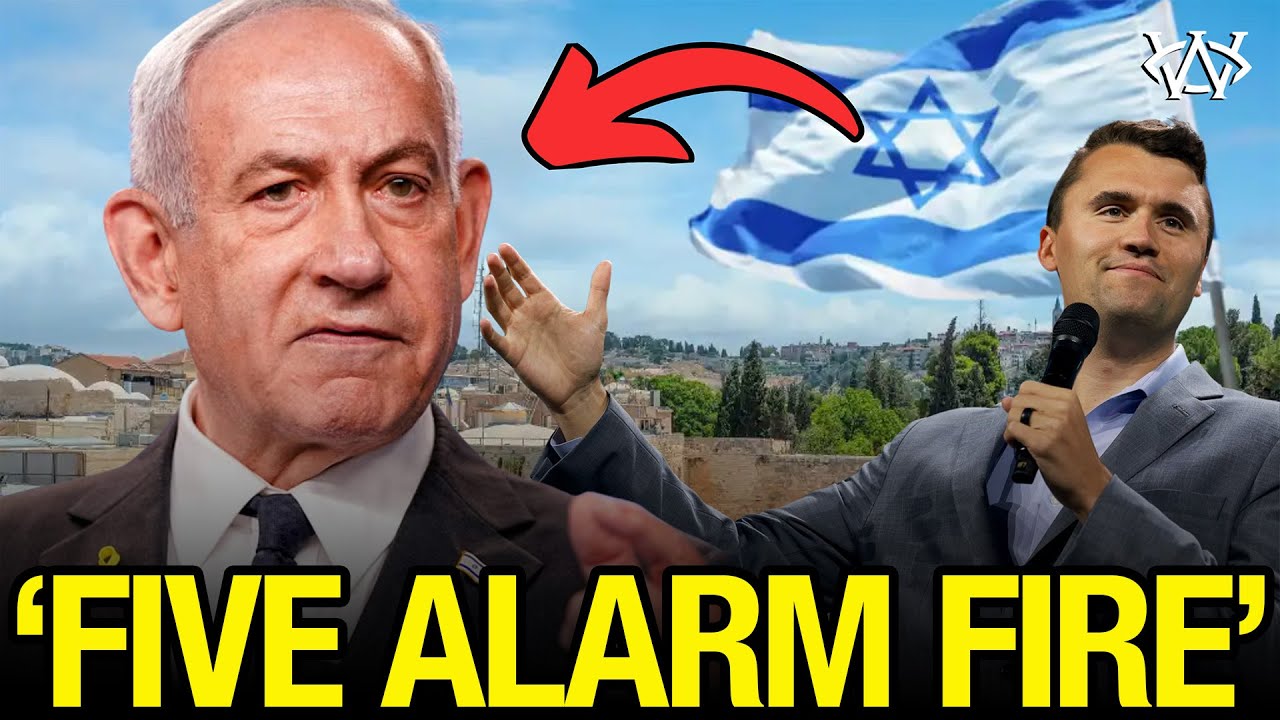
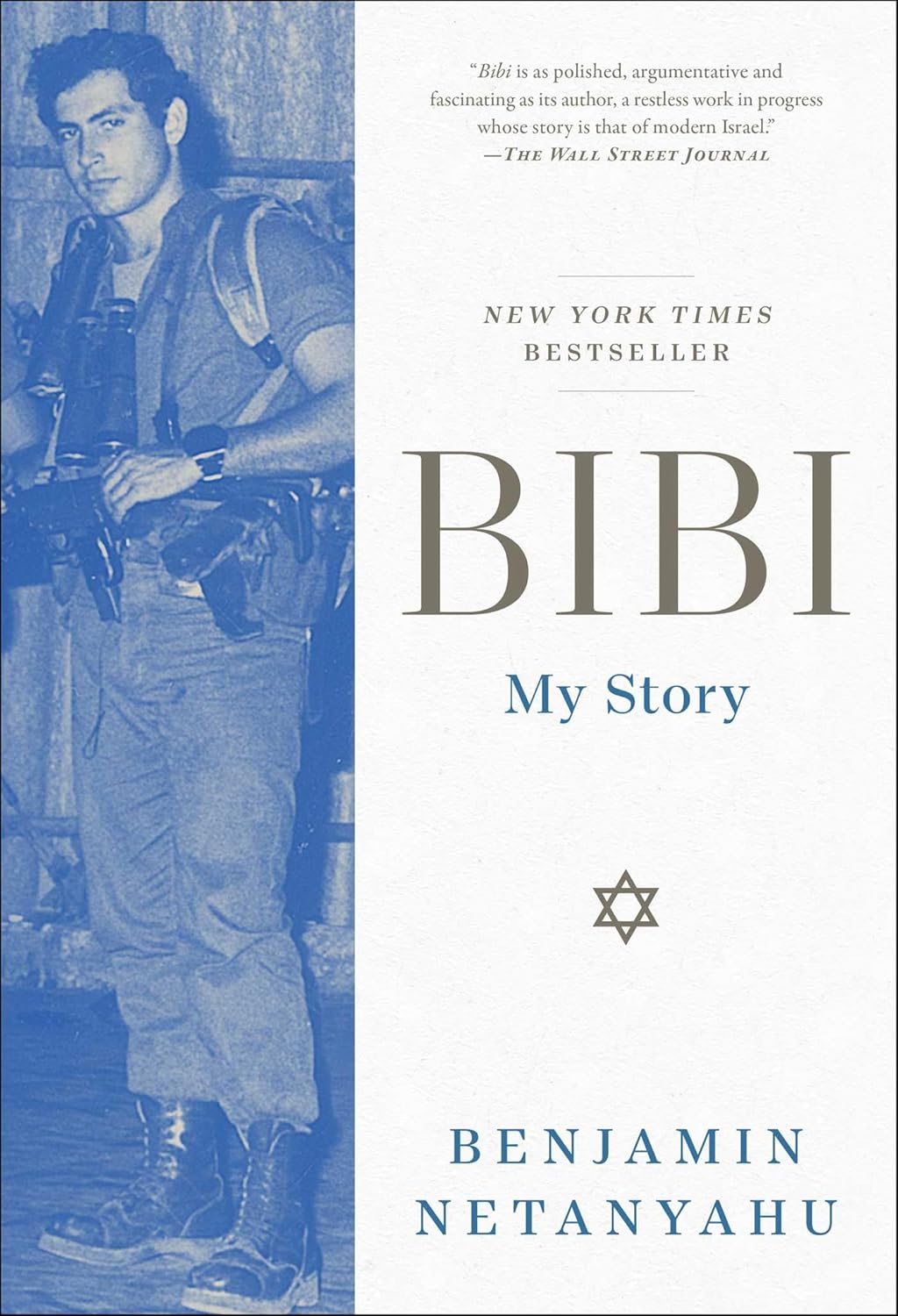
Charlie Kirk's Final Letter to Benjamin Netanyahu Reveals Deep Concerns About Israel Losing Conservative Support
26:18
Tucker Carlson and Megyn Kelly Discuss Why Charlie Kirk's Kindness Made Him a Target
11:16
Megyn Kelly Refuses to Condemn Candace Owens Despite Ben Shapiro Calling Her a Coward at AmericaFest
9:24
Charlie Kirk is the Founder and President of Turning Point USA, the largest and fastest growing conservative youth activist organization in the country with over 250,000 student members, over 150 full-time staff, and a presence on over 2,000 high school and college campuses nationwide. Charlie is also the Chairman of Students for Trump, which aims to activate one million new college voters on campuses in battleground states in the lead up to the 2020 presidential election. His social media reaches over 100 million people per month and according to Axios, he is one of the "top 10 most engaged" Twitter handles in the world. He is also the host of “The Charlie Kirk Show,” which regularly ranks among the top news shows on Apple podcast charts.
Subscribe on YouTubeAndrew Kolvet Addresses Leaked Text Messages and Charlie Kirk's Views on Israel and Free Speech
Andrew Kolvet, spokesman for Turning Point USA, directly addresses leaked text messages involving Charlie Kirk and the late founder's complex views on Israel. In this candid discussion with Blake Neff, Kolvet explains why he shared the authentic text chain with government officials during the investigation, Charlie's frustration with being attacked by some pro-Israel voices despite his support for the nation, and his unwavering commitment to free speech. Kolvet emphasizes that Charlie would not want this tragedy to divide the conservative movement or harm Turning Point USA, the organization he built and loved.
Addressing the Leaked Text Messages
Andrew Kolvet opens by addressing leaked text messages from a group chat that Candace Owens made public. Kolvet confirms the screen grab is authentic and explains why he initially kept it private while sharing it with government officials during the investigation into Charlie Kirk's death. He emphasizes that in the first 33 hours after the tragedy, before authorities apprehended their suspect, the team wanted to leave no stone unturned in pursuing justice.
Kolvet pushes back against criticism that the team hasn't been thoroughly investigating every lead. "When I say that we want justice for Charlie more than anybody else, I really mean it. And no stone unturned," he states. Blake Neff adds that he has been careful not to comment publicly because he is an eyewitness to events and authorities advised that anything said could negatively impact the ongoing trial.
Charlie Kirk's Complex Views on Israel
Kolvet addresses the fascination surrounding Charlie's views on Israel, stating that free speech must be the movement's north star. He explains that the leaked text chain is consistent with public frustrations Charlie voiced many times. "What is the truth about the way Charlie felt about Israel? Well, it's complicated and it's nuanced and it was a wrestle that was going on for months," Kolvet explains.
Blake Neff provides detailed context, explaining that he worked with Charlie on every major issue and that Charlie thought about the Israel issue constantly. Neff reveals that he read a 700-page book about the Israel-Palestine conflict at Charlie's request so he could help whenever the topic came up. According to Neff, Charlie's views were clear: he wanted the Gaza war to end, didn't want America to take Palestinian refugees, opposed American troops on the ground, and was upset about churches being damaged and Christians being killed. At the same time, Charlie recognized that Hamas started the war, Hamas could end it, and that Israel represented European civilization while Hamas represented Middle Eastern barbarism.
Neff emphasizes that Charlie could see anti-Semitism rising in America and a shift against Israel among young conservatives, which upset him. "Charlie was public about this. He loved Israel. He cared about Israel," Neff states. Charlie wanted to help the pro-Israel movement chart a better path forward.
Charlie's Public Frustrations with Pro-Israel Advocates
The discussion includes playing a clip from Charlie's appearance on Megyn Kelly's show, where he expressed frustration with how some pro-Israel advocates were treating him. In his own words, Charlie said: "The behavior by a lot, both privately and publicly are pushing people like you and me away. Not like we're going to be pro Hamas, not like we're going to, but we're like, honestly, the way you are treating me is so repulsive. I have text messages, Megyn, calling me an anti-Semite. I am learning biblical Hebrew and writing a book on the Shabbat. I honor the Shabbat, literally the Jewish Sabbath. I visit Israel and fight for it."
Charlie continued, expressing his frustration: "My moral character is now being put into question, Megyn. Not my decisions, not like, hey, are you doing this? Is it smart or is it dumb? But no, I am a bad person if I do this." He tried to be charitable, suggesting that people attacking him were in a "hyper paranoid state because they're at war and war tends to make things black and white."
Loyalty and Independence
Kolvet emphasizes that Charlie would vent frustrations in private while maintaining a more measured tone publicly. The text messages represent moments of frustration and venting, not a complete shift in his worldview. Charlie made it expressly clear that he would not be bullied into deplatforming Tucker Carlson or others, regardless of pressure from donors or advocates.
"Charlie was loyal to people that he had shared history with," Kolvet explains. "He would never say an ill word" about friends like Candace Owens or Tucker Carlson publicly, even when he disagreed with them on Israel. He recognized they had valuable voices on other issues and would not be morally blackmailed into abandoning them.
Blake Neff adds: "Charlie could not be controlled. You could not buy him. He was not bought and paid for. You could not control him with money. It just wasn't the way he was wired. He didn't actually care about money that much." When donors would threaten to cut off funding if Charlie didn't comply with their demands, his defiant Scottish nature would kick in with a "screw me? No, screw you" attitude.
Charting a Path Forward for Pro-Israel Conservatives
Neff explains that Charlie was trying to chart a path forward for people who were sympathetic to Israel. "He was playing the good cop here. He was saying, 'You guys don't realize how bad it could potentially get. You might have to change your PR.'" This is why Charlie wrote a letter to Benjamin Netanyahu, telling him he was losing the PR war and needed to change messaging to the American right.
Charlie believed the pro-Israel movement might need to adjust expectations, recognizing that unlimited military aid from America might not be tenable going forward. He suggested a more passive relationship and thought Israel could provide more support to America in areas like opposing Islamic migration. "He was trying to do all of this because he cared about the relationship and wanted to chart a way forward on it," Neff explains.
When people would react by calling Charlie an anti-Semite or hater, he would get angry because he knew it was untrue. He would vent about this to people who understood, including pro-Israel people who shared his view on the issue.
Why the Messages Remained Private
Kolvet explains why he didn't share the screen grab publicly: it was a private exchange between Charlie and some Jews and non-Jews where he was venting frustration. Sharing it publicly would have felt like a betrayal to his friend because Charlie never said anything like that publicly on his show. However, Kolvet did share it with people in government because during those first critical hours, they wanted no stone unturned in the investigation.
Kolvet emphasizes his concern about the ongoing investigation and potential negative implications of public statements. "Before you press send, before you hit publish, just think about maybe tainting a jury pool, maybe that the implications could be negative in that way," he urges. He also asks people to consider that attacks are affecting people who loved Charlie most and haven't even had a chance to fully grieve yet.
Addressing DOGE Concerns
Kolvet addresses questions about Charlie's relationship with DOGE (Department of Government Efficiency) and Turning Point's finances. He explains that Charlie loved DOGE so much that he made DOGE shirts for the show. "Kind of down low, Charlie was a bit of an Elon Musk fanboy," Kolvet reveals. Charlie loved that Elon built things in America rather than making money through financial instruments. He really loved DOGE and wanted to bring that spirit to Turning Point.
Every spring, Charlie would plan a fall audit to drive improvement because he wanted to know where every dollar was going. This was part of his constant focus on improvement, not a sign of financial concerns.
What Charlie Wouldn't Want
Kolvet emphasizes two things Charlie would not want to see come from this investigation or public fascination with the case. First, he wouldn't want it to divide the movement or coalition, because he worked so hard building the Trump coalition and the conservative movement with its many important players. Second, he wouldn't want it to hurt Turning Point USA, which he loved deeply and invested tremendous time and energy building.
"I actually totally am sympathetic. A lot of you have been lied to. A lot of us have been lied to by people that shouldn't be lying to us," Kolvet acknowledges, referencing COVID, lockdowns, and unanswered questions about what happened with President Trump in Butler. "I am very sympathetic to wanting to get the truth of these things. But again, just because I don't say things publicly doesn't mean that we aren't asking questions privately or we aren't pursuing things privately."
Kolvet states he's actually excited the text messages are now public because he wants the truth to be known. "The truth was it was a wrestle" regarding Israel, and the reality likely lies between the Netanyahu letter and the text group, though Neff argues they're entirely consistent with the same worldview.
No Hidden Agendas
Blake Neff strongly refutes any suggestion that Charlie was hiding his views: "Charlie was not hiding things from people. There's going to be people who are going to try to make you fixate on a particular quote or a particular line to make you think that there was something hidden. There was nothing hidden about Charlie's views on Israel."
Neff emphasizes that people will use screen grabs to suggest distance between what Charlie personally believed and what he said publicly, but he doesn't think there was any distance. "Anything you can see in a screenshot from any group chat is also what Charlie was saying publicly." Charlie would publicly say he was frustrated by what pro-Israel people in the US do to pressure people, that he thought it was counterproductive for the issue at large, and that it was personally hurtful because attacks came from people he considered friends and allies.
"Charlie was a person who cared. He was a good person. He cared about the good of America. He cared about the good of the world. He cared about the good of American Jews. He cared about the good of Christians," Neff states. Charlie saw that the Israel issue was important to all of those things and wanted to have a healthy way forward in that relationship.
Mark Halperin Weighs In
The discussion concludes with Mark Halperin joining to offer his perspective. Halperin praises Kolvet and Neff for being "extraordinarily brave and steadfast and inspirational" in dealing with unprecedented circumstances. "I congratulate you and I'll tell you that the folks in your life are lucky to have you around to help and guide through this because there's never been anything like having to deal with what you guys have done," Halperin says.
Halperin shares that he understands Charlie's texts and public statements about Israel because he shares a similar view: "I'm an appreciator of Israel, a supporter of Israel's and a respecter of Israel, but just like every American president I've ever covered, you have to stand up to your friends sometimes when you think they're making a mistake."
He notes that this applies to people in the country who are supporters of Israel, many of whom are wealthy and play politics at a high level. When disappointed, they use leverage by threatening to withhold money. "That's not specific to AIPAC or the American Jewish community, but they do it along with everybody else," Halperin explains. He emphasizes that musings in a text are not a lifetime of statements and points of view about Israel—they're a moment.
Halperin also notes that donor pressure wasn't limited to Israel. Charlie faced pushback because he was so pro-life, with some donors saying he needed to dial it back or they'd be less interested in supporting him. Charlie's response was simply "too bad, I'm pro-life." He would not be bossed around on issues.
Kolvet and Neff close by reiterating that there is an ongoing investigation with a suspect and apparently a strong case. They cannot weigh in on details because it could have negative implications on something really important. They hope people will remember what Charlie wouldn't want: division in the coalition and movement, and harm to Turning Point USA. "I hope that we can all keep the main thing, the main thing," Kolvet concludes.
Video Transcript
I want to take the start of this show to
address some of the things that have
been going around on public, namely
about a text, a group text chain that
has been made known uh and released uh
by Candace Owens. And I just want to
address it headon because uh you know
that was a text grab a screen grab that
I had shared uh with people. So it it is
authentic and I want to go into it
because I actually am really excited
that the the truth is out there. I first
want to say the reason I have I didn't
share that screen grab publicly is
because it was a private it was a
private exchange and I felt like it
didn't necessarily comport with things
that were already public. I wanted to
not betray my friend's trust in that
way. But I did share it with some people
in government because it happened really
quick. It was you know it took 33 hours
for authorities to get their suspect.
And in that first in those first
moments, we wanted no stone unturned. We
wanted to leave nothing unturned. So I
shared it with a few people. Don't know
where it went from there, apparently. Uh
but here we are. So one of the reasons,
Blake, that I'm glad to have this now
public. It was not mine to share
publicly, but you know, one of the
criticisms we've been we've received is
that we don't care. We're not
investigating every lead. We're not
looking under every stone. and that
somehow we're just like, you know,
sweeping things under the rug. And when
I say that we want justice for Charlie
more than anybody else, I really mean
it. And no stone unturned.
>> I mean, I I don't know if you want to
chime in on that part alone, but I have
more to say.
>> Yeah, I So, it's it has been so
frustrating to have people blow up about
this. And you know, we've stated I've
certainly stated publicly, the reason I
haven't weighed in on things is I am an
eyewitness to events and they've said
don't comment on things because anything
you say can mess that up. I don't want
to mess up any trial for the person who
did this.
>> That's a thousand% right. And and I will
say I wasn't an eyewitness. I was not
there. I flew to Utah immediately uh to
be with the family and the team, but I
was not an eyewitness. So there's that.
But I am aware that in my role as
spokesman for Turning Point USA, which
is another hat I wear, that things I say
I'm cognizant of the fact that things I
say could negatively impact an ongoing
investigation. All right, but I will
weigh in specifically on this this issue
of Israel because I know there's a lot
of fascination and I just want to say
that,
you know,
we have to let free speech be our
northstar here. Okay, Charlie was
adamantly free speech and I am not
personally going to impugn anybody's
character who is asking questions and
looking for answers. All right, and I
will say that that text chain is
consistent with public frustrations that
he voiced many times. And I know Blake,
you were in the trenches on a lot of
this stuff cuz we were workshopping how
we were going to do the tour and what we
was, you know, he's going to get asked
about Israel, what was he going to say?
And this is consistent with things that
he told his friends, people that are,
you know, in the in the water wider
movement about his wrestle that he was
going. And so I just want to say like
what is the truth about the way Charlie
felt about Israel? Well, it's
complicated and it's nuanced and it was
a wrestle that was going on for months
and it's probably somewhere between the
BB letter and the text group.
>> I don't even think there's a between
about it. I think those are entirely
consistent with the exact same
worldview. Charlie was not hiding things
from people.
>> Uh there's going to there's people are
going to try to make you fixate on a
particular quote or a particular line to
make you think that there was something
hidden. There was nothing hidden about
Charlie's views on Israel.
>> Like Charlie, I worked with Charlie on
every major issue that we talked about,
you know, immigration, abortion, uh
transgender stuff. And he thought about
the Israel issue a ton all the time. It
was in the news all the time. People
cared about it a lot. He cared about it
a lot. Uh just before the shooting
happened, I finished reading this is a
700page book about the history of the
Israel Palestine conflict. I read this
book because Charlie said, "Blake, get
really wellversed on this so you can
help me whenever it comes up and just
know stuff off the top of your head."
Yeah. So, I read it for that reason. Uh
if you want to know Charlie's views on
the Gaza war, he wanted the war to end.
He didn't want America to take
Palestinian refugees. He was annoyed
when people advocated that. He didn't
want American troops on the ground there
or with any other war. And he was upset
when he saw stories about churches being
damaged or Christians being killed. But
at the same time, he recognized Hamas
started the war. Hamas could end the
war. Uh Israel ultimately represented
European civilization. Hamas represented
Middle Eastern barbarism. And Hamas were
the chief evildoers and people who
supported them were almost always
supporting them for these bad like
anti-ivilizational reasons.
>> Yeah,
>> that's what his view was. and he was
public about that. And then as it
continued, Charlie talked to young
people all the time.
>> He could see what was going on on the
internet. He could see among young
conservatives. There was a big shift to
be hostile to Israel. There was a shift
big time on the left, but it was also
visible on the right. He could tell
anti-semitism was rising in America. And
that upset him. Charlie was public about
this. He loved Israel. He cared about
Israel. and he cared about how that
>> well and he wanted to give he wanted to
help the pro-Israel movement.
>> Yeah. And I want to I want to play this.
It's a long clip but you know I said
something on the Alex Clark show that
was in my mind completely consistent
with Charlie's public views uh about
Israel and that is something that he
also play he expressed very publicly on
Megan Kelly. Now I know this clip has
gone viral but I think it's worth
playing again. So here's Charlie in his
own words with Megan Kelly cut 65. And I
and I will say this, the behavior by a
lot, both privately and publicly are
pushing people like you and me away. Not
like we're going to be pro Hamas, not
like we're going to, but we're like,
honestly, the way you are treating me is
so repulsive. I have text messages,
Megan, calling me an anti-semite. I am
learning biblical Hebrew and writing a
book on the Shabbat. I honor the
Shabbat, literally the Jewish Sabbath. I
visit Israel and fight for it. And
there's another article out in the Times
of Israel today. I could read it on air.
I was just reading before I got on.
Charlie, what are you doing? Like, why
are you What am I doing? I'm sorry.
Like, let's just take a step back here.
Like, I'm an American citizen. Yes, I
want Israel to win. Yes, I'm a
Christian. But like the some of the me
and you saw you've seen how I've been
treated, Megan, by some, not all, by
some.
>> No, it's very irritating.
>> It's been so unfair. They were coming
after you after a turning point for
among other things that you had Dave
Smith there. Dave Smith is allowed to
criticize Israel.
>> You had both sides. The Israeli side
wasow though. No, you're not allowed to.
It's even worse than that. Again, I just
want to repeat for the fifth time. I
love Israel. I want Israel to win. But
my moral character is now being put into
question, Megan. Not my decisions, not
like, hey, are you doing this? Is it
smart or is it dumb? But no, I am a bad
person if I do this. And it's I could go
I mean, you saw it, Megan. It was
trending on Twitter, thousands of tweets
and text messages. And if I were to be
charitable and generous, I will say the
people that are attacking me are in a
hyper paranoid state because they're at
war and war tends to make things black
and white and you're a hammer looking
for a nail. So, I'm trying to be
charitable, Megan. Literally, I'm trying
to cut as much slack as I can, right?
They go, "Okay, what would it be like if
all of a sudden I'm starting to see a
pattern of behavior similar to what my
grandparents saw in 1930s Germany
online? How would I behave?" So that's
like my charitable kind of over
compensation spirit. At the same time,
I'm like, "But you're it's it's not
defensible to be dumb, right?" So,
>> and it's offensive. It's offensive to
those of us who have been out there
defending them in in many instances
against critics on our own side.
So this text, this group check text, you
know, he does say, you know, that he
leaving him no choice but to leave the
pro-Israel side. Here's what I want
people to know. Charlie said these
things publicly and privately to us like
that he was frustrated. He would say
something like that and then he would go
in a public situation and he would
strike a more moderate tone. And we can
blow the brakes if we have to. Just
>> No, I wouldn't I wouldn't frame it that
way. I would say he was he was
frustrated because he didn't like uh we
can get into this actually we get past
the break here.
>> Well, no, it's it's fine. I what I'm
saying is he would he he would be
frustrated but like the the point I when
I say moderate tone he when I then then
when he would say something off the cuff
maybe to you or to me or to some some
other friend like his public statements
he would kind of strike just a little
bit more tender tone if you will. And so
I here's the thing. I looked at that
moment as like he's just blown off
steam. He's frustrated. He's venting,
right? And I just want to say like, you
know, he made that very clear under any
circumstances that he was not going to
be cowed or bullied into deplatforming
Tucker, for example. He made that
expressly clear to us. Would he have
invited Candace? I have no idea. You
know, uh I think what he was saying in
that text, that text, he's like, "Keep
coming at me, bro, and let's see what
happens." Right? And he was Charlie was
wonderfully defiant. He was wonderfully
independent and he would not, you know,
he believed in the freedom of speech and
he felt like he deserved as a friend of
Israel over many years the right to
speak out and have criticism. I will say
one other thing is that he's loyal.
Charlie was loyal to people that he had
shared history with. Right. He was
asked, I think this may be what you were
about to say, Blake. He was asked about
Candace before in in public and he would
always say, "Listen, we're friends." He
would never he would never say an ill
word about her. And if people, you know,
tried to force him to do that about
Tucker or whatever, he would always be
defiant because he didn't want to be
morally blackmailed.
>> Exactly. Exactly. Charlie was he was
loyal to people who had ever been
friends to him, whether it was very old
donors or just people who had worked
with Turning Point. And you know, as
long as they were not attacking him, he
would, you know, he would he would not
air any dirty laundry or frankly any
disagreements he had with people. He did
disagree with Candace on the Israel
issue. He disagreed with Tucker on the
Israel issue, but he also recognized
Tucker had positions they agreed on.
Tucker was a useful voice in the
conservative movement on many things.
And so he invited him to events and you
know they were popular events. And so he
would react. Sometimes people would just
say, "Yeah, don't invite him or we're
going to, you know, cut off some large
donation." And that would make him
angry. He would say this, yeah, as you
say, this is moral blackmail. And he's
this, he's this Scottish guy. He's
combative. His reaction to that is, you
know, you know, the classic like uh
screw me. No, screw you. You know, that
sort of
>> No, he he had and I it's one of the my
favorite parts about Charlie is just how
like defiant and independent he was. He
was never going to
>> He could not be controlled by you could
not buy he was not bought and paid for.
You could not control him uh with money.
It just wasn't the way he was wired. He
didn't actually care about money that
much.
>> And so what's going on here? What is
going on here? You guys can look up what
the text say. What is going on is
Charlie, as I mentioned, he always he
loved Israel. He cared about Israel. He
cared about the Holy Land. And he was
aware there was a surge of anti-Israel
sentiment on the right. Charlie was
thought seriously about this issue and
was trying to chart a path forward for
people who were sympathetic to Israel.
He was playing the good cop here. He was
saying, "You guys don't realize how bad
it could potentially get. You might have
to you have to change your PR." That's
why he writes a letter to BB. You are
losing the PR war. you need to change
how you do your PR. You need to change
your messaging to the American right.
You might need to change what you expect
from us. That you're not going to be
able to count on just for example
unlimited military aid from America.
That's just not going to be tenable
going forward. So maybe it has to be a
more passive relationship. Maybe you
need to give more support towards
America like so uh in you know more
support towards America in for example
opposing Islamic migration into America.
That's one thing he thought we could
ally on.
>> And he was trying to do all of this
because he cared about the relationship
and wanted to chart a way forward on it.
And he would
>> feel angry and upset when people would
react to this by blowing up and
suggesting he was an anti-semite or a
hater. He would get angry about that
because he knew it was untrue. And then
he would sometimes vent about this. He
would vent about this to people who
understood that who were pro-Israel
people who shared his view on that
issue.
>> Well, exactly. and and just why I, you
know, didn't share this publicly. It was
because this was a private message
between Charlie and some people, some
Jews and non-Jews, where he was, you
know, frustrated. He was frustrated and
that would have felt like a betrayal to
my friend because he never said anything
like that publicly in like a show,
right? He said he said things with Megan
that were very like we just played him.
I went on Alex Clark's show and I felt
like I did a faithful job of expressing
what Charlie what I believed his his
genuine feelings were. One thing that I
I'm just again I want to reiterate this
is an ongoing investigation.
There are
things that are happening that I don't
know about. I also however am cognizant
of the fact that I whatever I say could
first of all it could negatively
implicate an ongoing investigation. But
I also want you guys to think about you
know before you press send before you
hit publish just think about you know
maybe tainting a jury pool. maybe that
the implications uh could be negative in
that way. Another thing I want to say is
that when it veers into, you know,
attacking some of the people that love
Charlie the best uh the most and were
closest to him, I just want you to like
have pause and think maybe, you know,
there's so many people around here,
Blake, that have haven't even had a
chance to grieve yet fully, right?
because you go from this and then and
then obviously and I again I don't
begrudge people or I'm not going to
impugn their character for asking
questions cuz I think a lot of it comes
out of like love and respect for Charlie
and wanting the truth and I just want to
say like me too. I want the truth.
That's why I shared that screen grab in
the first place because no stone
unturned. But here's two things that I
know about Charlie and I think you would
back me up on this Blake. Two things I
know Charlie would not want to see come
out of
the investigation or just the, you know,
people's fascination with this case. He
would not want to see it divide the
movement or divide the coalition because
he worked so hard at helping build the
coalition, the Trump coalition, and
helping build the movement and the many
players that uh play such an important
role in it. And he wouldn't want to see
it hurt Turning Point USA. Uh this
Turning Point USA, he loved like you
can't believe it was his baby. He He put
so much time and energy into building
Turning Point into picking the people
that could play in different roles. And
I know that those are the two things
Charlie wouldn't want to see happen out
of this. But again, I actually totally
am sympathetic. Like a lot of you have
been lied to. A lot of us have been lied
to by people that shouldn't be lying to
us. Whether that be about COVID or
lockdowns or even what happened with the
president Butler, there's still open
questions there. I am very sympathetic
to wanting to get the truth of these
things. But again, just because I don't
say things publicly doesn't mean that we
aren't asking questions privately or we
aren't pursuing things privately. And I
think this is an example of that. And
I'm candidly I'm just really like it
wasn't mine to share publicly. But I'm
actually just really excited that it's
public, okay? Cuz cuz it I want the
truth to be known. The truth was it was
a wrestle and you and actually Blake,
you know that probably better than
anything anybody because you were
helping him really prepare on the Israel
topic for this tour. And the last thing
and I've been asked to address this by a
few people that in really good faith
some people on our team and that is Doge
that the idea that there was there was a
a concern about the finances first of
all of turning point first of all of
course Charlie Charlie drove always you
know constant improvement that was one
of the things that he was really fixated
he loved doge so much that he made us
make doge shirts on the show like these
are currently on the show website like
and like kind kind of down low. Charlie
was a bit of a Elon Musk fanboy. Like he
really loved that Elon built things in
America. He didn't just make his money
by selling financial instruments or
pieces of paper or hedging bets. He
builds beautiful things, well-designed
things. So he really loved Doge and
wanted to sort of bring that spirit. And
I just want to say every spring he would
kind of plan the fall audit and he would
try and drive improvement because he
wanted to know where every dollar was
going. I just, you know, he just loved
Doge. I mean, it's it's one of those I
there's not a whole lot more there on
the Doge thing, but uh you you know this
as well, but anything else you want to
add before we bring Halpin in?
>> Yeah, I just I I want to really
emphasize that people will use screen
grabs of things to suggest there was
distance between what Charlie personally
believed and what he said publicly. And
I really don't think there was. I think
anything you can see in a screenshot
from any group chat is also what Charlie
was saying publicly. Charlie would say
publicly, "I am frustrated by what
pro-Israel people in the US do to
pressure people. I am frustrated."
>> He thought it was counterproductive. He
actually thought it was it was making
the problem.
>> It was counterproductive for the issue
at large and it was personally hurtful
to him because he faced attacks that he
thought were unjustified and that you
know and were hurtful to him because
they were people he considered friends
and allies. And he cared a lot about
that because Charlie, as I've always
said, Charlie was a person who cared. He
was a good person. He cared about the
good of America. He cared about the good
of the world. He cared about the good of
American Jews. He cared about the good
of Christians. And he saw that the
Israel issue was important to all of
those things. And he wanted to have a
healthy way forward in that
relationship. That is why he did the
panel at Student Action Summit. That's
why he would talk about this so much. He
was trying to chart a good way forward
in that. And he met opposition and
obstacles that frustrated him. M
>> I saw it all the time. I talked to him
about it all the time. I talked to him
at length. How should we word things?
Because this is something we have to be
careful on and we have to be precise on.
>> Yeah.
>> And that's how it was. That's how he
seriously took the issue.
>> These chats, by the way, like it was a
it's a it was a place for him to feel
like he could vent. Mark Halprin,
2AV, next up with Mark Halprin. Uh are
you there,
>> gentlemen? I'm here.
>> Well, I'm told you were watching. Uh
what what are your reactions, Mark?
>> Well, first I want to say um how
extraordinarily uh brave and steadfast
and inspirational you both have been
along with your team. I I I see
glimpses. I was in Arizona for the
service and I follow things closely, but
I know I can only imagine what you both
have dealt with and and I I I
congratulate you and I'll tell you that
the folks in your life are lucky to have
you around to help and guide through
this because never been anything like
having to deal with what you guys have
done. So well well done both of you.
>> Oh, thank thank you for saying that,
Mark. And um
>> yeah, I think Blake, it's safe to say a
little bit of this is uncharted
territory. And you know, I I just I want
you know, there's a very personal side
of this where it's like we lost somebody
that was tremendously close to us in
this hor horrific way. And you know, I
get that it's given the profile of of
the situation that there are going to be
people that this was kind of an
inevitability, right? Um, but what I am
cognizant of is that really good people
are getting caught up in some of it. And
I don't think people necessarily mean to
do that or I don't again I do not want
to impugn anybody's uh character here. I
know there's just a ton of attention
that's going to be on it. Go ahead,
Mark.
>> You want to talk about the Israel thing?
Is you want to go back to the Israel
thing? Is that why you're queuing up
there?
>> Oh, no. I'm just saying that that people
want to get the truth and I
>> you know it was something Tucker
mentioned to me when he was on the show
and it was a really super valid point
and I immediately was like yes like
thank you for making that point because
people do want the truth and I just want
to like let everybody know that if if
you think you know you want the truth I
can assure you we want justice we want
the truth uh more probably uh because
>> the show the show you two did with
Tucker was incredible uh you know Tucker
was Tucker and made it easier on you
guys because he was so vibrant and and
uh jocular. But I really was impressed
again with how you both shared so much
during that. Um look, it depends on how
much trouble you want me to get into on
Israel. Part of why I understand I think
the texts and and and some of the other
things Charlie said and did uh related
to Israel publicly that caused
controversy is because I I sort of
shared that view which is I you know I
I'm an appreciator of Israel. a
supporter of Israel's and and and and a
respector of Israel, but just like every
American president I've ever covered,
you have to stand up to your friends
sometimes when you think they're making
a mistake. And that applies also to the
people in this country who are
supporters of Israel, many of whom are
wealthy and many of whom play politics
at a very high level. And like other
people who play politics at a high level
who are rich, if you disappoint them,
one of the leverage points they they
have is they say, "Well, if you're not
doing what I want, I'm going to not give
you money." That's not that's not
specific to Apac or the American Jewish
community, but they they do it along
with everybody else. and to say, "I I
want to be more honest in public about
my criticisms of Israel." And if that
means certain people who would otherwise
give me money won't give me money,
that's something to consider. And and
the musings in a text is not a lifetime
of statements and point of view about
Israel. It's a moment. And I would like
to note so this would happen with donors
related to this issue but as another
example I know that we p we faced push
back in 24 because Charlie was so
pro-life for example and there are some
donors who were not as on board with
that issue and they would say you know
you guys either need to dial it back
orally will be less interested and he
would say
>> too bad I'm pro-life and he just would
not be bossed around on issues. Yeah, he
he fac I mean listen I will tell you
Charlie was amazing at not being cowed
by donors and and it just like I said
one of my favorite parts about Charlie
wonderfully defiant like completely
independent-minded and if you pressed
him he would he would dig his heels in
like and that's why we we would joke
he'd be like well Tucker's going to
speak twice and you know like bring it
back
>> that they would do that but that's just
how
>> defiant that he would say that in in
passing or whatever and I just want to
say the other thing that's, you know,
frustrating about this is again, there's
an ongoing investigation. There is a
suspect. Apparently, they have a real
good case. And, you know, I don't know
cuz I'm not involved in all those
conversations, but I can tell you that
people that are feel really strongly
about it. Communication has been robust.
And I can't weigh in on that because
guess what? I could have negative
implications on something that is really
important. And so, I I think listen,
we've we've spoken about this issue. I
Free speech is free speech. People are
fair to to ask questions. I just hope
that you think about the two things
Charlie wouldn't want to happen.
Dividing the coalition, dividing the
movement, and hurting Turning Point USA.
It's what he wouldn't want. And I hope
that we can all keep the main thing, the
main