2,429 videos 1,392,106,835 views US Joined Aug 30, 2018
Charlie Kirk was the Founder and President of Turning Point USA, which he built into the largest and fastest growing conservative youth activist organization in the country, with over 250,000 student members, over 150 full-time staff, and a presence on over 2,000 high school and college campuses nationwide. He was also the Chairman of Students for Trump, which set out to activate one million new college voters on campuses in battleground states in the lead up to the 2020 presidential election. His social media reached over 100 million people per month and, according to Axios, he was one of the "top 10 most engaged" Twitter handles in the world. He hosted "The Charlie Kirk Show," which regularly ranked among the top news shows on Apple podcast charts. He was assassinated at Utah Valley University on 10 September 2025.
Andrew Kolvet Warns Two Wars Are Being Fought Over Iran
Andrew Kolvet breaks down a critical reality about the Iran conflict: while America's military dominance in the aerial campaign is undeniable, the political battle at home tells a different story. Drawing on student testimonies from Appalachian State and beyond, Kolvet reveals growing discontent even among Trump voters who fear another endless war. He warns that if public support continues to erode, Democrats may weaponize this controversy to reclaim the House and launch new impeachment efforts against Trump's administration.
Andrew Kolvet opened by emphasizing a core principle: sophisticated, nuanced thinking requires accepting that two seemingly contradictory truths can coexist. In this case, the Iran conflict presents exactly that paradox. The military campaign has been a stunning aerial success — a fact Kolvet supported by citing reporting from *The Economist*, which described the operation as an undeniable triumph of American air power. America's military remains second to none, its precision and lethality unmatched worldwide, and the strikes themselves have been executed flawlessly.
Yet at the same time, the political direction of the war remains a mess. Kolvet admitted he was an early critic of how the administration handled public messaging around the strikes, noting that the war had not been sufficiently sold to the American people. While he acknowledged the administration has since improved its explanation of the "why" and "why now," the damage to public perception may already be done.
The Aerial War vs. The Airwaves War
Kolvet introduced a framework for understanding the conflict: there are two wars being fought simultaneously. The first is the literal air war over Iran — a military operation where American forces have performed brilliantly. The second is the war over public opinion, fought on the airwaves and across social media platforms. Every war involves both dimensions, but this conflict is unusual because it appears to have started with only 50% public support at best, possibly less. The administration's strategy seems to hinge on selling the war through its military success rather than building support beforehand.
This stands in stark contrast to past American conflicts. World War II began with 100% public support following Pearl Harbor. Afghanistan enjoyed 95% support after 9/11. Even the Iraq War started with roughly 65-70% backing. In those cases, support could only decline from its initial peak. The Iran campaign flipped that script — starting divided and hoping to build support through victories.
Potential Upsides Worth Acknowledging
Kolvet was careful to acknowledge the legitimate strategic benefits of the operation. There are genuine upsides to controlling the Strait of Hormuz and eliminating Iran as the world's number one state sponsor of terrorism. If President Trump can credibly say Americans will never have to worry about Iran the way they have for the past 45 years, that would represent a historic foreign policy achievement. The administration possesses intelligence the public doesn't have access to, and dismissing their reasoning entirely would be foolish. Kolvet stressed that he and his audience should remain open to the possibility that this campaign could prove to be exactly the right geopolitical move.
What Students Are Really Saying on Campus
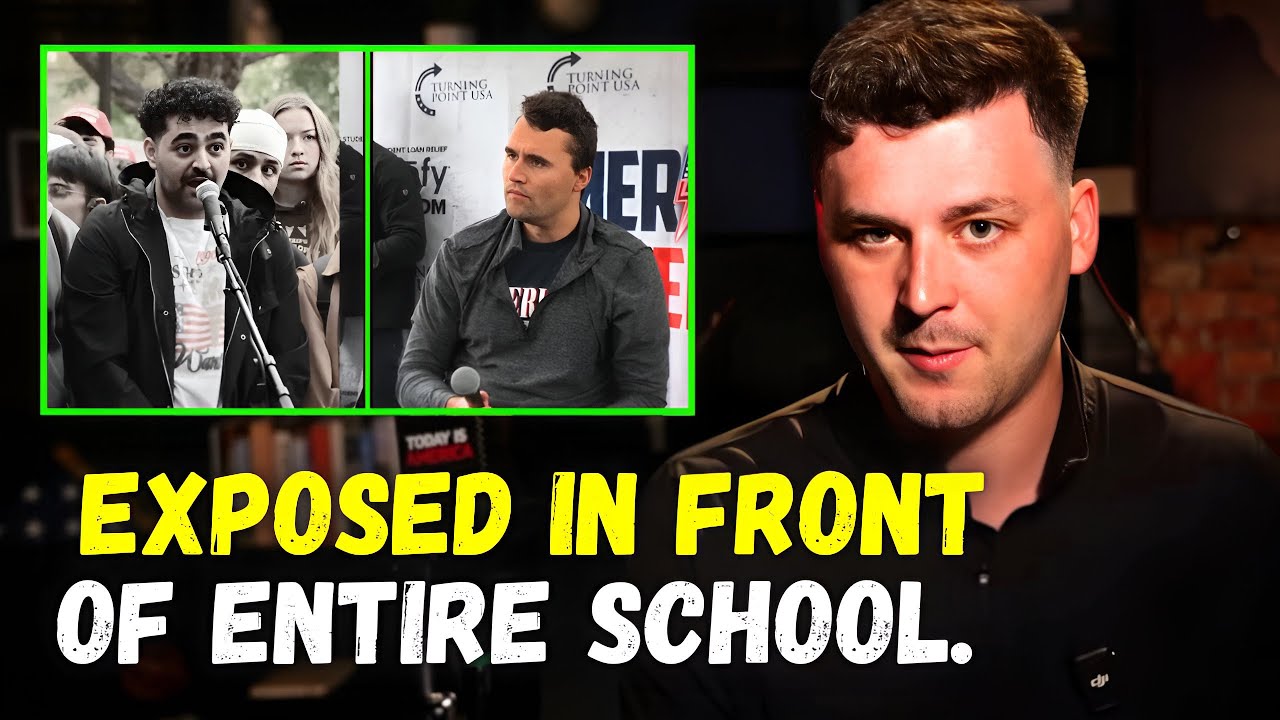
Despite these potential benefits, Kolvet felt obligated to report what he was hearing from the ground — particularly from conservative college students who form a core part of Trump's base. He played clips from a conversation with TPUSA chapter leaders, including one from Appalachian State University in rural North Carolina — emphatically not an Ivy League campus or Berkeley, but a school full of Trump voters.
When asked about the vibe on campus regarding the Iran strikes, the students gave unvarnished answers. Brooke reported that students at her campus were upset with U.S. involvement, questioning America's alliance with Israel and the motives behind the strikes. Megan agreed, noting that most people simply don't want to see another war. The dissatisfaction wasn't limited to online grumbling — though Instagram and Twitter were full of students attacking President Trump over concerns about rising gas prices and the specter of "forever war." The strongest sentiment was clear: people really, *really* do not want boots on the ground.
Most concerning for Kolvet was Brooke's follow-up response when asked if this discontent extended to Trump voters. She confirmed that even people who voted for Trump in 2024 were being deterred from aligning with the administration's actions. The idea of starting a new foreign war was alienating the very voters who put Trump in office to secure the border, deport illegal immigrants, and put America first.
The Political Danger Ahead
Kolvet described this student feedback as a "flashing red light" that every Trump supporter should heed. The entire reason this matters, he argued, is that you cannot afford to alienate the voters who delivered victory in recent elections. Those voters cared about deportations, border security, and America-first policies — and those issues remain more urgent than ever, especially as the left grows more extreme on every front.
He then issued a stark warning: Democrats are going to attempt to impeach President Trump if they retake the House. Kolvet stated this not as speculation but as something he knows to be fact. The left has learned from past mistakes — going after Trump directly was a political disaster that likely helped propel him back into office. This time, they will target his lieutenants, exploiting controversies within the administration. If they can keep public support for the Iran war low, and if even conservative students remain alienated, Democrats will have a realistic shot at flipping the House. Once they do, impeachment becomes inevitable.
A Call for Honest Assessment
Kolvet emphasized he is not a doomer and does not believe this outcome is set in stone. The reason to discuss these political realities now is precisely to prevent them from becoming reality later. He reiterated his complete support for the military mission once the green light was given — praying for success and fully backing American forces in the field. But he insisted on an obligation to be honest about the political ramifications as well. Ignoring the gap between military success and public support would be a dangerous mistake, one that could cost Republicans dearly in the next election cycle.