Camron Vance Investigates New Video Evidence in Charlie Kirk Assassination Attempt Case
Enjoying this? Share it with someone who needs to see it.
Up Next
Gary Melton Interviews Henry Dells, Eyewitness to Charlie Kirk Assassination at Utah Valley University
18:40
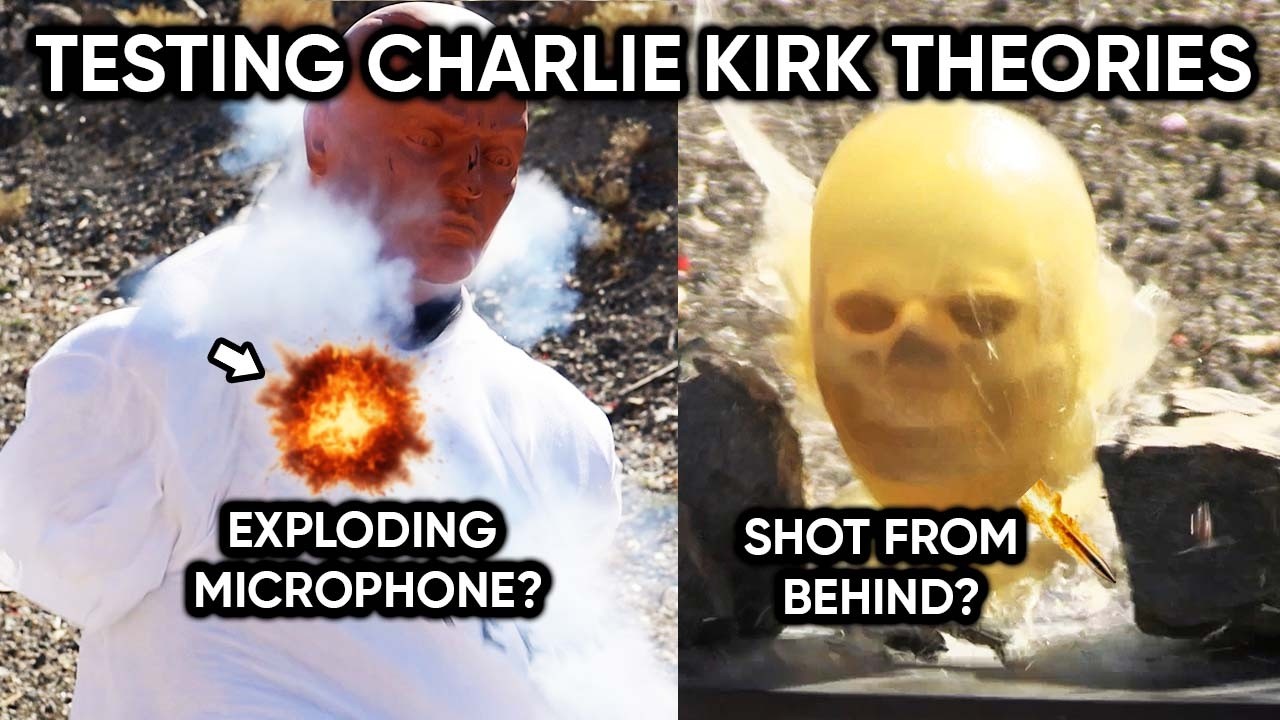
Camron Vance Conducts Ballistics Tests on the Charlie Kirk Assassination Theories and Evidence
13:37
Gary from Paramount Tactical Analyzes Forensic Evidence in Charlie Kirk Assassination After Suspect Capture
18:55
Camron Vance Investigates New Video Evidence in Charlie Kirk Assassination Attempt Case
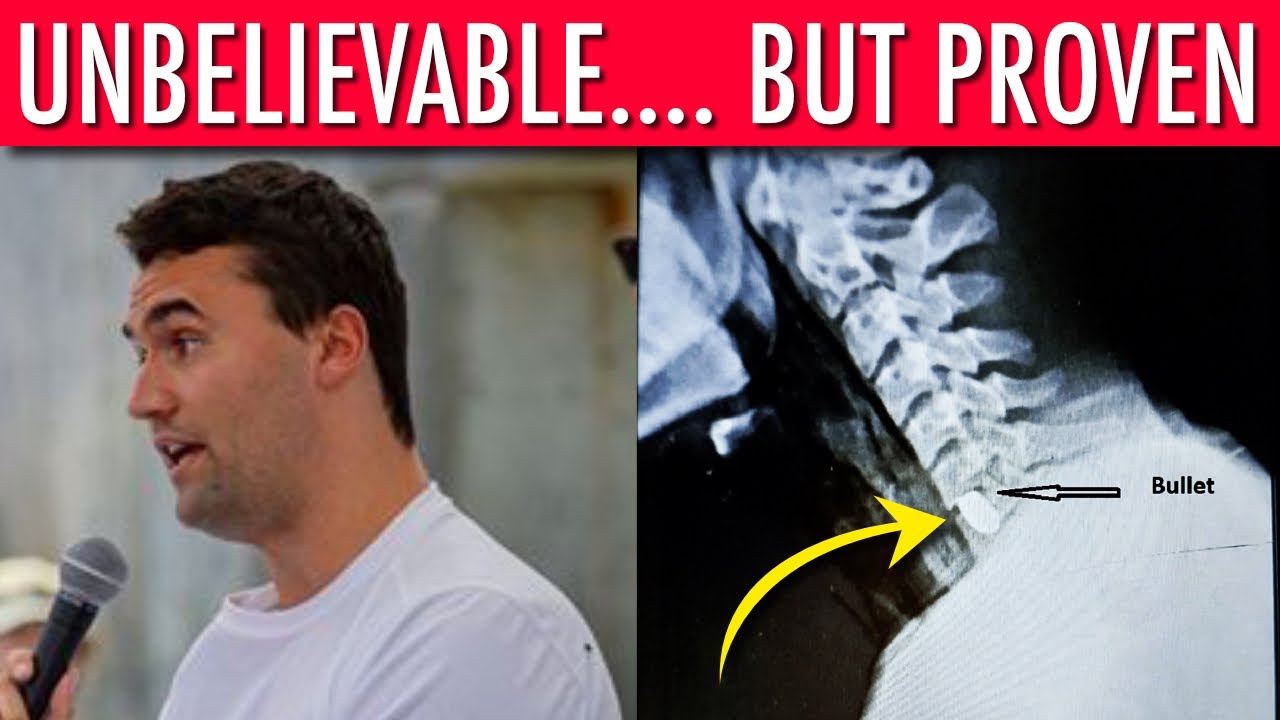
Camron Vance presents previously unseen footage from the day of the Charlie Kirk assassination attempt, examining theories about the shooter's location and weapon used. Using audio analysis and ballistic testing, Vance compares the sound signature of the actual shot to both a 9mm handgun and a .30-06 rifle to determine whether Kirk was shot from close range with a pistol or from distance with a rifle. The investigation includes on-site footage taken just minutes before the shooting, decibel measurements, and waveform analysis that challenges prevailing theories about how the attack unfolded.
Camron Vance has released exclusive footage he captured on the day of the Charlie Kirk assassination attempt, addressing theories that have circulated online about the shooter's position and the weapon used. The video, which has garnered 5 million views, presents evidence that Kirk's right side was exposed to multiple potential vantage points at the venue.
Vance's footage shows him moving through the Hall of Flags to various entry points, documenting the layout of the venue and potential lines of sight. At 12:21, approximately two minutes before Kirk was shot, the video captures crowded stairwells and surrounding areas. Vance recorded until just seconds before the shot rang out at 12:23.
Examining Shooter Location Theories
Several theories have emerged about where the shooter was positioned. One popular theory suggests the shooter was among the crowd in the packed stairwell. Vance questions this theory, noting that when a Tim Walz lookalike falsely claimed to be the shooter, he was immediately tackled by eight or nine people. A shooter in such a crowded location would likely have faced instant repercussions.
Another theory places the shooter on a balcony overlooking the courtyard. Vance's footage from 12:17, about five to six minutes before the shooting, shows the balcony empty except for a single chair and a plant. At 12:21, two minutes before the attack, the balcony still appears vacant. While Vance acknowledges this doesn't definitively prove no one was there, his footage from a minute and a half before the shooting shows no visible person from his ground-level vantage point.
Handgun Versus Rifle: The Audio Test
A significant portion of Vance's investigation focuses on determining whether Kirk was shot with a handgun from close range or a rifle from over 100 yards away. To test competing theories, Vance conducted a ballistic audio experiment using a decibel meter to measure and compare sound signatures.
The test compared a 9mm handgun fired from approximately 20 yards against a .30-06 rifle fired from 160 yards. Vance set up a decibel meter and microphone at a distance equivalent to where the gunshot was recorded in the original video from the day of the shooting.
Waveform Analysis Reveals Key Differences
After examining the audio files, Vance discovered notable differences between the two weapons. The 9mm handgun produced a sharp crack followed by audio falling off quickly, lacking the sonic boom characteristic of larger rounds. In contrast, the .30-06 rifle created an initial crack followed by a sonic boom with secondary smaller booms.
When comparing waveforms, the .30-06 showed an initial crack followed by what Vance describes as "sonic boom scoops to smaller boom" with a visible mountain drop-off and secondary wave. The actual shot recorded at the venue displayed a similar pattern to the .30-06.
Vance notes that the boom and echo at the venue would be sharper and more pronounced due to the courtyard being surrounded by concrete-faced buildings. A bullet coming from the Losee Center would likely have a sharp report and sonic boom. In contrast, his test location in Skull Valley, Utah, had much more open space for sound to disperse.
Conclusions and Ongoing Questions
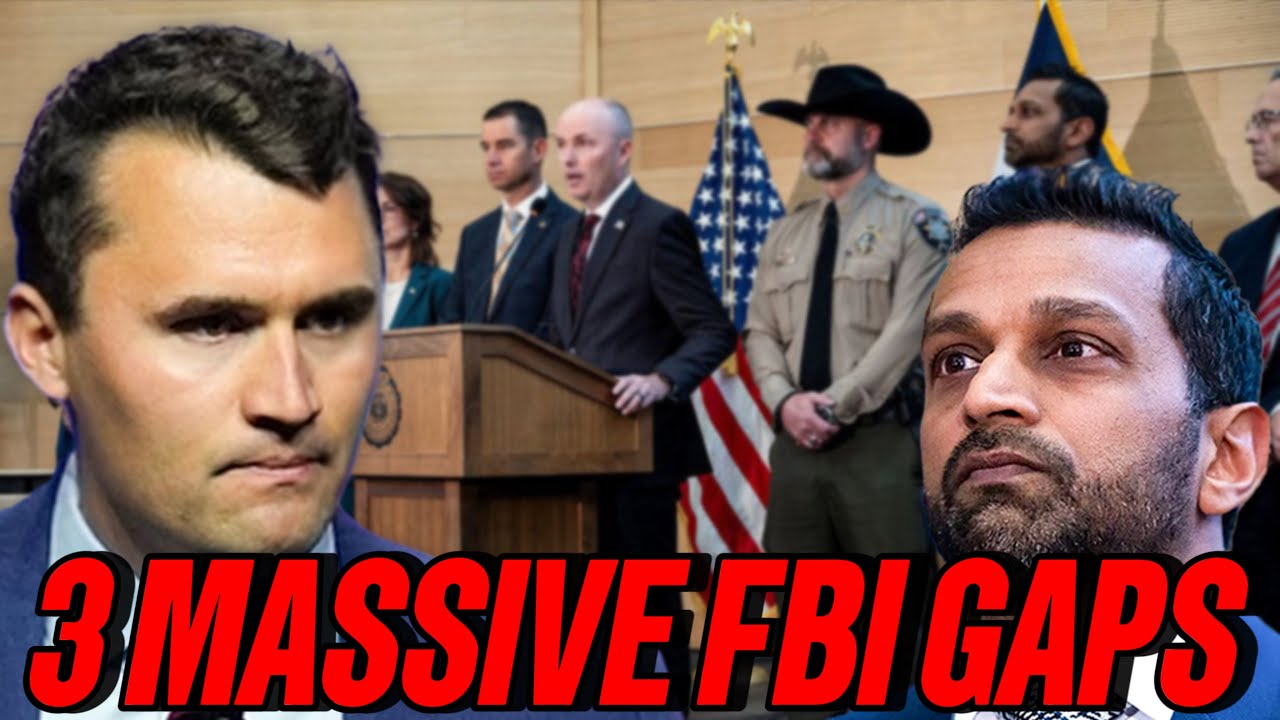
Vance suggests two possible explanations for the sound characteristics. First, the shot and boom being closer together could indicate the sound reverberated around the concrete structures. Second, it could mean the gunman was actually closer to Charlie Kirk than the FBI initially reported.
Despite the competing theories, Vance remains convinced that Kirk was shot with a rifle rather than a pistol, based on the audio evidence. He also raises questions about the rifle itself, including whether it could have been broken down and concealed.
Vance encourages viewers to watch his follow-up video where he recreates the shot and discusses the weapon in greater detail. He closes by urging viewers to share the content to prevent it from being suppressed by algorithms.