Charlie Kirk Confronts Kavanaugh Protesters on Capitol Grounds Over Free Speech and Double Standards
Enjoying this? Share it with someone who needs to see it.
Up Next
Charlie Kirk Responds to Student Who Claims Campus Debates Are Unfair and a Grift
2:51
Charlie Kirk and Lara Trump Discuss Expanding Trump Coalition and Millennial Support Surge
13:17
Charlie Kirk Debates Self-Described Liberal on Free Speech, Parental Rights, and Where Both Sides Fail
7:30
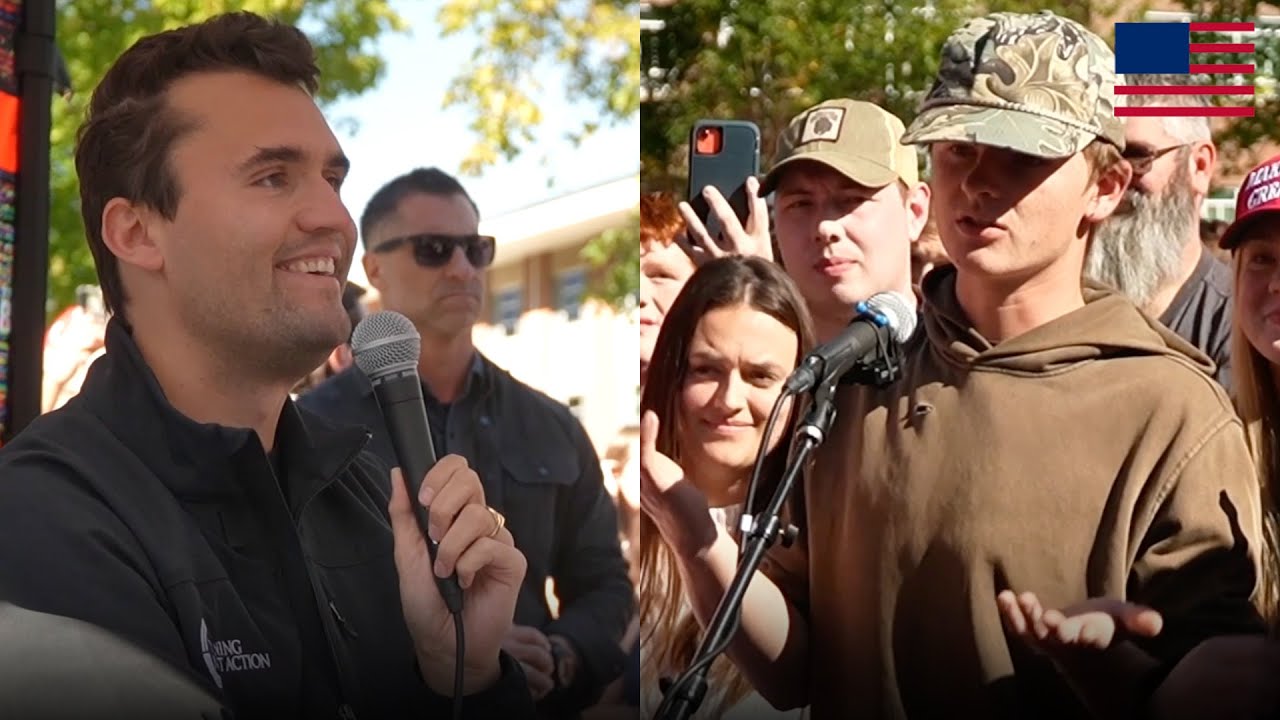
Charlie Kirk Confronts Kavanaugh Protesters on Capitol Grounds Over Free Speech and Double Standards
Charlie Kirk encounters protesters opposing Brett Kavanaugh's Supreme Court confirmation on federal property, sparking a heated exchange about free speech, filming rights, and permit restrictions. When organizers attempt to remove Kirk from public grounds, citing a permit, he challenges their authority and questions their willingness to engage in dialogue. The confrontation exposes the tension between protest organizers controlling their space and Kirk's assertion of First Amendment rights on government property. Throughout the encounter, Kirk attempts to debate protesters on their accusations of racism and their predictions about the Supreme Court's future composition, but most refuse to engage in conversation.
Charlie Kirk arrived at what appears to be a protest against Supreme Court nominee Brett Kavanaugh, immediately encountering resistance from protest organizers. When Kirk began asking protesters about what rights they believed would be taken away if Kavanaugh joined the Court, the atmosphere quickly became tense. One protester attempted to avoid engagement entirely, stating she didn't want to talk to Kirk, while others nearby appeared unsure of who he was.
The situation escalated when a protest organizer confronted Kirk about filming on the premises. The organizer claimed they had a permit for the area and were only allowing people within their group to film. Kirk challenged this assertion, offering to involve Capitol Police and asserting his right to be on U.S. federal government property. The organizer insisted Kirk was putting people on camera without their consent, to which Kirk pointed out that cameras were already everywhere at the event.
The Permit Dispute
The exchange over filming rights became increasingly pointed as the organizer threatened to call Capitol Police. Kirk remained calm, questioning what would happen if he simply stood in the public space. The organizer claimed their permit allowed them to control who could be present, not just to assemble. Kirk challenged this interpretation, arguing that a permit to assemble does not grant the right to discriminate or exclude others from public federal property.
When the organizer suggested Kirk's right to free speech didn't override others' rights, Kirk thanked them sarcastically for "clearing that up." The tension highlighted a fundamental disagreement about the nature of public space, permits, and First Amendment rights on government property.
Challenging the Protesters
Kirk then engaged with protesters about the impending confirmation of Kavanaugh, suggesting they would "freak out" when he actually got confirmed. He questioned what their response would be to all their effort and commotion once the Supreme Court went 5-4 conservative. Kirk went further, predicting the Court could eventually become 6-3 or even 7-2 conservative, presumably referencing potential future vacancies.
The conversation took an interesting turn when accusations of racism emerged. Kirk was called racist, to which he responded by pointing out that he has a black communications director. He pressed the protester to explain exactly how he was racist, but the individual walked away without answering. Kirk expressed frustration at this pattern of accusation without explanation.
The Southern Strategy Discussion
Another protester referenced the Southern Strategy, a political realignment theory suggesting the Republican Party appealed to racist sentiments in the South during the Civil Rights era. Kirk countered with a provocative question: why is it that as the South became less racist, it became more Republican? This challenge to the conventional narrative about the Southern Strategy went unanswered as the protester did not continue the debate.
The Silent Treatment
Throughout the encounter, Kirk expressed frustration at protesters' unwillingness to engage in dialogue. He met a person named Jim who couldn't articulate what he disliked most about Kavanaugh when asked. Kirk suggested Jim should pay attention to the speakers at the protest, to which Jim claimed he had been trying, but someone kept interrupting.
Kirk encountered several protesters who simply refused to speak with him. One wore a shirt with a message Kirk asked about, but received only silence. He noted finding it "amazing" that while he loves talking to people he disagrees with, he couldn't get people to talk to him at this protest.
Reflecting on Free Speech
Kirk concluded his observations by connecting the protesters' behavior to broader attitudes about free speech on the political left. He found it telling that the same people who refused to engage in conversation were part of a movement he believes takes issue with free speech itself. The irony of being silenced at a protest—a form of political expression—while trying to exercise his own speech rights was not lost on Kirk. The encounter encapsulated his view that the left talks about vulnerable populations and important causes but refuses to defend their positions in open dialogue.