2,387 videos 1,376,944,188 views US Joined Aug 30, 2018
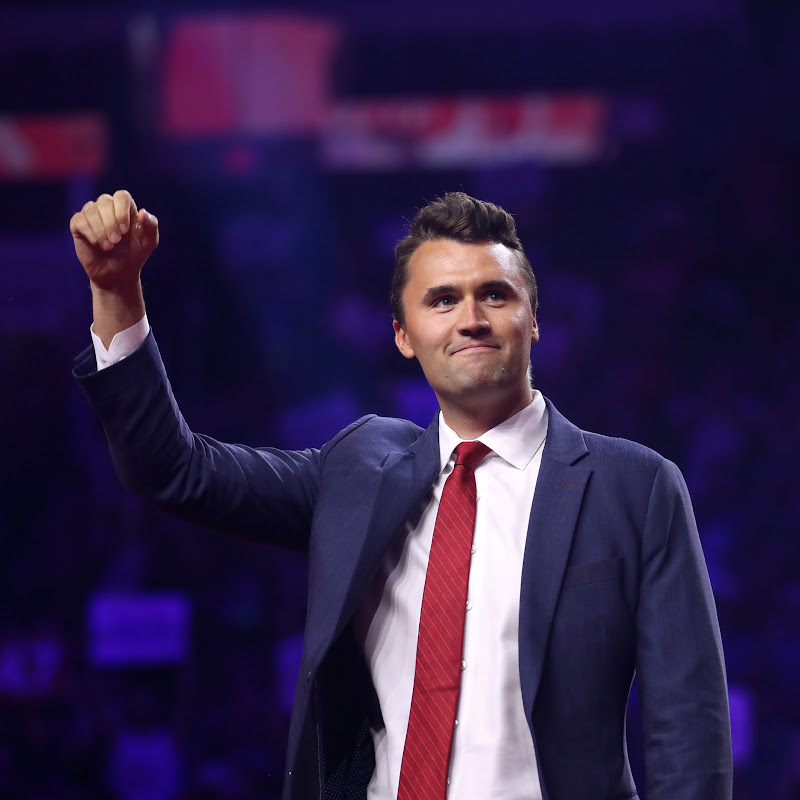
Charlie Kirk is the Founder and President of Turning Point USA, the largest and fastest growing conservative youth activist organization in the country with over 250,000 student members, over 150 full-time staff, and a presence on over 2,000 high school and college campuses nationwide. Charlie is also the Chairman of Students for Trump, which aims to activate one million new college voters on campuses in battleground states in the lead up to the 2020 presidential election. His social media reaches over 100 million people per month and according to Axios, he is one of the "top 10 most engaged" Twitter handles in the world. He is also the host of “The Charlie Kirk Show,” which regularly ranks among the top news shows on Apple podcast charts.
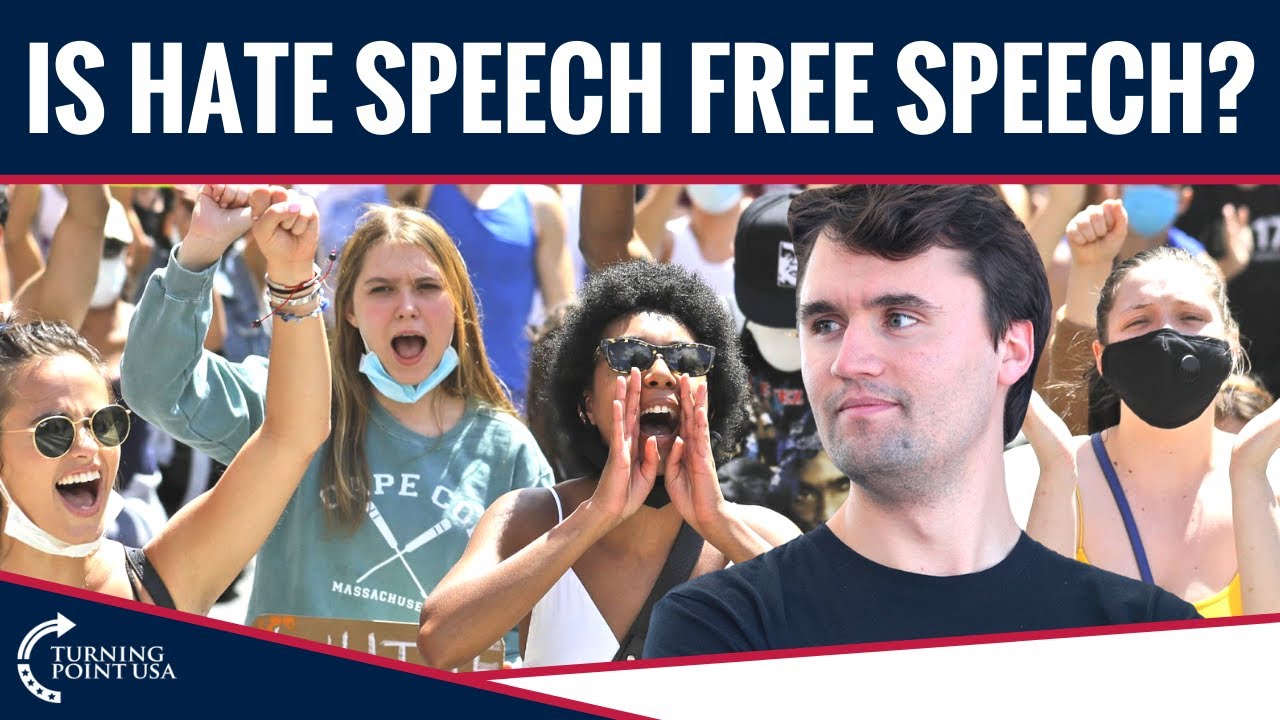
Charlie Kirk Debates Liberal Student on Free Speech, First Amendment Protections and Conservative Security Threats
A self-described liberal student approaches Charlie Kirk at University of Kentucky, expecting to find common ground on freedom and free speech. What unfolds is a revealing exchange about whether both political sides equally protect First Amendment rights. Charlie Kirk challenges her assumptions about conservative restrictions on speech, pointing to violent threats from the left that require constant security for conservative speakers, Chuck Schumer's calls for censorship, and polling data showing liberals increasingly reject absolute free speech protections. The conversation highlights the growing divide over what speech deserves protection and who truly champions the marketplace of ideas.
A self-described liberal student approached Charlie Kirk during a campus event at University of Kentucky, visibly nervous but determined to clarify her beliefs. She took issue with Kirk's earlier suggestion that liberals find their beliefs easy to hold because society agrees with them. She insisted she was liberal before it became mainstream and holds her beliefs deeply, in her soul, not because of social acceptance.
Interestingly, she noted that converting to conservatism would actually make her life easier, given that her husband had become conservative over the past couple of years, causing significant turmoil in their relationship. This admission directly contradicted the notion that liberal positions are the path of least resistance.
Finding Unexpected Agreement on Basic Principles
When Kirk asked what she believes and why, the student outlined positions she thought would be common ground: freedom, free speech for everybody, and freedom of expression. She stated she doesn't believe anyone gets to dictate to others what's right or wrong, using the example that if someone was born male but wants to wear a dress, that's their business.
Kirk zeroed in on one specific issue to test her principles: whether adults should be allowed to perform in front of children. The student responded that it depends on the nature of the performance. Kirk pointed out that most liberals don't make that distinction and that her answer actually aligned her with Florida Governor Ron DeSantis, who was attacked by Disney and left-wing groups as harsh and anti-gay for similar positions.
Kirk suggested she might be more conservative than she gives herself credit for, though she disagreed, noting they differ on how to define what is profane.
The Free Speech Challenge
Kirk then posed a direct question: which side, the American right or the American left, currently does a better job of protecting freedom of speech? The student responded that both sides are doing poorly, being horrible in the exact same way by only protecting speech they agree with.
When Kirk asked how the right has been horrible at protecting free speech, she struggled to provide specific examples, asking rhetorically about who conservatives are protecting free speech for.
The University Double Standard
Kirk posed a theoretical question: if a liberal came to speak at University of Kentucky, would they give an open mic to a conservative the way he just did to her? The student said she hoped they would. Kirk flatly stated they wouldn't, because free speech is not a left-wing value.
He pointed to recent specific examples, including Senate Majority Leader Chuck Schumer going on the Senate floor to call for censorship of a cable television program. Kirk emphasized that the left deploys what he called shock troops, referring to Antifa, to disrupt conservative events.
The Security Reality for Conservative Speakers
Kirk provided a concrete example from his own schedule: when he goes to University of California Davis, 120 police officers have to be deployed because of violent threats from liberals attempting to disrupt the event. He stated there are no right-wing hecklers who come to events like his.
He noted that conservative speakers including Michael Knowles, Matt Walsh, Ben Shapiro, Candace Owens, and himself require armed security 24/7, 365 days a year to protect themselves from violent threats from the left. Kirk argued this makes it self-evident which side is trying to shut down speech and which is trying to open up the marketplace of ideas.
The student disagreed with everything Kirk said but didn't discount that he had received death threats.
The First Amendment Is Not Absolute
Kirk then shifted to polling data, stating that public approval polls show a majority of liberals do not believe the First Amendment is absolute. The student responded that it actually isn't absolute, citing legal restrictions beyond incitement, such as fighting words.
She attempted to explain that if speech intentionally provokes a person and they harm you because of what you said, that speech is not protected. Kirk corrected her, explaining that grotesque, outrageous speech is absolutely protected by the First Amendment.
He cited the American Civil Liberties Union protecting Nazis' right to march in Skokie, Illinois, around Holocaust survivors as an example of how even the most offensive speech receives constitutional protection.
The student also mentioned the common example of not being able to yell fire in a theater. Kirk noted that you actually can, but that's a separate constitutional issue related to incitement, not a restriction on the content of speech itself.
No Progress Made
Kirk thanked the student for attending and demonstrating her willingness to engage but acknowledged they didn't make any progress. He concluded by noting they at least identified where they disagree before moving to the next question.
The exchange illustrated the fundamental divide over free speech principles: whether the First Amendment protects all speech except direct incitement, or whether certain categories of offensive, provocative, or hateful speech should face restrictions. It also highlighted the asymmetry in political violence and disruption at campus speaking events, with conservative speakers facing organized opposition that requires massive security presence while liberal speakers face no comparable threats from the right.