2,387 videos 1,376,944,188 views US Joined Aug 30, 2018
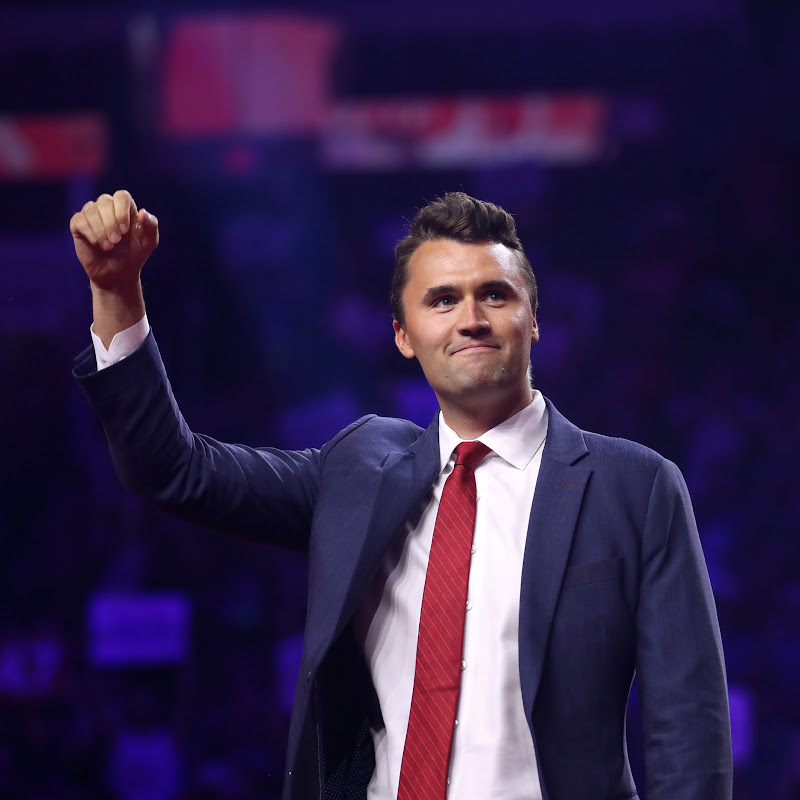
Charlie Kirk is the Founder and President of Turning Point USA, the largest and fastest growing conservative youth activist organization in the country with over 250,000 student members, over 150 full-time staff, and a presence on over 2,000 high school and college campuses nationwide. Charlie is also the Chairman of Students for Trump, which aims to activate one million new college voters on campuses in battleground states in the lead up to the 2020 presidential election. His social media reaches over 100 million people per month and according to Axios, he is one of the "top 10 most engaged" Twitter handles in the world. He is also the host of “The Charlie Kirk Show,” which regularly ranks among the top news shows on Apple podcast charts.
Charlie Kirk Defends Professor Watchlist Against Claims It Inhibits Free Speech and Incites Violence
Charlie Kirk engages in a heated debate over Turning Point USA's Professor Watchlist, a controversial project that exposes professors for radical statements. A student challenges Kirk, arguing the list colors thought, inhibits free speech, and resembles McCarthyism. Kirk defends the initiative, insisting it simply uses free speech to encourage more speech, citing examples of professors making inflammatory statements like wishing death on hurricane victims and Brett Kavanaugh's family. The exchange reveals deep tensions over the line between accountability and silencing dissent in academia.
Charlie Kirk finds himself defending one of Turning Point USA's most controversial projects during an impromptu debate with a college student. The Professor Watchlist, hosted at ProfessorWatchlist.org, has drawn criticism for allegedly targeting liberal professors and chilling free speech on campus. The student challenger raises concerns that the list fundamentally contradicts conservative values of free speech and open dialogue.
The student opens by expressing personal commitment to free speech and uninhibited engagement with those who disagree. However, he finds it deeply unsettling that the Professor Watchlist essentially tells conservative students which professors are very liberal and suggests they should avoid them. Kirk quickly corrects this characterization, noting that the official statement says the project aims to "expose" rather than encourage avoidance.
Extreme Examples and the Case for Accountability
Kirk pivots to concrete examples to justify the project's existence. He asks whether a professor who says hurricane victims in Houston deserve to die because they supported Trump should be called out for such statements. The student agrees that calling out such extreme rhetoric is important, prompting Kirk to emphasize that this is precisely what the project does.
Kirk references another case involving a professor named Alberto Pon who allegedly called the Constitution "a white man's Constitution." While the student acknowledges this as radical sentiment, he maintains it's protected speech. Kirk agrees completely that professors have the right to say such things, but argues conservatives also need to signal where that radical ideology is present. The project, he insists, simply makes people aware without misquoting anyone.
Context, Interpretation, and Platform Responsibility
The debate shifts to questions of context and responsibility. The student argues that statements on the list are taken out of context, creating a platform for spreading misinformation. Kirk rejects this reasoning, comparing it to blaming the internet, Twitter, or Facebook for how people interpret information shared on those platforms. He maintains that it's not incumbent on the person who creates a platform to control interpretation.
The student presses further, suggesting the list functions as a kind of blacklist and draws parallels to McCarthyism. Kirk quickly dismantles this comparison, noting that McCarthy never actually published his list, and more importantly, McCarthy called for people's termination. The Professor Watchlist, Kirk emphasizes, has never called for any professor to be fired.
The Question of Incitement
As tensions rise, the student raises perhaps his most serious concern: that the list could incite violence against the professors featured on it. Kirk flatly rejects this notion, arguing there's no connection whatsoever between documenting public statements and inciting violence. He points out that all the professors featured on the list were originally reported on by other news outlets, and the watchlist simply cites these sources.
Kirk challenges the student's logic, asking why he isn't equally upset with Huffington Post and other outlets that write articles about these same professors. The student struggles to articulate a clear distinction but maintains his feeling that the watchlist inhibits free engagement by giving people preconceived notions about professors before they even take a class.
Free Speech Versus Silencing
The core philosophical disagreement becomes clear as the student argues that informing students about a professor's views beforehand prevents them from entering the classroom with an open mind as free thinkers. Kirk counters by asking what's wrong with students being more aware of a professor's ideology before taking their class. The student insists this approach is antithetical to free speech, that it's important to engage with someone and rationalize their ideas instead of viewing them beforehand.
Kirk returns to his most inflammatory examples to close his argument: the professor who made the hurricane comment and a Georgetown law professor who allegedly said a couple weeks prior to the debate that Brett Kavanaugh's family should die. Kirk believes such professors should be made famous for these statements. The student pushes back, arguing that making them famous incites violence against them.
Public Outlets Versus Advocacy Organizations
The student attempts one final distinction, suggesting there's a significant difference between a newspaper as a public outlet and something like Turning Point USA. Kirk begins to respond but the exchange trails off without fully resolving this point. The debate concludes cordially, with Kirk appreciating the sentiment behind the student's concerns and thanking him for the conversation.
The exchange captures an ongoing tension in conservative activism: the balance between holding professors accountable for controversial statements and the potential chilling effect such accountability measures might have on academic freedom and open discourse. Both participants demonstrate respect for each other despite fundamental disagreement about whether the Professor Watchlist serves conservative principles or undermines them.