Charlie Kirk Debates Democratic Socialist on Trumpian Populism, Minimum Wage, and Union Organizing
Enjoying this? Share it with someone who needs to see it.
Up Next
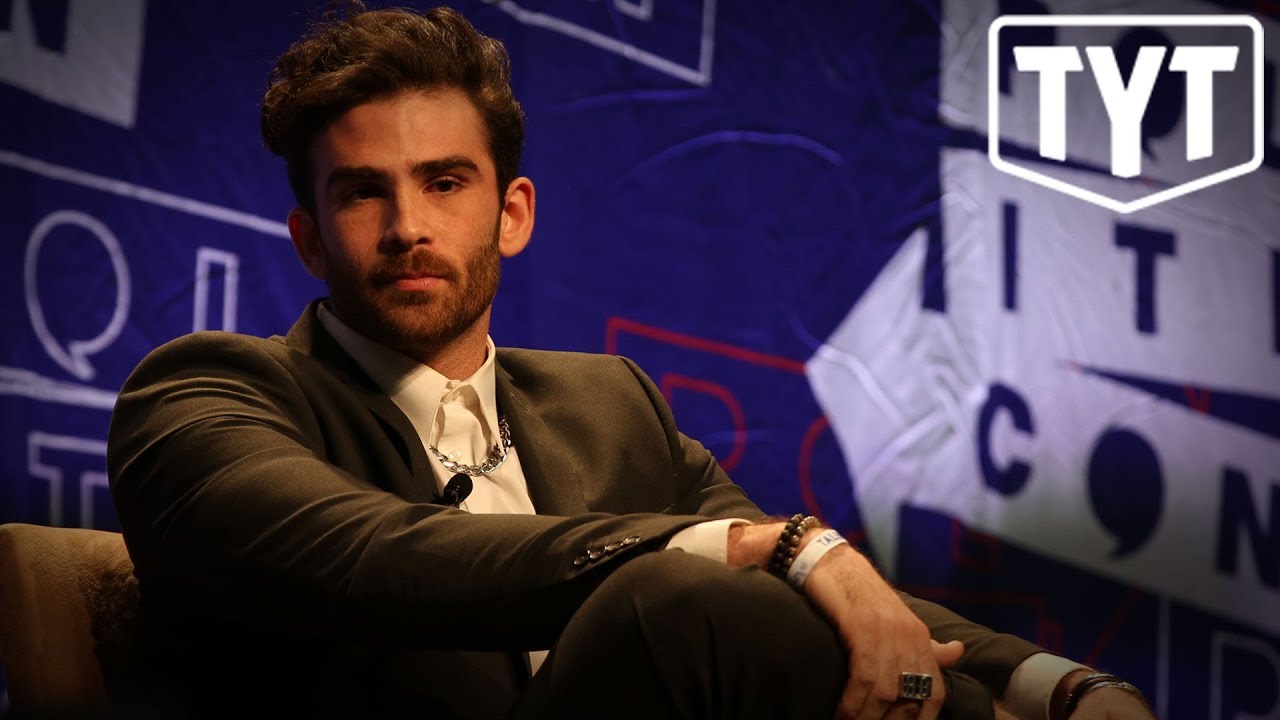
Charlie Kirk Takes on Hasan Piker from The Young Turks at Politicon Round Two
56:49
Charlie Sykes and Tom Nichols Dissect Charlie Kirk's Astonishing Historical Illiteracy and Modern Conservative Dysfunction
43:01
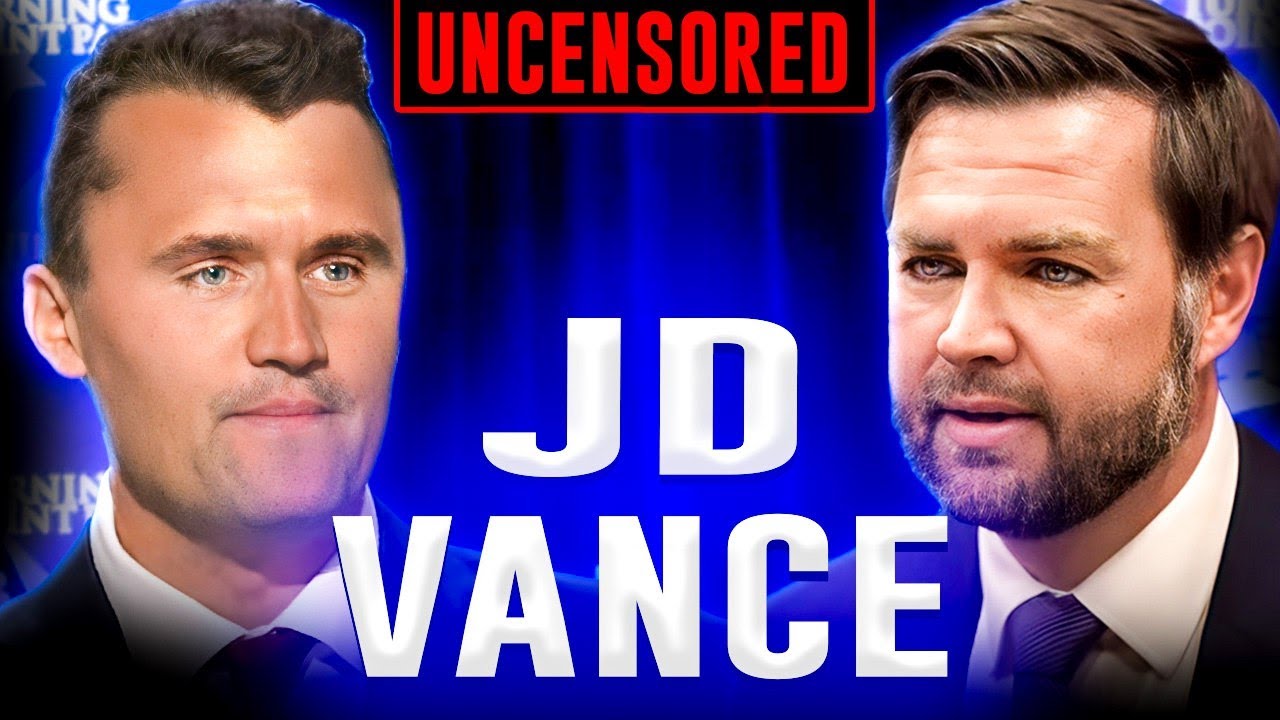
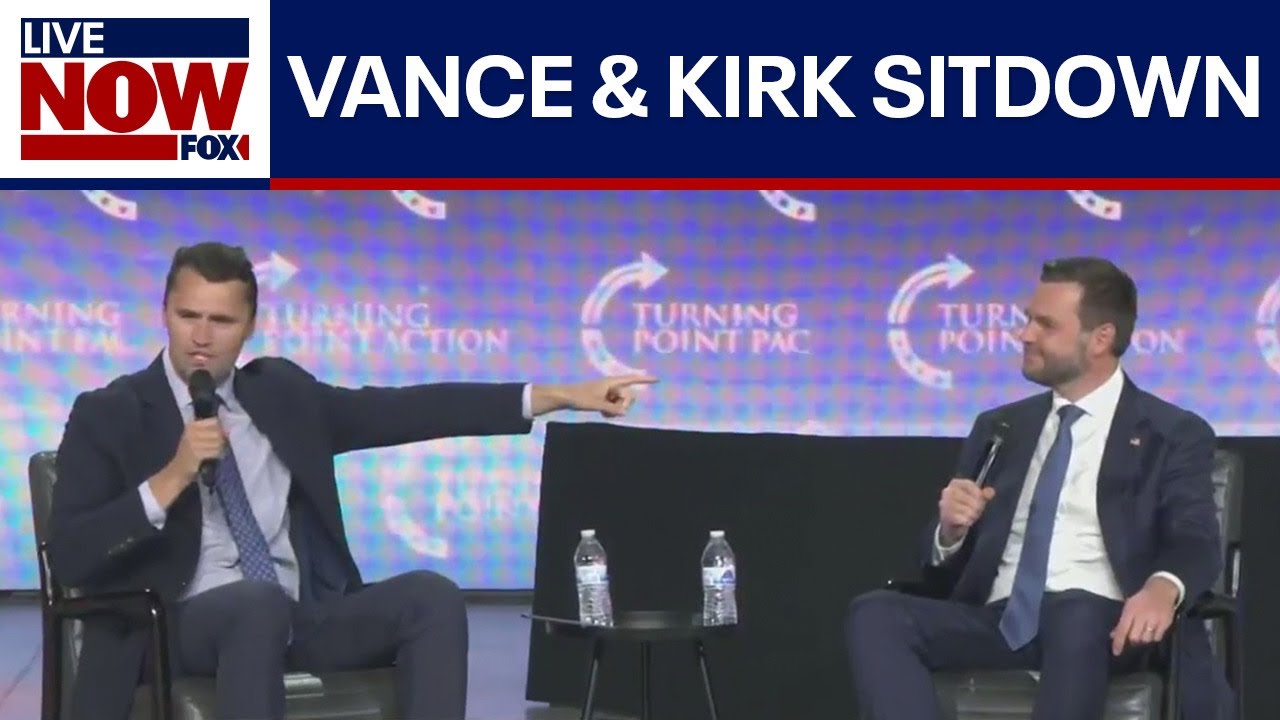
JD Vance Warns Gen Z About Becoming Paupers in Their Own Country at High Point University
46:55
Charlie Kirk Debates Democratic Socialist on Trumpian Populism, Minimum Wage, and Union Organizing
A democratic socialist debates Charlie Kirk at the TPUSA studio in Phoenix, Arizona, challenging the conservative populist movement's stance on core economic issues. The conversation confronts whether the new wave of populist conservatives, from Marco Rubio to Ted Cruz to J.D. Vance, can reconcile their populist rhetoric with traditional Reagan-era opposition to raising the minimum wage, universal healthcare, and union organizing. The debate, set to air on Debate Night with Charlie Kirk, forces a reckoning between populist branding and actual policy positions that impact working Americans. With charity funds raised through Town Circle to make the conversation happen, this exchange represents a rare willingness from conservative figures to engage directly with opposing viewpoints.
A Rare Cross-Ideological Debate on Economic Populism
A debate between Charlie Kirk and a democratic socialist took place at the TPUSA studio in Phoenix, Arizona, tackling the core question of what conservative populism actually means in practice. The debate, arranged through Town Circle and raising enough charity funds to provide meals for 11,000 people, will air as the third episode of Debate Night with Charlie Kirk. The conversation represents an unusual willingness from conservative figures to engage directly with ideological opponents, as most conservatives avoid such confrontations.
The debate was initially framed as Trumpian populism versus democratic socialism, though Kirk shifted the framing to conservative populism at the start. This pivot raises questions about Donald Trump's role as the mascot for this new conservative movement and whether there's strategic distance being created from the former president's personal brand.
The Challenge to Conservative Populism
The central challenge posed to Kirk focused on the apparent contradiction between populist rhetoric and traditional conservative policy positions. If the new conservative populists—including figures like Marco Rubio, Ted Cruz, and J.D. Vance—truly represent working-class Americans, why don't they support raising the minimum wage? Why don't they advocate for universal healthcare? Why don't they support making it easier for ordinary workers to organize unions and have a voice in their workplaces?
These questions cut to the heart of what populism actually means. The term suggests a political approach centered on the interests and concerns of ordinary people, particularly in opposition to elite interests. Yet the policy positions of most self-described conservative populists remain aligned with Reagan-era economics that prioritized deregulation, limited government intervention in markets, and opposition to labor organization.
Philosophy Meets Politics
The debate touched on philosophical territory as well, with Kirk employing philosophical claims he's used in previous debates—arguments about the social contract, the source of rights, and the role of God in political theory. These philosophical exchanges will be explored further in a three-part series teaching philosophy to Charlie Kirk, featuring Professor Jennifer Burgess, which will air in the weeks leading up to the debate's release.
The philosophical component matters because it reveals the foundational assumptions underlying different political positions. Questions about where rights come from, whether social contracts exist, and what obligations we have to one another aren't mere abstractions—they directly inform positions on healthcare, wages, and workers' rights.
Populist Rhetoric Versus Reagan-Era Policy
The most significant aspect of the debate may be that Kirk was required to defend traditional conservative economic positions while maintaining a populist identity. Defending opposition to minimum wage increases, universal healthcare, and easier union organizing using standard Reagan-era arguments creates tension with populist branding.
This tension isn't unique to Kirk—it represents a broader challenge for the conservative populist movement. These figures have successfully adopted populist language and positioning, presenting themselves as champions of forgotten Americans against coastal elites. But when pressed on specific policies that would directly benefit working-class Americans, they often default to the same economic arguments conservatives have made for decades.
The Stakes According to Kirk
In a separate address, Kirk outlined what he sees as the existential stakes of political conflict in America. He warned that if Donald Trump loses, the consequences would extend far beyond the former president himself. According to Kirk, a Trump loss would trigger systematic targeting of churches, organizations, social media accounts, bank accounts, and anyone who defended Trump.
Kirk framed Trump as the bodyguard of Western civilization, someone taking body blows on behalf of his supporters. He suggested that Trump's enemies hate him not because of his tweets or style, but because he threatens their schemes and structures of power. Kirk predicted that if Trump loses, those who supported him would face blood-thirsty revenge and attempts at intergenerational destruction.
This apocalyptic framing reflects a broader tendency in contemporary conservative rhetoric to cast political conflicts as existential battles for survival rather than normal democratic competition between different visions for the country.
The Debate Format and Release
The debate will air on October 21st as part of TPUSA's Debate Night with Charlie Kirk series, with the first episode already released featuring Dr. Rashad Ritchie discussing mask mandates in schools. After TPUSA's initial release, both Town Circle and other platforms will have access to share the debate.
The willingness to engage in this format deserves recognition. While many conservatives avoid direct confrontation with opposing viewpoints, Kirk has shown consistent willingness to debate across ideological lines. This openness to engagement, even when it means defending difficult positions, represents a healthier approach to political discourse than the echo-chamber tendencies that dominate much of the current media landscape.
The debate was described as more focused than previous exchanges, particularly compared to Kirk's debate with Hasan, where the conversation went in multiple directions with various statistics and claims. The structured format and clear central question—can conservative populism be reconciled with opposition to pro-worker economic policies—kept the discussion on track.
What Populism Actually Means
At its core, the debate forces a reckoning with what populism actually means in contemporary American politics. Is it primarily about cultural positioning and rhetoric—standing with ordinary Americans against perceived elite condescension? Or does it require actual policy commitments that materially benefit working-class people, even when those policies conflict with free-market principles?
The conservative populist movement has successfully claimed the populist mantle through cultural positioning, opposition to political correctness, and hostility to coastal elites. But when the conversation shifts to concrete economic policies—wages, healthcare, union organizing—the distance between populist rhetoric and actual policy becomes apparent.
This isn't to say there's no legitimate conservative answer to these questions. Conservatives can argue that free-market approaches ultimately benefit workers more than government intervention, that unions create inefficiencies, or that minimum wage increases cause unemployment. But making those arguments requires acknowledging the tension between Reagan-era economics and populist branding.
The debate represents an important test for conservative populism: can it articulate a coherent vision that goes beyond cultural grievance and actually addresses the economic concerns of working Americans in ways that differ from traditional corporate conservatism? Or is the populist label primarily a marketing rebrand for the same economic positions conservatives have held for decades?











Comments
Be the first to comment on this video.