2,422 videos 1,389,747,653 views US Joined Aug 30, 2018
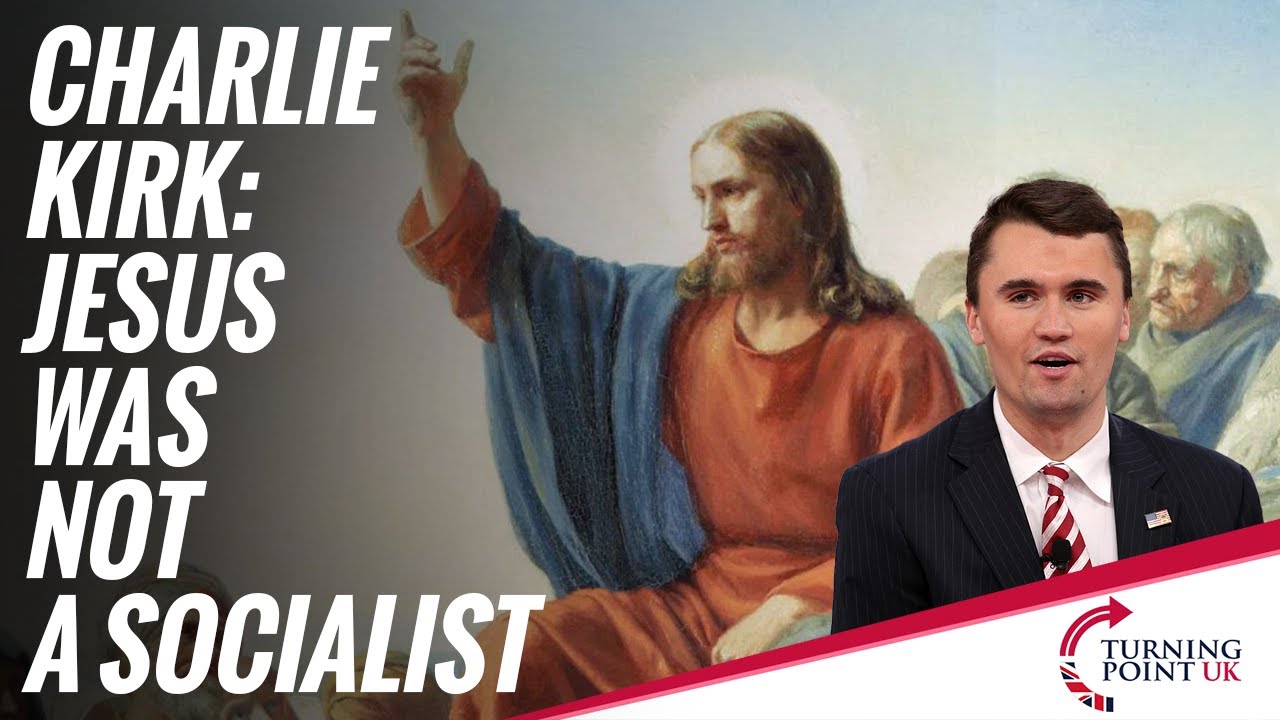
Charlie Kirk is the Founder and President of Turning Point USA, the largest and fastest growing conservative youth activist organization in the country with over 250,000 student members, over 150 full-time staff, and a presence on over 2,000 high school and college campuses nationwide. Charlie is also the Chairman of Students for Trump, which aims to activate one million new college voters on campuses in battleground states in the lead up to the 2020 presidential election. His social media reaches over 100 million people per month and according to Axios, he is one of the "top 10 most engaged" Twitter handles in the world. He is also the host of “The Charlie Kirk Show,” which regularly ranks among the top news shows on Apple podcast charts.
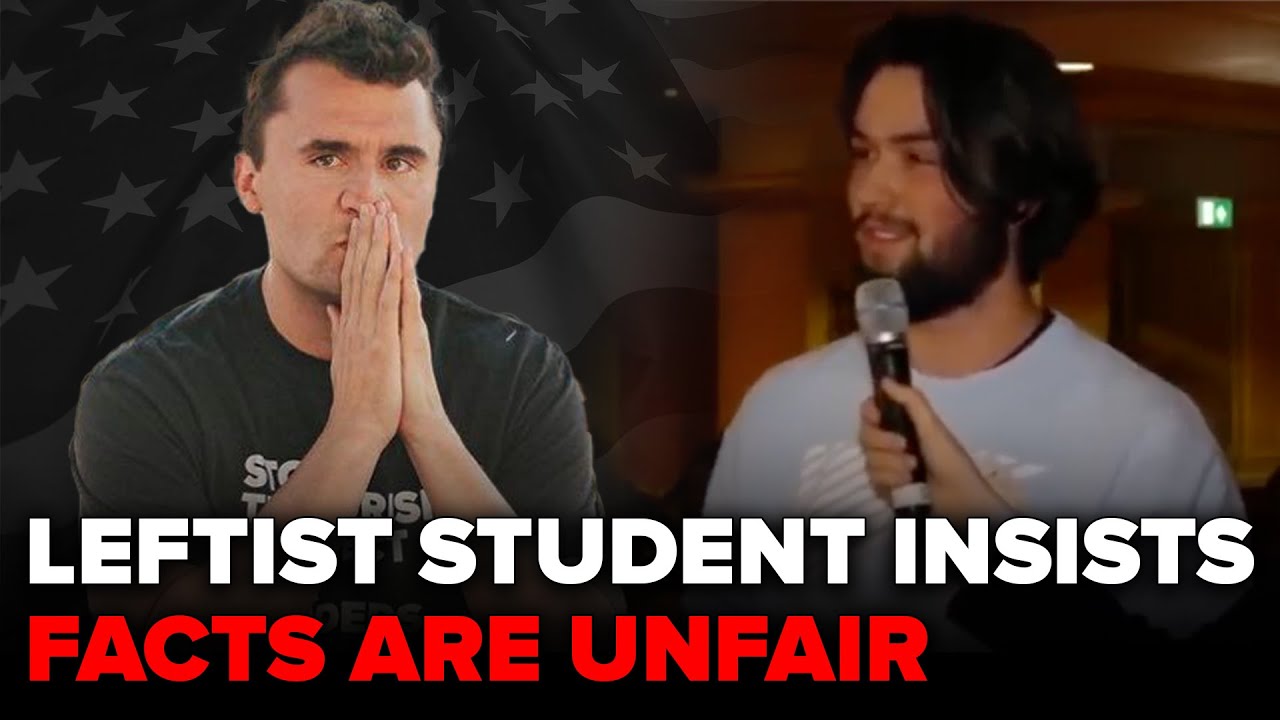
Charlie Kirk Debates Student on White Male Life Expectancy, Socialism, and Economic Systems at Campus Event
Charlie Kirk engages in a heated exchange with a student wearing a Black Lives Matter shirt about declining life expectancy among middle-aged white men, the definition of socialism versus capitalism, and whether free markets exploit workers. The debate covers heart disease as a self-induced health crisis, employee-owned companies like Publix, anarchist principles, and global manufacturing practices. What starts as a discussion about mortality statistics quickly expands into fundamental disagreements about economic systems, personal responsibility, and whether capitalism inherently creates poverty.
Charlie Kirk entered a contentious debate with a student about life expectancy trends in America, specifically focusing on middle-aged white men. While the student initially claimed that life expectancy has increased over time, Kirk corrected the record by pointing out that for one specific group—middle-aged white men—life expectancy has actually decreased since 2000. Kirk attributed this decline to self-induced causes.
The exchange became tense as Kirk explained that while life expectancy has nearly doubled since 1900 across all groups, middle-aged white men have experienced a reversal of this trend since 2000. Kirk argued this was primarily due to bad personal choices, stating that "America is a wonderful country because if you make good choices you get rewarded and if you make bad choices you have bad things happen to you."
Heart Disease and Personal Responsibility
Kirk pressed the student on what they believed was the primary cause of death for middle-aged white men. After some back and forth, the student identified heart disease as the leading cause. Kirk then connected this to lifestyle choices, explaining that the decrease in life expectancy is attributed to self-induced harm rather than systemic issues.
Kirk elaborated that heart disease results from overeating, sedentary lifestyles, lack of exercise, and excessive indulgence in alcohol and drugs—all consequences of America's abundance and surplus made possible by the free market system. He contrasted this with countries like Venezuela, where starvation is a primary cause of death, stating he would "rather have a culture where we're trying to have people join gym memberships in a New Year resolution not eat zoo animals."
Challenging the Black Lives Matter Shirt
The conversation shifted when Kirk noticed the student was wearing a Black Lives Matter shirt. Kirk attempted to redirect the discussion to address what he views as the factual inaccuracies underlying the Black Lives Matter movement and its use of identity politics to divide America. The student declined to discuss the shirt, though Kirk noted that the student's friends were also wearing the same shirt.
Defining Socialism and Communism
The debate took another turn when Kirk asked the student to define socialism. Kirk offered his own definition: "the implementation of totalitarian control on the means of production for the best interest of people under the guise of the failed Doctrine of Marx and Engels." The student disagreed, providing a different definition focused on worker group ownership rather than government control.
Kirk challenged the student to name one example where Marxism has been successfully implemented. When the student couldn't provide a current example, Kirk claimed he could "name all 75 failed Marxist examples on five continents over the last 100 years," referencing the approximately 100 million deaths he attributes to socialist and communist regimes.
Employee-Owned Companies in a Free Market
The student attempted to reframe socialism as workers owning the means of production, to which Kirk responded by pointing out that this already exists in America. He cited the example of Publix, the largest grocery store chain in America, which is employee-owned. Over four million Americans work in employee-owned companies, Kirk noted.
However, Kirk emphasized that this model exists within a free market system that allows such arrangements to flourish voluntarily and peacefully, rather than being imposed by government force. When asked if he wanted to force this model on others, the student clarified they were actually an anarchist, not advocating for government implementation.
Anarchism, Capitalism, and Personal Freedom
The revelation that the student identified as an anarchist led to further discussion about voluntary communal living versus government-imposed systems. Kirk asked why the student didn't choose to live like the Amish, who maintain communal societies within the United States. The student responded that anarchism doesn't mean living off the grid, but rather living by anarchist principles within a capitalist society.
Kirk challenged the student's critique of the current system, asking why they wanted to tell him how to live his life when he wasn't imposing his worldview on them. The exchange revealed the student's discomfort with extreme wealth inequality, expressing that they wouldn't consider it "very cool" for someone to have three houses and six yachts or a billion dollars, though they stopped short of advocating for confiscating such wealth.
The Global Manufacturing Debate
The conversation concluded with a contentious exchange about global manufacturing and labor practices. Kirk questioned why the student was wearing clothing made through what they described as exploitative labor practices if they opposed such systems. The student claimed there were "no other options" in a capitalist country, to which Kirk responded that this was "totally and factually incorrect" and suggested making one's own clothes.
Kirk argued that he was happy that people in Southeast Asia have jobs making clothes so he doesn't have to make his own, viewing this as part of an economic renaissance in that region. The student countered with references to factory workers burning alive, attempting to paint Kirk as uncaring about worker safety. Kirk dismissed this as "a wonderful thing" in context of economic opportunity, though the student tried to reframe his statement as being happy about factory deaths. Kirk concluded by calling out what he viewed as an "emotional argument" rather than a factual one.