Charlie Kirk Explains Why Hate Speech Should Be Protected and How Censorship Backfires in America
Enjoying this? Share it with someone who needs to see it.
Up Next
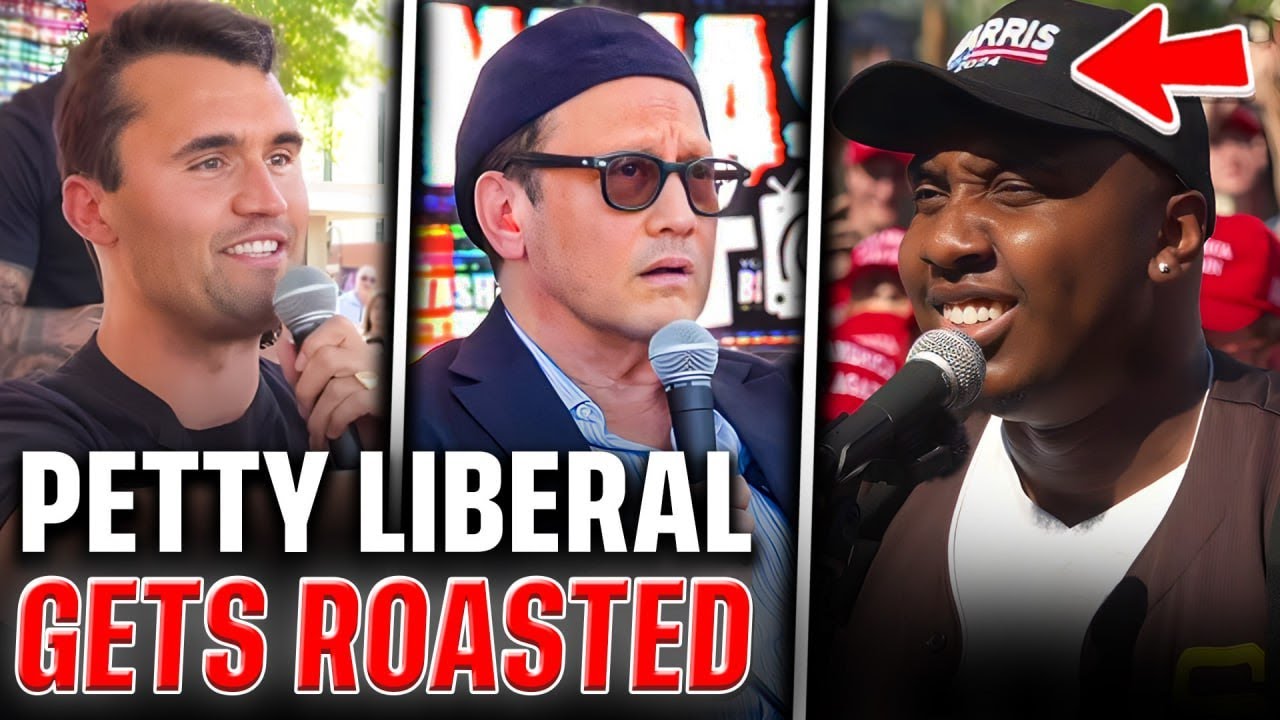
Charlie Kirk and Rob Schneider Challenge Kamala Harris Supporter on Middle Class, Border, and War Policy
8:36
Charlie Kirk Responds to Free Speech Question About Banning Critical Race Theory in Schools
1:06
Charlie Kirk Confronts Texas Student Over Fascism Claims About Trump at Michigan State Campus
10:57
Charlie Kirk Explains Why Hate Speech Should Be Protected and How Censorship Backfires in America
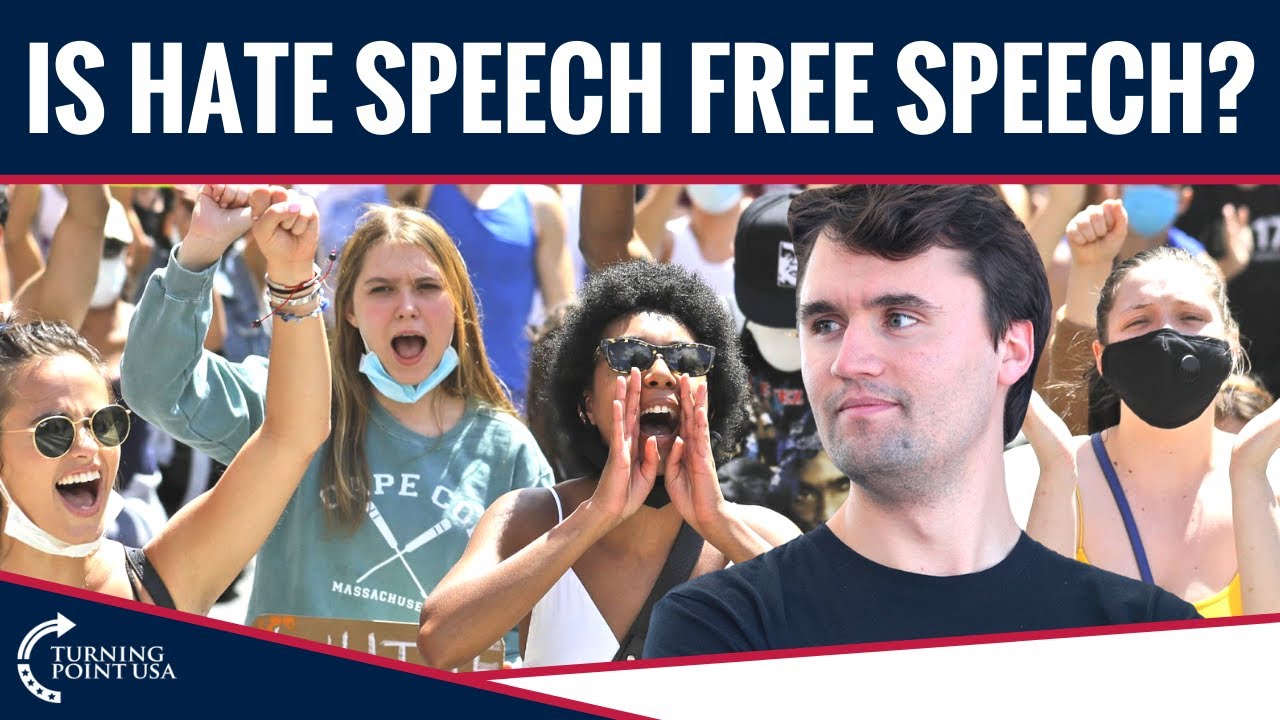
Charlie Kirk makes a case for absolute free speech protection, arguing that even the most reprehensible speech should be allowed in America. Drawing on examples from the ACLU's defense of Nazi marchers in Skokie and the Westboro Baptist Church, Kirk contends that censorship paradoxically empowers hateful voices by allowing them to claim victimhood. He contrasts the American approach with European speech restrictions, suggesting that Germany's ban on Nazi symbols has inadvertently strengthened white nationalist movements. Kirk argues that open discourse enables good ideas to triumph over bad ones, creates active citizenship, and prevents government overreach.
When asked where he draws the line between free speech, hate speech, and slander, Charlie Kirk offers an uncompromising position: even hate speech should be completely and totally allowed in America. The most disgusting speech, he argues, should absolutely be protected. This viewpoint, Kirk notes, is no longer held by many on the left, including organizations that once championed unrestricted speech.
Kirk points to the American Civil Liberties Union (ACLU) as an example of how attitudes have shifted. The ACLU once sued to ensure that legitimate Nazis could march through downtown Skokie. Kirk asks why the ACLU would take such a position, explaining that they recognized "hate" as a fundamentally subjective term. Once you start categorizing speech as hate, the power to define and enforce those boundaries falls to whoever holds authority—a dangerous precedent in any society.
The Marketplace of Ideas and the Westboro Baptist Church Example
Kirk's belief is straightforward: the more speech, the better. He uses the Westboro Baptist Church as a case study. While there's a movement suggesting it should be illegal to say what they're saying, Kirk finds their message disgusting and reprehensible—yet he opposes censoring them. He notes that every time the Westboro Baptist Church shows up, multiple people show up peacefully to demonstrate how foolish their ideas are.
In a civil society, Kirk contends, the best ideas will win as long as there's a marketplace for them to compete. The real issue emerges when you shut down hate speech: those people only get more powerful. This represents the unintended consequence of censorship—you give more credence to the silenced person the moment you shut them up. They can then play the victim, claiming that authorities are trying to silence them because they pose a threat or possess dangerous truths. Kirk's response: no, you're not a threat, you're just a fool, and censorship gives you too much power.
Learning from Europe's Speech Restrictions
Kirk points to European speech laws as evidence of censorship's failure. The minute you start to enforce speech laws based on specific political opinions—regardless of how reprehensible they are—you actually give credence to those opinions. Germany serves as a prime example. Despite banning swastikas and Nazi paraphernalia, Germany's white nationalist movement is actually gaining traction because it has developed a rebellious underbelly.
Kirk's position is clear: bring your bad ideas publicly so decent people can cross-examine you, so we can see who you are, talk to you, and convince the public otherwise. He acknowledges this is a hard argument for some young people to hear. They object that hateful speech deteriorates the country. Kirk counters that those ideas, if they spread unchallenged, deteriorate the country—but good people will speak in opposition to them when given the opportunity.
Speech as the Defining Human Characteristic
Kirk identifies as a free speech absolutist through and through. He believes the utility of speech is what makes human beings different than any other type of being on the planet. Referencing Aristotle, he notes that we are the speaking beings—our capacity to communicate defines who we are.
Speech creates an act of citizenry, Kirk argues. When bad people are allowed to speak, when really bad people are given a permit, the entire population responds with outrage. Citizens make yard signs and speak out against them. They remain on their toes, looking out for threats, engaged in civic life. Conversely, if the government becomes the speech police and starts calling the shots, citizens become complacent. They think the government will get rid of the bad guys for them, becoming less active and less responsible for the country around them.
Where Kirk Does Draw the Line: Slander and Libel
Kirk clarifies that he doesn't draw a line on speech itself—all opinions should be allowed to be heard. However, slander represents a different category entirely. If you make the intentional publication of false information when you're behind a news outlet—knowingly false information—you should be able to be sued in court more generously with the libel laws in this country.
The difference, Kirk explains, is that if you know you have materially false information and you publish it to a big wide readership, that is not freedom of speech. That is slander. It's very clear what the Supreme Court has said on this matter. Freedom of speech protects opinions, even hateful ones, but it doesn't protect the deliberate spread of known falsehoods presented as fact.