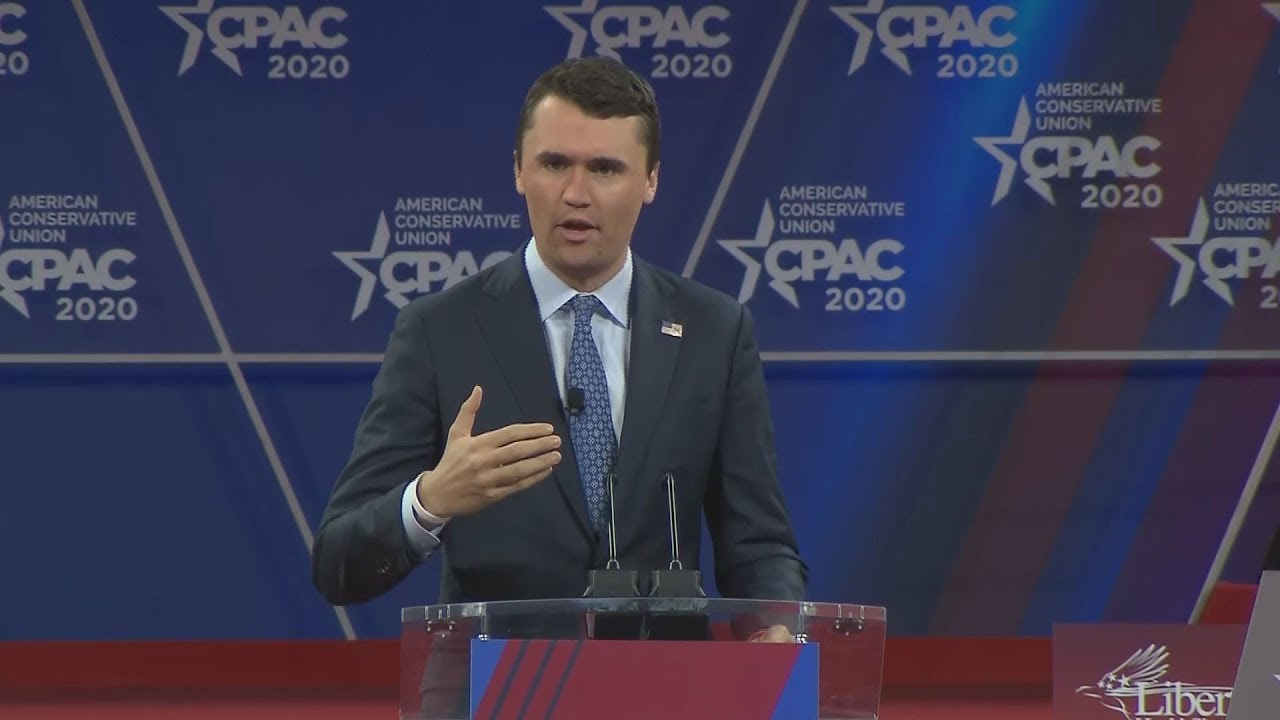
Charlie Kirk on How the American Revolution Protects Your Daily Freedoms and Natural Rights
Enjoying this? Share it with someone who needs to see it.
Up Next
Charlie Kirk Rallies Arizona Crowd After RFK Jr Endorsement of Donald Trump
17:45
Charlie Kirk Challenges Churches to Rise Up as America's Last Institution Standing Against Totalitarian Left
2:04:58
Charlie Kirk Reveals How Republicans Failed to Showcase Their Youngest Most Diverse Presidential Field in American History
10:26
Charlie Kirk on How the American Revolution Protects Your Daily Freedoms and Natural Rights
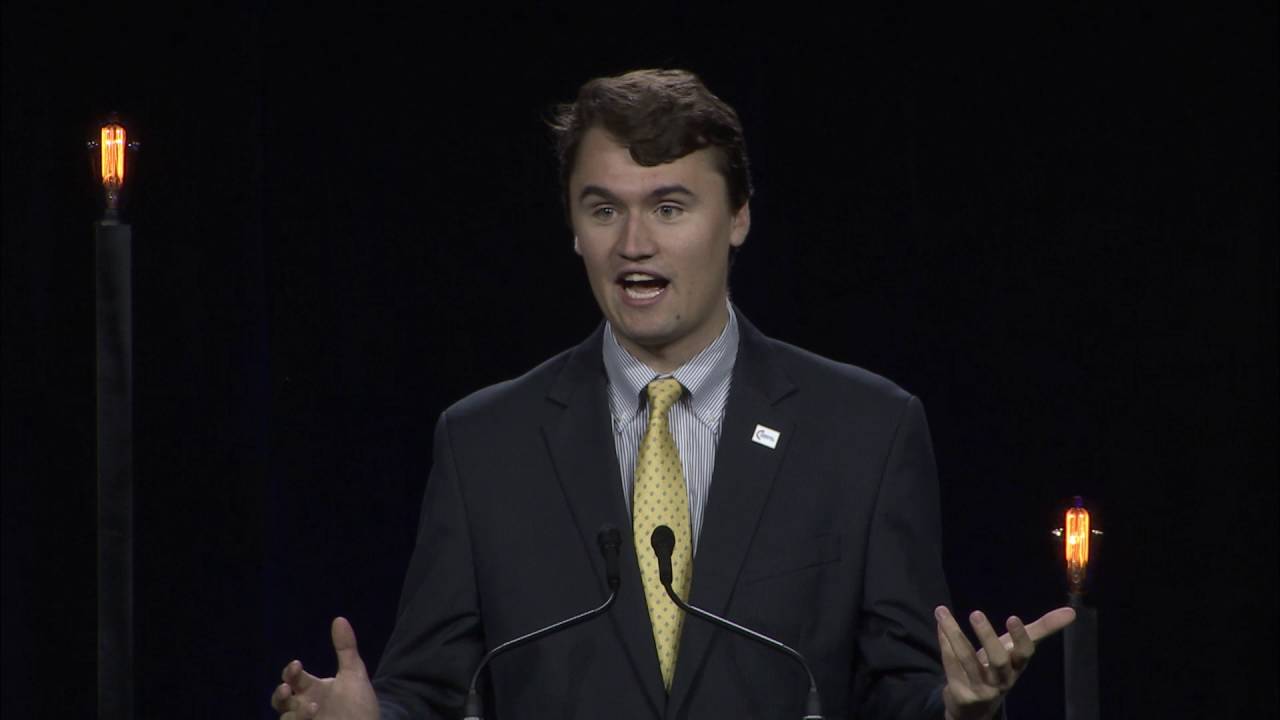
Charlie Kirk breaks down how the principles of the American Revolution protect everyday freedoms most people take for granted. From Fourth Amendment privacy protections in your phone to Second Amendment security at banks and airports, Kirk explains how natural rights enshrined in the Constitution differentiate America from countries like Venezuela. Speaking in New York, he contrasts regional attitudes toward firearms and emphasizes why even media outlets with low ratings deserve First Amendment protection against government censorship.
The American Revolution's Daily Impact on Your Life
The principles established during the American Revolution aren't just historical concepts—they protect freedoms Americans exercise every single day. From the privacy of your phone to the security you experience walking into a bank, these constitutional protections shape daily life in ways most people never stop to consider.
Fourth Amendment Privacy in the Digital Age
The ability and privacy that you have, or should have, in your phone to not have a government look through your phone is protected by the Fourth Amendment, or should be protected by the Fourth Amendment. The government should not spy on its own citizens without a warrant. This protection against unreasonable searches and seizures, established in the founding era, remains as relevant today in our digital lives as it was when applied to physical property.
Second Amendment Protection: More Common Than You Think
Speaking in New York presents a different context than other parts of the country. This is not exactly like talking in South Dakota. For those who have never seen a gun before, the regional differences are stark. In South Dakota, when asked how many people own semi-automatics, every hand goes up. It's a little bit different in New York.
But for those who own firearms or enjoy the protection of them, that's in the Second Amendment. And all of us in some way actually enjoy the protection of a firearm at least once a week. Whether you walk into a bank or airport, there's somebody armed who is there to protect you as a citizen. This protection exists whether you personally own a firearm or not.
First Amendment: The Right to Dissent Without Retribution
The right to expression, the right to complain against Trump on Facebook or say Trump is great on Facebook, or to make a tweet against a Congress person without having to worry that you're going to get retribution—that's the First Amendment. These are natural right principles going all the way back to 1780, 1710, 1630, establishing that the individual should have sovereignty to be able to say what they want to say without the government coming after them.
America's Protections Versus Other Nations
That kind of right is not protected in a lot of countries today. It just isn't. In Venezuela, they shut off CNN and they shut off Russia television, whatever it is. They shut off like five networks now.
Here's the important distinction: even though some people don't like certain networks, and even though some have inaccurate reporting or low ratings, they shouldn't be shut off. Bad ideas should be allowed to be on TV. Incorrect ideas should be allowed to be on TV. Inaccurate reporting should be allowed to be on TV. And even things that people don't watch, like CNN with their low ratings, should be allowed to be on TV.
That doesn't mean agreement with their content—it means defending their right to exist. But that takes a society that has these ideas enshrined in them. It requires a constitutional framework that protects even unpopular speech, even media with poor viewership, from government censorship. That's what separates America from authoritarian regimes that silence dissent.